Facile Synthesis of Organically Synthesized Porous Carbon Using a Commercially Available Route with Exceptional Electrochemical Performance
Adam Rowling, Julien Doulcet, Robert Dawson, Nuria Tapia-Ruiz, Abbie Trewin

TL;DR
A new, efficient method to make porous carbon material with excellent battery performance is developed.
Contribution
An alternative one-pot synthesis method for OSPC with high surface area and electrochemical performance is introduced.
Findings
OSPC-1b achieved the highest surface area of 909 m2 g–1 among OSPC materials.
OSPC-1b showed comparable electrochemical performance to OSPC-1a in Li-ion batteries.
Electrochemical properties of OSPC-0 were confirmed for the first time, aligning with predictions.
Abstract
Organically synthesized porous carbon (OSPC) is a subclass of conjugated microporous polymer materials that have shown potential applications as anodes in ion batteries. However, a challenging, low-yielding, multistep synthetic route (the A method) has hindered further exploration of this exciting family. Here, OSPC-1 has been synthesized via an alternative, efficient one-pot method from commercially available reagents (the B method), hereafter referred to as OSPC-1b in contrast to OSPC-1a, where it is synthesized via the A method. Characterization revealed the same polymer structure and the highest surface area to date of an OSPC (or OSPC analogue) family member for OSPC-1b with 909 m2 g–1. OSPC-1b was tested as an anode for Li-ion batteries, demonstrating the same high capacity, fast charging, resistance to degradation, and inhibition of the formation of dangerous lithium dendrites as…
Genes, proteins, chemicals, diseases, species, mutations and cell lines named across the full text — each resolved to its canonical identifier and authoritative record.
Click any figure to enlarge with its caption.
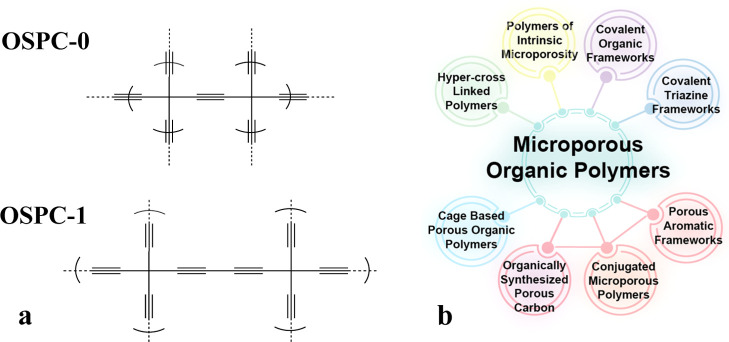 Figure 1
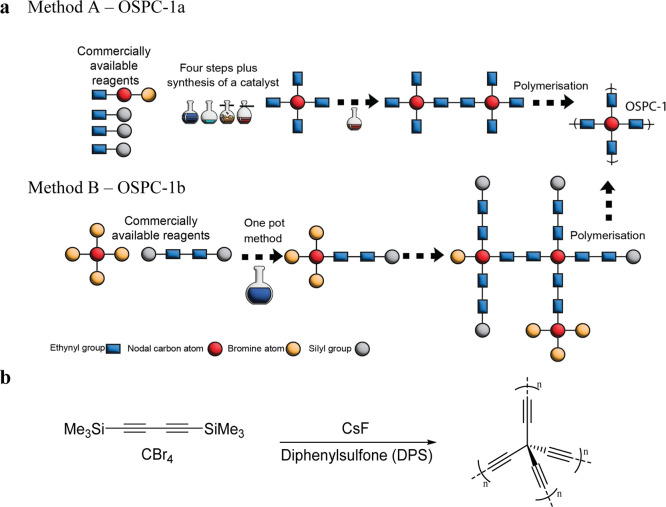 Figure 2
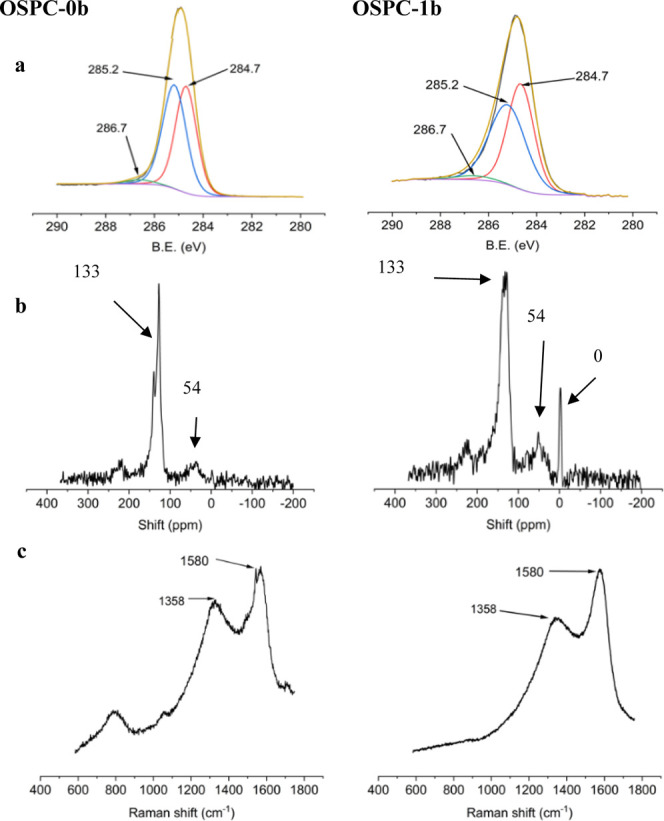 Figure 3
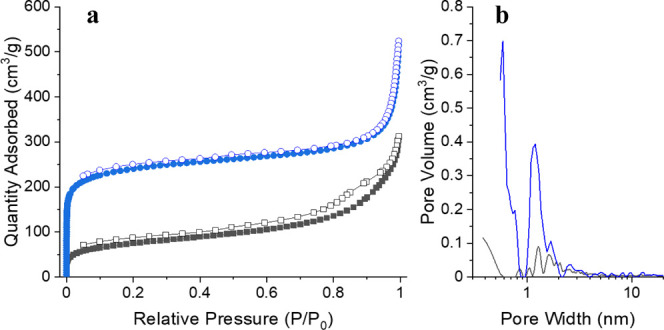 Figure 4
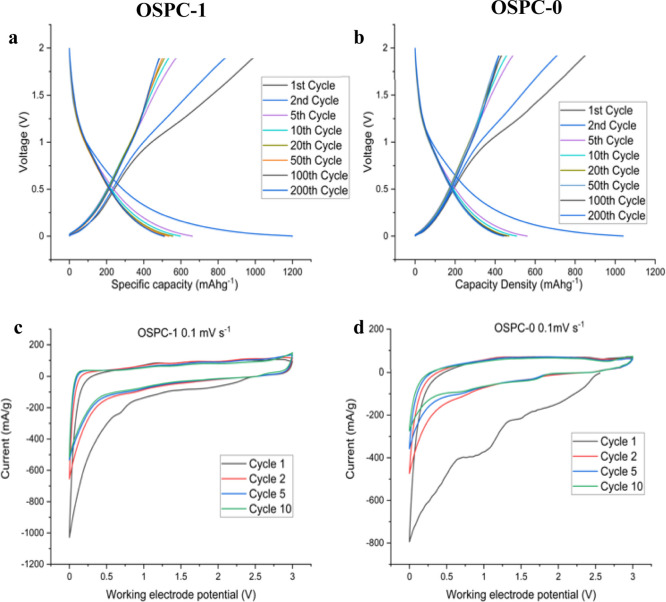 Figure 5
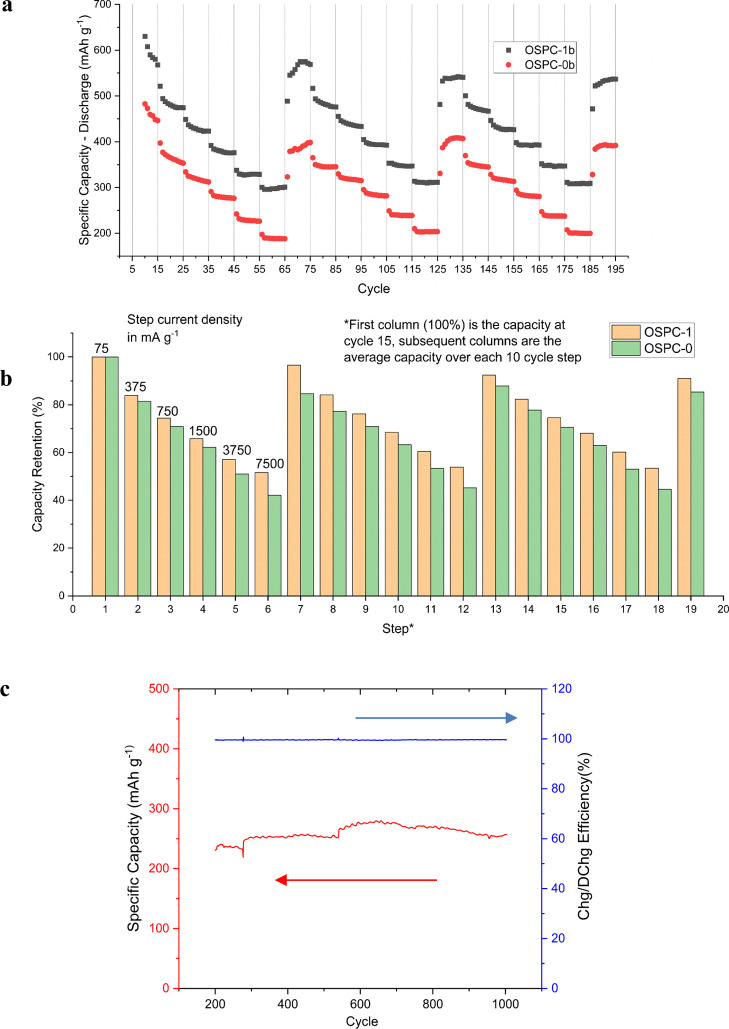 Figure 6
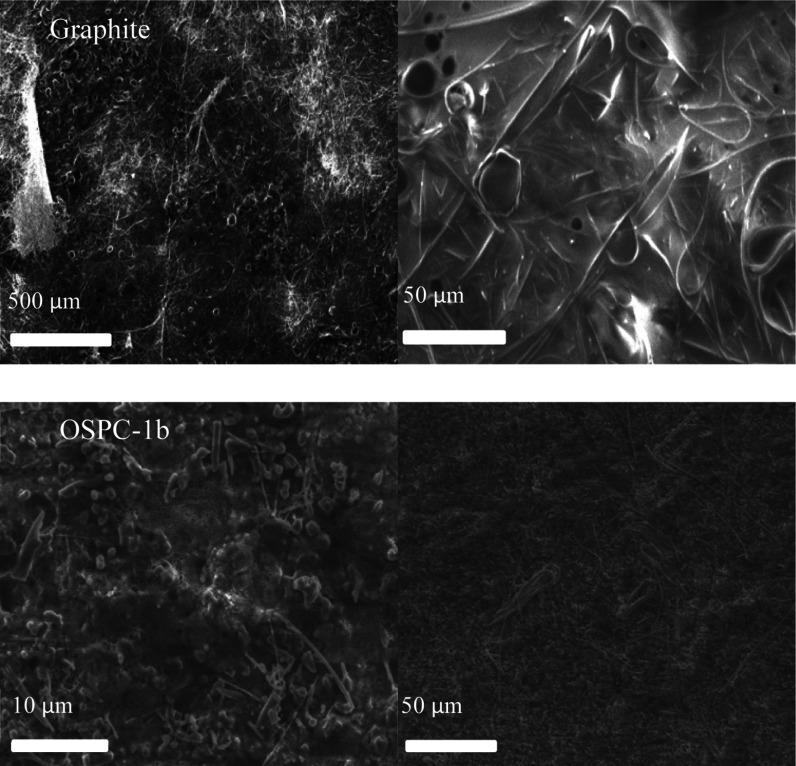 Figure 7
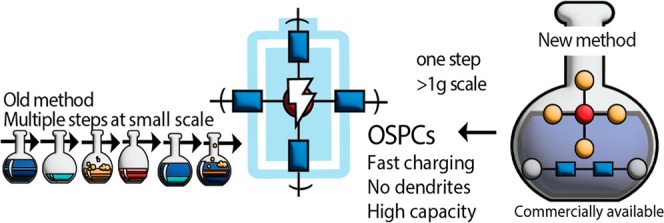 Figure 8
Peer Reviews
No public reviews on file for this paper yet. If you reviewed it on a platform where reviews are public (OpenReview, ICLR, NeurIPS, ICML), you can paste yours below so the community can read it here.
Videos
No videos yet. Explain this paper in a talk, walkthrough, or lecture? Add one.
Taxonomy
TopicsCovalent Organic Framework Applications · Metal-Organic Frameworks: Synthesis and Applications · Conducting polymers and applications