Proliferation capability of natural killer cells upon cytokines stimulation correlated negatively with serum lactate dehydrogenase level in coronary artery disease patients
Xuemin Guo, Ting Xiao, Li Lin, Qianqian Gao, Bifa Lai, Xianhui Liu, Zhixiong Zhong

TL;DR
This study found that ascorbic acid boosts natural killer cell proliferation in coronary artery disease patients, and higher lactate dehydrogenase levels correlate with lower NK cell proliferation.
Contribution
The study reveals a negative correlation between serum LDH levels and NK cell proliferation in CAD patients, and identifies ascorbic acid as a stimulator of NK cell proliferation.
Findings
Ascorbic acid treatment significantly increased NK cell proliferation in 28 out of 29 CAD patient samples.
Serum lactate dehydrogenase levels negatively correlated with NK cell proliferation upon interleukin stimulation.
LDH addition to NK cells enhanced production of IFN-γ, IL-10, and TNF-α, indicating a regulatory role.
Abstract
Natural killer (NK) cells are proposed to participate in coronary artery disease (CAD) development. However, little is known about how CAD patients’ NK cells respond to different stimulatory factors in terms of proliferation capability. Twenty-nine CAD patients’ peripheral blood NK cells were isolated and individually treated with IL-2, IL-12, IL-15, IL-18, IL-21, cortisone acetate, hydrocortisone, or ascorbic acid for 36 hours, followed by cell cycle analysis using flow cytometry. The ratio of S and G2/M phase cell number to total cell number was defined as a proliferation index (PrI) and used for proliferative capability indication. The results showed that these eight factors resulted in different life cycle changes in the 29 NK cell samples. Remarkably, 28 out of 29 NK cell samples showed an obvious increase in PrI upon ascorbic acid treatment. The serum lactate dehydrogenase (LDH)…
Genes, proteins, chemicals, diseases, species, mutations and cell lines named across the full text — each resolved to its canonical identifier and authoritative record.
Click any figure to enlarge with its caption.
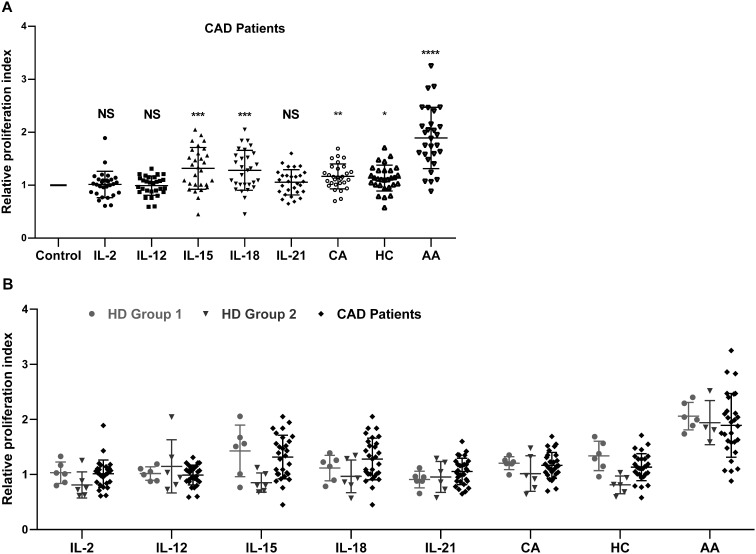 Figure 1
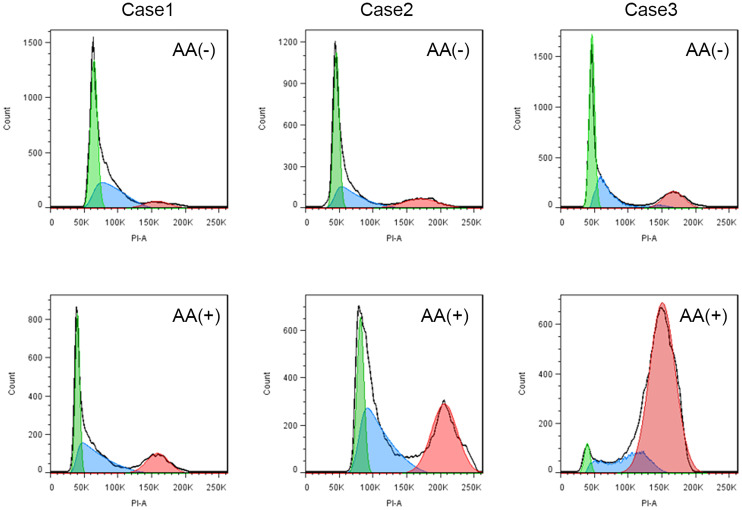 Figure 2
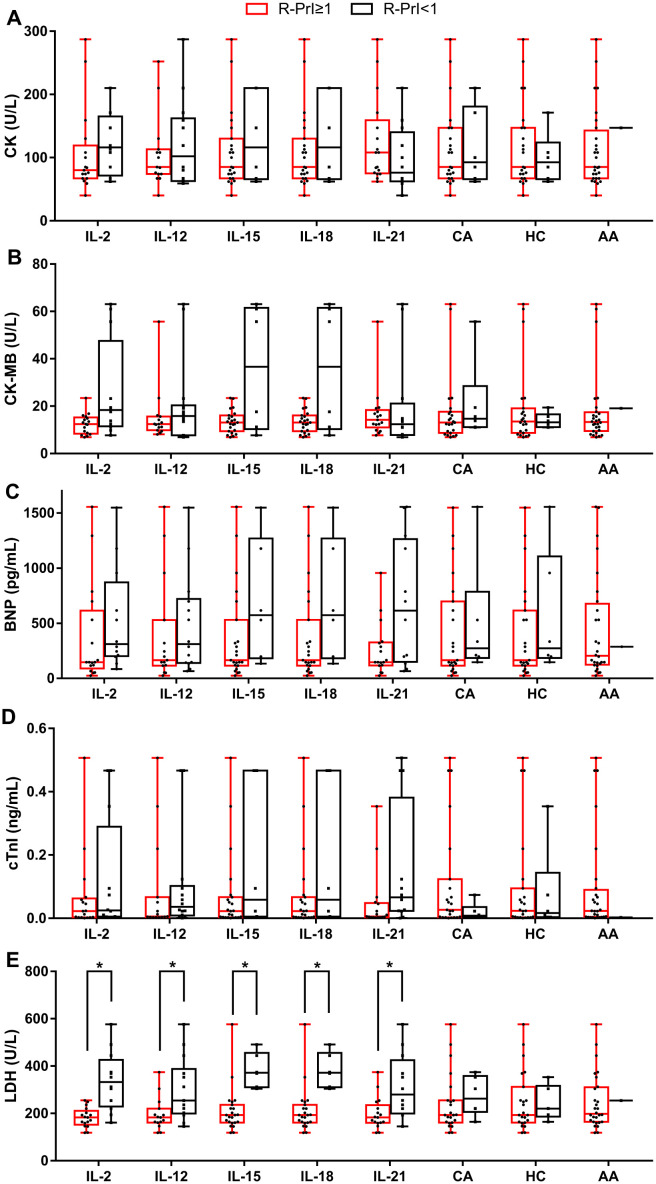 Figure 3
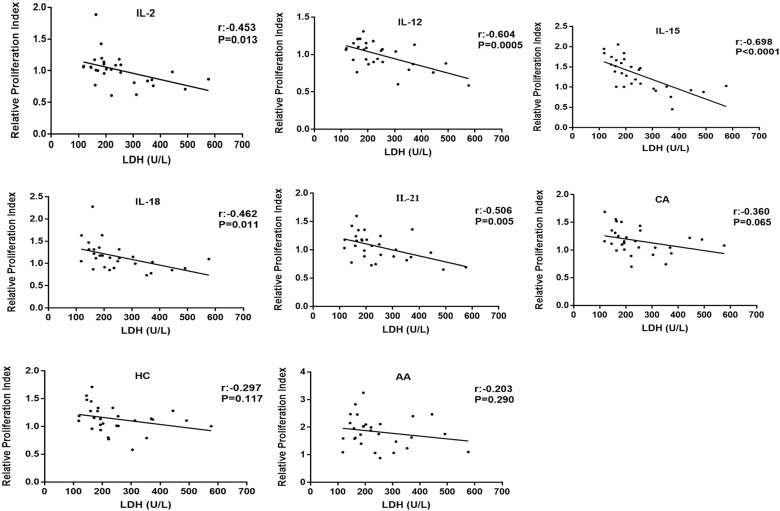 Figure 4
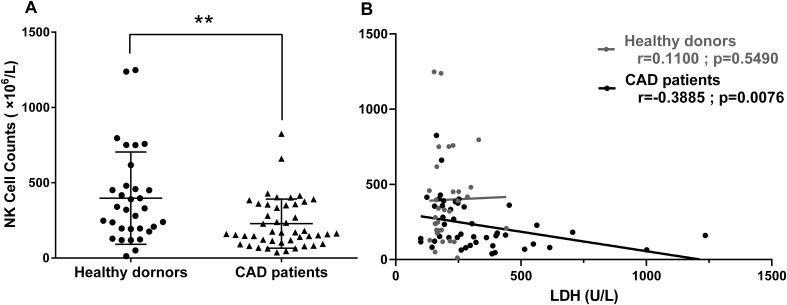 Figure 5
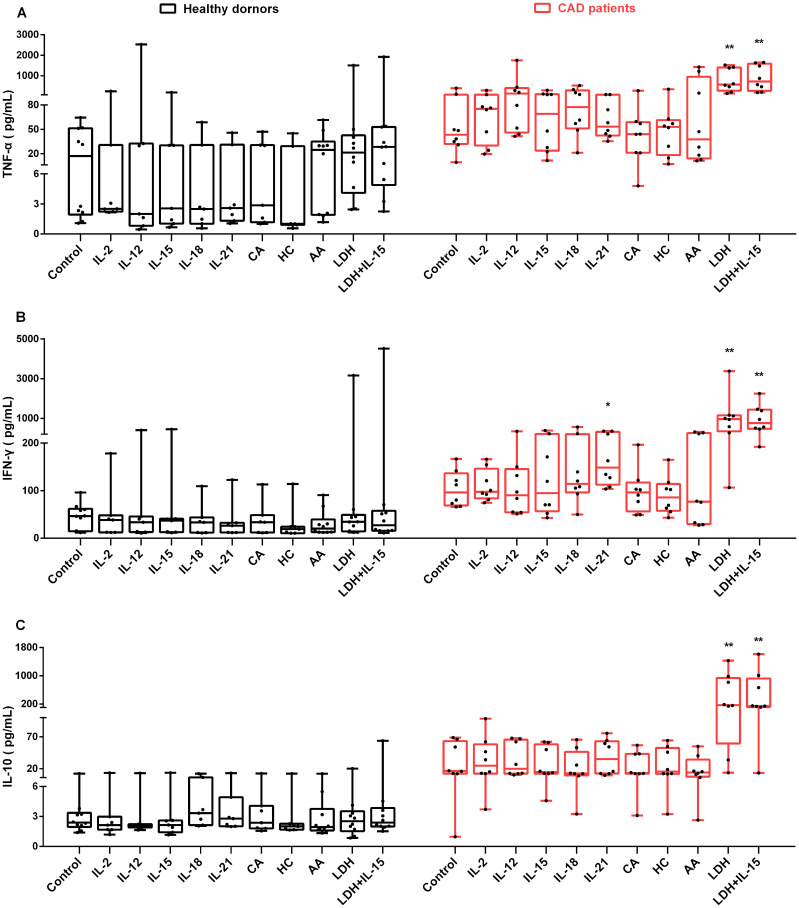 Figure 6
Peer Reviews
No public reviews on file for this paper yet. If you reviewed it on a platform where reviews are public (OpenReview, ICLR, NeurIPS, ICML), you can paste yours below so the community can read it here.
Videos
No videos yet. Explain this paper in a talk, walkthrough, or lecture? Add one.
Taxonomy
TopicsImmune Cell Function and Interaction · Vitamin C and Antioxidants Research · Exercise and Physiological Responses