AI-based cluster analysis enables outcomes prediction among patients with increased LVM
Ranel Loutati, Yotam Kolben, David Luria, Offer Amir, Yitschak Biton

TL;DR
This study uses AI to identify four distinct groups of patients with increased left ventricular mass, each with different risks and characteristics, improving outcomes prediction.
Contribution
The paper introduces a novel AI-based clustering method to classify patients with increased LVM and correlate these clusters with clinical outcomes.
Findings
Four distinct clusters of patients with increased LVM were identified using unsupervised cluster analysis.
Each cluster showed unique clinical characteristics and significantly different risks for major cardiac events.
The method provides a more accurate way to predict outcomes compared to traditional LVH classification.
Abstract
The traditional classification of left ventricular hypertrophy (LVH), which relies on left ventricular geometry, fails to correlate with outcomes among patients with increased LV mass (LVM). To identify unique clinical phenotypes of increased LVM patients using unsupervised cluster analysis, and to explore their association with clinical outcomes. Among the UK Biobank participants, increased LVM was defined as LVM index ≥72 g/m2 for men, and LVM index ≥55 g/m2 for women. Baseline demographic, clinical, and laboratory data were collected from the database. Using Ward's minimum variance method, patients were clustered based on 27 variables. The primary outcome was a composite of all-cause mortality with heart failure (HF) admissions, ventricular arrhythmia, and atrial fibrillation (AF). Cox proportional hazard model and Kaplan-Meier survival analysis were applied. Increased LVM was…
Genes, proteins, chemicals, diseases, species, mutations and cell lines named across the full text — each resolved to its canonical identifier and authoritative record.
Click any figure to enlarge with its caption.
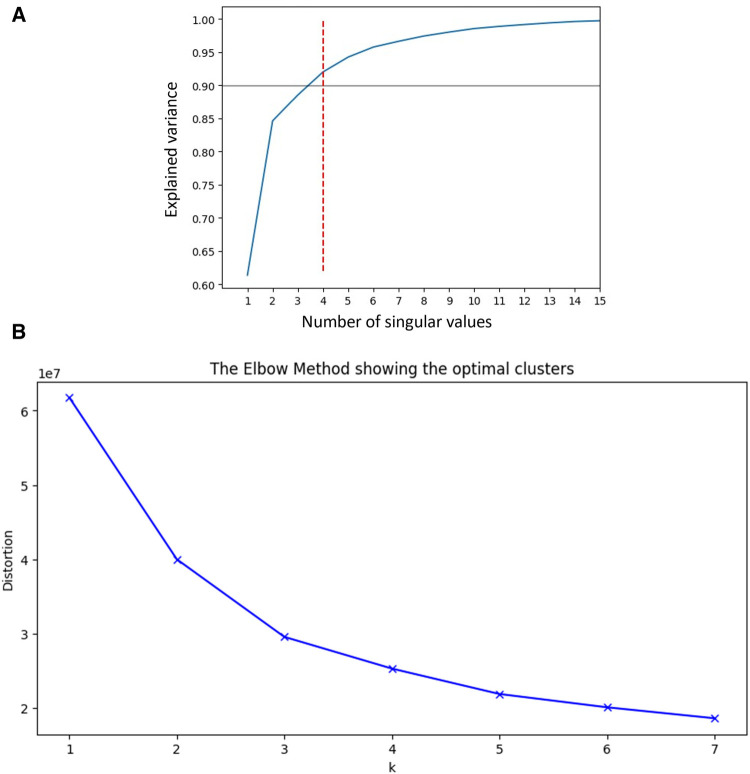 Figure 1
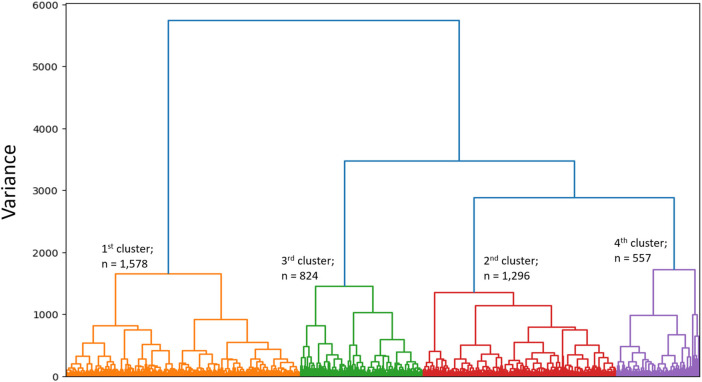 Figure 2
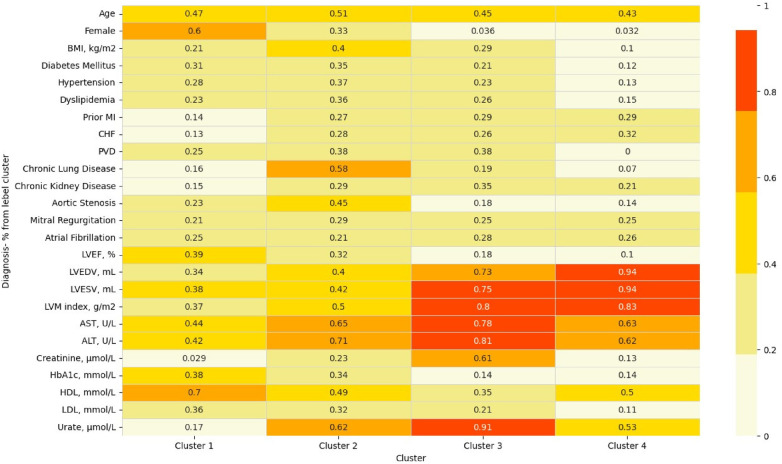 Figure 3
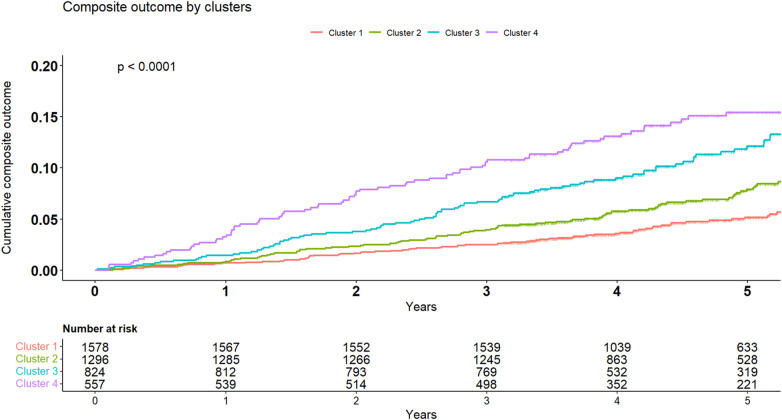 Figure 4
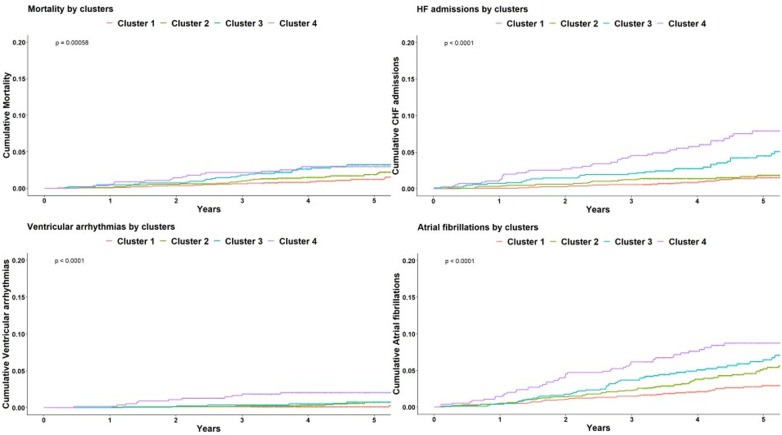 Figure 5
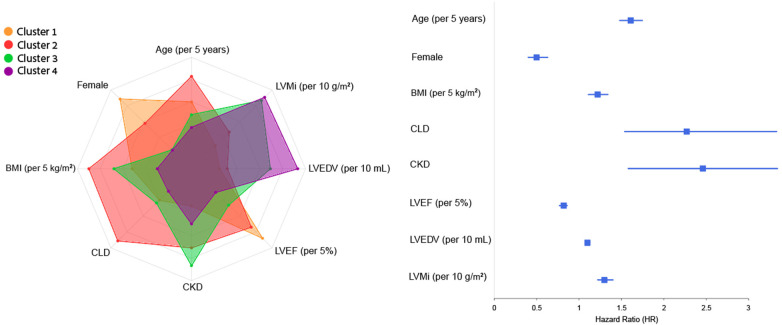 Figure 6
Peer Reviews
No public reviews on file for this paper yet. If you reviewed it on a platform where reviews are public (OpenReview, ICLR, NeurIPS, ICML), you can paste yours below so the community can read it here.
Videos
No videos yet. Explain this paper in a talk, walkthrough, or lecture? Add one.
Taxonomy
TopicsCardiovascular Function and Risk Factors · Blood Pressure and Hypertension Studies · Genetic Associations and Epidemiology