Usefulness of fat attenuation index in postmortem CT for identifying responsible vessels in acute coronary syndromes: A case report
Tomoya Kobayashi, Junji Mochizuki, Kazuya Tashiro, Hajime Saitou, Masahiro Yoshida, Kazunori Kaga, Ryusei Inamori, Hideyuki Hayakawa, Takahisa Okuda, Yoshikazu Okamoto

TL;DR
This case report shows how the fat attenuation index in postmortem CT can help identify coronary arteries responsible for sudden cardiac death.
Contribution
This is the first case to demonstrate the effectiveness of FAI in postmortem CT for diagnosing acute coronary syndromes.
Findings
FAI values were -57 HU in the RCA, -73 HU in the LAD, and -64 HU in the LCX.
Autopsy confirmed significant stenosis in the RCA and LCX, aligning with elevated FAI in the RCA.
FAI in PMCT can noninvasively detect coronary artery inflammation and identify responsible vessels.
Abstract
Postmortem imaging, particularly unenhanced postmortem computed tomography (PMCT), has been increasingly utilized for pathological or judicial examination as a substitute for conventional autopsy, to compensate very low autopsy rates. While unenhanced PMCT has a limitation in diagnosing acute coronary syndromes, the fat attenuation index (FAI) which is a novel imaging biomarker measured by clinical coronary CT angiography (CCTA), has been known to noninvasively detect coronary artery inflammation. We investigated the postmortem diagnostic usefulness of perivascular FAI measured by CCTA in a 61-year-old male who died suddenly after chest pain. PMCT and autopsy were conducted 92 hours after death. FAI measurement results were -57 Hounsfield units (HU) in the right coronary artery (RCA), -73 HU in the left anterior descending artery (LAD), and -64 HU in the left circumflex artery (LCX).…
Genes, proteins, chemicals, diseases, species, mutations and cell lines named across the full text — each resolved to its canonical identifier and authoritative record.
Click any figure to enlarge with its caption.
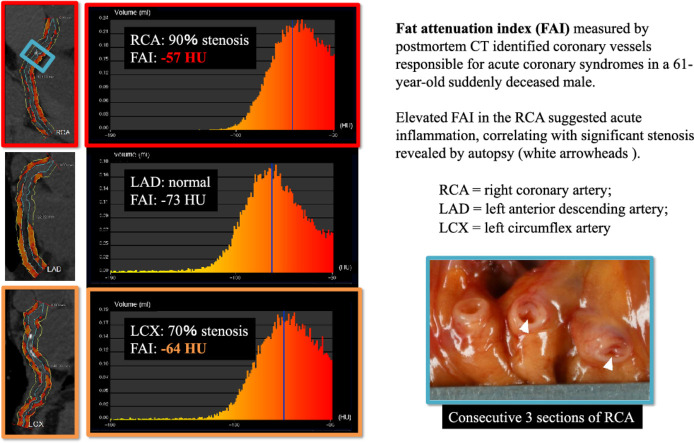 Figure 1
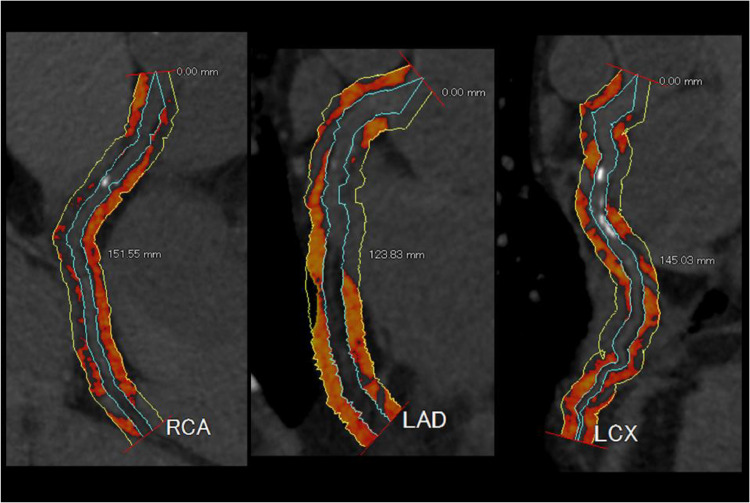 Figure 2
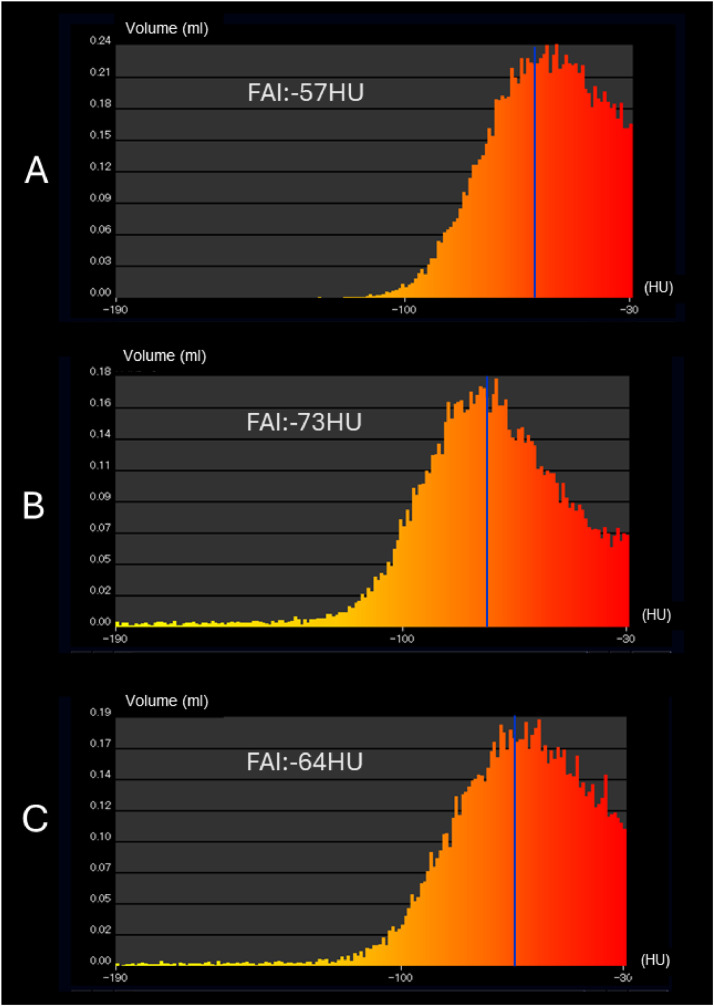 Figure 3
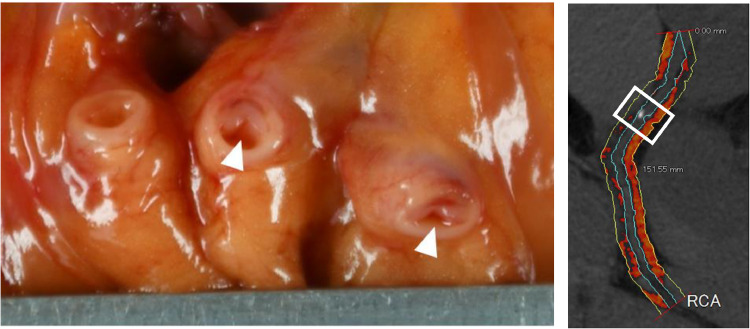 Figure 4
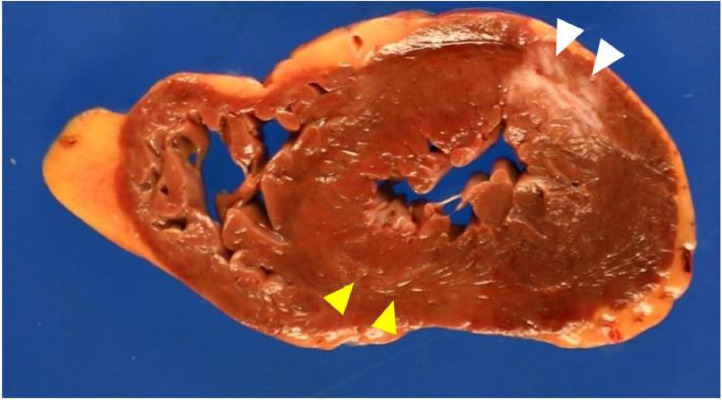 Figure 5
Peer Reviews
No public reviews on file for this paper yet. If you reviewed it on a platform where reviews are public (OpenReview, ICLR, NeurIPS, ICML), you can paste yours below so the community can read it here.
Videos
No videos yet. Explain this paper in a talk, walkthrough, or lecture? Add one.
Taxonomy
TopicsCardiovascular Disease and Adiposity · Cardiac Imaging and Diagnostics · Cardiovascular Effects of Exercise