Comparison of Different Doses of Pregabalin to Prevent Succinylcholine-Initiated Fasciculations and Myalgia in Patients Under General Anesthesia: A Randomised Controlled Study
Malavika Sasidharan, Renuka Holyachi, Pratibha S D

TL;DR
This study compares low and high doses of pregabalin to reduce muscle twitching and pain caused by a common anesthetic drug, finding that higher doses are more effective.
Contribution
The study introduces a novel comparison of two pregabalin doses for mitigating succinylcholine-induced fasciculations and myalgia during anesthesia.
Findings
Higher doses of pregabalin (150 mg) were more effective than lower doses (75 mg) in reducing fasciculations and myalgia.
Pregabalin prolonged the time until patients needed pain medication compared to placebo.
Pregabalin also improved hemodynamic stability and reduced pressor responses more effectively at higher doses.
Abstract
Background Succinylcholine (SCh) is the most commonly used muscle relaxant during endotracheal intubation, and it is known to cause fasciculations and postoperative myalgia. Pregabalin is structurally similar to the neurotransmitter gamma-aminobutyric acid (GABA), which is known to reduce SCh-induced fasciculations and myalgia. Materials and methods This study was conducted on patients who underwent surgery under general anesthesia. A total of 201 patients of both genders were assigned to one of the following groups: Group PL (pregabalin low dose) received cap pregabalin 75 mg, Group PH (pregabalin high dose) received cap pregabalin 150 mg, and Group P (placebo) received saccharine pill 10 mg, administered two hours prior to surgery. Results Both the incidence and severity of fasciculations and myalgia were reduced in patients who received pregabalin compared to the placebo group…
Genes, proteins, chemicals, diseases, species, mutations and cell lines named across the full text — each resolved to its canonical identifier and authoritative record.
Click any figure to enlarge with its caption.
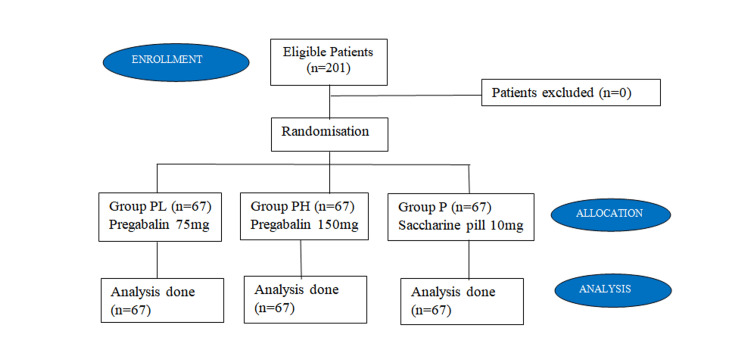 Figure 1
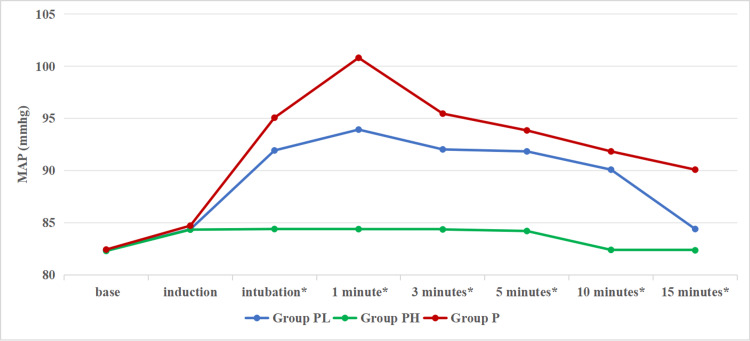 Figure 2
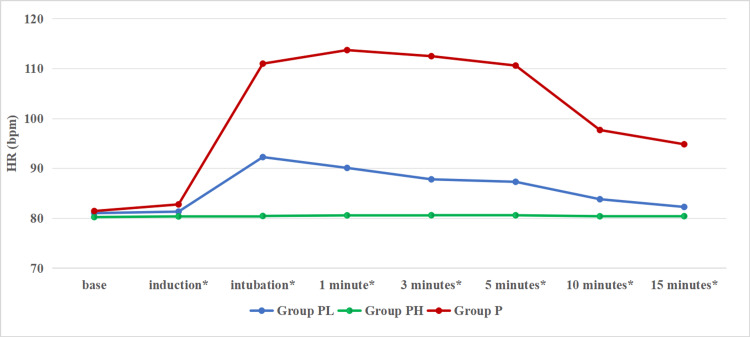 Figure 3
Peer Reviews
No public reviews on file for this paper yet. If you reviewed it on a platform where reviews are public (OpenReview, ICLR, NeurIPS, ICML), you can paste yours below so the community can read it here.
Videos
No videos yet. Explain this paper in a talk, walkthrough, or lecture? Add one.
Taxonomy
TopicsAnesthesia and Pain Management · Anesthesia and Sedative Agents · Nausea and vomiting management