Deciphering the Mutilation: Skillful Orthodontic Treatment Using Temporary Anchorage Devices and Asymmetric Extractions for a Patient With a Knife-Edge Ridge
Hitesh Ramdas Sawant, Parag Vishnu Gangurde, Shashank Sharad Gaikwad, Harsh Ashok Mishra, Vaishnavi Ravindra Kasarpatil, Diksha Vinod Wali, Shreya Kiran Koleshwar

TL;DR
This paper presents a case study showing how TADs and asymmetric extractions can effectively treat severe dental issues in adults.
Contribution
The novel contribution is demonstrating a successful orthodontic approach using TADs for a patient with a knife-edge ridge and mutilated dentition.
Findings
TADs enabled precise control of tooth movement in a complex case of dental mutilation.
Asymmetric extractions combined with TADs restored both aesthetics and functional occlusion.
The case highlights the effectiveness of TADs in managing severe malocclusion in adults.
Abstract
One of the biggest challenges in orthodontic management of adult patients is the presence of mutilated dentition, which is characterized by severe tooth loss and subsequent tipping of adjacent teeth or extruding of antagonists, worsening the malocclusion. As they offer a solid anchor for intricate tooth movement, temporary anchorage devices (TADs) have proven invaluable to orthodontic treatment. In this case study, we highlight the importance of TADs in getting the best possible treatment outcomes while describing the effective management of a patient with mutilated dentition. TADs made it possible to control tooth movement precisely, restoring esthetics and functional occlusion. This case report emphasizes the value of TADs in contemporary orthodontic practice and shows their potential for correcting mutilated dentition.
Genes, proteins, chemicals, diseases, species, mutations and cell lines named across the full text — each resolved to its canonical identifier and authoritative record.
Click any figure to enlarge with its caption.
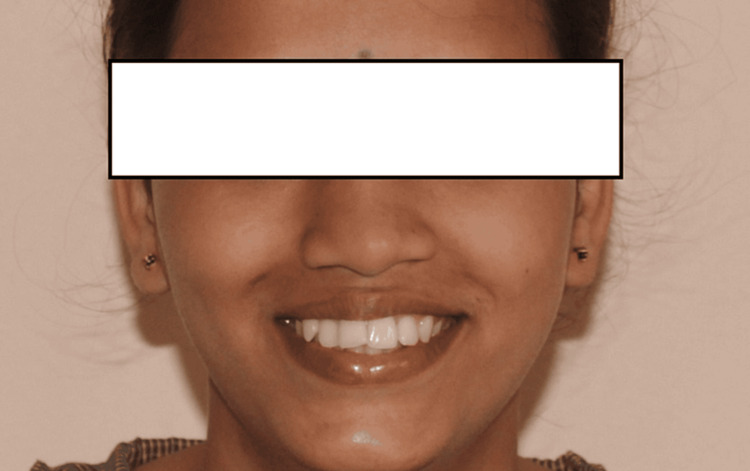 Figure 1
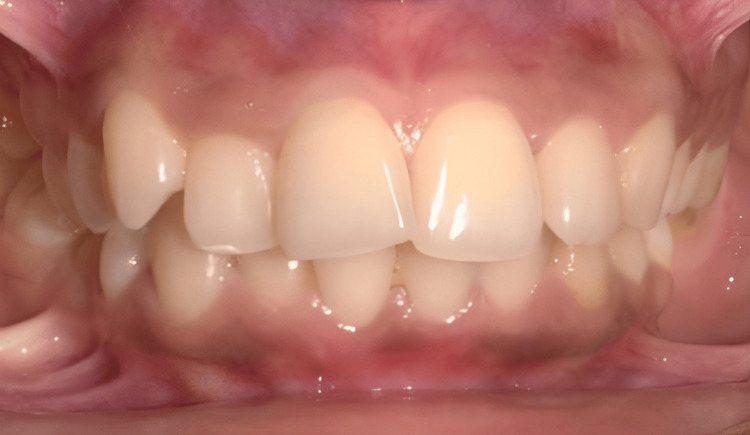 Figure 2
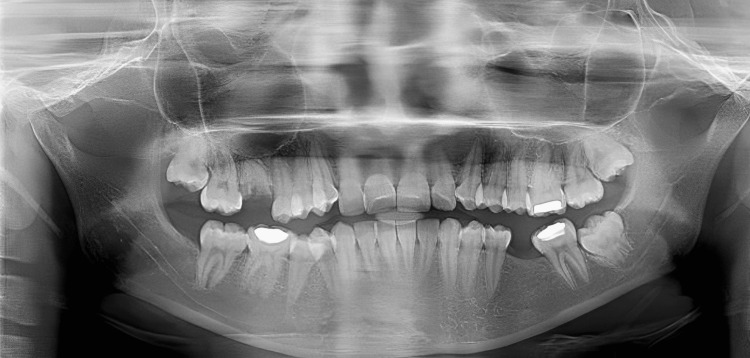 Figure 3
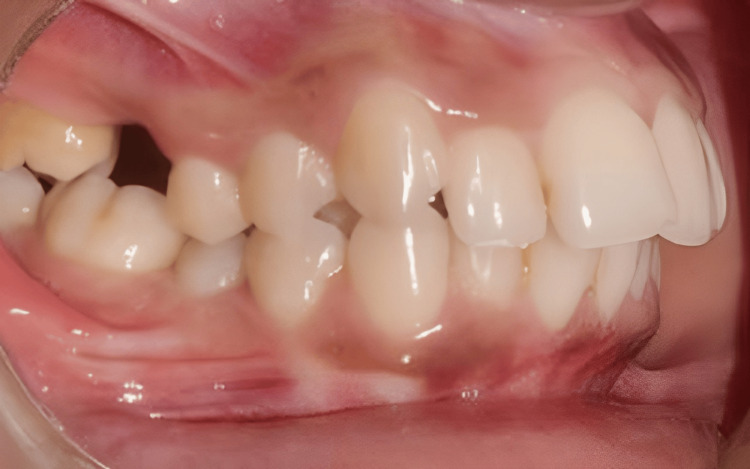 Figure 4
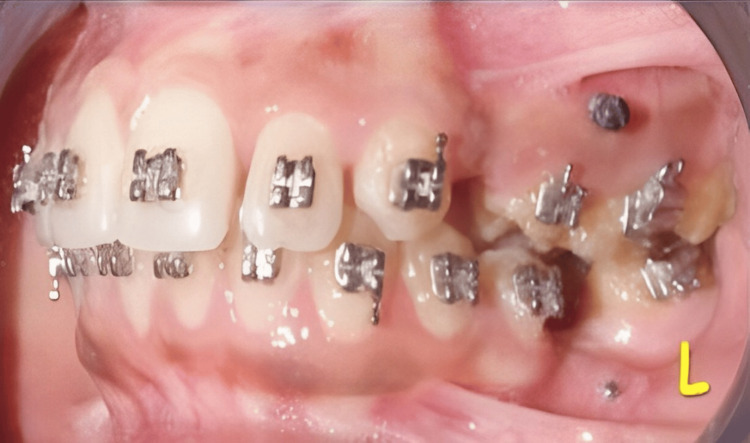 Figure 5
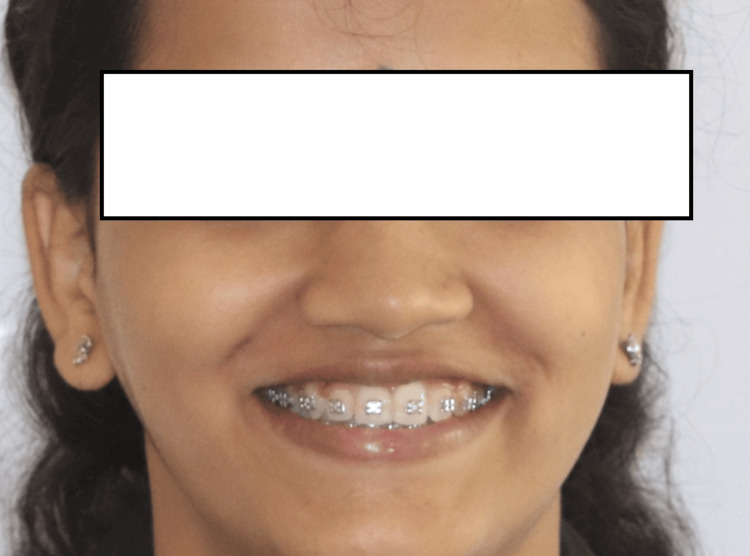 Figure 6
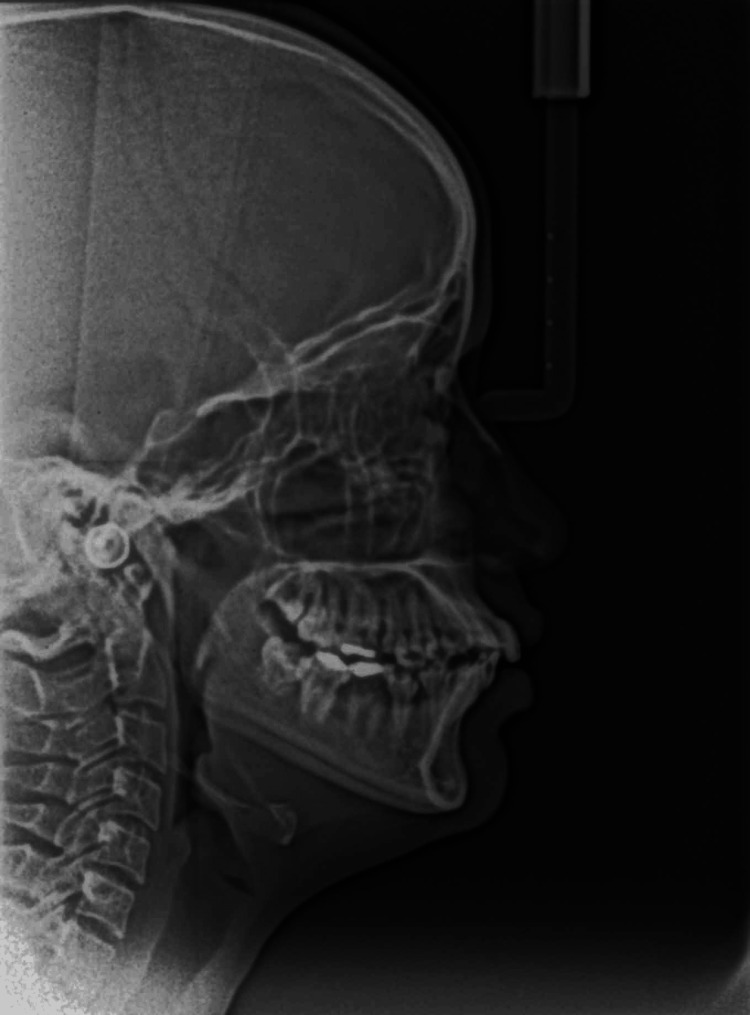 Figure 7
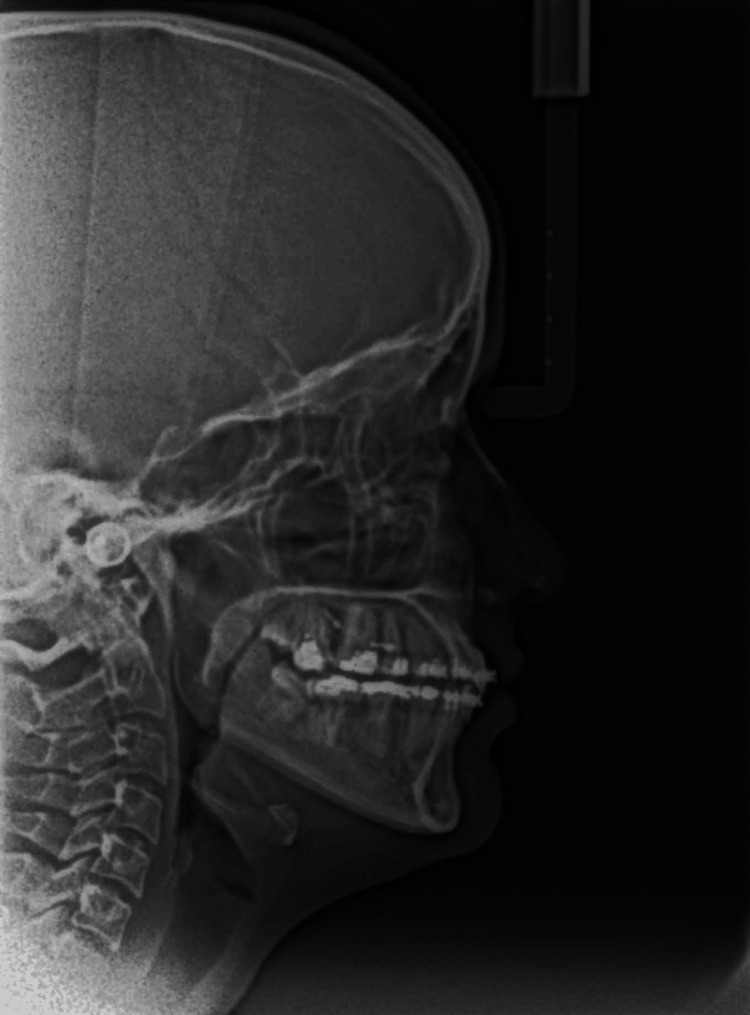 Figure 8
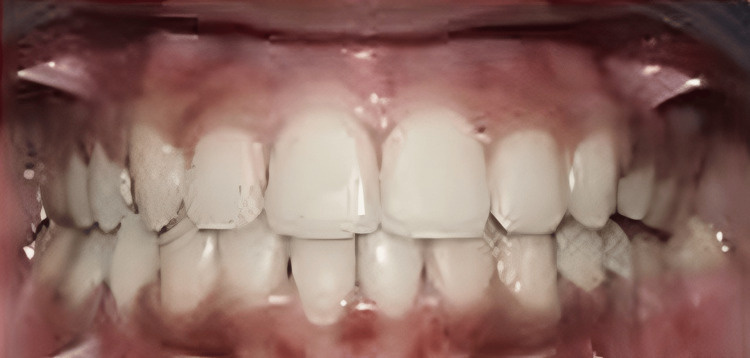 Figure 9
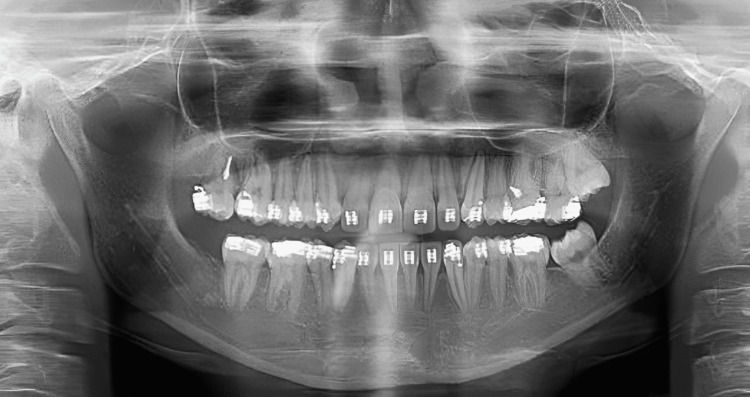 Figure 10
Peer Reviews
No public reviews on file for this paper yet. If you reviewed it on a platform where reviews are public (OpenReview, ICLR, NeurIPS, ICML), you can paste yours below so the community can read it here.
Videos
No videos yet. Explain this paper in a talk, walkthrough, or lecture? Add one.
Taxonomy
TopicsOrthodontics and Dentofacial Orthopedics · Temporomandibular Joint Disorders · dental development and anomalies