Persistent hydrocephalus following posterior fossa tuberculoma removal in pediatrics: A case report from a referral center in Indonesia
Vega Pangaribuan, Muhammad Arifin Parenrengi, Wihasto Suryaningtyas

TL;DR
This case report describes a 4-year-old child who developed persistent hydrocephalus after surgical removal of a posterior fossa tuberculoma, highlighting the challenges in diagnosing and managing CNS tuberculosis in pediatrics.
Contribution
The paper presents a rare case of posterior fossa tuberculoma in a pediatric patient and discusses the complication of persistent hydrocephalus following surgery.
Findings
Posterior fossa tuberculoma can lead to obstructive hydrocephalus requiring urgent surgical intervention.
Persistent hydrocephalus after tuberculoma removal may indicate underlying tuberculous meningoencephalitis.
Early diagnosis and monitoring are crucial for managing CNS tuberculoma in children.
Abstract
The threat posed by tuberculosis persists in developing countries. Individuals under the age of five were more likely to develop central nervous system (CNS) tuberculosis. CNS Tuberculoma of the posterior fossa has rarely been reported, and its consequences are more devastating due to the limited space of the posterior fossa. A 4-year old male was referred to our academic general hospital with main complaint of decreased consciousness for the last 3 days. The patient has experienced a low-grade fever, cough, and an enlarging neck tumor for two months. Any contact with confirmed tuberculosis patients was denied by the family. A suspected cerebellar abscess and obstructive hydrocephalus led to the patient's referral. Urgent evacuation of the posterior fossa mass was conducted, revealing a histopathological diagnosis of tuberculoma. After the procedure, the patient experienced seizures…
Genes, proteins, chemicals, diseases, species, mutations and cell lines named across the full text — each resolved to its canonical identifier and authoritative record.
Click any figure to enlarge with its caption.
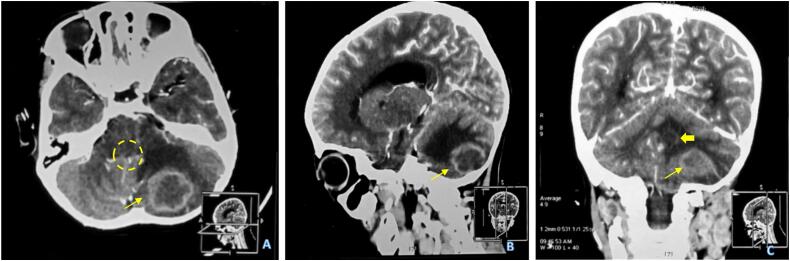 Figure 1
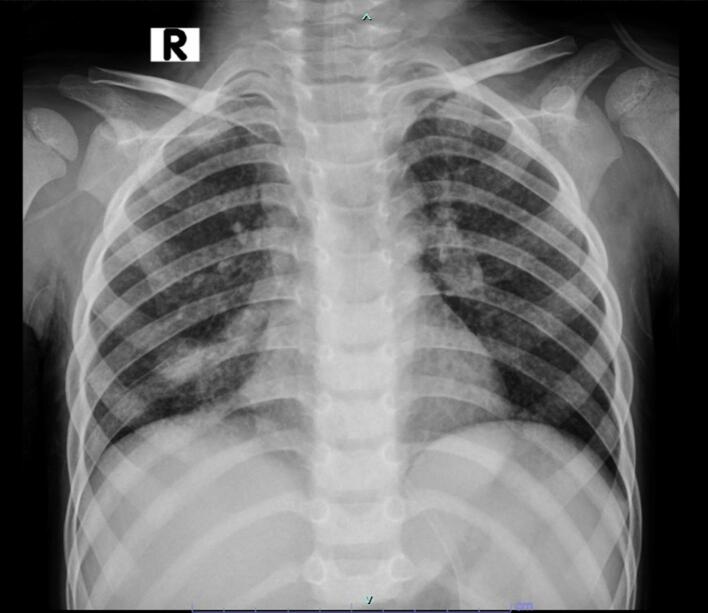 Figure 2
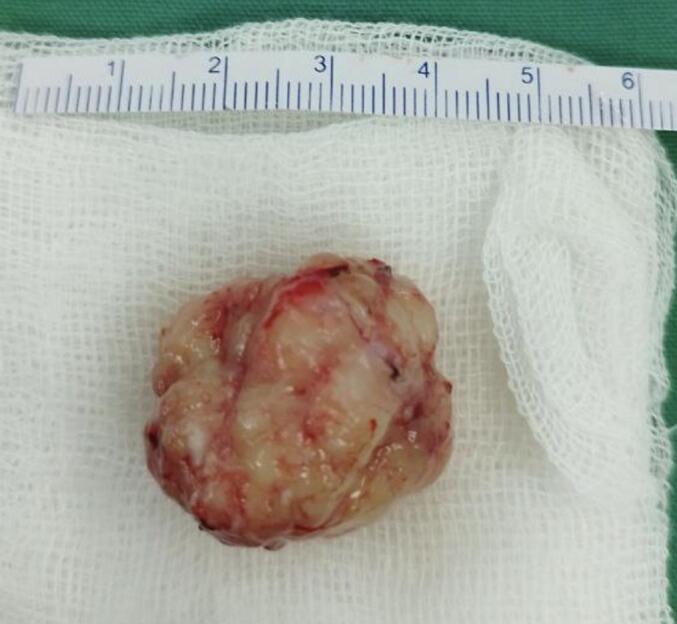 Figure 3
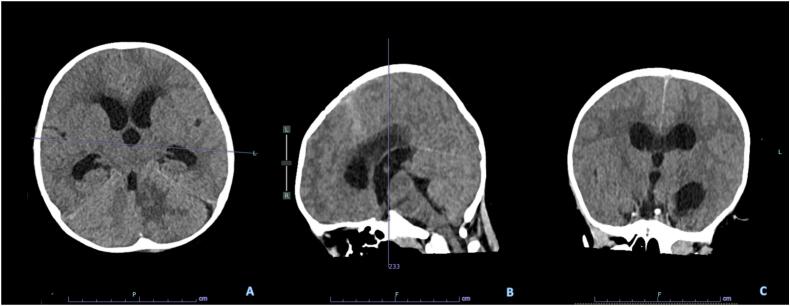 Figure 4
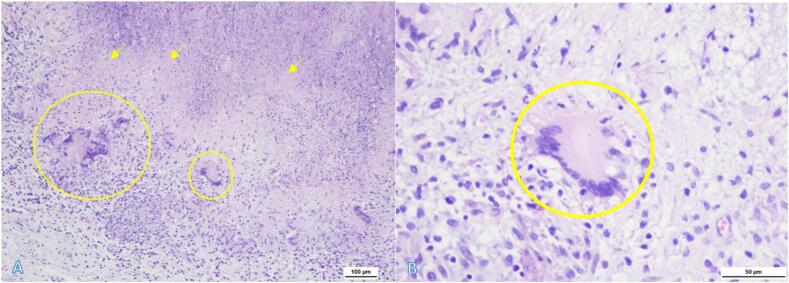 Figure 5
Peer Reviews
No public reviews on file for this paper yet. If you reviewed it on a platform where reviews are public (OpenReview, ICLR, NeurIPS, ICML), you can paste yours below so the community can read it here.
Videos
No videos yet. Explain this paper in a talk, walkthrough, or lecture? Add one.
Taxonomy
TopicsInfectious Diseases and Tuberculosis · Cerebrospinal fluid and hydrocephalus · Spinal Dysraphism and Malformations