Assessment of the in vitro anti-diabetic activity with molecular dynamic simulations of limonoids isolated from Adalia lemon peels
Amal M. El-Feky, Wael Mahmoud Aboulthana, Ahmed A. El-Rashedy

TL;DR
This study explores limonoids from lemon peels for their antioxidant and anti-diabetic properties, finding that some compounds show strong potential for therapeutic use.
Contribution
The study introduces a novel evaluation of limonoids from Adalia lemon peels using in vitro and molecular dynamic simulations to assess anti-diabetic potential.
Findings
Limonin 17-O-β-D-glucopyranoside and obacunone 17-O-β-D-glucopyranoside showed the highest antioxidant and anti-diabetic activities.
Molecular dynamic simulations confirmed the stability of limonin 17-O-β-D-glucopyranoside when bound to human pancreatic alpha-amylase.
The study identifies Adalia lemon peels as a promising source of natural compounds for managing oxidative stress and carbohydrate metabolism disorders.
Abstract
Limonoids are important constituents of citrus that have a significant impact on promoting human health. Therefore, the primary focus of this research was to assess the overall limonoid content and isolate limonoids from Adalia lemon (Citrus limon L.) peels for their potential use as antioxidants and anti-diabetic agents. The levels of limonoid aglycones in the C. limon peel extract were quantified through a colorimetric assay, revealing a concentration of 16.53 ± 0.93 mg/L limonin equivalent. Furthermore, the total concentration of limonoid glucosides was determined to be 54.38 ± 1.02 mg/L. The study successfully identified five isolated limonoids, namely limonin, deacetylnomilin, nomilin, obacunone 17-O-β-D-glucopyranoside, and limonin 17-O-β-D-glucopyranoside, along with their respective yields. The efficacy of the limonoids-rich extract and the five isolated compounds was evaluated…
Genes, proteins, chemicals, diseases, species, mutations and cell lines named across the full text — each resolved to its canonical identifier and authoritative record.
Click any figure to enlarge with its caption.
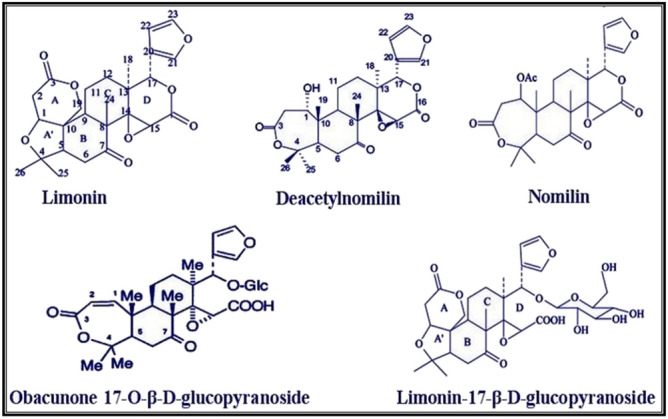 Figure 1
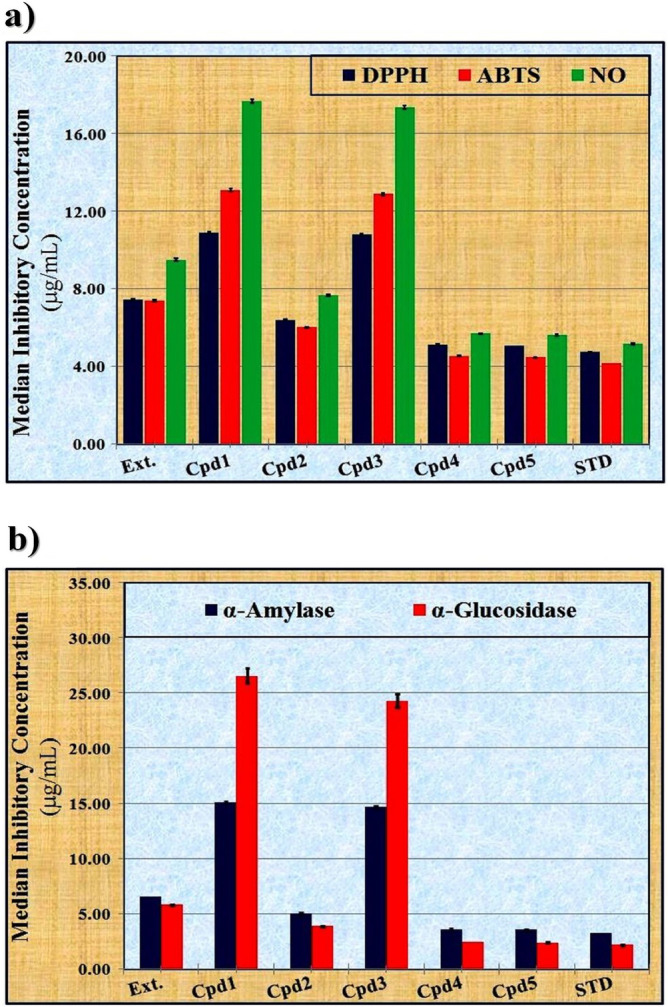 Figure 2
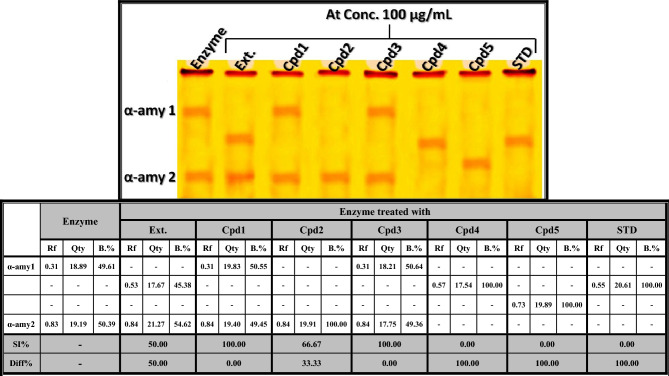 Figure 3
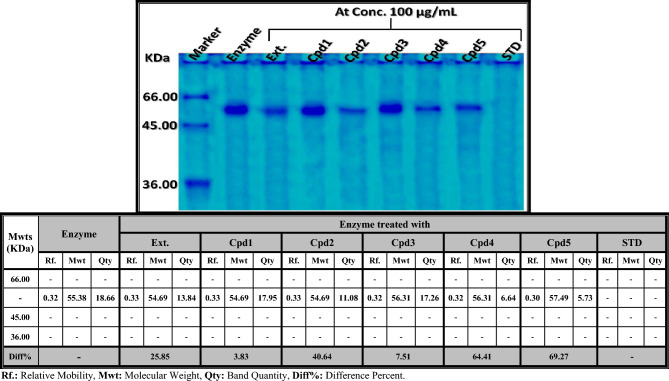 Figure 4
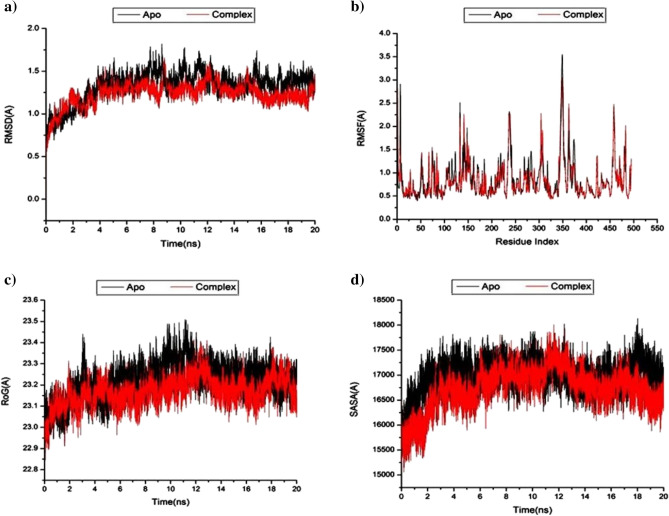 Figure 5
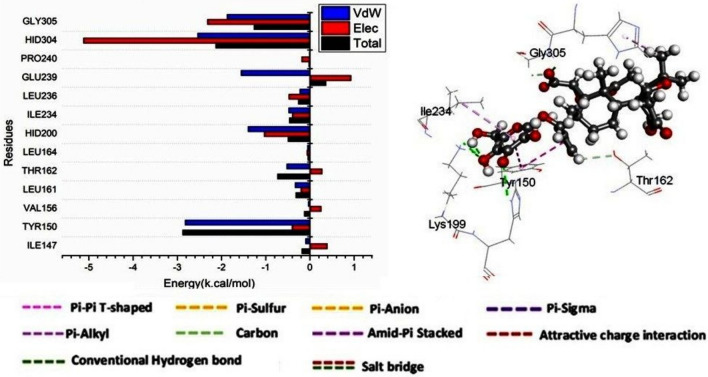 Figure 6
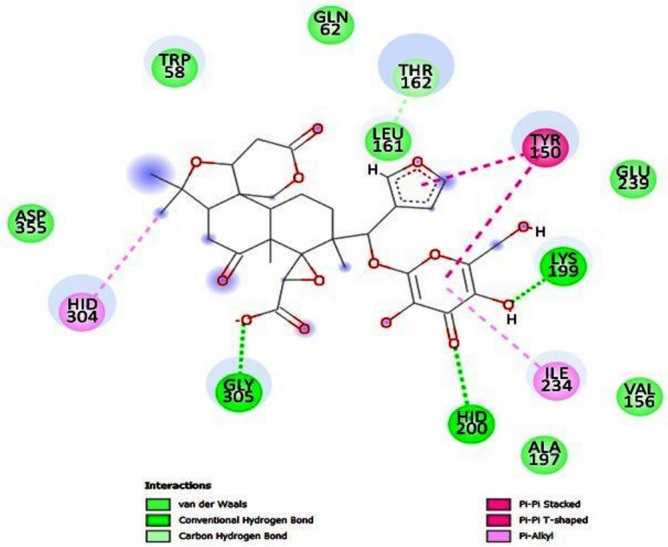 Figure 7
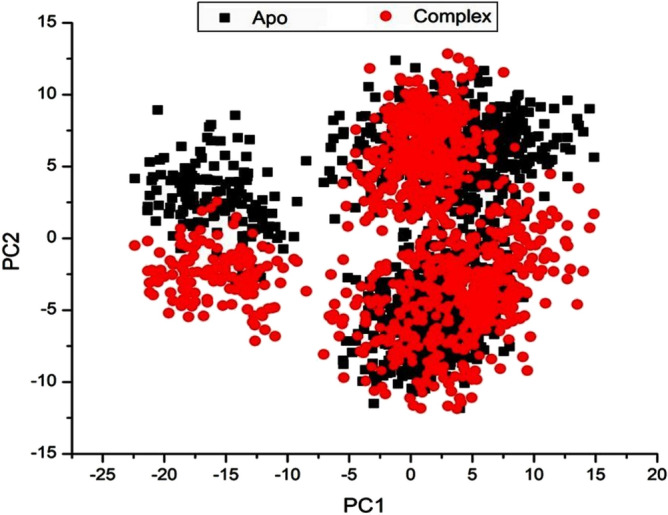 Figure 8
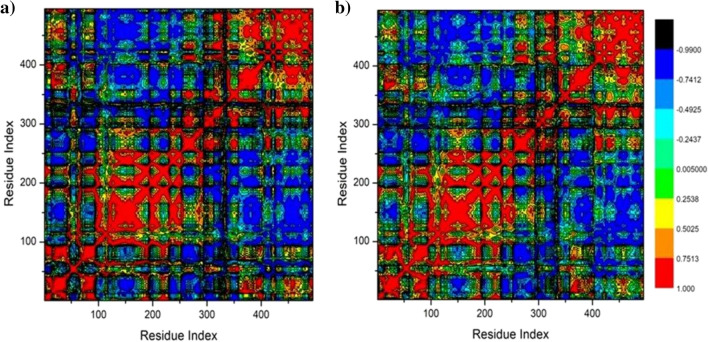 Figure 9
Peer Reviews
No public reviews on file for this paper yet. If you reviewed it on a platform where reviews are public (OpenReview, ICLR, NeurIPS, ICML), you can paste yours below so the community can read it here.
Videos
No videos yet. Explain this paper in a talk, walkthrough, or lecture? Add one.
Taxonomy
TopicsPhytochemical compounds biological activities · Synthesis and Characterization of Pyrroles · Traditional and Medicinal Uses of Annonaceae