Profiling of Humoral Immune Response in Typhoid Patients against Differentially Extracted Whole Cell Bacterial Protein Derived from S. typhi and S. spp
Khairunnisa Abdul Lateef Khan, Zainoodin Sheik Abdul Kader

TL;DR
This study characterizes immune responses in typhoid patients using bacterial proteins from Salmonella typhi and related species to identify potential diagnostic biomarkers and vaccine targets.
Contribution
The study identifies antigenic patterns recognized by different antibody isotypes in typhoid patients, offering new insights for diagnostics and vaccine development.
Findings
Western blot analysis revealed distinct antigenic bands recognized by IgM, IgG, and IgA antibodies in typhoid patients.
Three reactivity regions were identified, with the highest reactivity in proteins ≥55 kDa.
The antigenic bands show potential as biomarkers for differentiating typhoid patients from carriers and healthy individuals.
Abstract
Typhoid fever is a multiorgan infectious disease caused by Salmonella typhi. It is transmitted through fecal oral route and can be fatal without proper treatment. Therefore, early diagnosis of typhoid fever is crucial. In the previous study, we have developed TYPHOIDYNE EIA, which showed excellent synergy between the genus conserved and species-specific antigens in the serodiagnosis of typhoid fever. TYPHOIDYNE EIA can effectively detect and differentiate typhoid patients, typhoid vaccinated subjects, healthy subjects, and subjects with other febrile illnesses. Following the successful development of TYPHOIDYNE EIA, in this report, we further characterize the antigenic components of differentially extracted S. typhi and S. spp recognized by IgM, IgG, and IgA antibody isotypes in typhoid patients and possible typhoid carrier by the western blot (WB) assay. The WB characterization…
Genes, proteins, chemicals, diseases, species, mutations and cell lines named across the full text — each resolved to its canonical identifier and authoritative record.
Click any figure to enlarge with its caption.
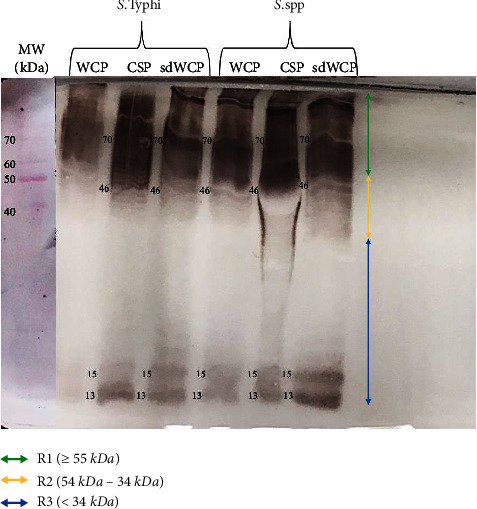 Figure 1
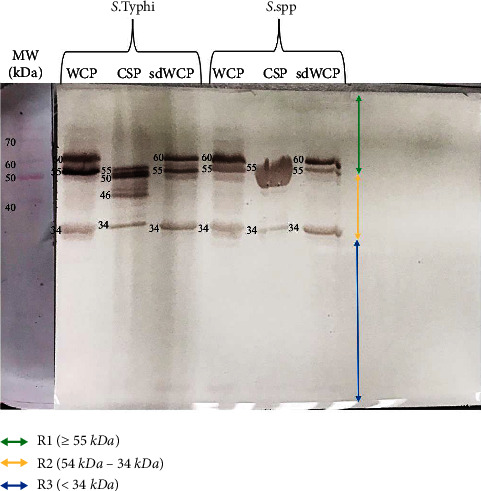 Figure 2
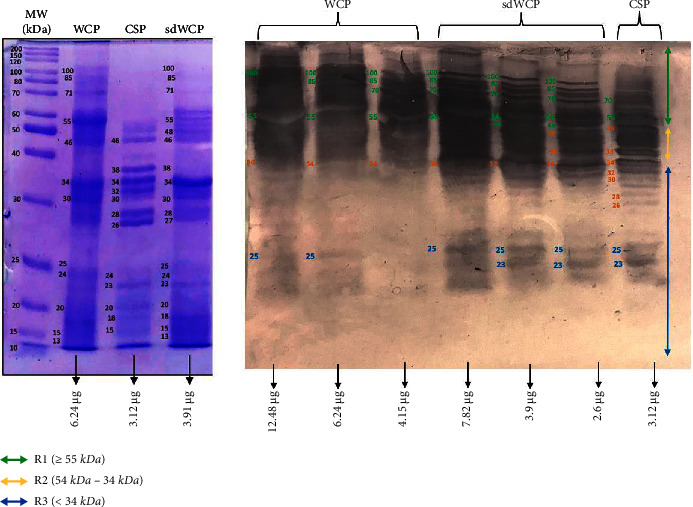 Figure 3
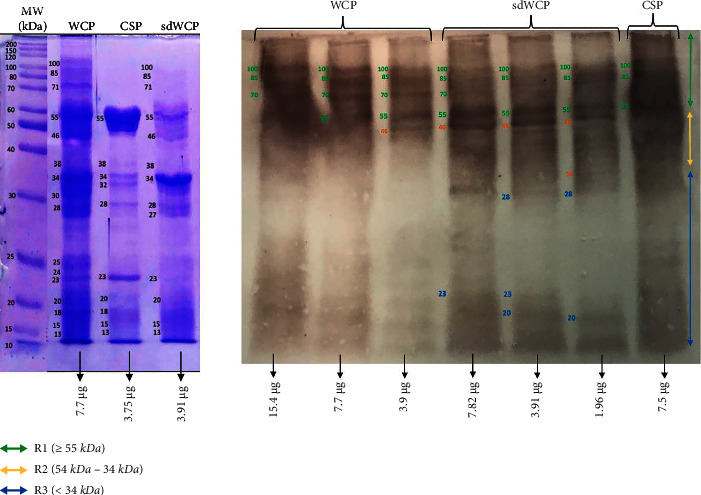 Figure 4
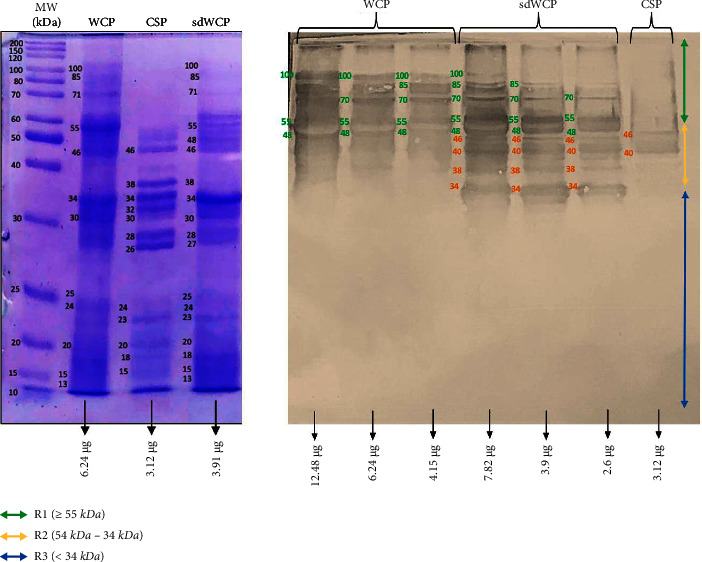 Figure 5
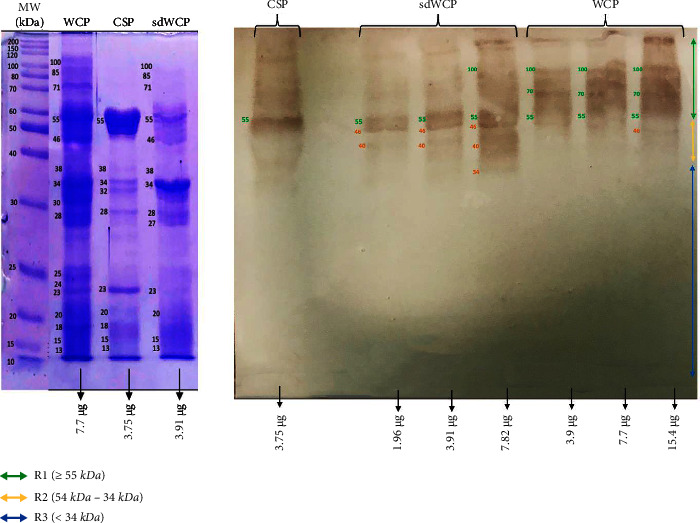 Figure 6
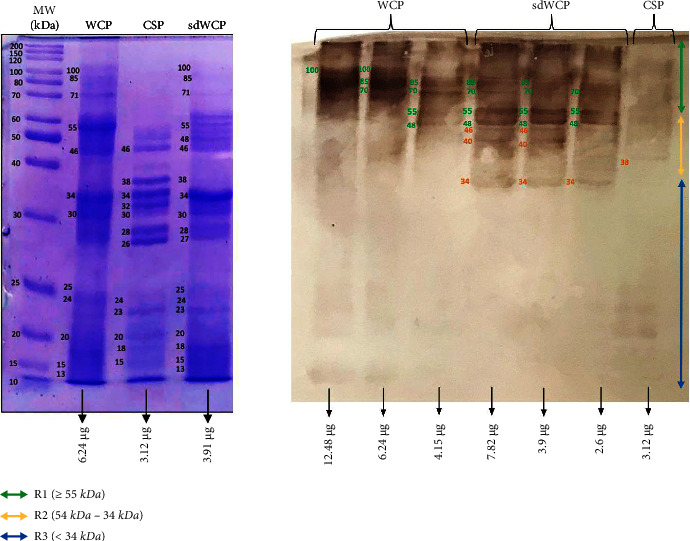 Figure 7
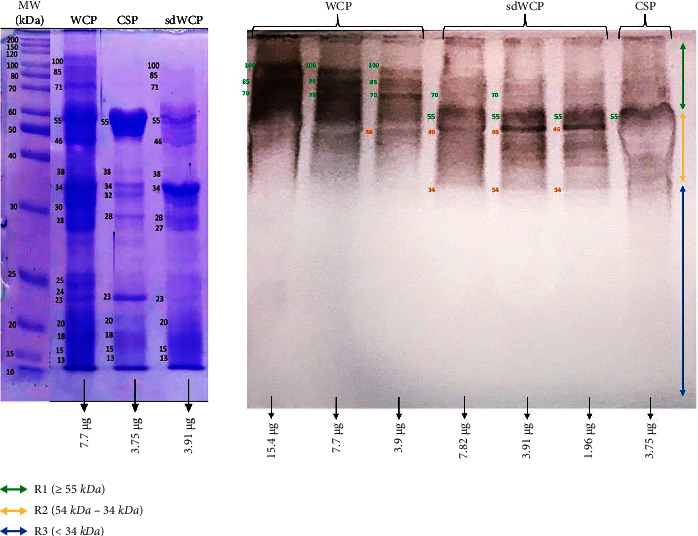 Figure 8
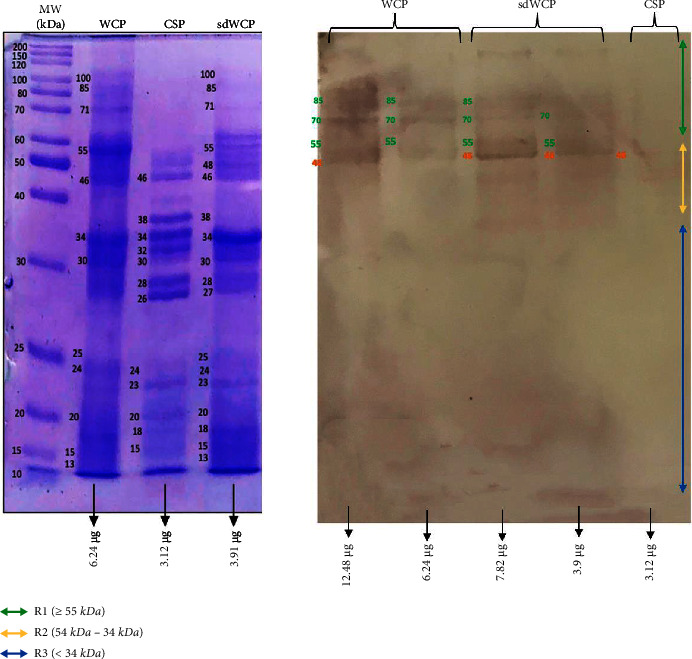 Figure 9
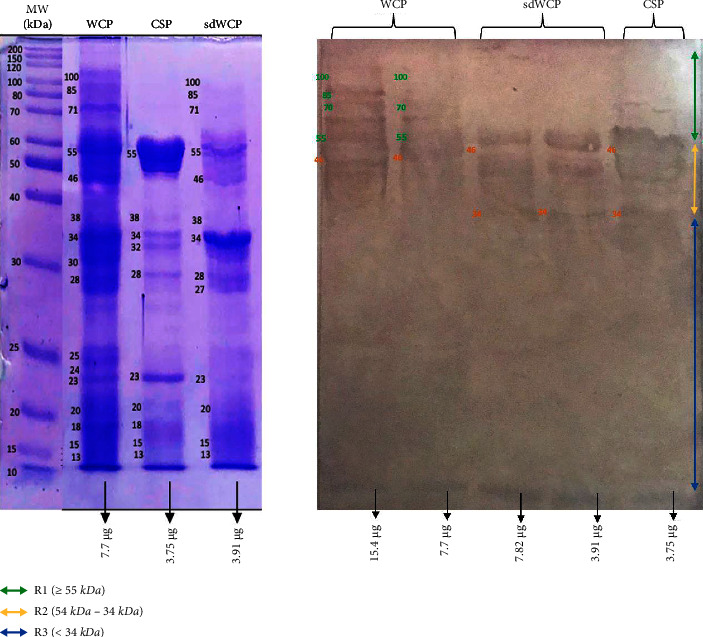 Figure 10
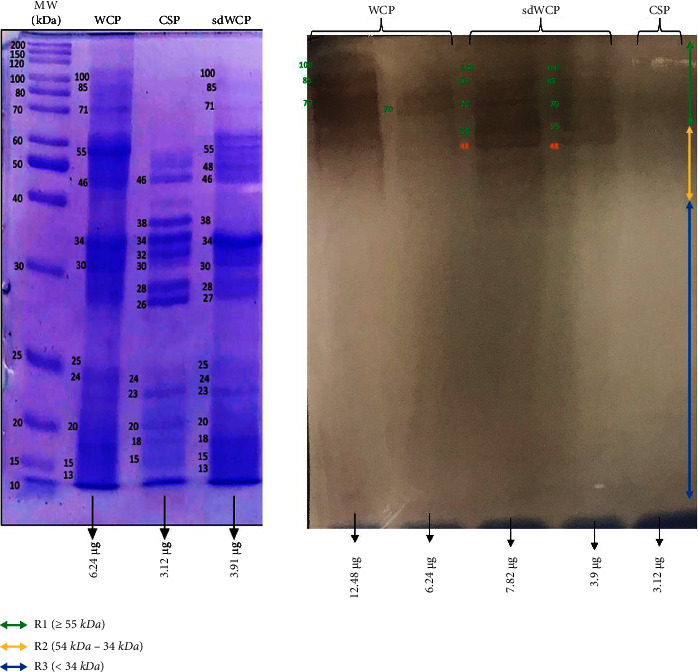 Figure 11
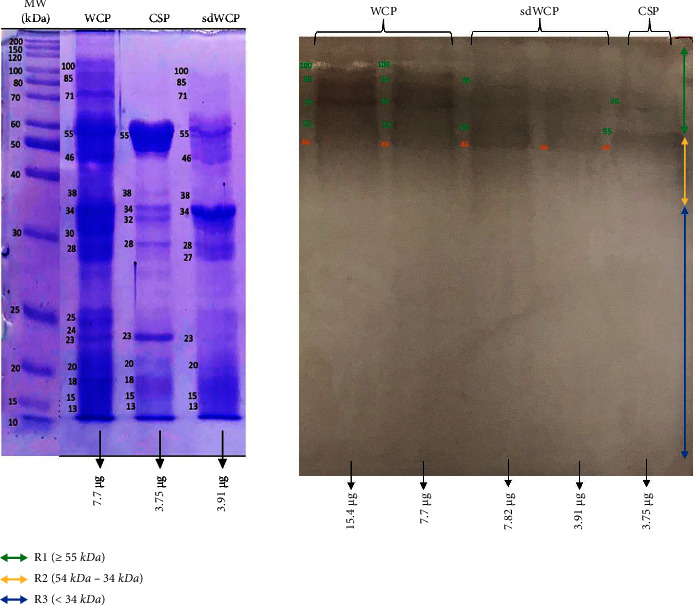 Figure 12
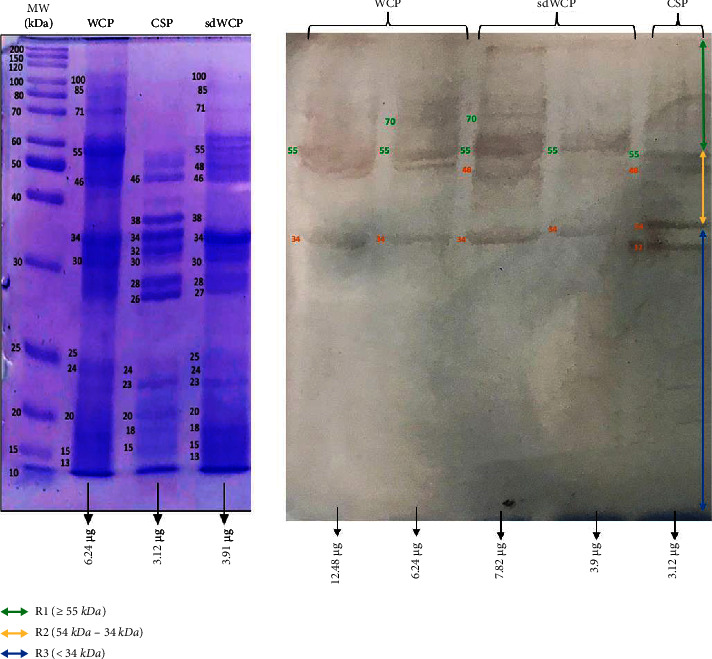 Figure 13
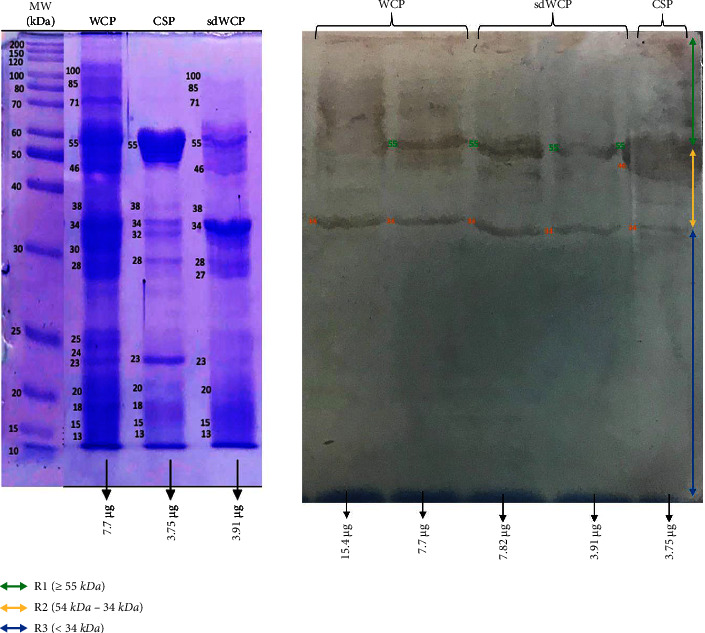 Figure 14
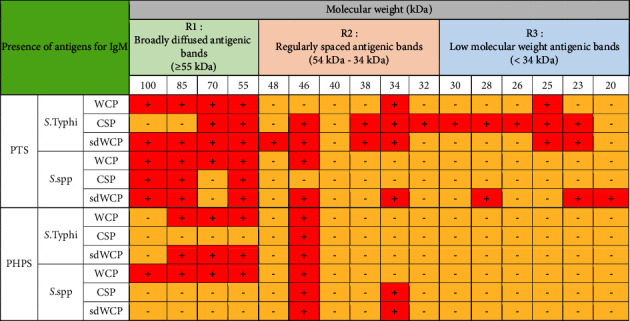 Figure 15
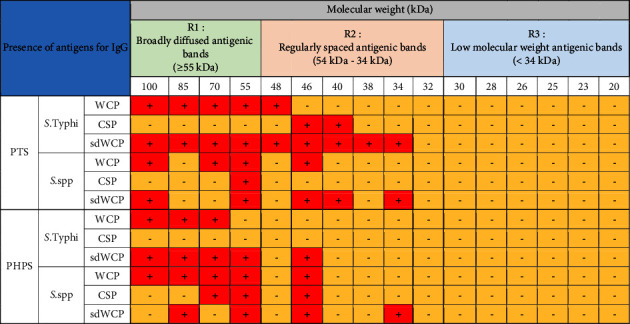 Figure 16
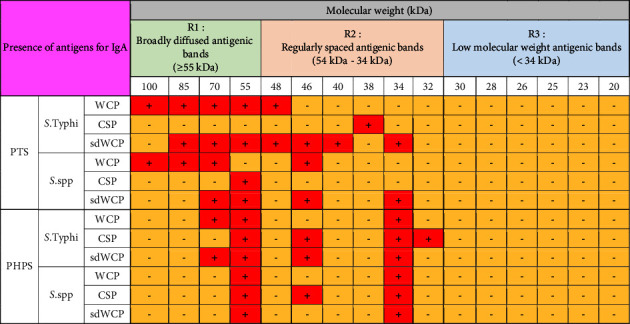 Figure 17
Peer Reviews
No public reviews on file for this paper yet. If you reviewed it on a platform where reviews are public (OpenReview, ICLR, NeurIPS, ICML), you can paste yours below so the community can read it here.
Videos
No videos yet. Explain this paper in a talk, walkthrough, or lecture? Add one.
Taxonomy
TopicsSalmonella and Campylobacter epidemiology · Clostridium difficile and Clostridium perfringens research · Viral gastroenteritis research and epidemiology