Identification and Verification of an Alternative Polyadenylation-Related lncRNA Prognostic Signature for Glioma
Hui Wang, ZhiJun Jiang

TL;DR
This paper presents a new glioma prognosis model using alternative polyadenylation-related lncRNAs, which helps assess patient outcomes and immune suppression.
Contribution
A novel lncRNA-based prognostic signature for glioma is developed, linking APA-related genes to immune suppression and patient survival.
Findings
The APA-related lncRNA model effectively separates glioma patients into high- and low-risk groups with distinct survival outcomes.
High-risk patients show increased immune suppression markers like CTLA4, LAG3, and PD1/PDL1 expression.
The model reflects immune cell infiltration and signaling pathway enrichment in cellular immunity and immune transduction.
Abstract
Due to the high mortality and modality of glioma, it was urgently needed to develop a glioma prognostic assessment system. Previous studies demonstrated that alternative polyadenylation- (APA-) related genes are important in immune response and oncogenesis. mRNA and lncRNA expression information of glioma samples were acquired from CGGA and TCGA databases, and lncRNAs associated with APA were selected through correlation analysis. The prognosis model of APA-related lncRNAs was built by the univariate Cox, random forest, and univariate Cox regression analyses. Glioma samples were assigned into high- and low-risk groups. Independence and effectiveness of the prognostic model were evaluated by Kaplan-Meier analysis, ROC curve, and Cox regression analyses. GO, KEGG enrichment, and GSEA analyses showed that the mainly involved signaling pathways were enriched in cellular immunity and immune…
Genes, proteins, chemicals, diseases, species, mutations and cell lines named across the full text — each resolved to its canonical identifier and authoritative record.
Click any figure to enlarge with its caption.
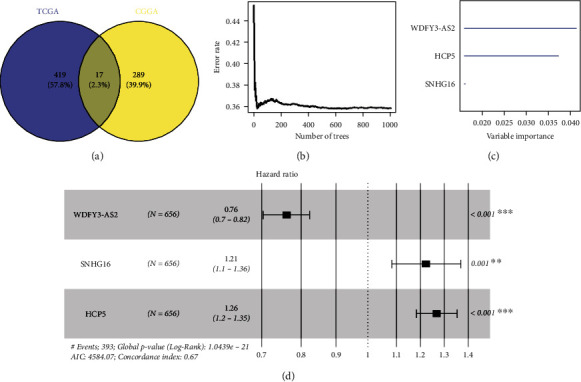 Figure 1
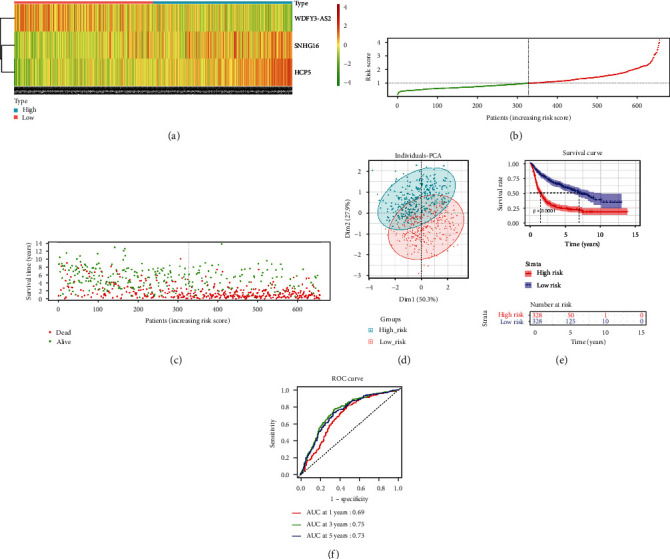 Figure 2
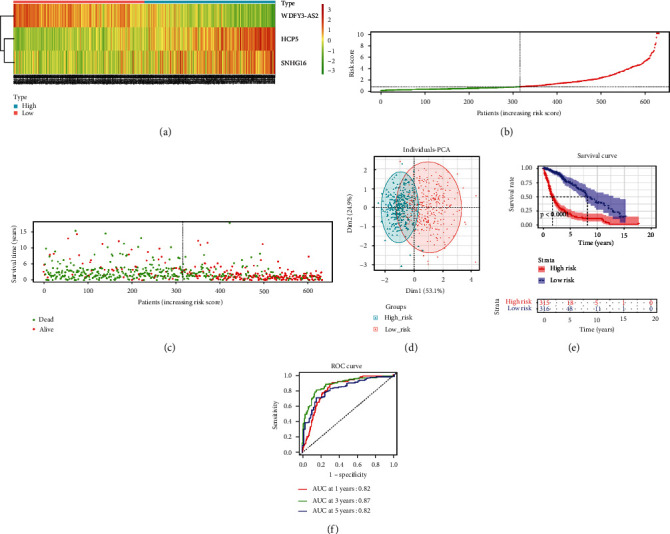 Figure 3
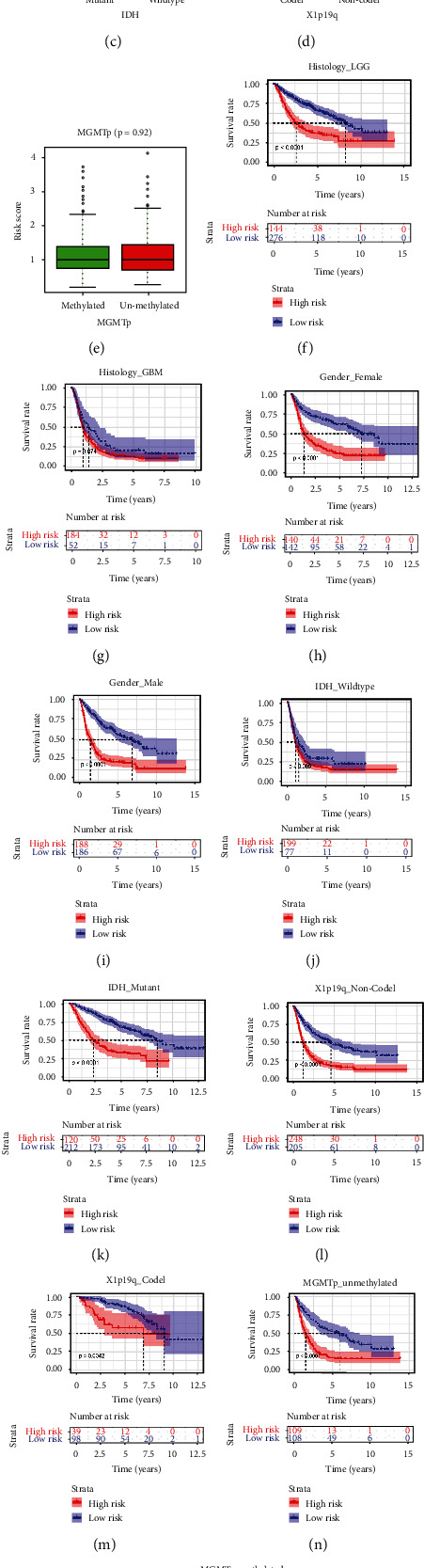 Figure 4
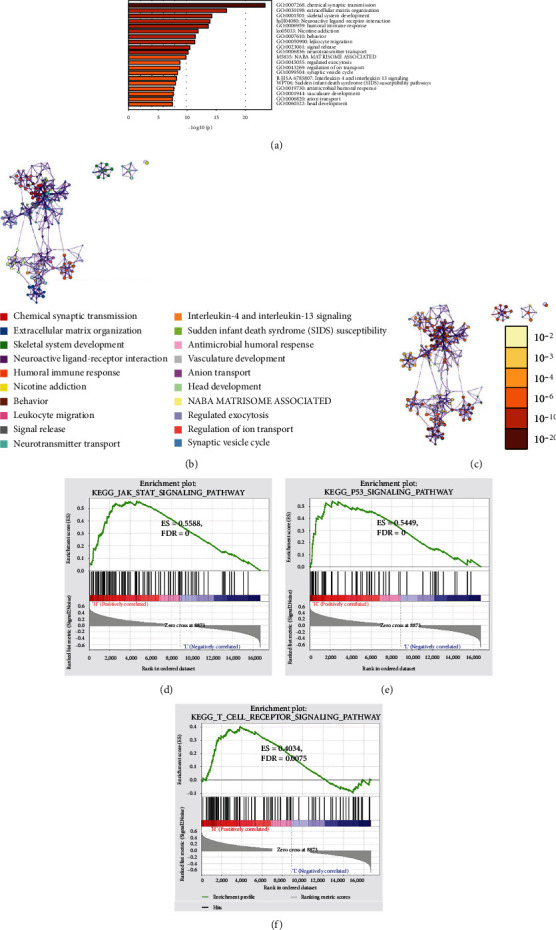 Figure 5
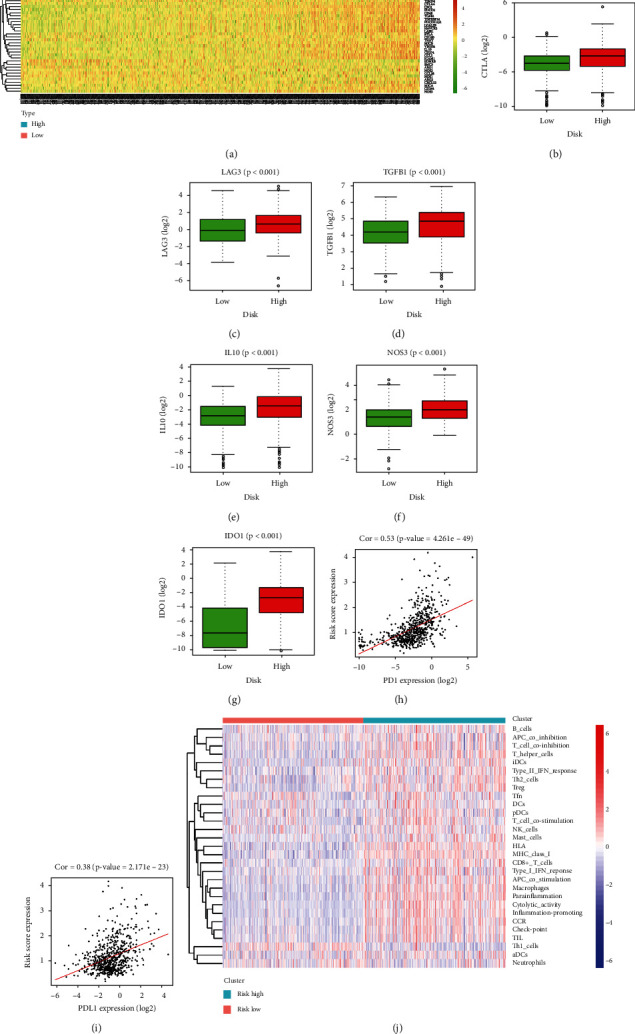 Figure 6
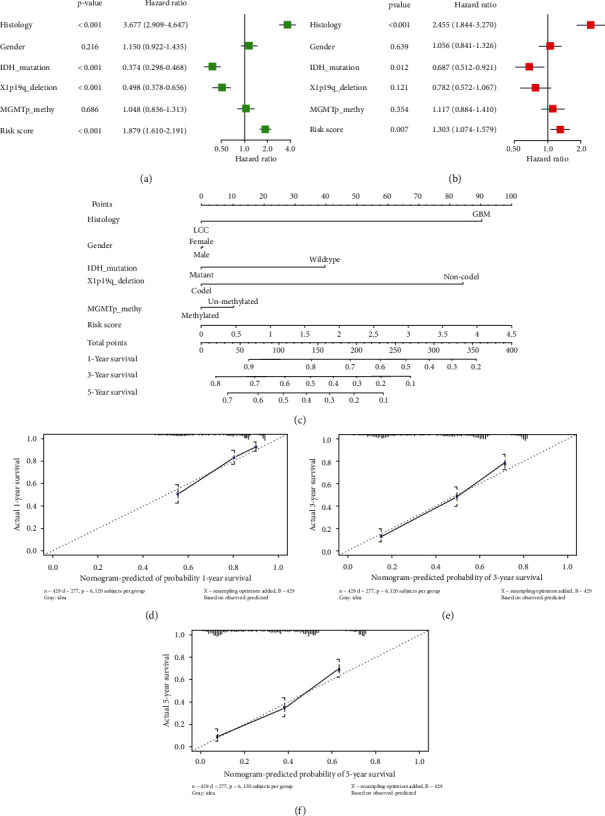 Figure 7
Peer Reviews
No public reviews on file for this paper yet. If you reviewed it on a platform where reviews are public (OpenReview, ICLR, NeurIPS, ICML), you can paste yours below so the community can read it here.
Videos
No videos yet. Explain this paper in a talk, walkthrough, or lecture? Add one.
Taxonomy
TopicsCancer-related molecular mechanisms research · RNA Research and Splicing · RNA modifications and cancer