Quantitative Crotonylome Analysis Reveals the Mechanism of Shenkang Injection on Diabetic Nephropathy
Min Wang, Bin Zhang, Chenyang Zhang, Xuelian Zhang, Shuang Tang, Guibo Sun, Xiaobo Sun

TL;DR
This study explores how Shenkang Injection helps treat diabetic nephropathy by analyzing protein crotonylation and its effects on kidney function in mice.
Contribution
The study reveals a novel mechanism of Shenkang Injection in diabetic nephropathy through quantitative crotonylome analysis.
Findings
Shenkang Injection ameliorated hyperglycemia and renal biochemical parameters in diabetic db/db mice.
Crotonylated proteins regulated by SKI are linked to oxidoreductase activity and oxidative phosphorylation.
SKI enhanced antioxidant capacity and regulated oxidative phosphorylation complex proteins.
Abstract
Shenkang injection (SKI) has been widely used in the clinical treatment of chronic kidney diseases in China because of its efficacy and safety. However, the underlying mechanism of SKI in diabetic nephropathy (DN) remains unclear. The present study aimed to investigate the renoprotective effects and possible mechanisms of SKI in diabetic db/db mice. We showed that SKI ameliorated hyperglycemia and abnormal renal biochemical parameters in db/db mice. Crotonylome and subsequent bioinformatics analyses indicated that the molecular functions of the significantly different crotonylated proteins regulated by SKI were closely related to oxidoreductase activity and oxidative phosphorylation might be one of the main pathways through which SKI functions in DN. Subsequent PRM validation of the selected crotonylated proteins confirmed these findings. In addition, we determined that SKI could…
Genes, proteins, chemicals, diseases, species, mutations and cell lines named across the full text — each resolved to its canonical identifier and authoritative record.
Click any figure to enlarge with its caption.
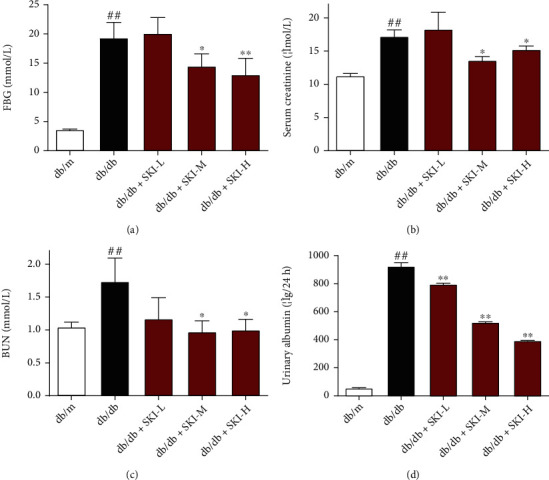 Figure 1
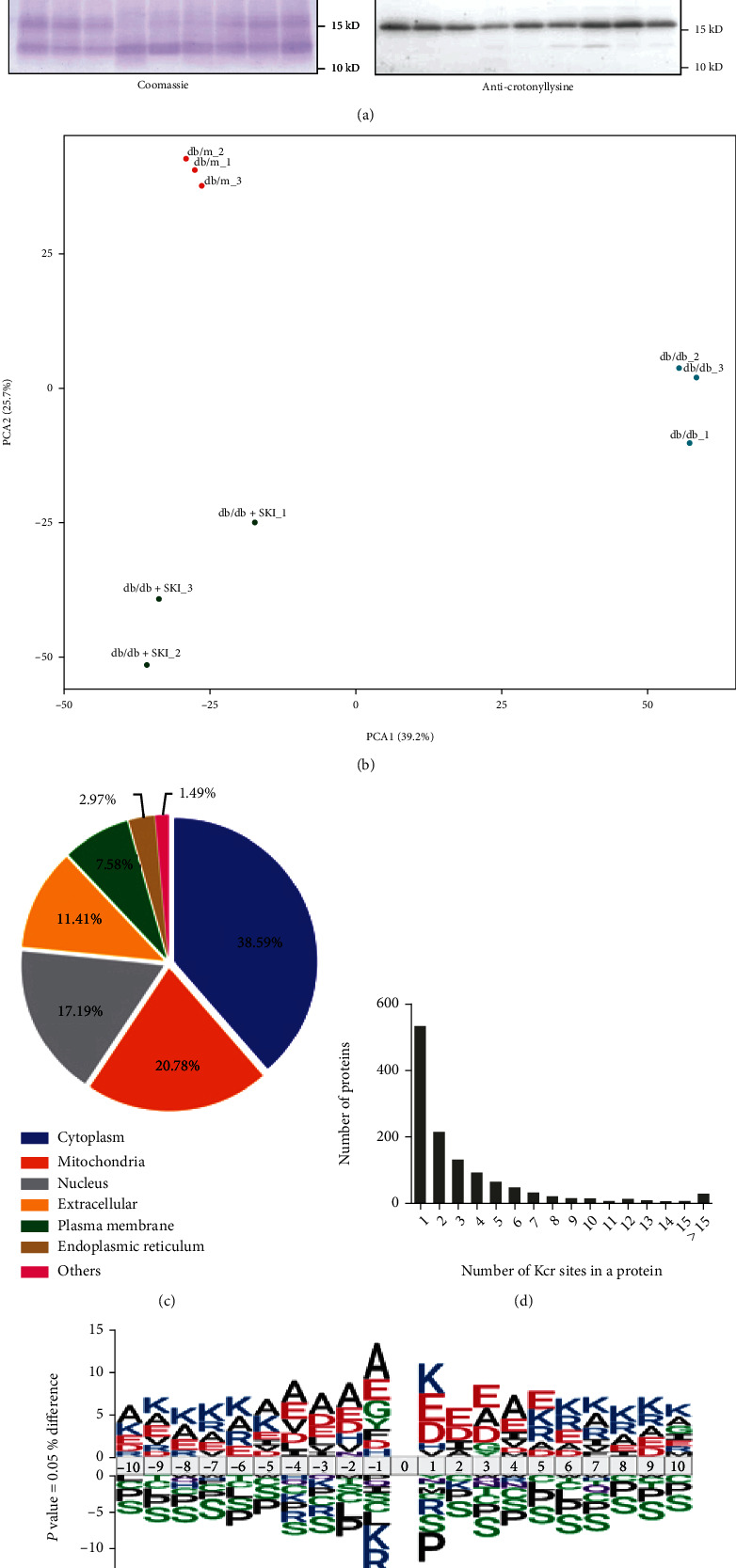 Figure 2
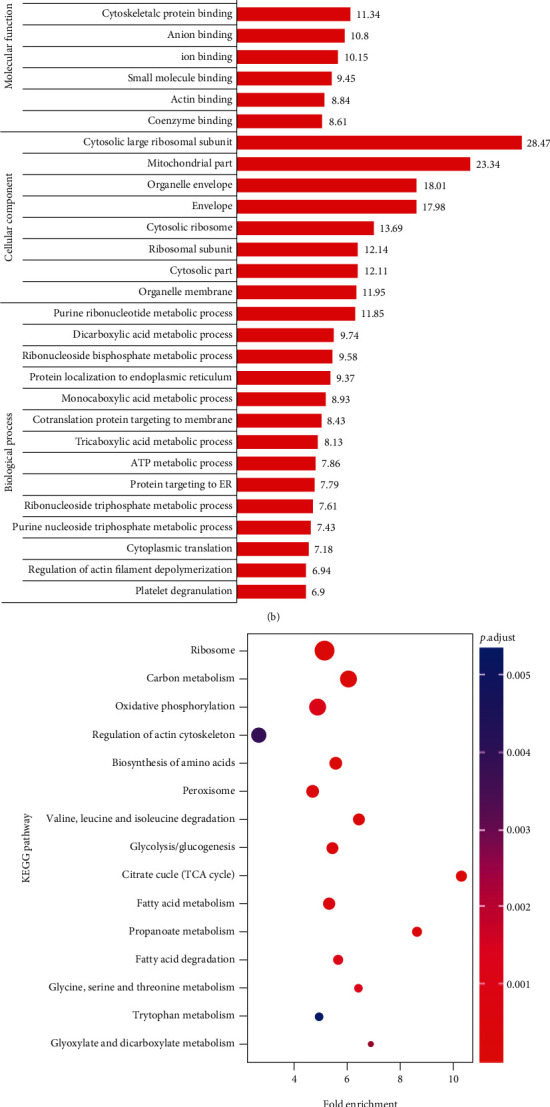 Figure 3
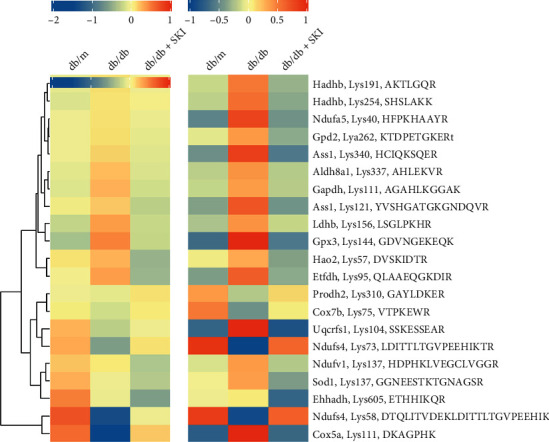 Figure 4
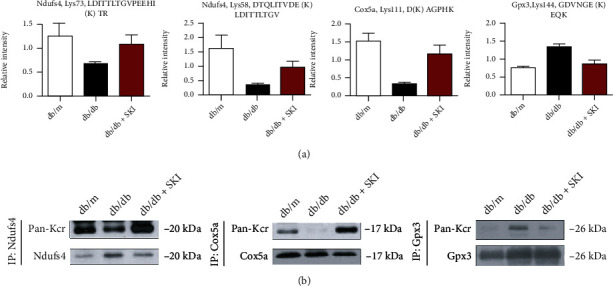 Figure 5
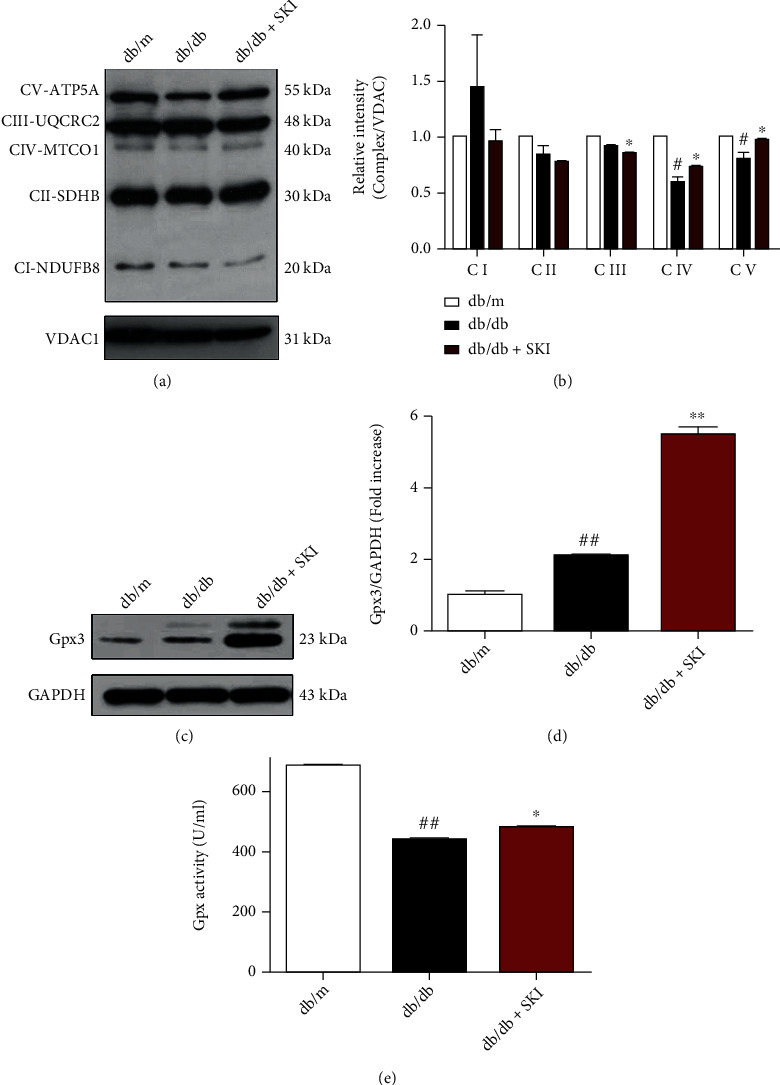 Figure 6
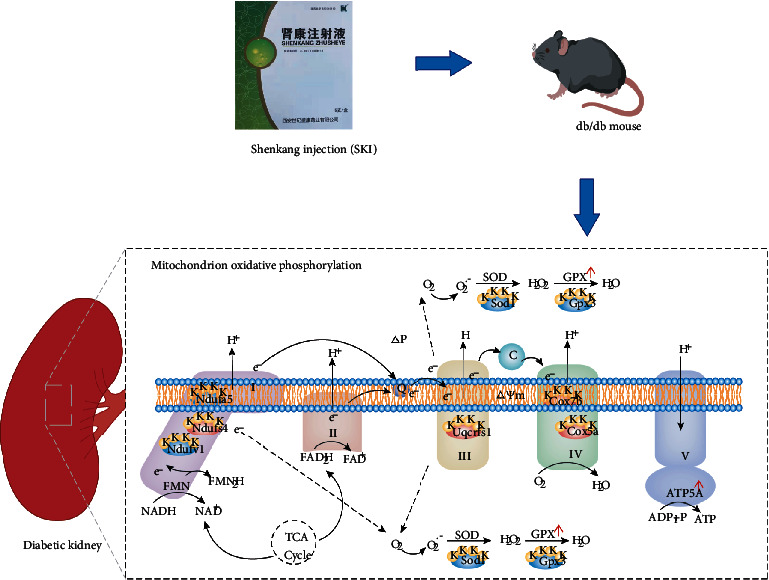 Figure 7
Peer Reviews
No public reviews on file for this paper yet. If you reviewed it on a platform where reviews are public (OpenReview, ICLR, NeurIPS, ICML), you can paste yours below so the community can read it here.
Videos
No videos yet. Explain this paper in a talk, walkthrough, or lecture? Add one.
Taxonomy
TopicsChronic Kidney Disease and Diabetes · Mitochondrial Function and Pathology · Advanced Glycation End Products research