Evaluation of Single and Combined Temozolomide and Doxorubicin Treatment Responses in Low- and High-Grade Glioma In Vitro
Georgiana Adeline Staicu, Ligia G Tataranu, Daniela Elise Tache, Stefana Oana Popescu, Stefan Alexandru Artene, Suzana Danoiu, Veronica Sfredel, Edmond Nicolae Barcan, Stefania Carina Baloi, Anica Dricu

TL;DR
This study evaluates how low- and high-grade glioma cells respond to single and combined treatments with temozolomide and doxorubicin in laboratory experiments.
Contribution
The study provides new insights into the cytotoxic effects of temozolomide and doxorubicin in low- and high-grade glioma cell lines, including their resistance patterns and lack of synergy in combination.
Findings
GB1B (high-grade) cells were more sensitive to doxorubicin than AC1B (low-grade) cells at 7- and 10-day exposure.
GB1B cells became more resistant to doxorubicin at 14 days compared to AC1B cells.
GB1B cells showed greater resistance to temozolomide than AC1B cells, with resistance increasing over time.
Abstract
Background: Astrocytoma, the most common type of glioma, can histologically be low or high grade. Treatment recommendations for astrocytic tumors are based on the histopathological and molecular phenotype. For grade 2 astrocytoma, the combination of radiotherapy and adjuvant chemotherapy with procarbazine, lomustine, and vincristine (PCV) is better than radiotherapy alone. Temozolomide (TMZ) is being increasingly recognized as a replacement for PCV in brain tumor therapy, due to the lower myelotoxicity. TMZ is currently a well-established first-line treatment for grade 3 astrocytoma, grade 4 astrocytoma, and glioblastoma and it is also sporadically used for grade 2 astrocytoma. However, TMZ faces multiple challenges such as adverse effects and drug resistance. Methods: In this study, we compared the cytotoxic effect induced by TMZ and doxorubicin (DOXO), alone and in combination, on a…
Genes, proteins, chemicals, diseases, species, mutations and cell lines named across the full text — each resolved to its canonical identifier and authoritative record.
Click any figure to enlarge with its caption.
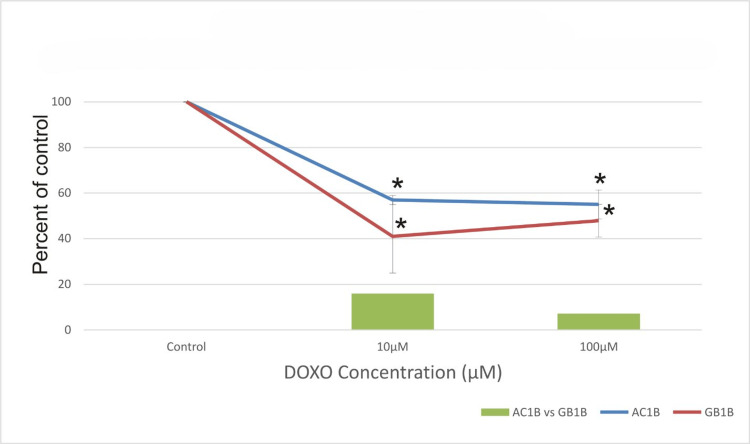 Figure 1
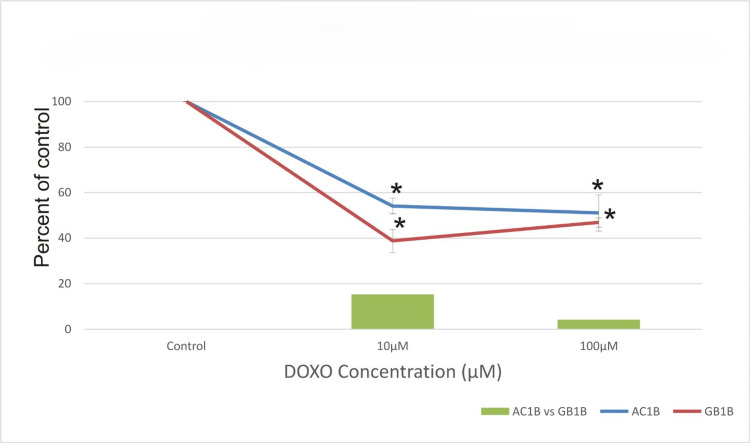 Figure 2
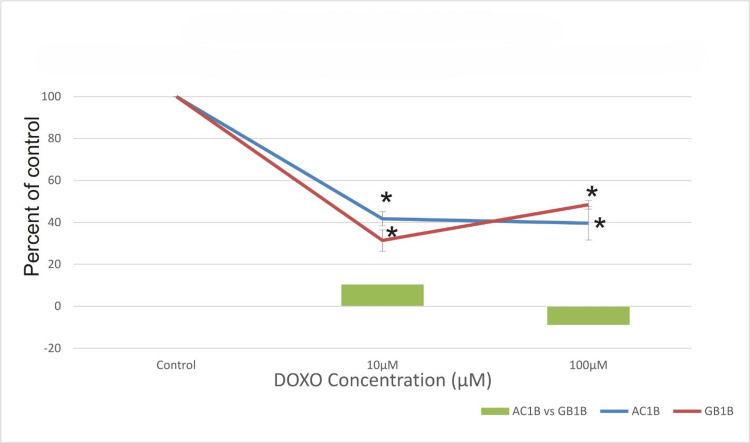 Figure 3
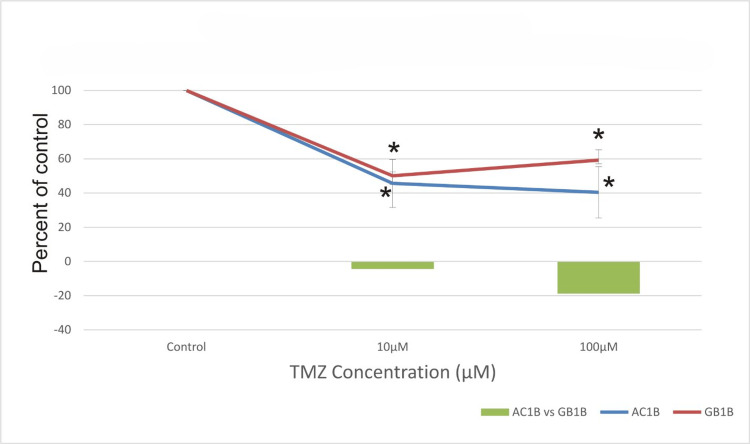 Figure 4
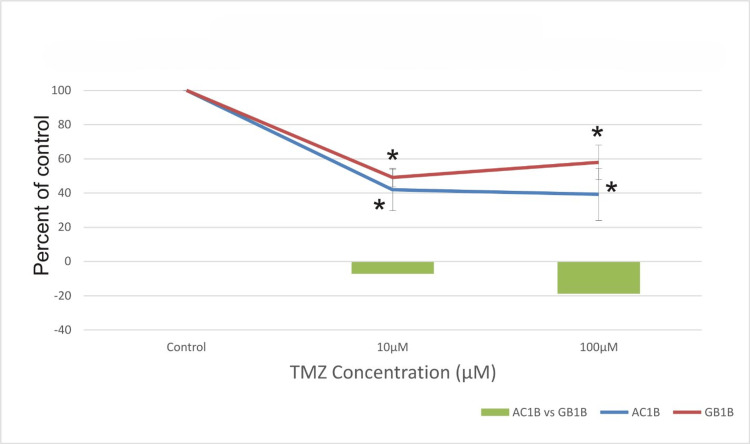 Figure 5
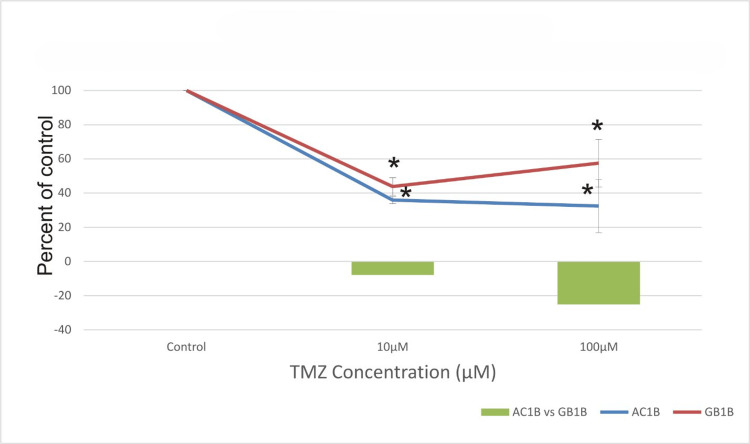 Figure 6
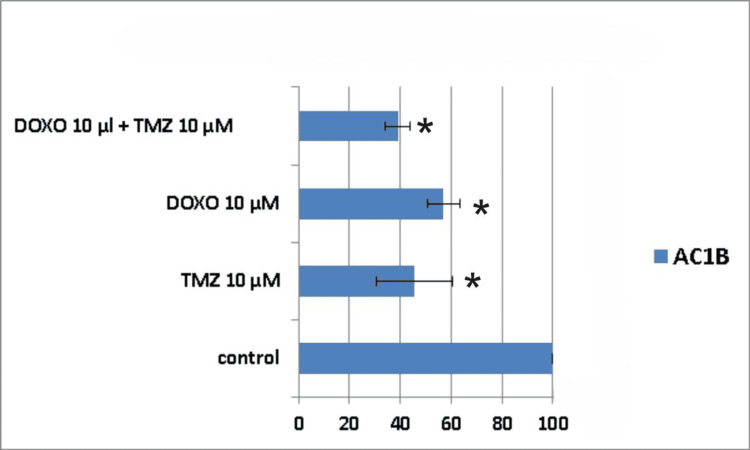 Figure 7
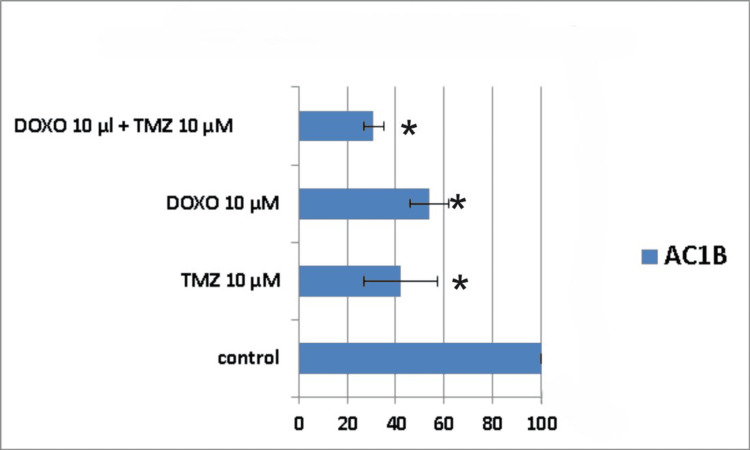 Figure 8
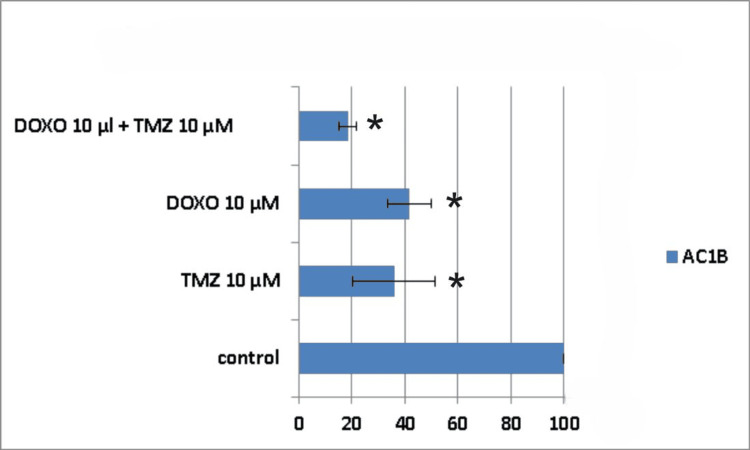 Figure 9
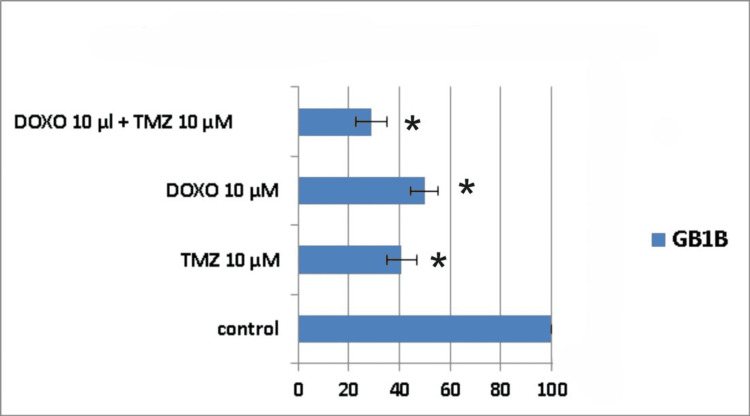 Figure 10
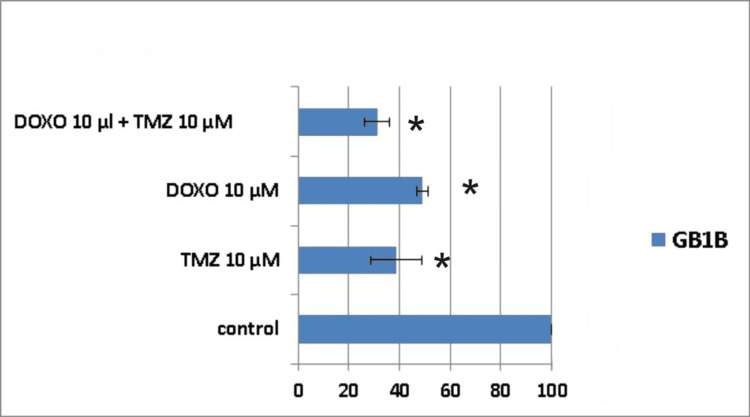 Figure 11
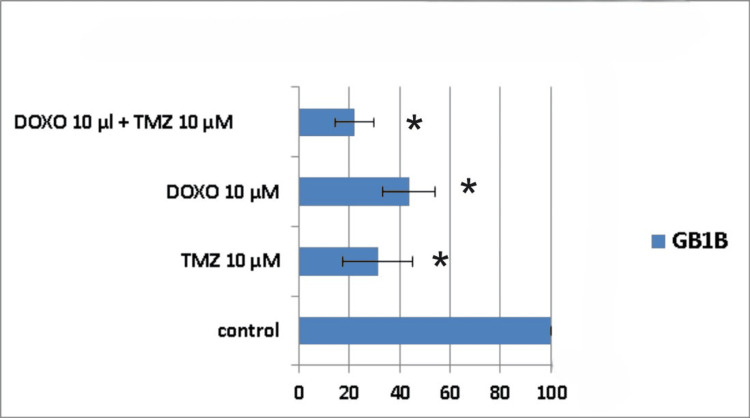 Figure 12
Peer Reviews
No public reviews on file for this paper yet. If you reviewed it on a platform where reviews are public (OpenReview, ICLR, NeurIPS, ICML), you can paste yours below so the community can read it here.
Videos
No videos yet. Explain this paper in a talk, walkthrough, or lecture? Add one.
Taxonomy
TopicsGlioma Diagnosis and Treatment · Cancer, Hypoxia, and Metabolism · Neuroblastoma Research and Treatments