Nutrient Allocation and Growth Responses of Senegalia polyphylla under Varied Fertilizer Regimes for Effective Forest Recovery
Fillipe Vieira de Araújo, Tayna Sousa Duque, Evander Alves Ferreira, Israel Marinho Pereira, Iasmim Marcella Souza, Fernanda Santos Oliveira, José Barbosa dos Santos

TL;DR
This study explores how different fertilizer combinations affect the growth and nutrient uptake of Senegalia polyphylla seedlings to aid in forest recovery in areas invaded by grasses.
Contribution
The study provides new insights into optimal fertilizer formulations for promoting seedling growth in invaded ecosystems.
Findings
High nutrient concentration fertilizers increased leaf accumulation of N, P, and K.
Balanced fertilization improved root dry mass in S. polyphylla seedlings.
Strategic fertilizer use is crucial for seedling development in invasive grass-affected areas.
Abstract
To restore invaded areas, planting fast-growing native species such as Senegalia polyphylla (DC.) Britton & Rose (Fabaceae) is widely used. However, invasive grasses reduce light availability, alter fire regimes, and compete for water and nutrients, hindering the growth of native trees. Fertilization practices influence the competition dynamics between natives and invasives by altering soil fertility. Therefore, this study investigated the effects of mineral and organic fertilization on the nutritional status and growth of S. polyphylla cultivated during the first 120 days after transplanting. The experiment was conducted in a completely randomized design comprising five treatments and four replications, along with the unfertilized control (0–0%) as an additional treatment. Dystrophic red latosol and different proportions of mineral and organic fertilizers were used. The variables…
Genes, proteins, chemicals, diseases, species, mutations and cell lines named across the full text — each resolved to its canonical identifier and authoritative record.
Click any figure to enlarge with its caption.
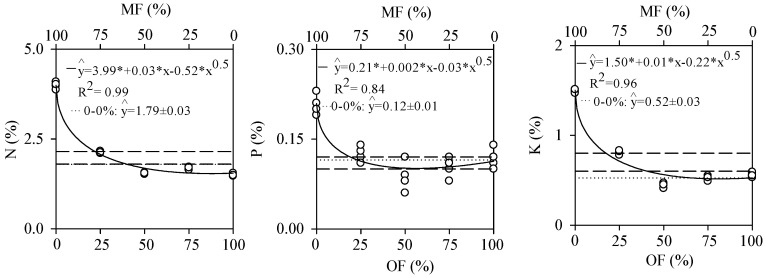 Figure 1
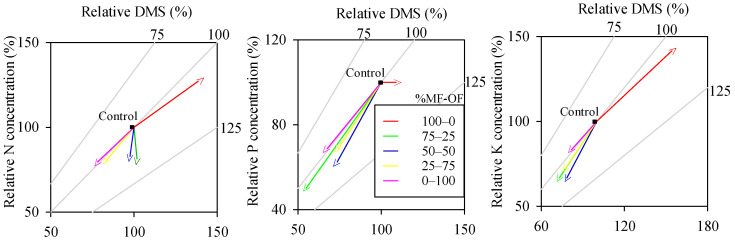 Figure 2
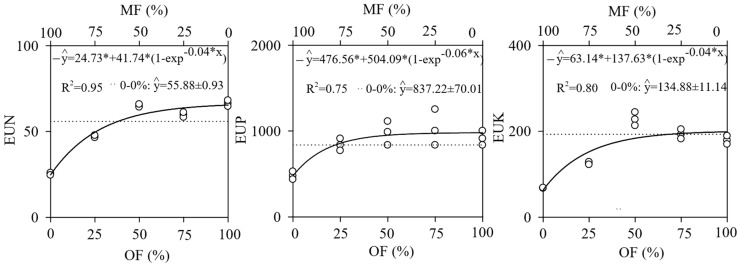 Figure 3
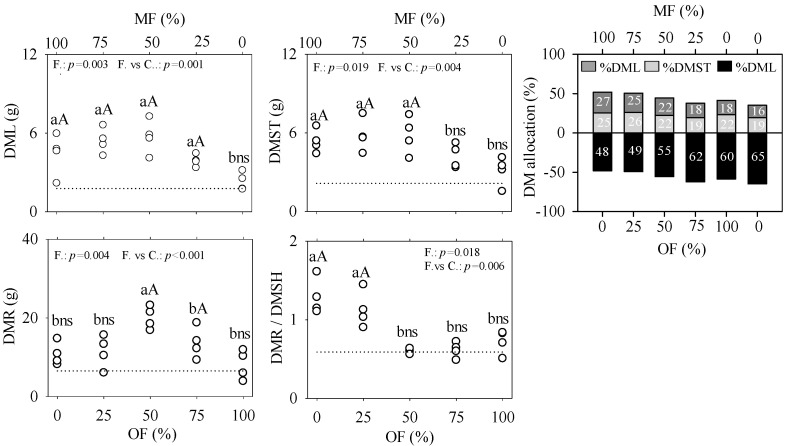 Figure 4
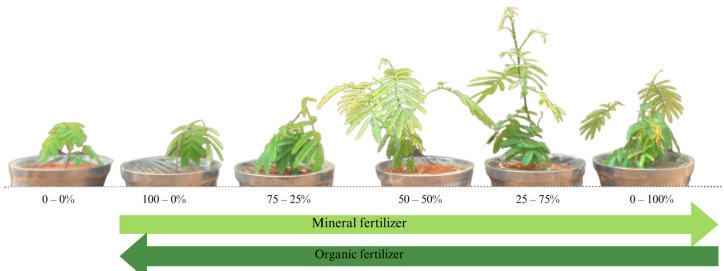 Figure 5
Peer Reviews
No public reviews on file for this paper yet. If you reviewed it on a platform where reviews are public (OpenReview, ICLR, NeurIPS, ICML), you can paste yours below so the community can read it here.
Videos
No videos yet. Explain this paper in a talk, walkthrough, or lecture? Add one.
Taxonomy
TopicsLatin American Urban Studies · Urban Planning and Landscape Design · Migration, Aging, and Tourism Studies
1. Introduction
Biological invasions of plants are detrimental to agricultural and natural environments, being the second leading cause of biodiversity loss worldwide [1]. In Brazil, the Poaceae family is the most abundant group of invasive species [2], and due to their adaptation to climatic conditions and high competitiveness, they are harmful invaders in natural ecosystems [3,4]. These plants can reduce light availability, alter fire regimes, and compete for water and nutrients, limiting the growth of native trees [5,6,7,8].
In the context of restoring invaded areas, planting rapidly growing native species such as Senegalia polyphylla (DC.) Britton & Rose (Fabaceae) is widely employed [9,10,11,12]. However, grass management is primarily conducted through chemical control [13,14], which can lead to resurgence before the target species are established [15]. In these systems, fertilization practices can influence the competition dynamics between natives and invaders by altering soil fertility [16,17].
Mineral, organic, and combined fertilizations have been applied in forest restoration, following commercial forestry practices [18]. Few studies have focused on the benefits of combining fertilizers for tropical forest restoration [19] and their impacts related to competition with invasive grasses [17]. Mineral fertilizers applied to the soil are immediately available to plants, and due to their high solubility in water, losses through leaching can favor invasive species over natives [16,20,21]. Organic fertilization is of slow release, being more effective in competitive contexts [22], maintaining nutrient availability at adequate levels for an extended period [23].
Given the high potential of S. polyphylla to restore invaded ecosystems, it is necessary to investigate which fertilization practices favor its growth and survival and how they may influence competition with invasive grasses. The hypotheses of this study are as follows: the gradual release of organic nutrients may benefit the growth of S. polyphylla, which rapidly creates a canopy and reduces competition with weeds; and the combination of mineral and organic fertilizers may offer an ideal balance between immediate and sustained nutrient availability for the species.
Thus, the aim of this study is to evaluate the effects of mineral and organic fertilization on the nutritional status and growth of Senegalia polyphylla during the first 120 days after seedling transplantation.
2. Materials and Methods
2.1. Experimental Design and Plant Cultivation
The experiment was conducted in a greenhouse located in Diamantina, Minas Gerais, Brazil, at coordinates 18°12′ S and 43°34′ W, at an altitude of 1370 m. The cultivation utilized a substrate of dystrophic red latosol, as described by Santos [24], with medium texture, collected from the surface layer (0–0.20 m). The soil was broken down, air-dried, and sieved through a 5 mm mesh (see Table 1 for details). For chemical and physical analyses, a subsample of 15 cm^3^ was collected and passed through a 2 mm sieve, following the method of Teixeira [25].
Seedlings of Senegalia polyphylla originated from seeds collected in the Private Natural Heritage Reserve of Fartura, Minas Gerais, Atlantic Forest Biome (15°30′ S; 39°50′ W). After processing, the seeds were planted in tubes containing 0.29 dm^3^ of a substrate composed of sterilized soil, carbonized rice husk, and sand (1:1:1). Seedlings with four pairs of leaves and an average height of 0.08 m were selected. After removal from the tubes, the seedlings had their roots washed and were transplanted into polyethylene pots containing 6 dm^3^ of soil.
The experimental design was completely randomized, with five main treatments and one additional treatment, each with four replications. The treatments consisted of different proportions of mineral (MF) and organic (OF) fertilizers for S. polyphylla (Table 2). The additional treatment represented the condition of 0% for both forms of fertilization (0–0%).
Mineral fertilization (100–0%) was applied with 50 mg of N (ammonium sulfate), 150 mg of P (single superphosphate), and 50 mg of K (potassium chloride) per dm^3^ of soil [26]. Organic fertilization (0–100%) used 5 g of cured cattle manure per dm^3^ of soil [27]. The nutrients in the organic compost were analyzed using nitroperchloric digestion [28], showing levels of 3.1% N, 1.8% P, 2.1% K, 12.3% Ca, 2.1% Mg, and 26.1% S. The other treatments received different proportions of mineral and organic fertilizations, applied 15 days before transplanting the seedlings or planting the grass.
Deionized water was added daily to maintain soil moisture around 60% of the total pore volume from the fertilization period to the end of the experiment.
2.2. Measured Variables
In the evaluation of variables, aboveground and root parts were collected, washed, and treated according to Silva [28]. The collected plant material was dried in a forced air circulation oven at 65 °C until constant mass, allowing the determination of the dry mass of leaves (DML), stem (DMST), total aboveground part (MSPA), and roots (DMR).
The nutrient content in the leaves was determined using sulfuric and nitroperchloric digestion methods, as per Silva [28]. The total nutrient accumulation in the leaves was calculated based on the nutrient levels and the dry mass of the leaves.
The efficient use (EU) of nutrients for the production of aboveground mass (MSPA) was obtained from the ratio between MSPA and the accumulation of N, P, K, Ca, Mg, and S. To determine sufficiency ranges, leaf tissue analyses were compared with nutritional sufficiency intervals of other species, given the absence of specific values for S. polyphylla (Table 3). A literature review included studies on fast-growing trees in similar substrates [29].
To analyze the response of S. polyphylla to different fertilizations, vector analysis was employed to assess the dry mass and nutritional status of the leaves, expressed in relation to the control group (0–0%), normalized to 100.
2.3. Statistical Analysis
Statistical analysis used the “ExpDes.pt” package in the R version 4.3.2 environment [33]. Before ANOVA and regression analyses, data were tested for normality of distribution using the Shapiro–Wilk test on residuals. All data were confirmed to be normally distributed. An α = 0.05 was used to determine statistical significance in all analyses.
To evaluate the impact of the gradual reduction in mineral fertilization and increase in organic fertilization on the availability and use of nutrients, the leaf content (%) and efficient use data were subjected to polynomial regression.
To determine if the gradual change impacted the production of dry mass and to identify which fertilization groups exhibited different results, the Scott–Knott test was utilized for DML, DMST, DMR, DMSH, and DMT. The Dunnett test was conducted to determine whether the dry mass from a specific fertilization (F) was significantly higher than that of no fertilization (0–0%) (C).
3. Results
3.1. Nutrient Use Efficiency Results
The analysis of the responses of Senegalia polyphylla to different fertilization regimes revealed that the foliar content of nitrogen (N), phosphorus (P), and potassium (K) was significantly higher with 100% mineral fertilization and 0% organic fertilization (Figure 1).
Treatments with 100% and 75% mineral fertilization resulted in higher concentrations of N, P, and K and consequently greater biomass accumulation in the leaves of S. polyphylla. Treatments with 50%, 25%, and 0% mineral fertilization caused reductions in nutrient accumulation compared to the control treatment (0–0%) (Figure 2).
The use efficiency (EU) of N, P and K to produce dry mass of leaves was higher in treatments with higher organic fertilization (0–100%) (Figure 3).
3.2. Growth Characteristics Results
The dry leaf mass (DML) was lower in treatments with 100% organic fertilizer. In treatments with 50% and 75% organic fertilizer, the reduction in dry leaf mass was less pronounced, and the dry root mass (DMR) was higher, leading to a lower aboveground/root ratio (DMSH/DMR) (Figure 4).
Images of Senegalia polyphylla were acquired 120 days after transplantation in a substrate composed of dystrophic red latosol with varying proportions of mineral and organic fertilizers (Figure 5).
4. Discussion
4.1. Nutrient Use Efficiency
The foliar content of N, P, and K was higher with mineral fertilization (100–0%). This occurred because mineral fertilizers are generally composed of water-soluble salts that provide nutrients immediately and in high concentrations, without relying on decomposition or mineralization processes [20]. This rapid availability results in an elevated absorption of N, P, and K, promoting a quick increase in foliar nutrient levels. However, elevated foliar nutrient levels with mineral fertilization are not always related to efficient resource use, potentially resulting in losses through leaching [21,34]. Additionally, the immediate provision of nutrients leads to reduced investment in the development of extensive root systems, as nutrients are readily accessible [35].
Treatments subjected to 50%, 25%, and 0% mineral fertilization had reductions in N, P, and K in the leaves compared to the control. This can be attributed to the lower immediate availability of these nutrients in the soil. With the reduction in the proportion of mineral fertilizers, the amount of readily soluble and available nutrients for plant absorption is also reduced [22,23]. The concentration of nutrients in the leaves is essential for allowing plants to accumulate reserves during periods of high availability and gradually release them during scarcity to sustain growth [36]. Therefore, the excessive use of fertilizers is common to increase the survival of native tree seedlings and reduce competition from invasive grasses in forest restoration [16,21].
The efficiency of the use of N, P, and K was higher in treatments with organic fertilization. This occurred because, generally with nutrient scarcity, greater efficiency with their use is observed [34,37]. Organic fertilization, compared to mineral fertilization, allows a slow release of nutrients; thus, N, P, and K are not immediately available to S. polyphylla [38]. These characteristics favor root growth in the species, aiming for greater soil exploration, absorption, and nutrient use [35,39]. On the other hand, mineral fertilization provides nutrients immediately, which may not be fully utilized by the plant, thus reducing the efficiency of the use of N, P, and K in these treatments [40].
4.2. Growth Characteristics
The lower dry leaf mass in the 100% organic fertilization treatment and the increased root dry mass in the treatments with 50% and 75% organic fertilizer can be explained by the functional balance hypothesis. This hypothesis suggests a preferential allocation of resources to the root system when nutrients become limiting for growth [41], correlating with the slow nutrient release in organic fertilization. Allocating resources to root development can facilitate the exploration of deeper soil layers, providing a competitive advantage to tree seedlings during the initial stages of development [42,43].
Given the presence of invasive grasses, fertilization plays a crucial role in determining the initial success of forest restoration and the establishment of seedlings in the field [44]. The rapid establishment of a canopy is a primary goal in tropical forest restoration, as reducing light availability in the understory inhibits the growth of shade-intolerant invasive grasses [36]. Therefore, the strategic application of fertilizers can boost the initial growth of trees [45]; however, it is necessary to consider the variations in the individual species’ responses [9,46].
Considering the persistence of invasive grasses and the lack of internal nutrient reserves in S. polyphylla, additional nutrient supplementation, especially in the early stages of planting, may be a viable strategy to sustain growth and minimize competition from invasive plants. The slow-release nature of organic fertilizers can ensure a steady supply of nutrients, promoting a more balanced growth that includes extensive root development, which is crucial for long-term sustainability and a competitive advantage in invaded ecosystems.
5. Conclusions
This study evaluated the effects of mineral and organic fertilization on the nutritional status and growth of S. polyphylla, highlighting that mineral fertilization resulted in greater foliar nutrient accumulation and biomass. In contrast, organic fertilization promoted higher nutrient use efficiency, favoring the development of the root system and enabling more efficient soil exploration. These findings indicate that the strategic combination of fertilizers can optimize the initial growth of S. polyphylla, reducing competition with invasive grasses and promoting more sustainable forest restoration.
Thus, the application of fertilizers should be carefully planned to maximize nutrient use efficiency and ensure balanced plant growth, focusing both on rapid canopy formation and root development. The use of organic fertilizers can ensure a continuous supply of nutrients, essential for long-term sustainability and a competitive advantage in invaded ecosystems.
The reference list from the paper itself. Each links out to its DOI / PubMed record.
- 1Adelino J.R.P. Heringer G. Diagne C. Courchamp F. Faria L.D.B. Zenni R.D. The economic costs of biological invasions in Brazil: A first assessment Neo Biota 20216734937410.3897/neobiota.67.59185 · doi ↗
- 2Zenni R.D. Ziller S.R. da Rosa C.A. Sühs R.B. Puechagut P.B. Marterer B.T. Chapla T.E. Invasive non-native species in Brazil: An updated overview Biol. Invasions 2024262397240510.1007/s 10530-024-03302-9 · doi ↗
- 3Canavan S. Meyerson L.A. Packer J.G. Pyšek P. Maurel N. Lozano V. Richardson D.M. Brundu G. Canavan K. Cicatelli A. Tall-statured grasses: A useful functional group for invasion science Biol. Invasions 201921375810.1007/s 10530-018-1815-z · doi ↗
- 4Gornish E.S. Franklin K. Rowe J. Barberán A. Buffelgrass invasion and glyphosate effects on desert soil microbiome communities Biol. Invasions 2020222587259710.1007/s 10530-020-02268-8 · doi ↗
- 5Assis G.B. Pilon N.A. Siqueira M.F. Durigan G. Effectiveness and costs of invasive species control using different techniques to restore cerrado grasslands Restor. Ecol.202129 e 1321910.1111/rec.13219 · doi ↗
- 6Dezotti G. Fidelis A. Damasceno G. Siqueira T. Interactive roles of fire seasons and biological invasions in the short-term dynamics of tropical savannas J. Veg. Sci.202435 e 1325010.1111/jvs.13250 · doi ↗
- 7Damasceno G. Souza L. Pivello V.R. Gorgone-Barbosa E. Giroldo P.Z. Fidelis A. Impact of invasive grasses on Cerrado under natural regeneration Biol. Invasions 2018203621362910.1007/s 10530-018-1800-6 · doi ↗
- 8Mazía N. Moyano J. Perez L. Aguiar S. Garibaldi L.A. Schlichter T. The sign and magnitude of tree–grass interaction along a global environmental gradient Glob. Ecol. Biogeogr.2016251510151910.1111/geb.12518 · doi ↗