Selectivities of Carbon Dioxide over Ethane in Three Methylimidazolium-Based Ionic Liquids: Experimental Data and Modeling
Nadir Henni, Amr Henni, Hussameldin Ibrahim

TL;DR
This study measures how well three ionic liquids can absorb ethane and carbon dioxide, comparing their performance and modeling the results.
Contribution
The paper provides new experimental solubility data and models for ethane in three ionic liquids, identifying their selectivity for CO2 over ethane.
Findings
Ethane solubility in ionic liquids decreases in the order [HMIM][Tf2N] > [PMIM][Tf2N] > [BMIM][DMP].
[PMIM][Tf2N] showed the highest selectivity for CO2 over ethane compared to other ionic liquids and Selexol.
The Peng–Robinson equation of state with Wong–Sandler mixing rule provided the best model fit with 2.45% average deviation.
Abstract
This work focused on the solubility of ethane in three promising ionic liquids {1-Hexyl-3-methylimidazolium bis(trifluormethylsulfonyl) imide [HMIM][Tf2N], 1-Butyl-3-methyl-imidazolium dimethyl-phosphate [BMIM][DMP], and 1-Propyl-3-methylimidazolium bis(trifluoromethyl-sulfonyl)-imide [PMIM][Tf2N]}. The solubilities were measured at 303.15 K to 343.15 K and pressures up to 1.4 MPa using a gravimetric microbalance. The overall ranking of ethane solubility in the ionic liquids from highest to lowest is the following: [HMIM][Tf2N] > [PMIM][Tf2N] > [BMIM][DMP]. The Peng–Robinson equation of state was used to model the experimental data using three different mixing rules: van der Waals one, van der Waals two, and Wong–Sandler mixing rules combined with the Non-Random Two-Liquid model. The average absolute deviations for the three mixing rules for the ionic liquids at the three temperatures…
Genes, proteins, chemicals, diseases, species, mutations and cell lines named across the full text — each resolved to its canonical identifier and authoritative record.
Click any figure to enlarge with its caption.
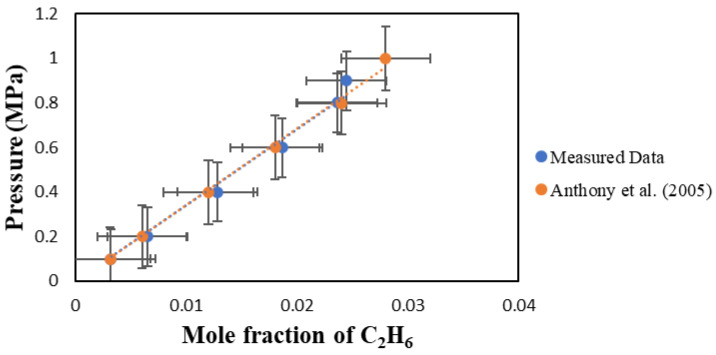 Figure 1
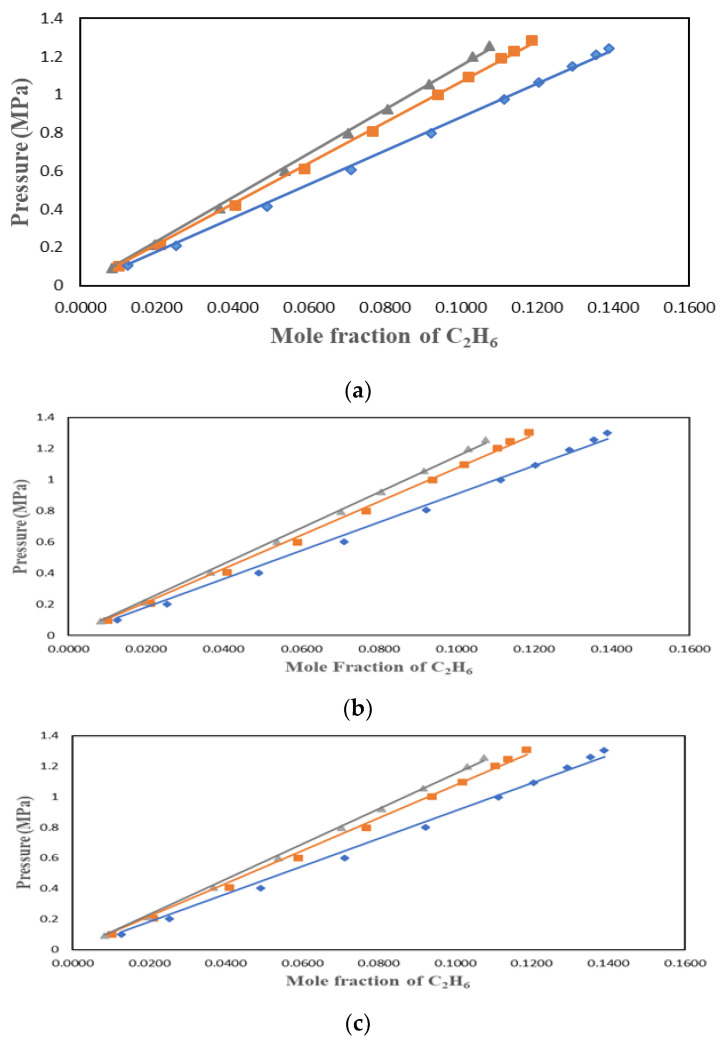 Figure 2
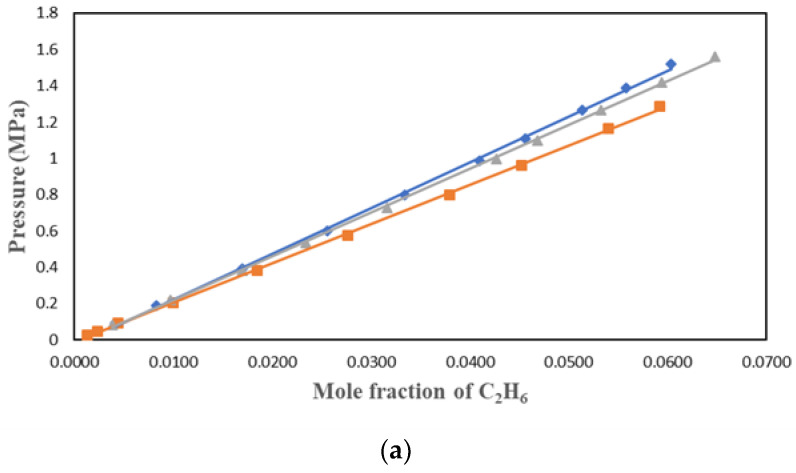 Figure 3
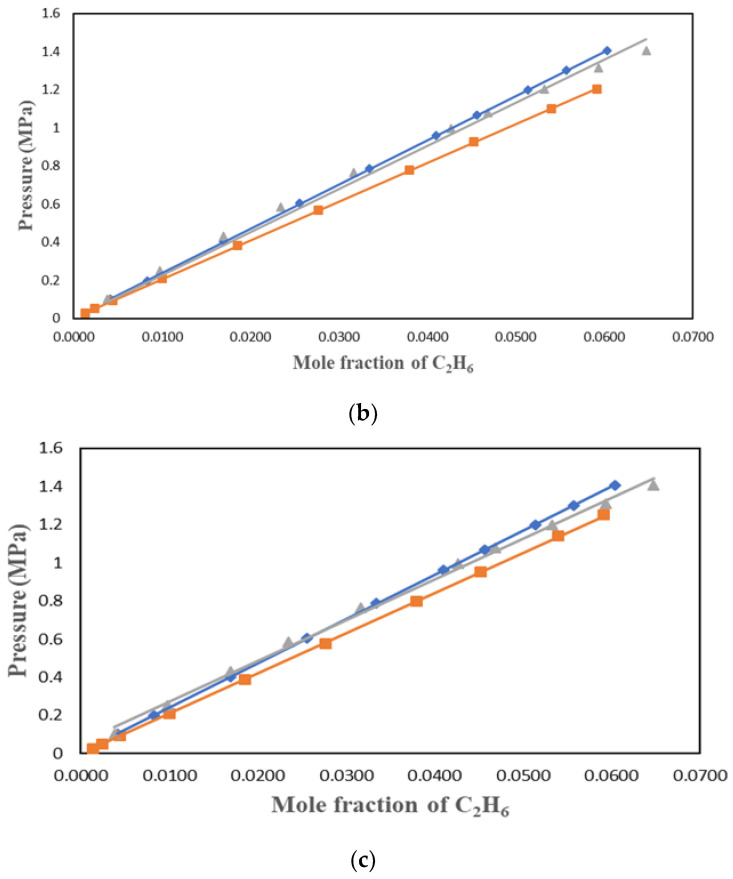 Figure 4
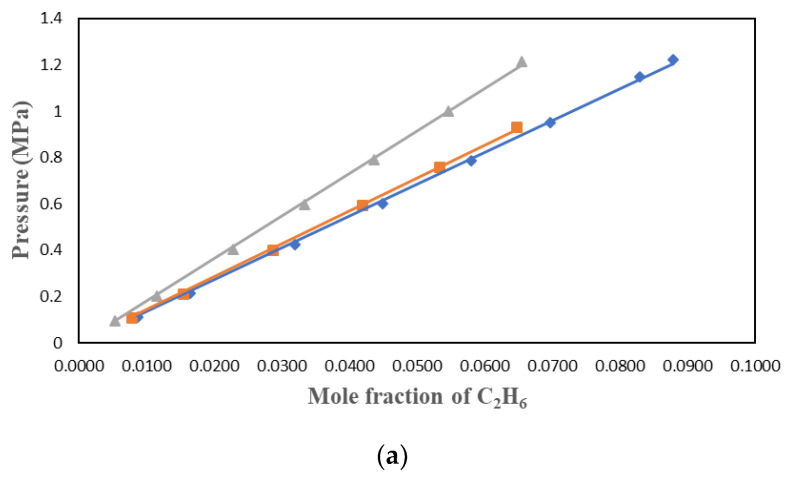 Figure 5
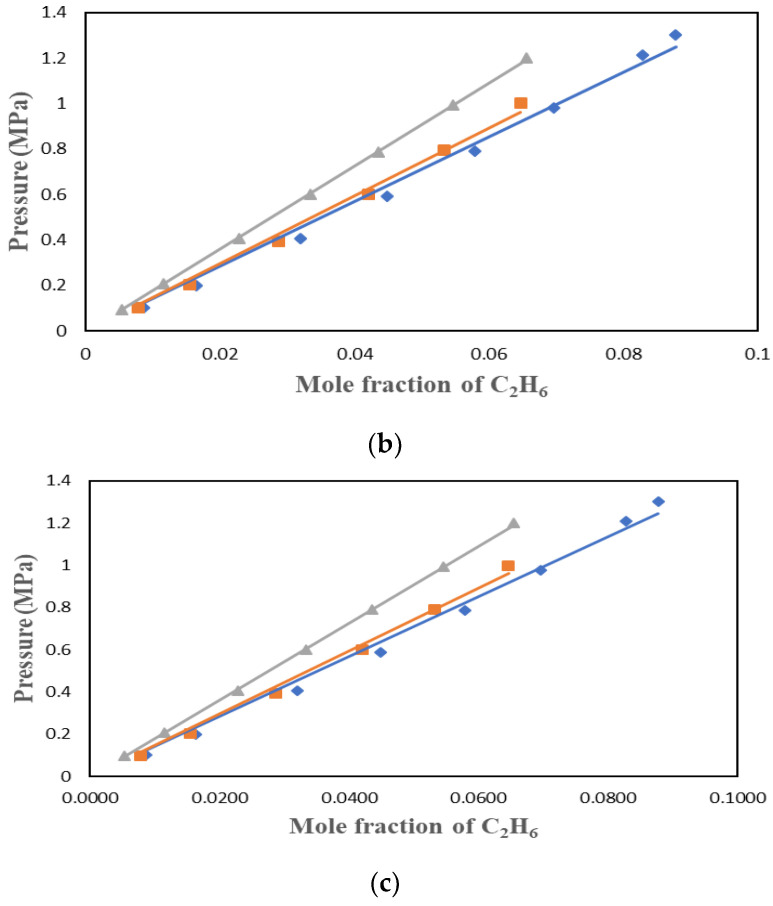 Figure 6
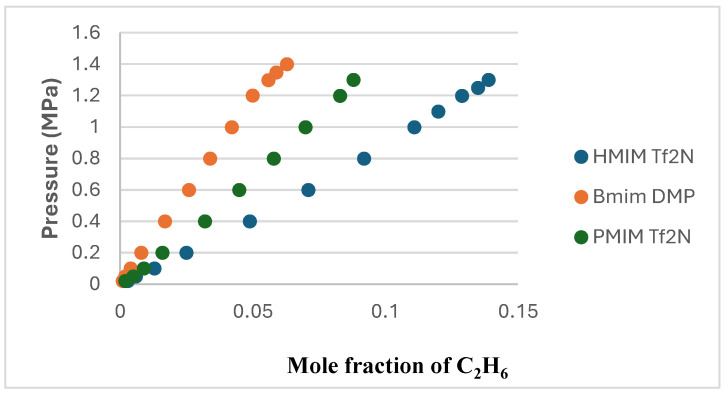 Figure 7
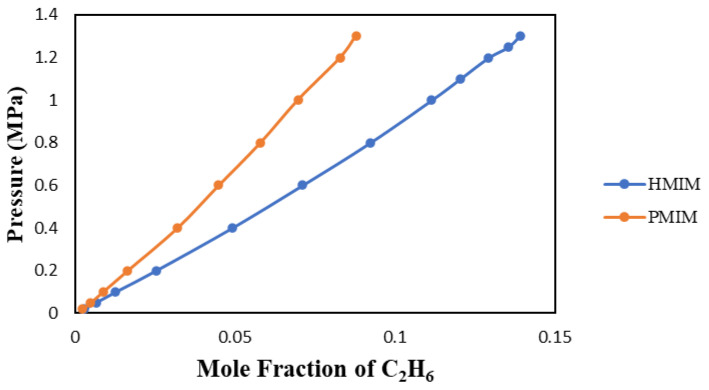 Figure 8
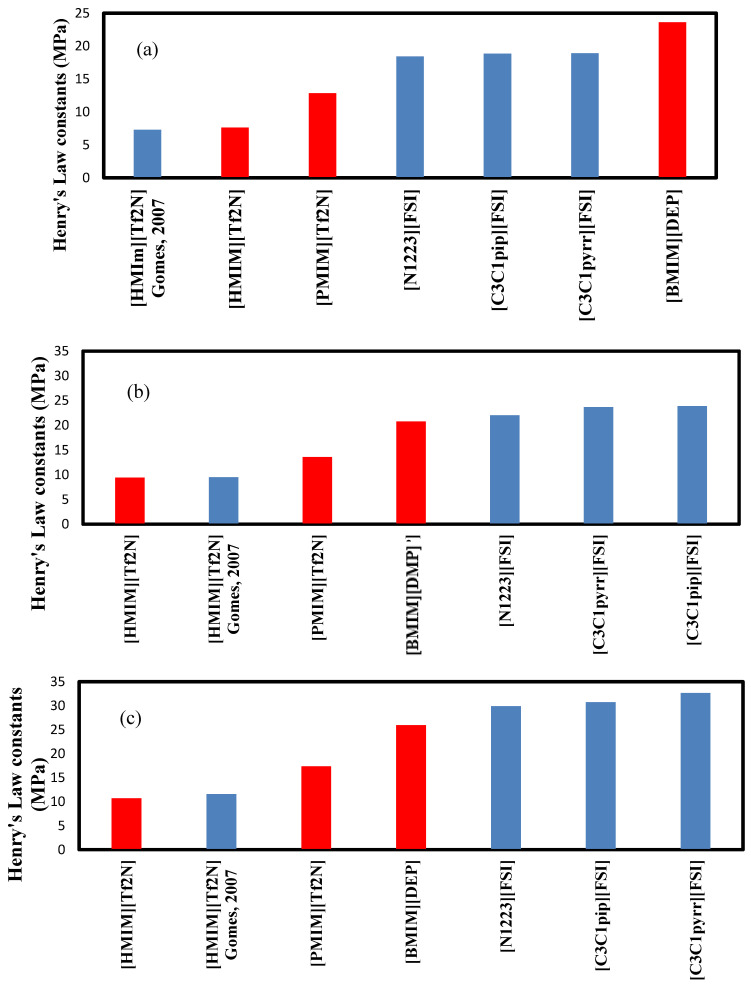 Figure 9
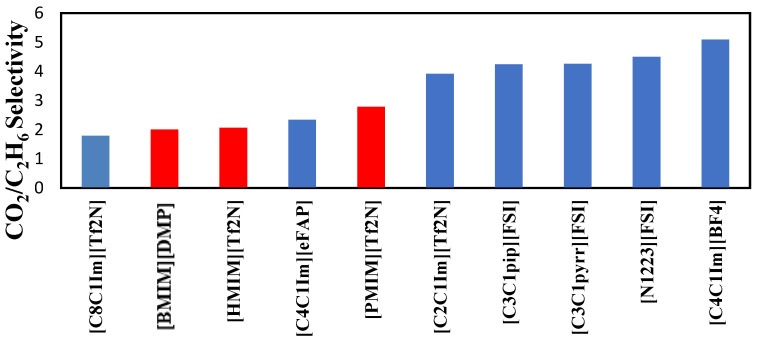 Figure 10
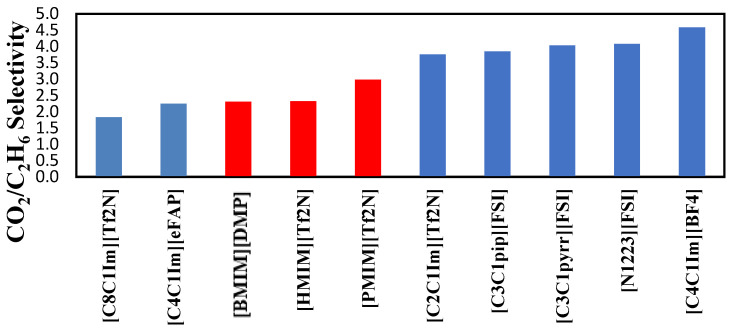 Figure 11
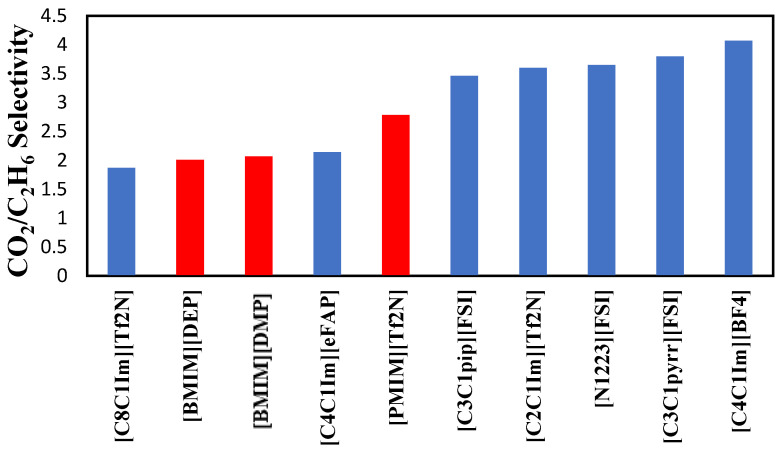 Figure 12
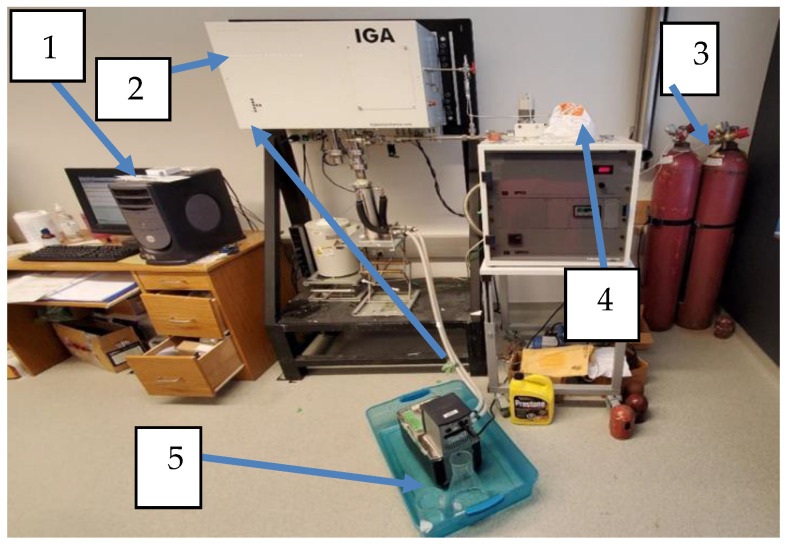 Figure 13
 Figure 14
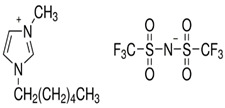 Figure 15
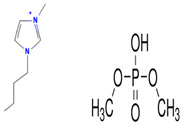 Figure 16
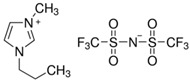 Figure 17
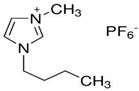 Figure 18
Peer Reviews
No public reviews on file for this paper yet. If you reviewed it on a platform where reviews are public (OpenReview, ICLR, NeurIPS, ICML), you can paste yours below so the community can read it here.
Videos
No videos yet. Explain this paper in a talk, walkthrough, or lecture? Add one.
Taxonomy
TopicsIonic liquids properties and applications · Phase Equilibria and Thermodynamics · Catalysis and Oxidation Reactions