Organic Heterostructures with Dendrimer Based Mixed Layer for Electronic Applications
Oana Rasoga, Anne Lutgarde Djoumessi Yonkeu, Carmen Breazu, Marcela Socol, Nicoleta Preda, Florin Stanculescu, Anca Stanculescu, Emmanuel Iwuoha

TL;DR
This paper explores new organic heterostructures using a dendrimer and diimide for electronic applications, showing promising conduction and diode-like behavior.
Contribution
The study introduces a mixed-layer heterostructure with G1PPT and MNDI that exhibits rectifier diode behavior.
Findings
Heterostructures with ITO and Au electrodes showed good conduction with currents in the mA range.
The mixed-layer heterostructure displayed asymmetry in current–voltage curves, indicating rectifier behavior.
Concentration and surface topography significantly influenced the electrical and optical properties of the layers.
Abstract
Recently, much research has focused on the search for new mixed donor–acceptor layers for applications in organic electronics. Organic heterostructures with layers based on the generation 1 poly(propylene thiophenoimine) (G1PPT) dendrimer, N,N′-diisopropylnaphthalene diimide (MNDI), and a combination of the two were prepared and their electrical properties were investigated. Single layers of G1PPT and MNDI and a mixed layer (G1PPT:MNDI) were obtained via spin coating on quartz glass, silicon, and glass/ITO substrates, using chloroform as a solvent. The absorption mechanism was investigated, the degree of disorder was estimated, and the emission properties of the layers were highlighted using spectroscopic methods (UV–Vis transmission and photoluminescence). The effects of the concentration and surface topographical particularities on the properties of the layers were analyzed via atomic…
Genes, proteins, chemicals, diseases, species, mutations and cell lines named across the full text — each resolved to its canonical identifier and authoritative record.
Click any figure to enlarge with its caption.
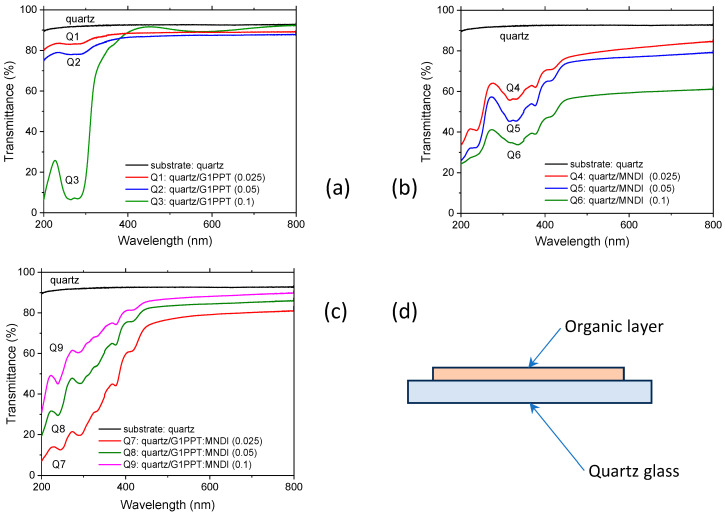 Figure 1
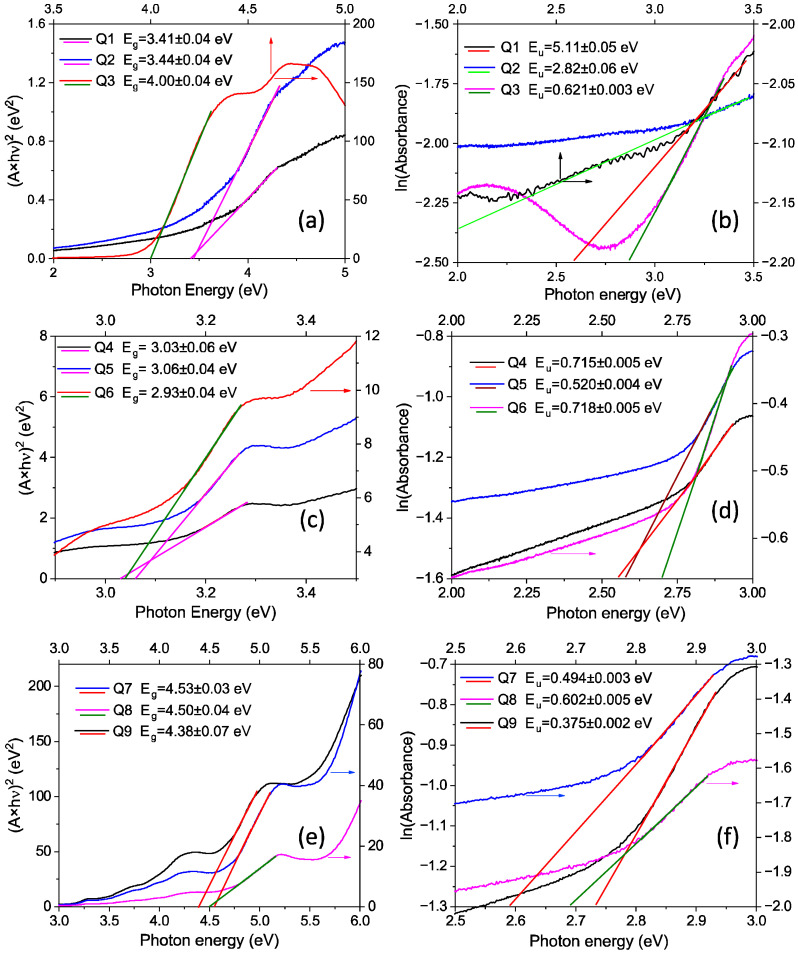 Figure 2
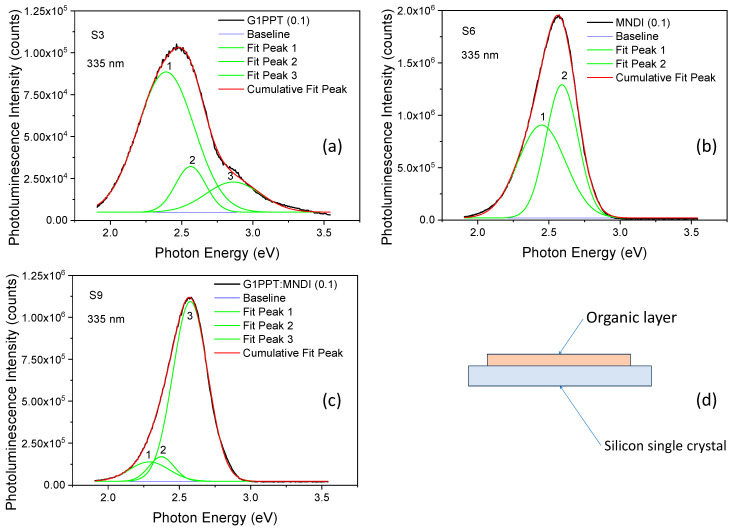 Figure 3
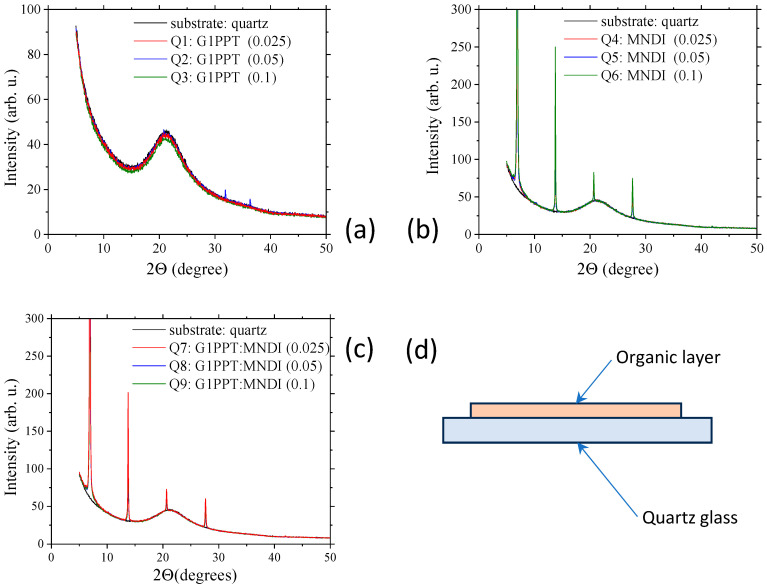 Figure 4
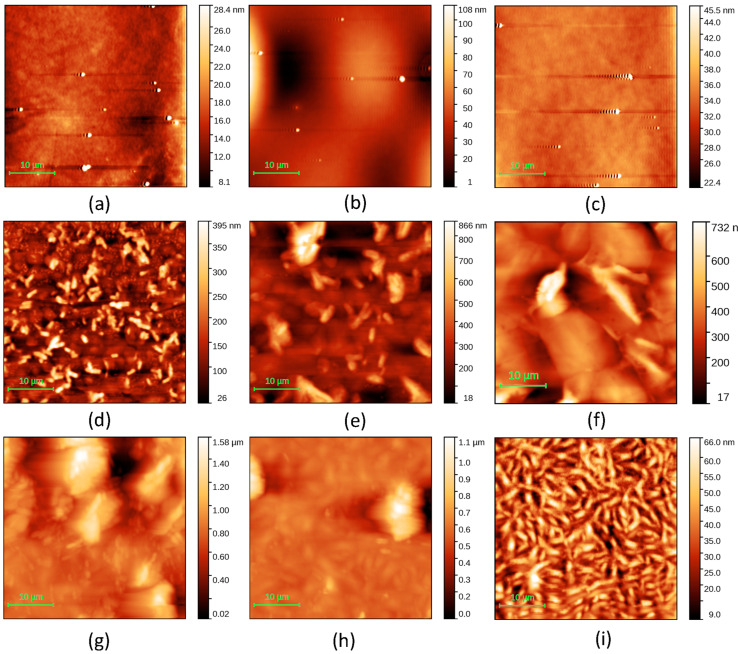 Figure 5
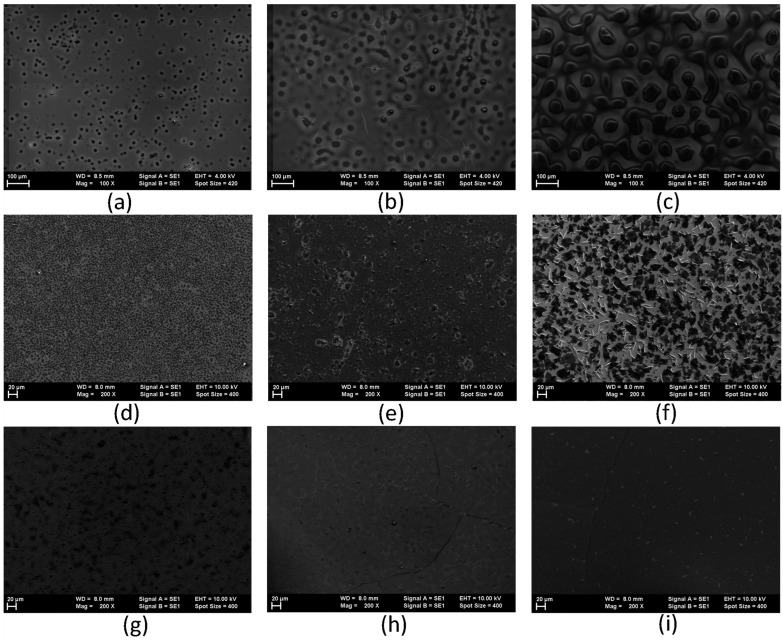 Figure 6
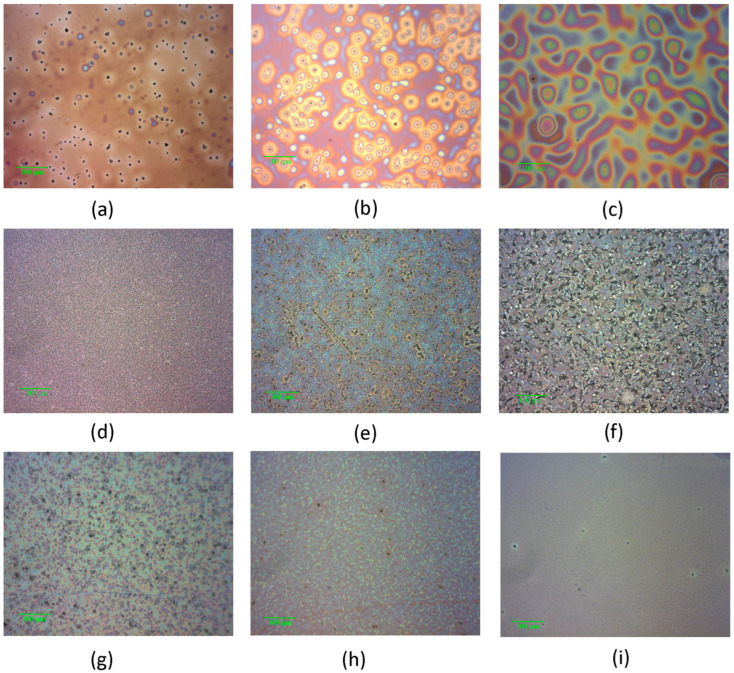 Figure 7
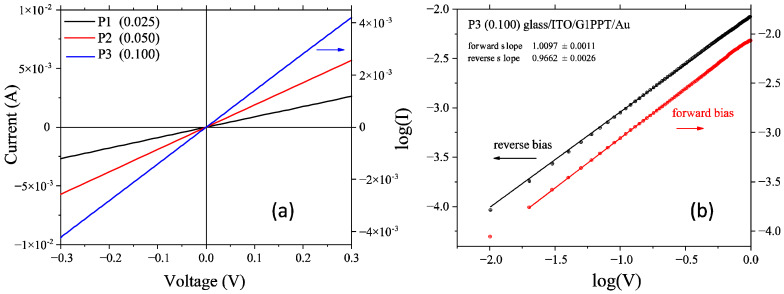 Figure 8
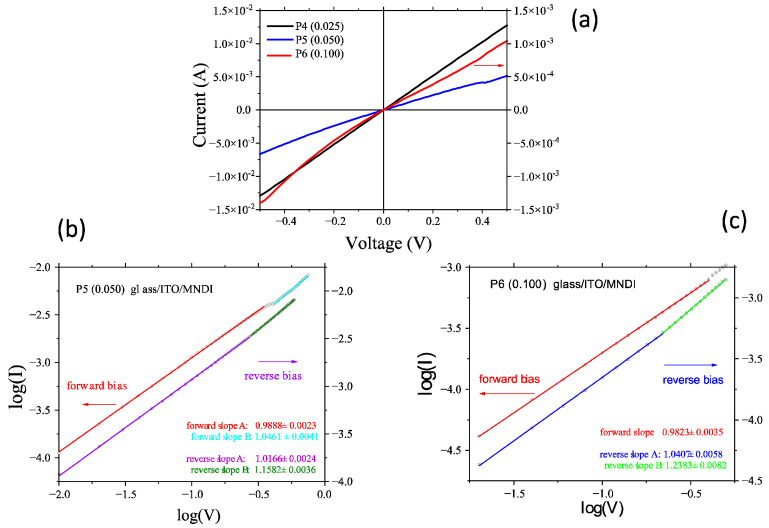 Figure 9
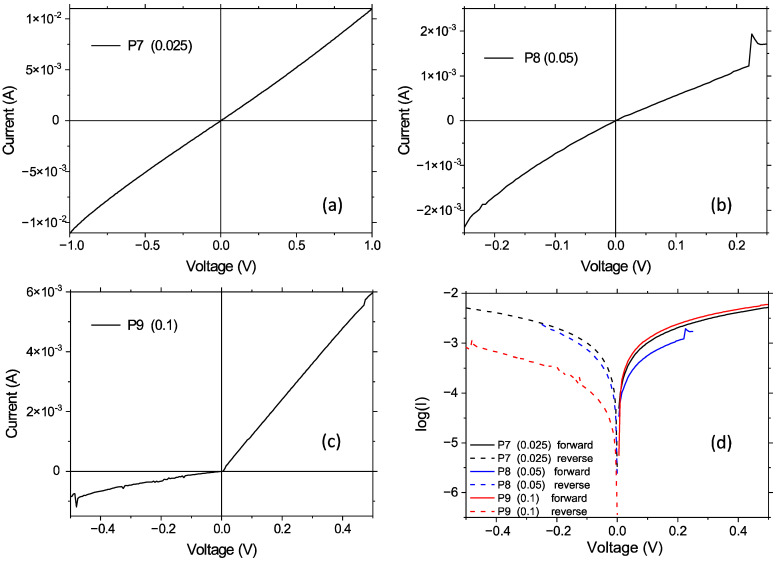 Figure 10
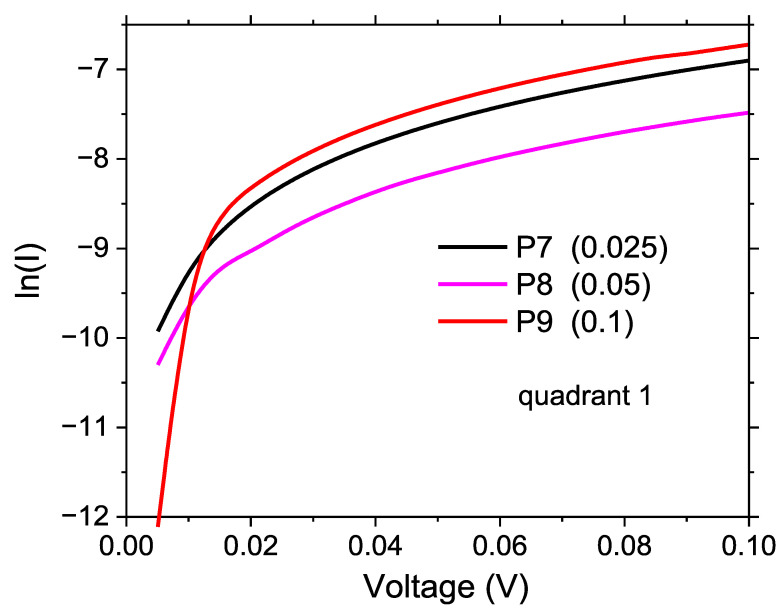 Figure 11
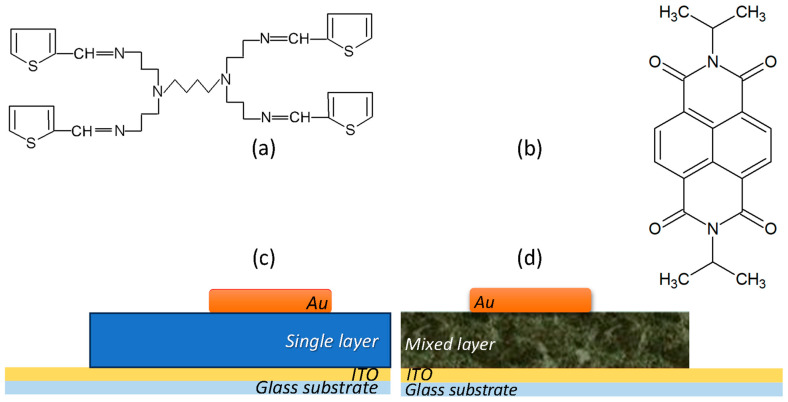 Figure 12
Peer Reviews
No public reviews on file for this paper yet. If you reviewed it on a platform where reviews are public (OpenReview, ICLR, NeurIPS, ICML), you can paste yours below so the community can read it here.
Videos
No videos yet. Explain this paper in a talk, walkthrough, or lecture? Add one.
Taxonomy
TopicsConducting polymers and applications · Organic Electronics and Photovoltaics · Dendrimers and Hyperbranched Polymers