Radiofrequency Lesion in the Atrial Wall: How Variable Is It? 9.4 Tesla MRI Analysis of Radiofrequency Lesion Volume in a Swine Model
Laura Sofia Cardelli, Thomas Laumont, July Beghian, Yosra Achahli, Maida Cardoso, Marylène Bacle, Jean-Luc Pasquié, Mathieu Granier

TL;DR
This study uses high-resolution MRI to compare the size and variability of radiofrequency lesions in pig atria under two different energy settings.
Contribution
The study introduces 9.4 Tesla MRI for quantifying in vivo RF lesion volume in a porcine model, revealing significant variability.
Findings
High-energy short-duration RF applications produced 35% larger lesions than low-energy long-duration ones.
High-energy applications showed greater lesion volume variability and more complications.
Extracardiac lesions were more frequent in high-energy applications but not statistically significant.
Abstract
Background/Objectives: Most data on radiofrequency (RF) effects come from ex vivo or in vitro studies that quantify lesions using width and/or depth, while electrophysiologists use manufacturers’ indirect indices. The objective of this study was to evaluate RF lesion volume by high-resolution MRI of excised lesions in an in vivo porcine model, comparing a low-energy long-duration (LE) (20 W, 50 s) RF application strategy with a high-energy short-duration (HE) (50 W, 20 s) one. Methods: Eighteen piglets were divided into LE (n = 9) and HE groups (n = 9). RF applications were performed at four locations in both atria. Animals were sacrificed after 5–7 days, and RF lesion specimens were excised, fixed, and analyzed by 9.4 Tesla MRI. RF lesion volume, variability (variance), depth, and any extracardiac lesions were compared between the groups. Results: Seventy RF applications were performed…
Genes, proteins, chemicals, diseases, species, mutations and cell lines named across the full text — each resolved to its canonical identifier and authoritative record.
Click any figure to enlarge with its caption.
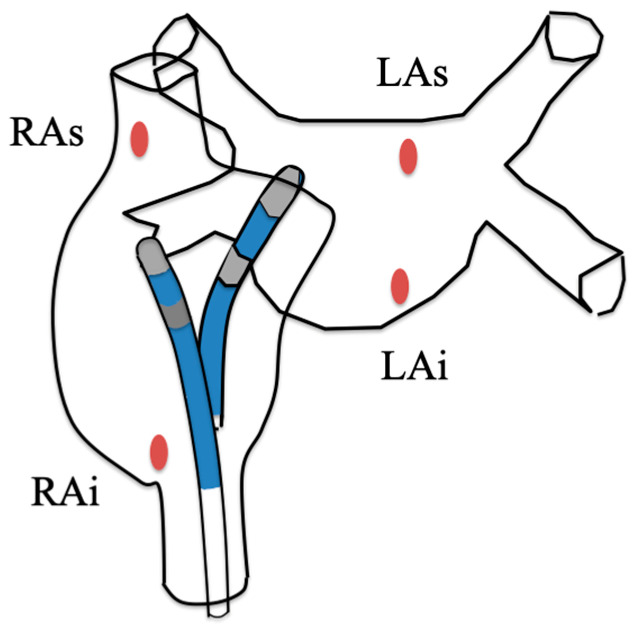 Figure 1
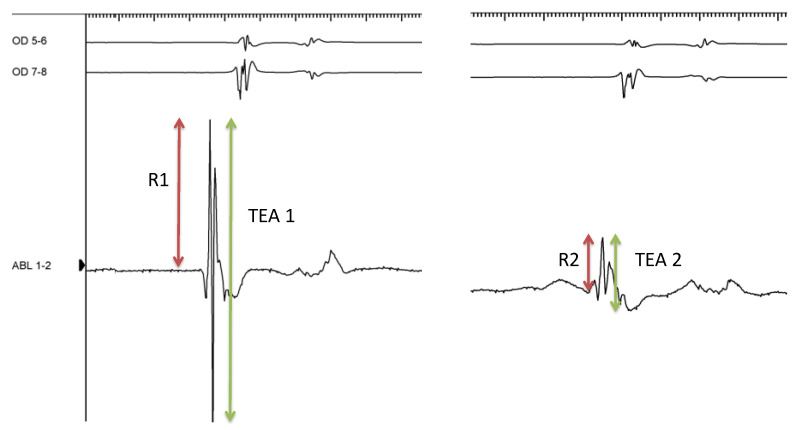 Figure 2
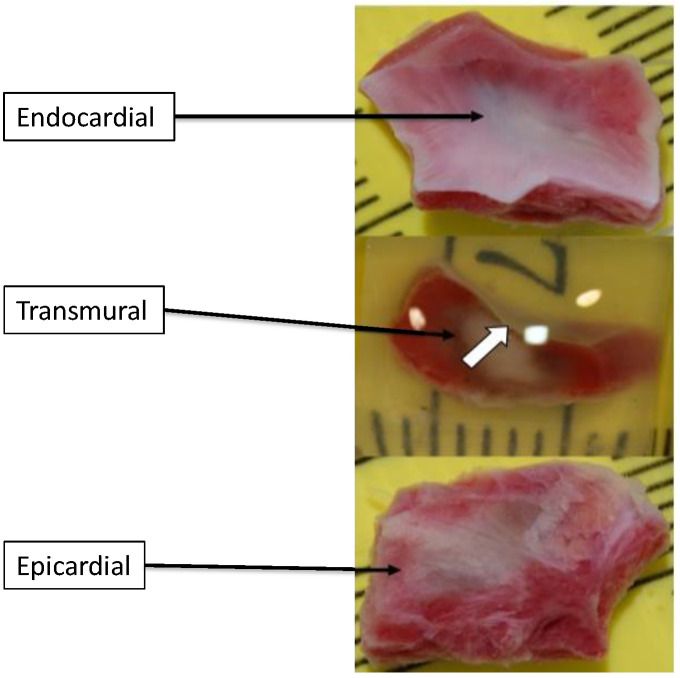 Figure 3
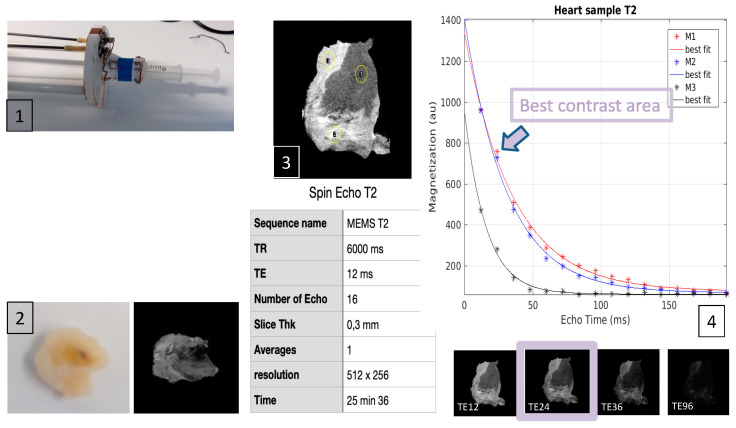 Figure 4
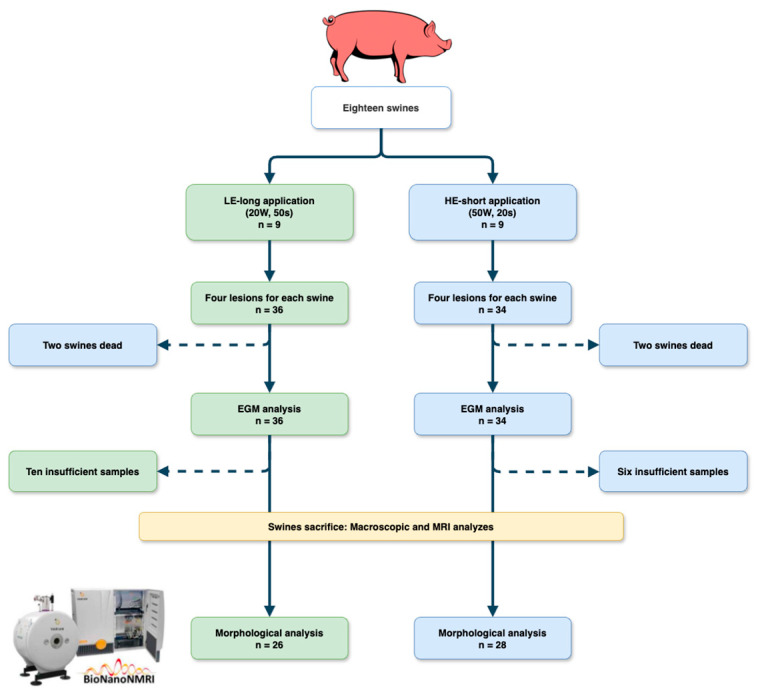 Figure 5
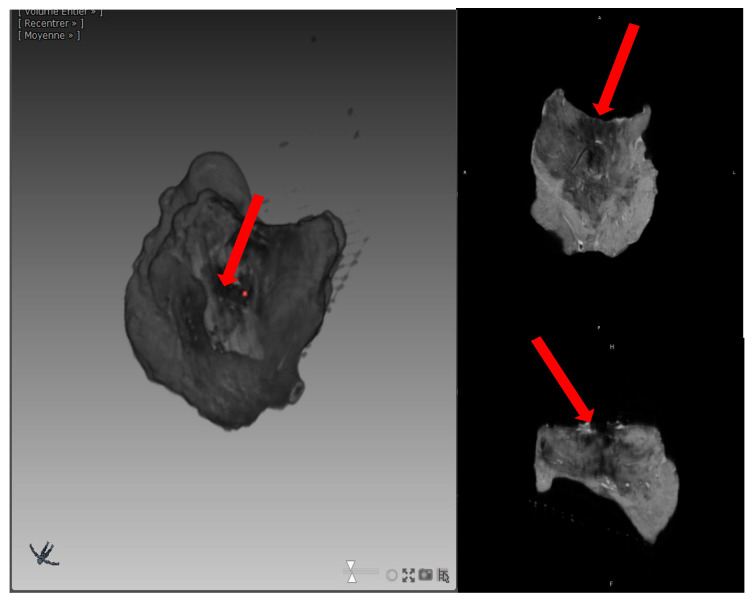 Figure 6
Peer Reviews
No public reviews on file for this paper yet. If you reviewed it on a platform where reviews are public (OpenReview, ICLR, NeurIPS, ICML), you can paste yours below so the community can read it here.
Videos
No videos yet. Explain this paper in a talk, walkthrough, or lecture? Add one.
Taxonomy
TopicsAtrial Fibrillation Management and Outcomes · Cardiac Arrhythmias and Treatments · Cardiac Valve Diseases and Treatments