Reduction in Olfactory Discomfort in Inhabited Premises from Areas with Mofettas through Cellulosic Derivative–Polypropylene Hollow Fiber Composite Membranes
Paul Constantin Albu, Andreia Pîrțac, Ludmila Motelica, Aurelia Cristina Nechifor, Geani Teodor Man, Alexandra Raluca Grosu, Szidonia-Katalin Tanczos, Vlad-Alexandru Grosu, Gheorghe Nechifor

TL;DR
This paper introduces a membrane system using cellulosic derivatives to reduce hydrogen sulfide smells in areas near volcanic mofettas.
Contribution
A novel composite membrane system using cellulosic derivatives and polypropylene hollow fibers is proposed for hydrogen sulfide removal.
Findings
The sodium carboxymethyl-cellulose (NaCMC) membrane showed the highest hydrogen sulfide removal efficiency.
Hydrogen sulfide flux rates varied with air flow, concentration, and pH of the cadmium solution.
The system effectively captures hydrogen sulfide, converting it into usable cadmium sulfide.
Abstract
Hydrogen sulfide is present in active or extinct volcanic areas (mofettas). The habitable premises in these areas are affected by the presence of hydrogen sulfide, which, even in low concentrations, gives off a bad to unbearable smell. If the living spaces considered are closed enclosures, then a system can be designed to reduce the concentration of hydrogen sulfide. This paper presents a membrane-based way to reduce the hydrogen sulfide concentration to acceptable limits using a cellulosic derivative–propylene hollow fiber-based composite membrane module. The cellulosic derivatives considered were: carboxymethyl–cellulose (NaCMC), P1; cellulose acetate (CA), P2; methyl 2–hydroxyethyl–cellulose (MHEC), P3; and hydroxyethyl–cellulose (HEC), P4. In the permeation module, hydrogen sulfide is captured with a solution of cadmium that forms cadmium sulfide, usable as a luminescent substance.…
Genes, proteins, chemicals, diseases, species, mutations and cell lines named across the full text — each resolved to its canonical identifier and authoritative record.
Click any figure to enlarge with its caption.
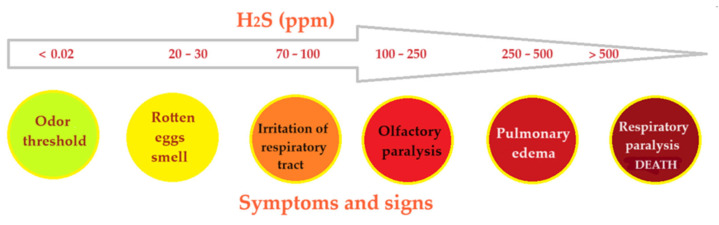 Figure 1
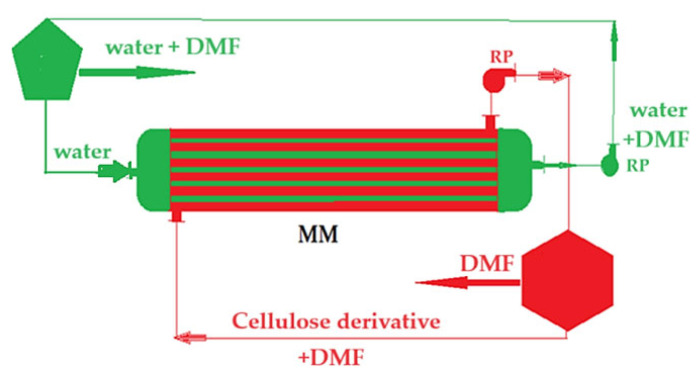 Figure 2
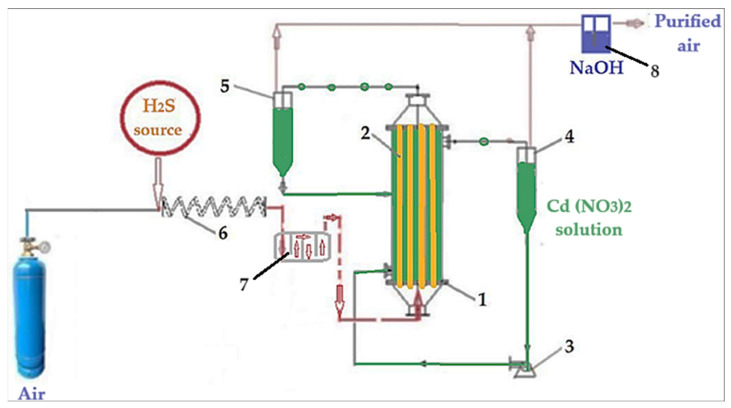 Figure 3
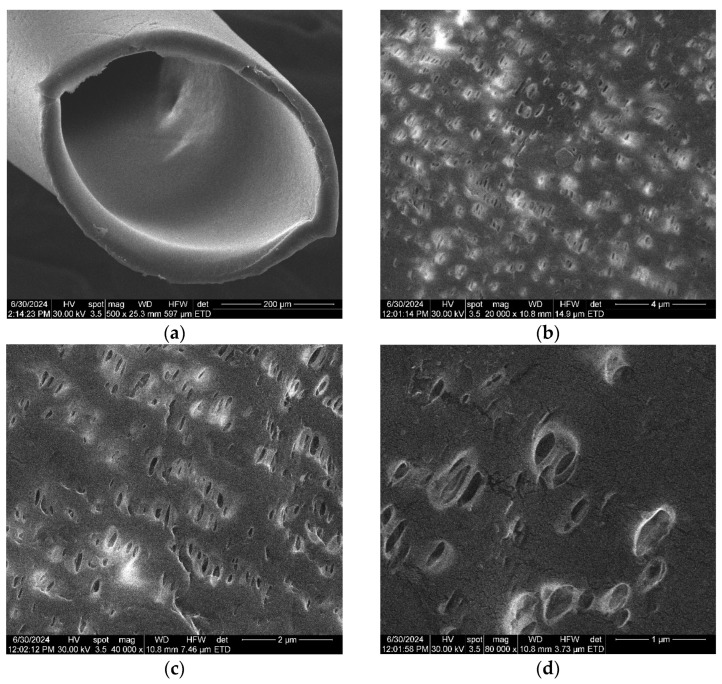 Figure 4
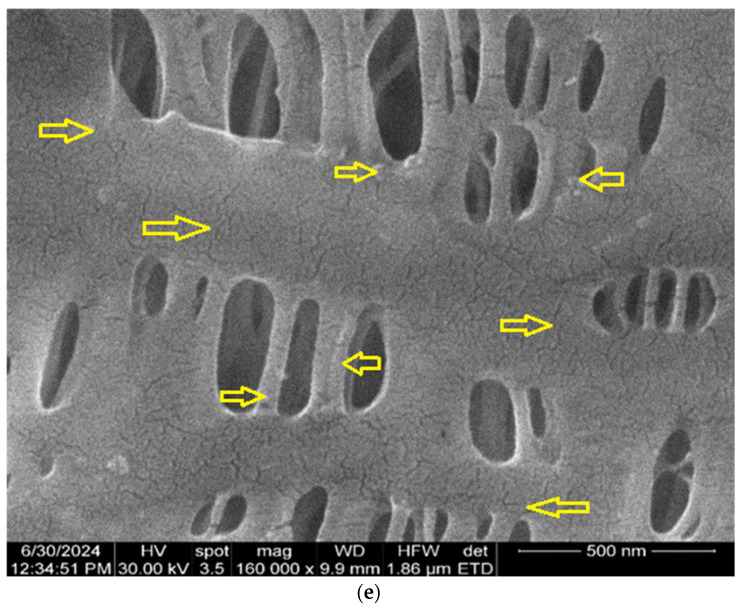 Figure 5
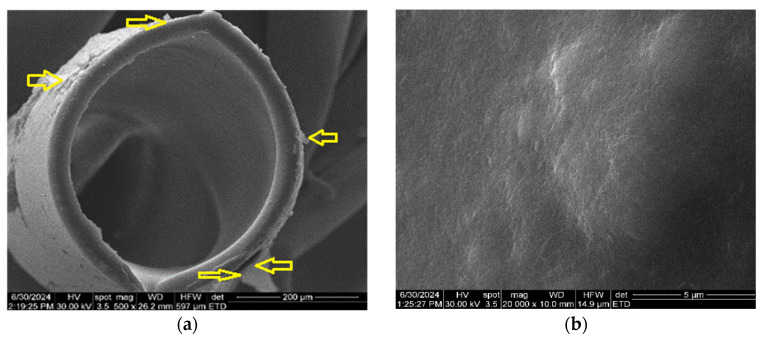 Figure 6
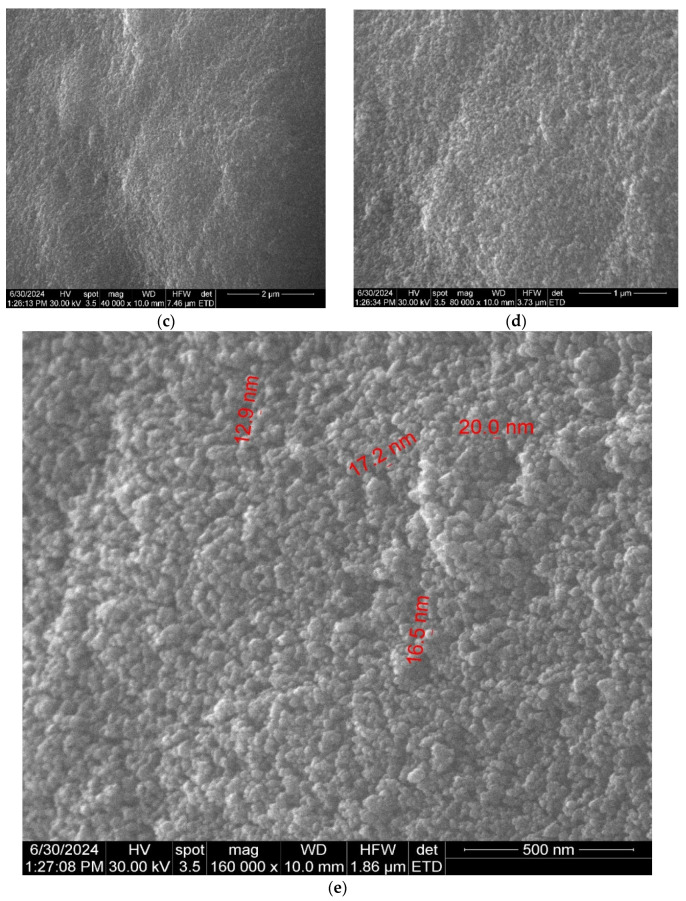 Figure 7
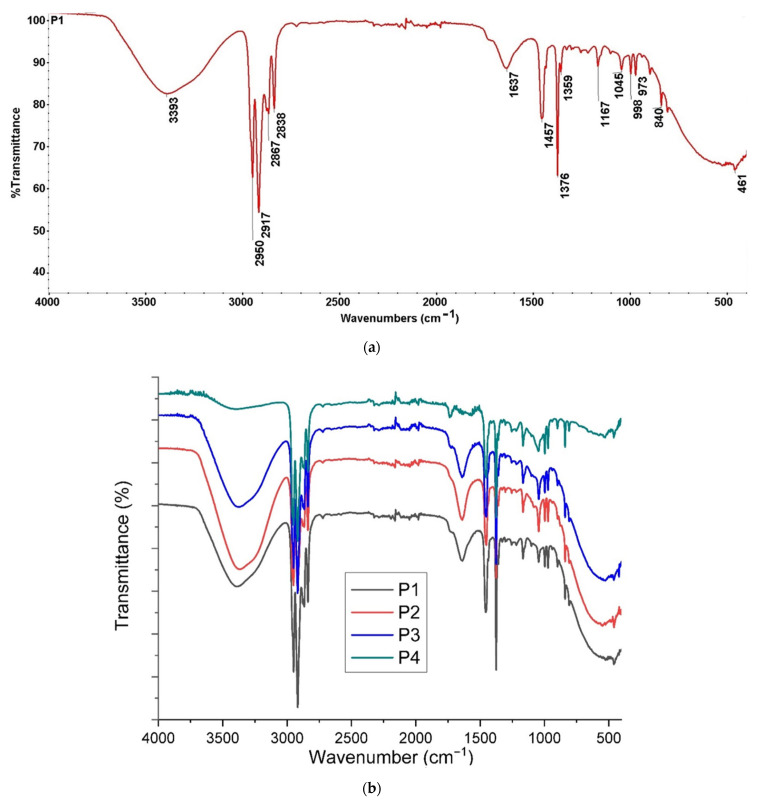 Figure 8
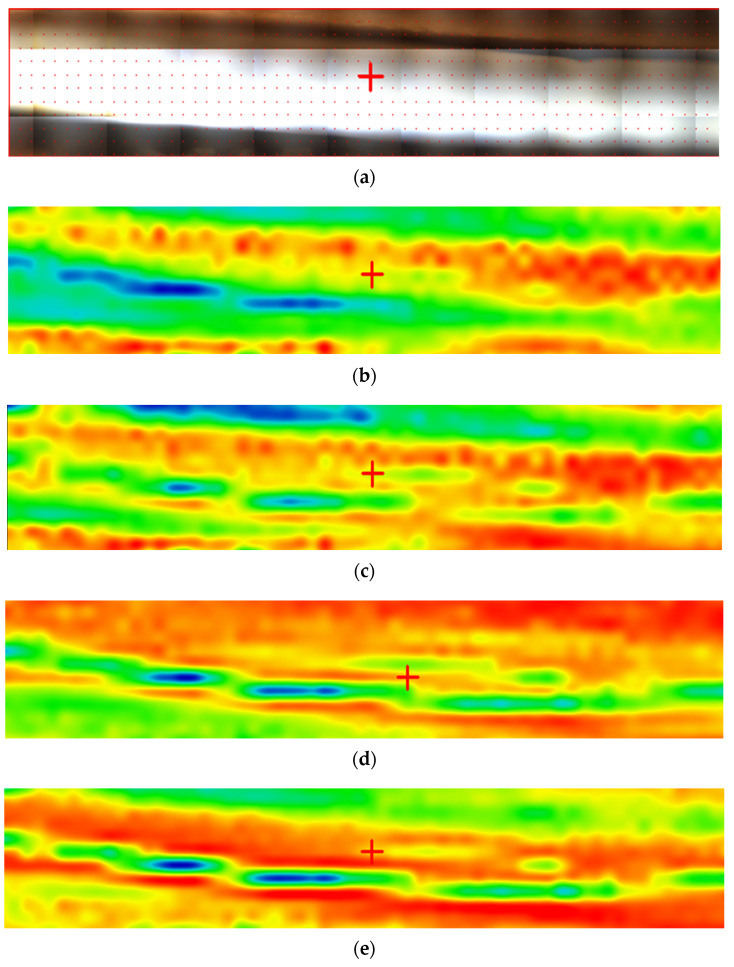 Figure 9
 Figure 10
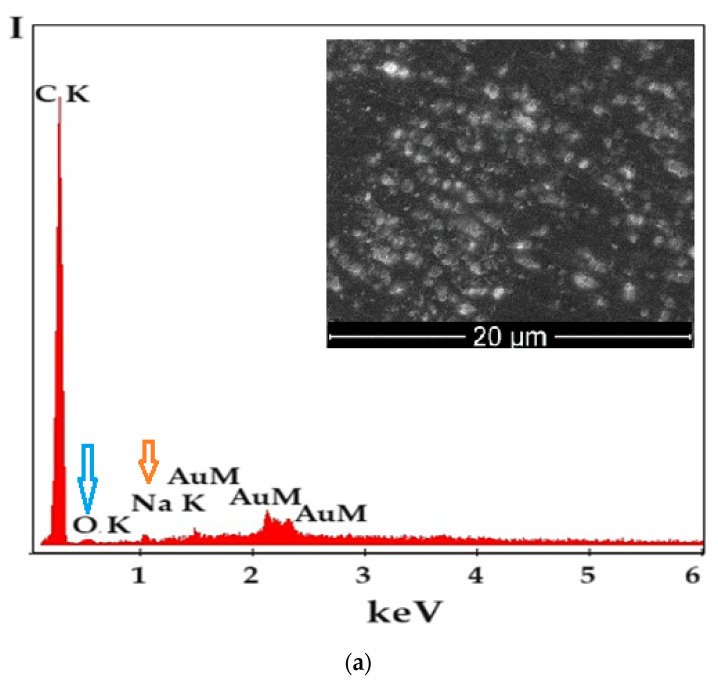 Figure 11
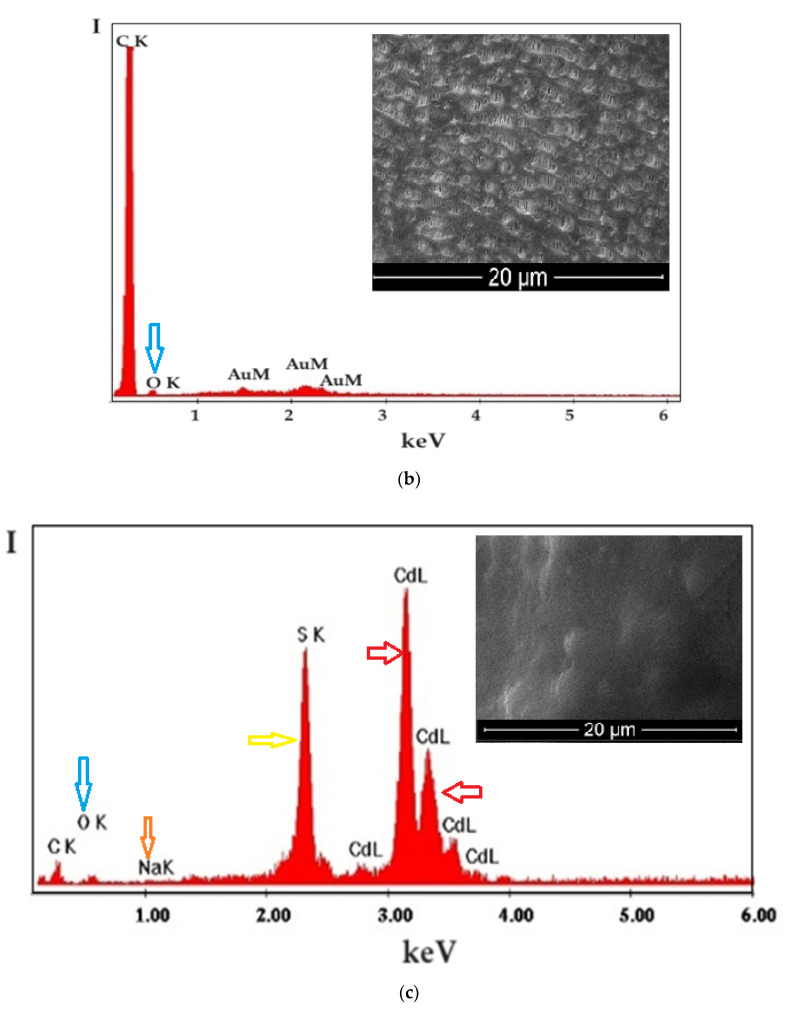 Figure 12
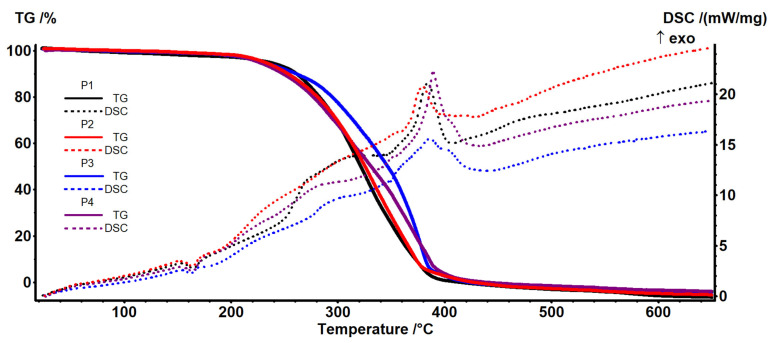 Figure 13
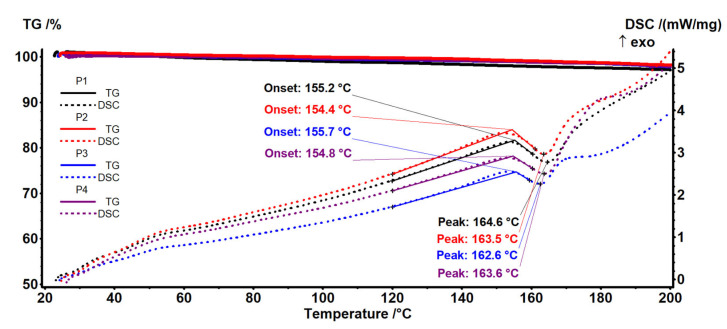 Figure 14
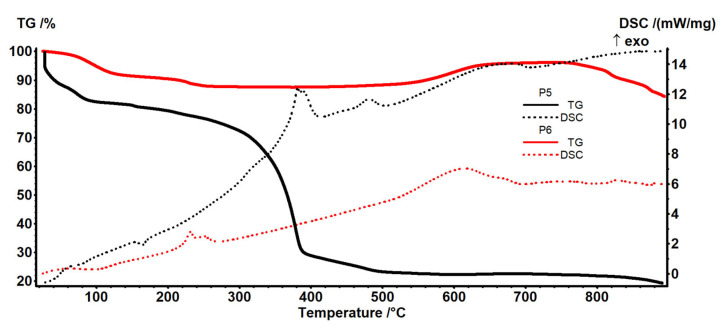 Figure 15
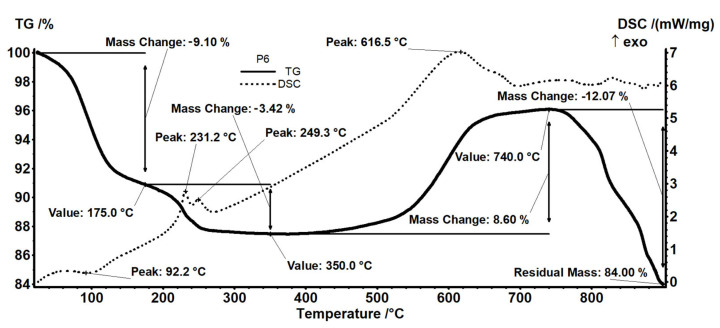 Figure 16
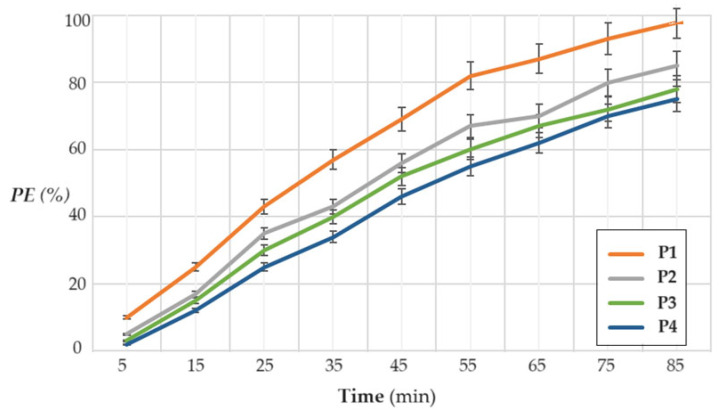 Figure 17
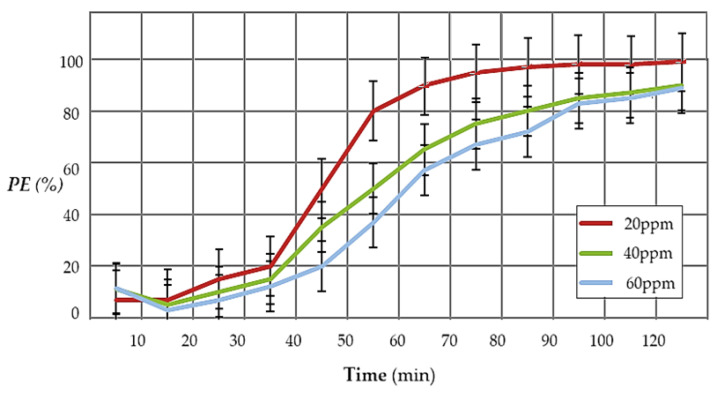 Figure 18
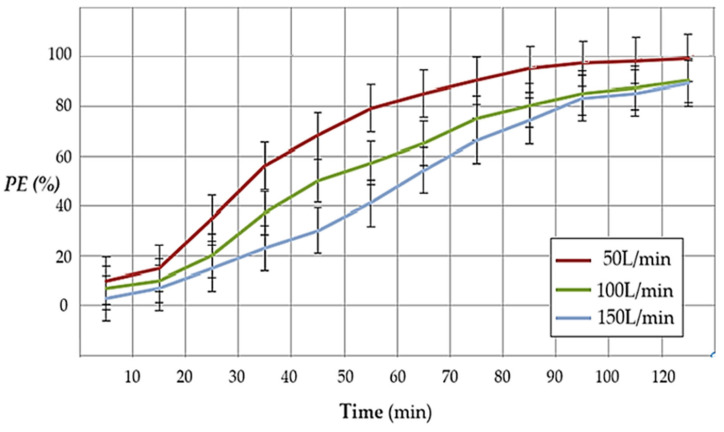 Figure 19
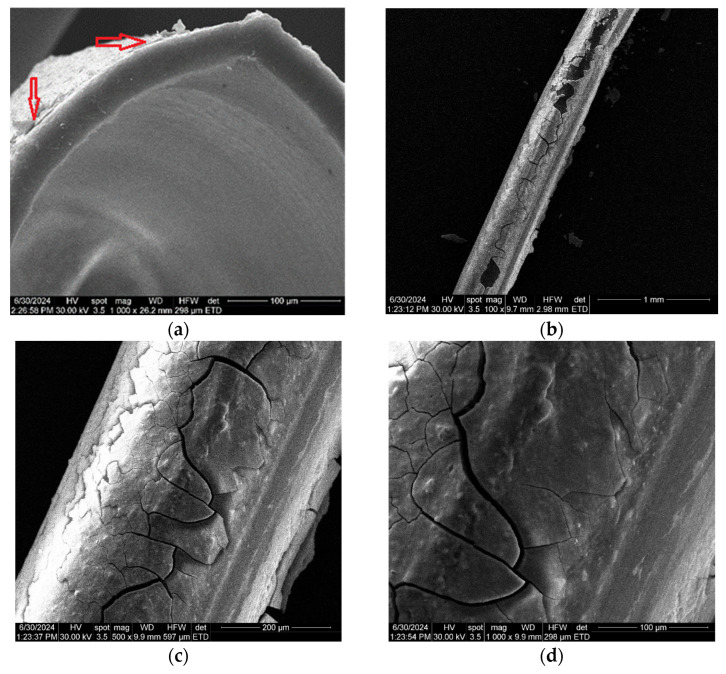 Figure 20
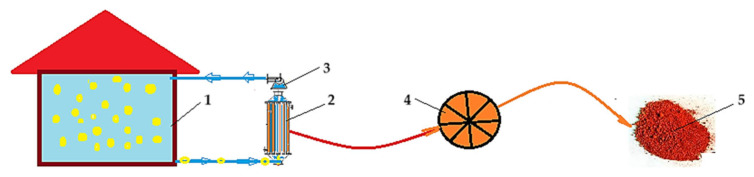 Figure 21
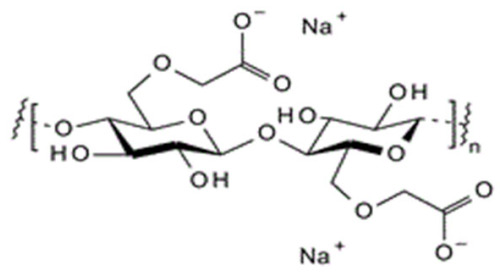 Figure 22
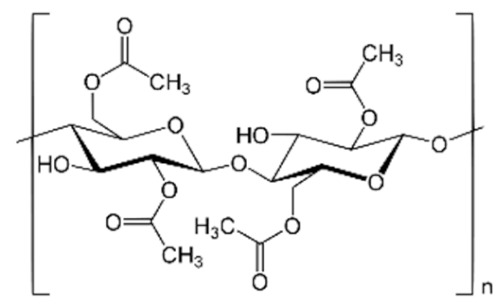 Figure 23
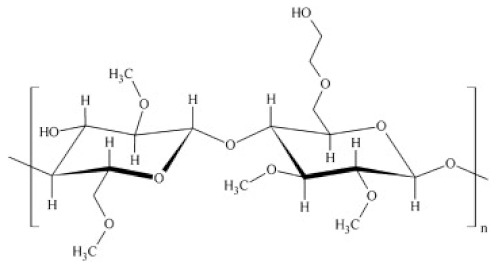 Figure 24
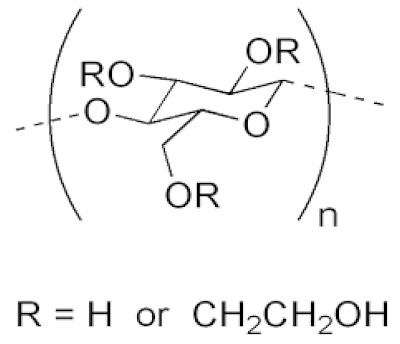 Figure 25
Peer Reviews
No public reviews on file for this paper yet. If you reviewed it on a platform where reviews are public (OpenReview, ICLR, NeurIPS, ICML), you can paste yours below so the community can read it here.
Videos
No videos yet. Explain this paper in a talk, walkthrough, or lecture? Add one.
Taxonomy
TopicsOlfactory and Sensory Function Studies · Advanced Chemical Sensor Technologies · Odor and Emission Control Technologies