On the Aptness of Material Constitutive Models for Simulating Nano-Scratching Processes
Hao Shen, Sivakumar Kulasegaram, Emmanuel Brousseau

TL;DR
This paper compares two material models for simulating nano-scratching and finds the Johnson–Cook model more accurate for predicting forces and surface features.
Contribution
The study provides a quantitative comparison of Johnson–Cook and elasto-plastic models for nano-scratching simulations using SPH.
Findings
The Johnson–Cook model produced cutting and normal forces closer to experimental data than the elasto-plastic model.
Nano-groove cross-sectional profiles simulated with the Johnson–Cook model matched experimental results better.
The Johnson–Cook model is preferable for SPH-based nano-scratching simulations.
Abstract
The simulation of nano-scratching on metallic substrates using smooth particle hydrodynamics (SPH) has been attempted by researchers in recent years. From a review of the existing SPH simulations of nano-scratching processes, it was found that mainly two different material constitutive models (i.e., the Johnson–Cook model and the elasto-plastic model) were employed to describe the material flow. In the majority of these investigations, the Johnson–Cook model was employed to characterise the stress flow of the material subjected to scratching. A natural question remains as to which material constitutive model is preferable for the SPH modelling of nano-scratching when quantitatively predicting the process outcomes. In this paper, a quantitative comparison of material responses during the nano-scratching of copper is reported when the process is simulated using SPH with two different…
Genes, proteins, chemicals, diseases, species, mutations and cell lines named across the full text — each resolved to its canonical identifier and authoritative record.
Click any figure to enlarge with its caption.
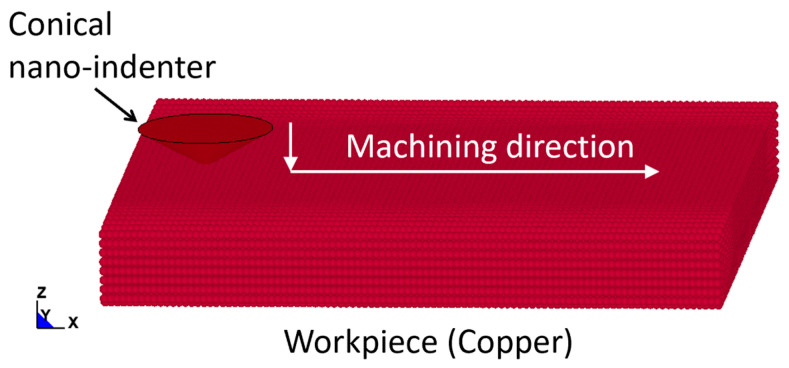 Figure 1
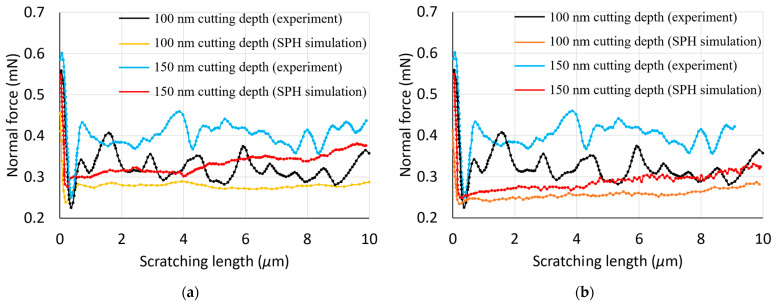 Figure 2
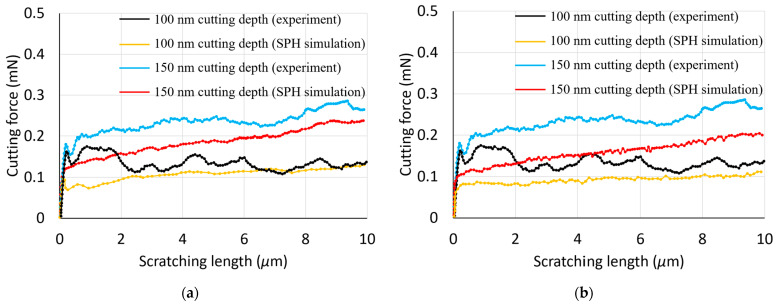 Figure 3
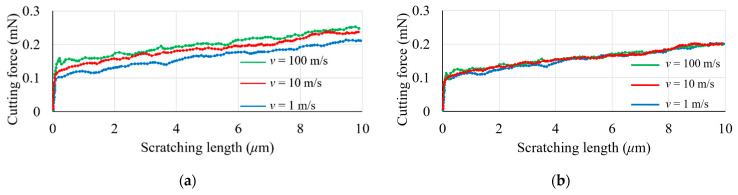 Figure 4
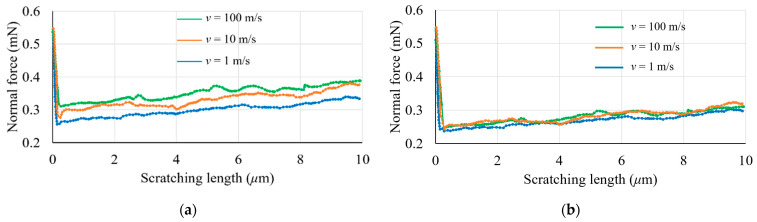 Figure 5
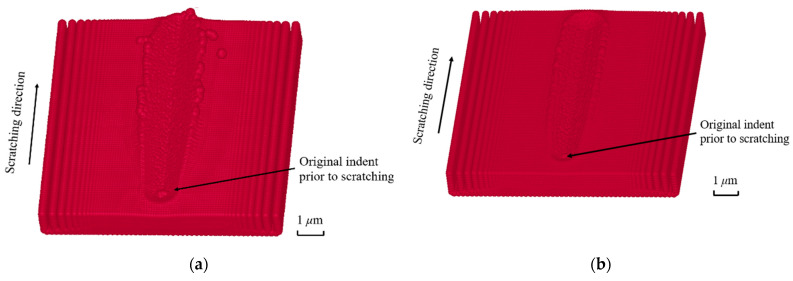 Figure 6
 Figure 7
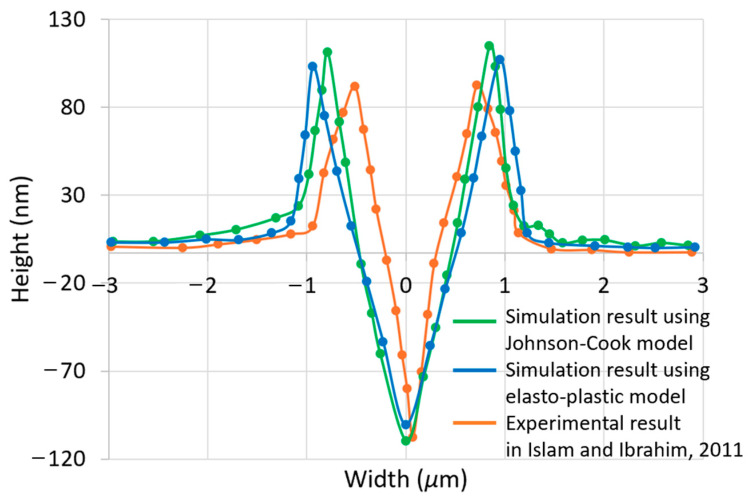 Figure 8
Peer Reviews
No public reviews on file for this paper yet. If you reviewed it on a platform where reviews are public (OpenReview, ICLR, NeurIPS, ICML), you can paste yours below so the community can read it here.
Videos
No videos yet. Explain this paper in a talk, walkthrough, or lecture? Add one.
Taxonomy
TopicsAdvanced Surface Polishing Techniques · Microstructure and mechanical properties · High-Velocity Impact and Material Behavior