Survey of Microstructures and Dimensional Accuracy of Various Microlattice Designs Using Additively Manufactured 718 Superalloy
Huan Li, Benjamin Stegman, Chao Shen, Shiyu Zhou, Anyu Shang, Yang Chen, Emiliano Joseph Flores, R. Edwin García, Xinghang Zhang, Haiyan Wang

TL;DR
This study explores how different microlattice designs and densities affect crack formation in 3D-printed 718 superalloy, aiming to improve lightweight structures for aerospace.
Contribution
The study identifies microlattice architecture and relative density as key factors influencing crack formation in additively manufactured 718 superalloy.
Findings
Complex microlattice designs and higher relative density increase large-scale crack formation in printed 718 superalloy.
Transmission electron microscopy reveals round γ″ precipitates of about 10 nm in as-printed 718 without heat treatment.
The work demonstrates the feasibility of using 718 superalloys for additive manufacturing of complex microlattices.
Abstract
Microlattices hold significant potential for developing lightweight structures for the aeronautics and astronautics industries. Laser Powder Bed Fusion (LPBF) is an attractive method for producing these structures due to its capacity for achieving high-resolution, intricately designed architectures. However, defects, such as cracks, in the as-printed alloys degrade mechanical properties, particularly tensile strength, and thereby limit their applications. This study examines the effects of microlattice architecture and relative density on crack formation in the as-printed 718 superalloy. Complex microlattice design and higher relative density are more prone to large-scale crack formation. The mechanisms behind these phenomena are discussed. This study reveals that microlattice type and relative density are crucial factors in defect formation in LPBF metallic alloys. The transmission…
Click any figure to enlarge with its caption.
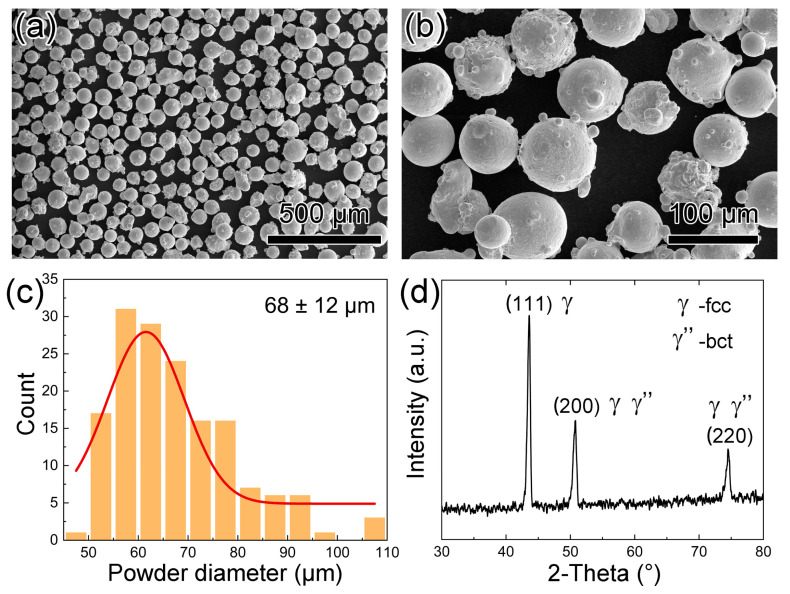 Figure 1
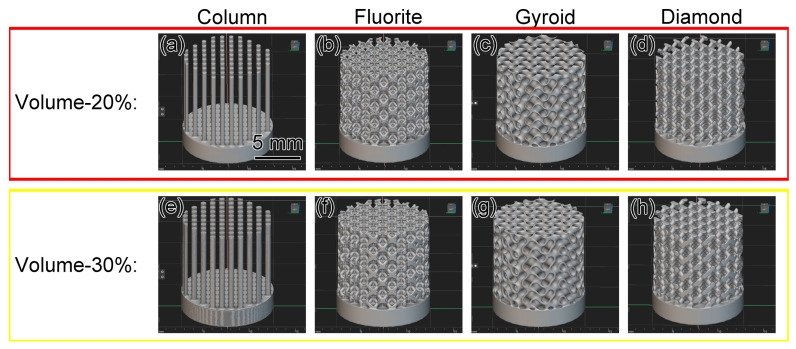 Figure 2
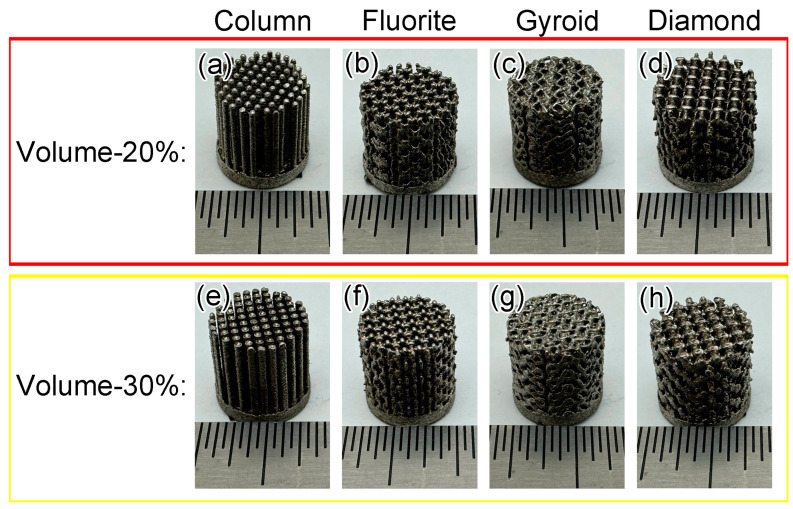 Figure 3
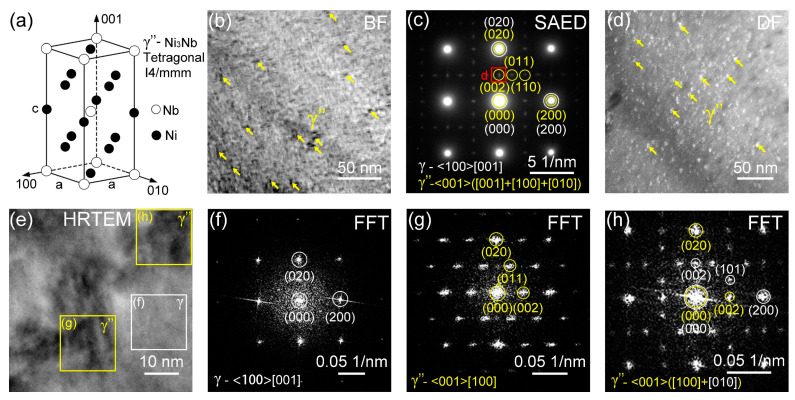 Figure 4
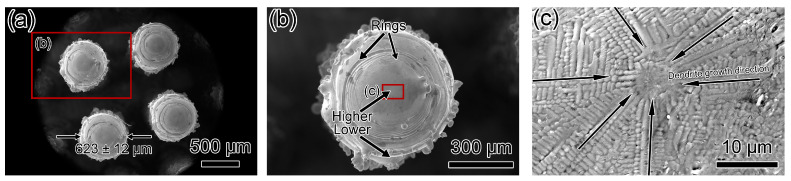 Figure 5
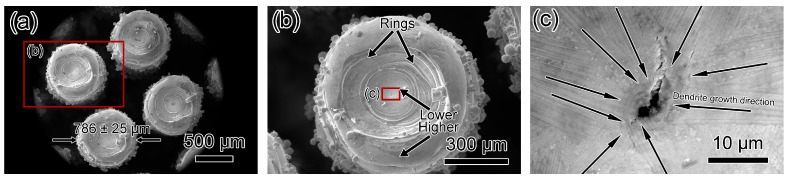 Figure 6
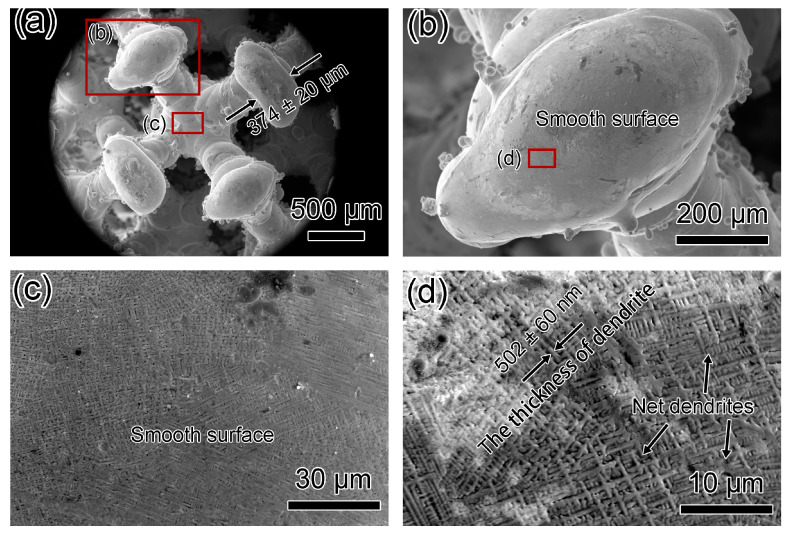 Figure 7
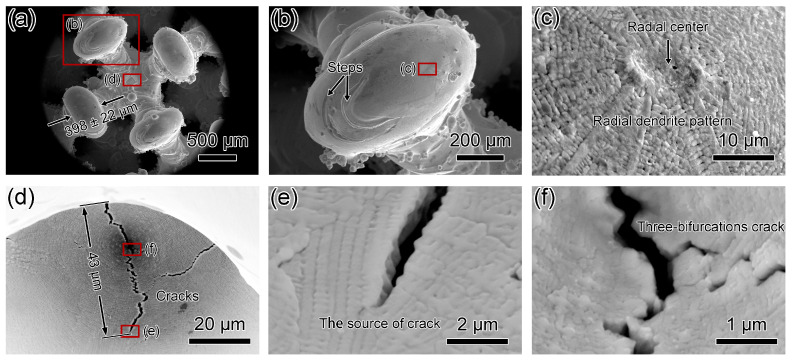 Figure 8
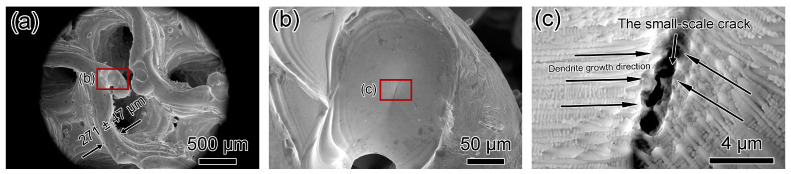 Figure 9
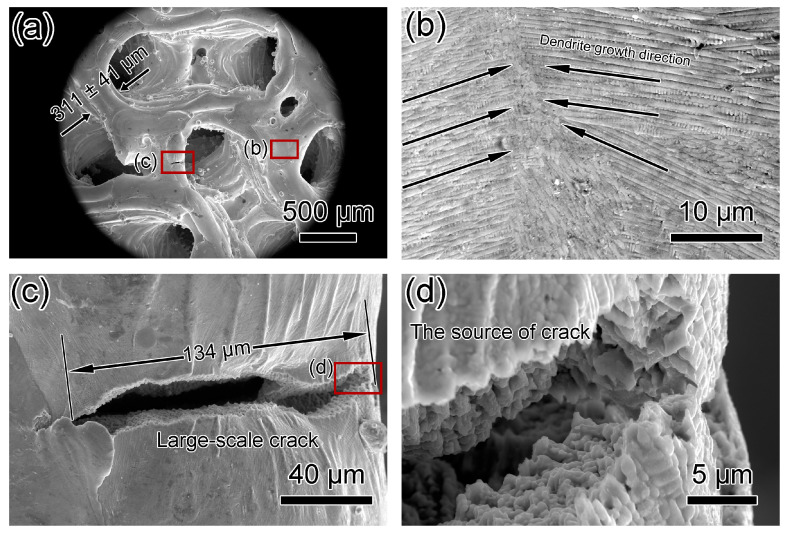 Figure 10
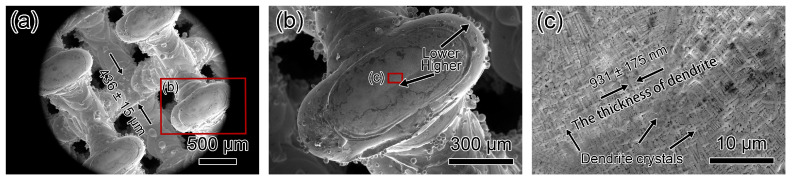 Figure 11
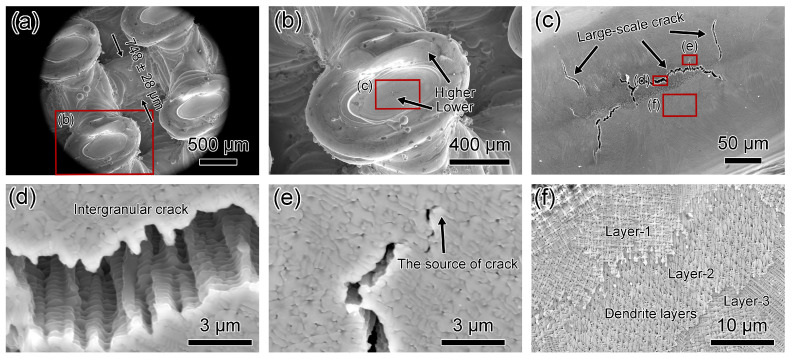 Figure 12
 Figure 13
Peer Reviews
No public reviews on file for this paper yet. If you reviewed it on a platform where reviews are public (OpenReview, ICLR, NeurIPS, ICML), you can paste yours below so the community can read it here.
Videos
No videos yet. Explain this paper in a talk, walkthrough, or lecture? Add one.
Taxonomy
TopicsAdditive Manufacturing Materials and Processes · Additive Manufacturing and 3D Printing Technologies · Laser Material Processing Techniques