Aggression to Biomembranes by Hydrophobic Tail Chains under the Stimulus of Reductant
Sijia Wang, Huifang Xu, Yuanyuan Li, Lingyi Zhang, Shouhong Xu

TL;DR
This paper explores how peptides with hydrophobic tails can damage tumor-like membranes when triggered by a reductant, showing potential for smart antitumor therapies.
Contribution
The study introduces new peptides with redox-responsive viologen derivatives that selectively damage tumor membranes under reductant stimulus.
Findings
Pep-CnV peptides showed increased interaction with DPPG liposomes (tumor-like membranes) under reductant stimulus.
Membrane destruction was more pronounced with longer hydrophobic tail chains in the peptides.
The peptides demonstrated potential as intelligent antitumor agents due to their stimulus-responsive behavior.
Abstract
Stimulus-responsive materials hold significant promise for antitumor applications due to their variable structures and physical properties. In this paper, a series of peptides with a responsive viologen derivative, Pep-CnV (n = 1, 2, 3) were designed and synthesized. The process and mechanism of the interaction were studied and discussed. An ultraviolet–visible (UV) spectrophotometer and fluorescence spectrophotometer were used to study their redox responsiveness. Additionally, their secondary structures were measured by Circular Dichroism (CD) in the presence or absence of the reductant, Na2SO3. DPPC and DPPG liposomes were prepared to mimic normal and tumor cell membranes. The interaction between Pep-CnV and biomembranes was investigated by the measurements of surface tension and cargo leakage. Results proved Pep-CnV was more likely to interact with the DPPG liposome and destroy its…
Genes, proteins, chemicals, diseases, species, mutations and cell lines named across the full text — each resolved to its canonical identifier and authoritative record.
Click any figure to enlarge with its caption.
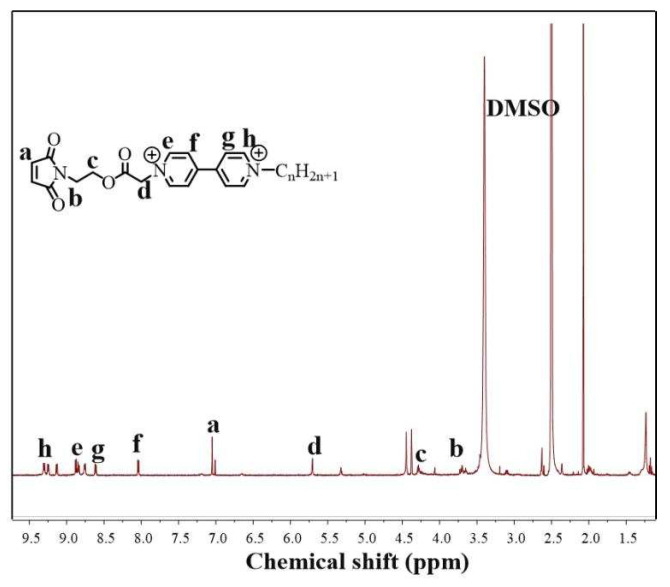 Figure 1
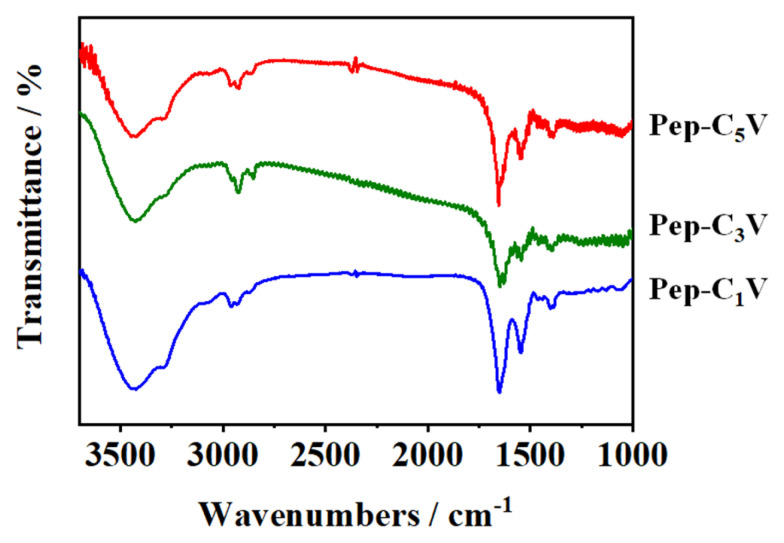 Figure 2
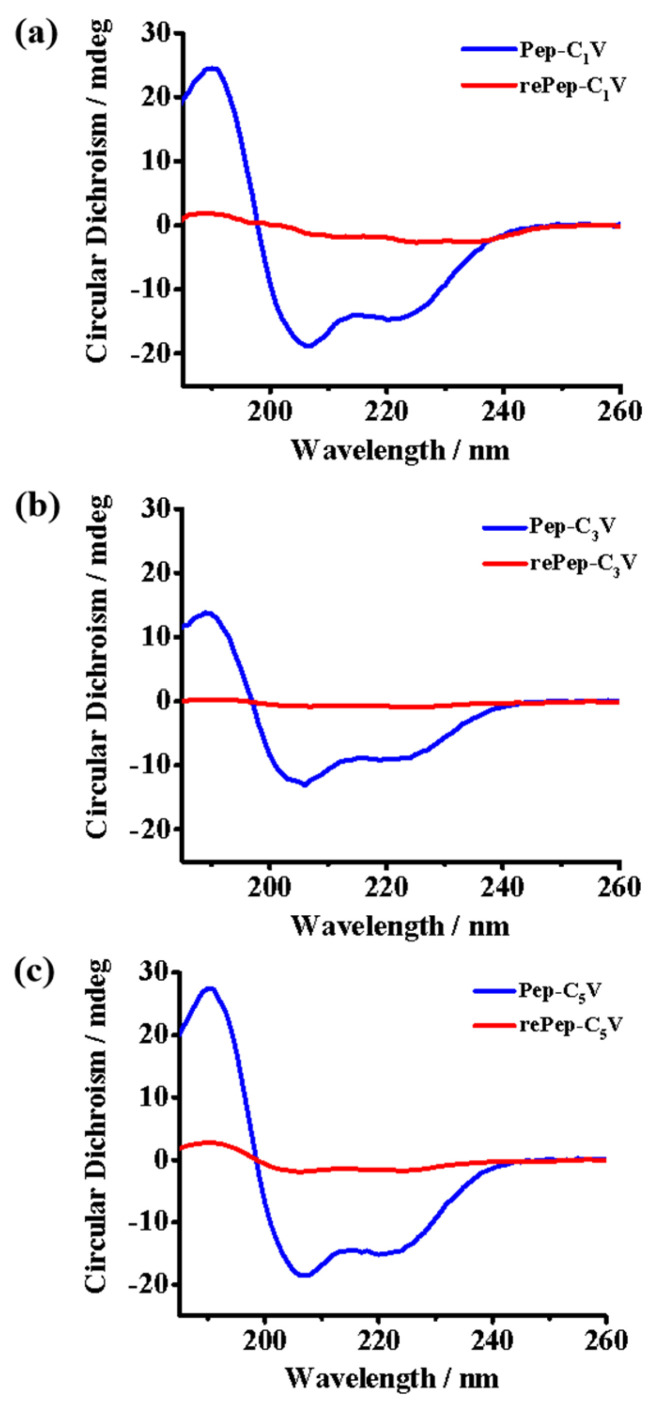 Figure 3
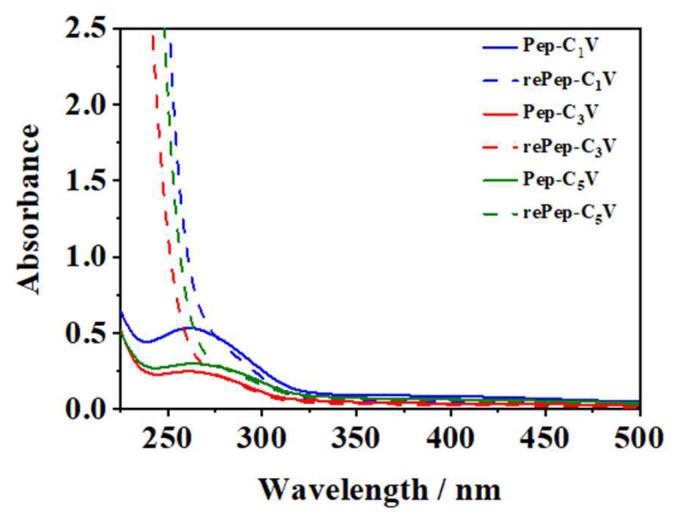 Figure 4
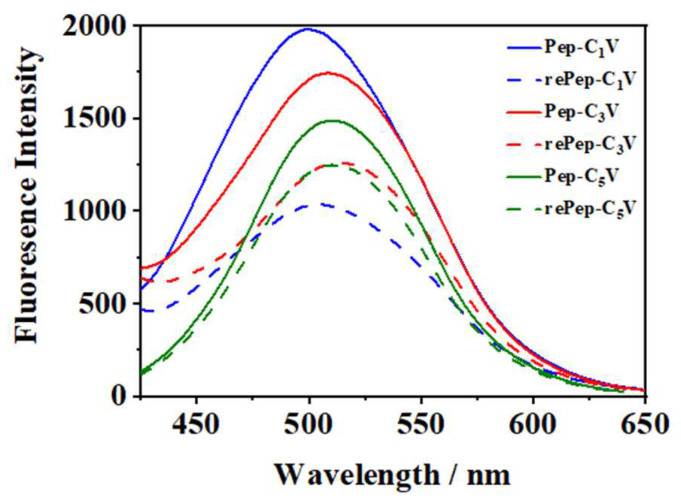 Figure 5
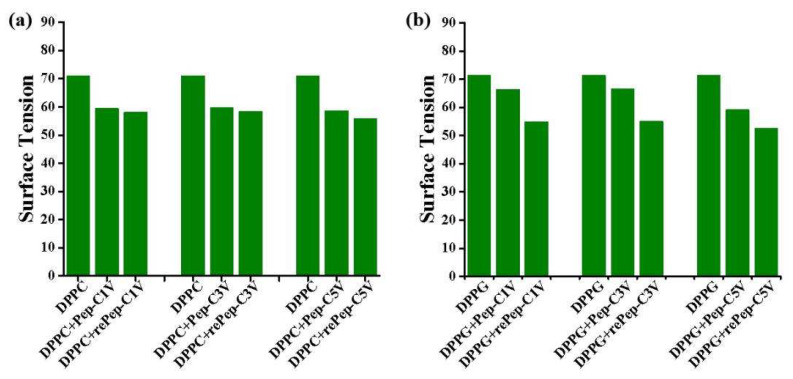 Figure 6
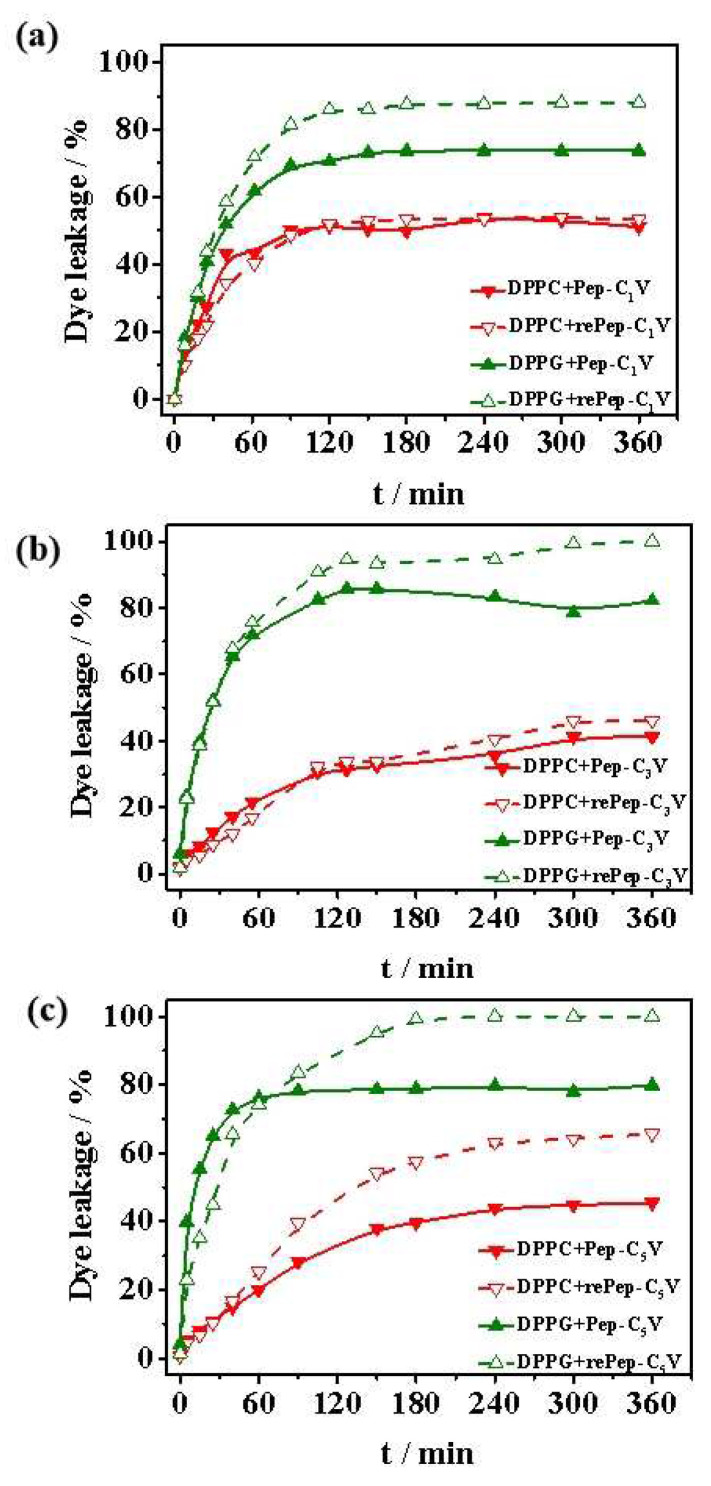 Figure 7
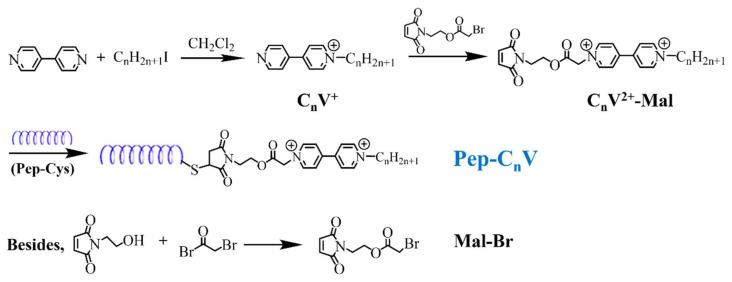 Figure 8
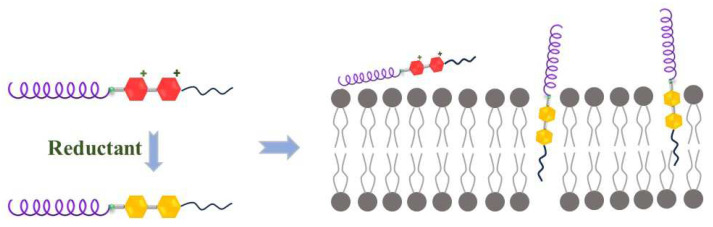 Figure 9
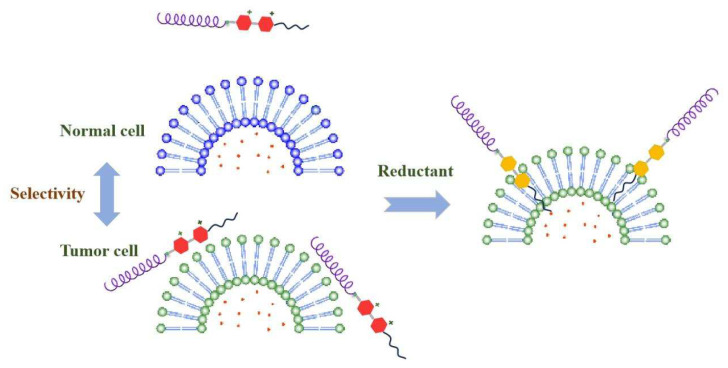 Figure 10
Peer Reviews
No public reviews on file for this paper yet. If you reviewed it on a platform where reviews are public (OpenReview, ICLR, NeurIPS, ICML), you can paste yours below so the community can read it here.
Videos
No videos yet. Explain this paper in a talk, walkthrough, or lecture? Add one.
Taxonomy
TopicsSupramolecular Self-Assembly in Materials · Advanced biosensing and bioanalysis techniques · Lipid Membrane Structure and Behavior