One-Year Analysis of Autologous Peripheral Blood Mononuclear Cells as Adjuvant Therapy in Treatment of Diabetic Revascularizable Patients Affected by Chronic Limb-Threatening Ischemia: Real-World Data from Italian Registry ROTARI
Sergio Furgiuele, Enrico Cappello, Massimo Ruggeri, Daniele Camilli, Giancarlo Palasciano, Massimiliano Walter Guerrieri, Stefano Michelagnoli, Vittorio Dorrucci, Francesco Pompeo

TL;DR
This study shows that using autologous peripheral blood mononuclear cells as an adjuvant therapy improves wound healing and limb salvage in diabetic patients with severe leg ischemia.
Contribution
The study provides real-world evidence of PBMNCs' effectiveness in improving outcomes for diabetic patients with chronic limb-threatening ischemia.
Findings
94.26% limb rescue rate after one year of PBMNC therapy.
65.59% of patients achieved complete wound healing within a year.
PBMNCs significantly improved pain relief and peripheral oxygenation.
Abstract
Wounds in diabetic patients with peripheral arterial disease (PAD) may be poorly responsive to revascularization and conventional therapies. Background/Objective: This study’s objective is to analyze the results of regenerative cell therapy with peripheral blood mononuclear cells (PBMNCs) as an adjuvant to revascularization. Methods: This study is based on 168 patients treated with endovascular revascularization below the knee plus three PBMNC implants. The follow-up included clinical outcomes at 1-2-3-6 and 12 months based on amputations, wound healing, pain, and TcPO2. Results: The results at 1 year for 122 cases showed a limb rescue rate of 94.26%, a complete wound healing in 65.59% of patients, and an improvement in the wound area, significant pain relief, and increased peripheral oxygenation. In total, 64.51% of patients completely healed at 6 months, compared to the longer wound…
Genes, proteins, chemicals, diseases, species, mutations and cell lines named across the full text — each resolved to its canonical identifier and authoritative record.
Click any figure to enlarge with its caption.
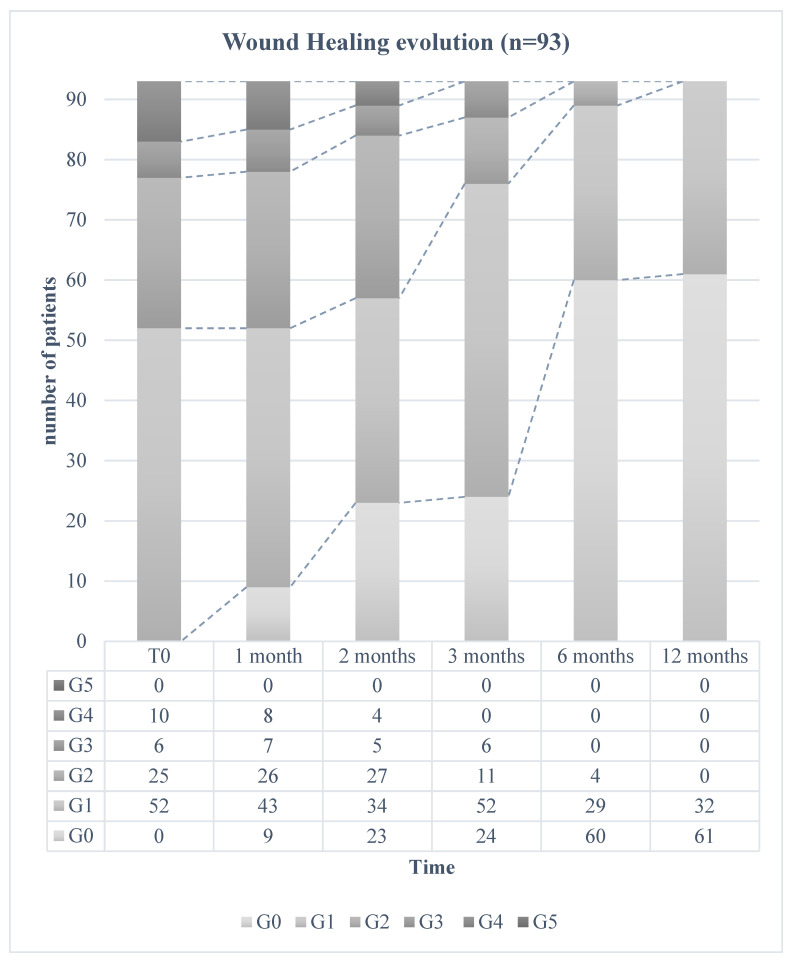 Figure 1
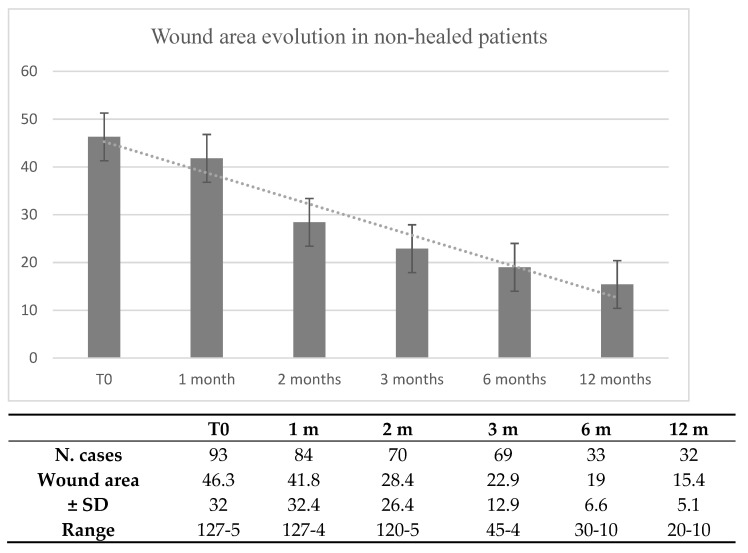 Figure 2
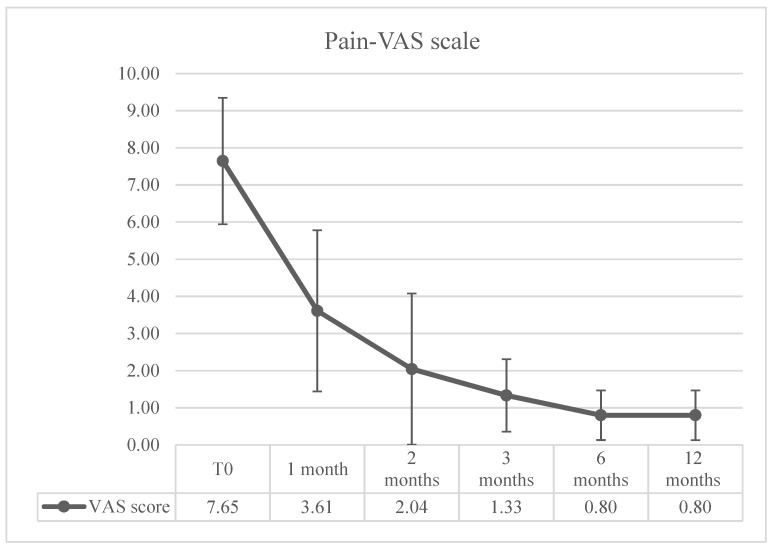 Figure 3
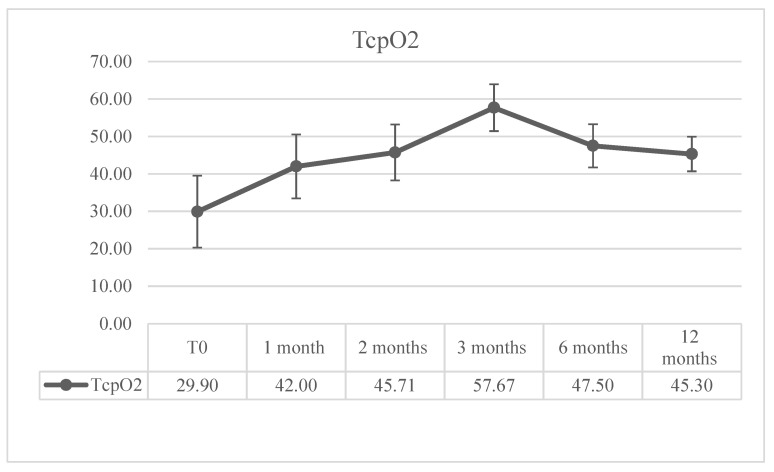 Figure 4
Peer Reviews
No public reviews on file for this paper yet. If you reviewed it on a platform where reviews are public (OpenReview, ICLR, NeurIPS, ICML), you can paste yours below so the community can read it here.
Videos
No videos yet. Explain this paper in a talk, walkthrough, or lecture? Add one.
Taxonomy
TopicsPeripheral Artery Disease Management · Angiogenesis and VEGF in Cancer · Diabetic Foot Ulcer Assessment and Management