Molecular Characterization of Odorant-Binding Protein Genes Associated with Host-Seeking Behavior in Oides leucomelaena
Ning Zhao, Kai Li, Huifen Ma, Lianrong Hu, Yingxue Yang, Ling Liu

TL;DR
This study identifies specific odorant-binding proteins in Oides leucomelaena that help it locate hosts, offering insights for biological control strategies.
Contribution
The study identifies three antennae-specific odorant-binding proteins and their high-affinity volatiles in Oides leucomelaena.
Findings
42 candidate OBPs, 8 chemosensory proteins, and 27 receptors were identified in O. leucomelaena.
OleuOBP3, OleuOBP5, and OleuOBP6 were confirmed as antennae-specific OBPs through volatile fumigation experiments.
Molecular docking showed these OBPs have high affinity for β-caryophyllene in star anise volatiles.
Abstract
The identification of odorant-binding proteins (OBPs) involved in host location by Oides leucomelaena (O. leucomelaena Weise, 1922, Coleoptera, Galerucinae) is significant for its biological control. Tools in the NCBI database were used to compare and analyze the transcriptome sequences of O. leucomelaena with OBP and other chemosensory-related proteins of other Coleoptera insects. Subsequently, MEGA7 was utilized for OBP sequence alignment and the construction of a phylogenetic tree, combined with expression profiling to screen for candidate antennae-specific OBPs. In addition, fumigation experiments with star anise volatiles were conducted to assess the antennae specificity of the candidate OBPs. Finally, molecular docking was employed to speculate on the binding potential of antennae-specific OBPs with star anise volatiles. The study identified 42 candidate OBPs, 8 chemosensory…
Genes, proteins, chemicals, diseases, species, mutations and cell lines named across the full text — each resolved to its canonical identifier and authoritative record.
Click any figure to enlarge with its caption.
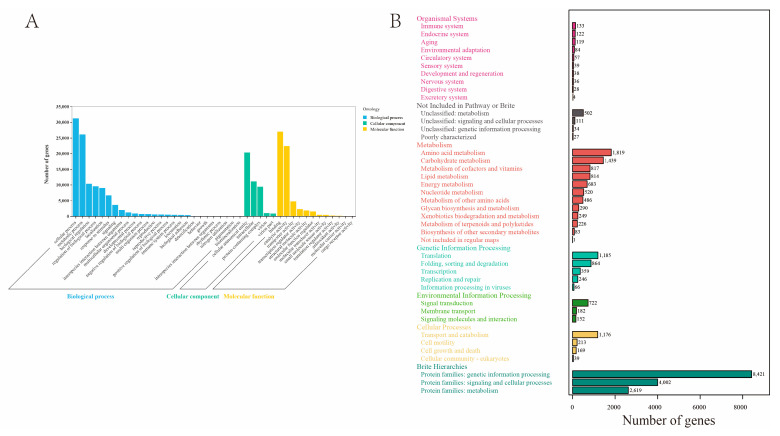 Figure 1
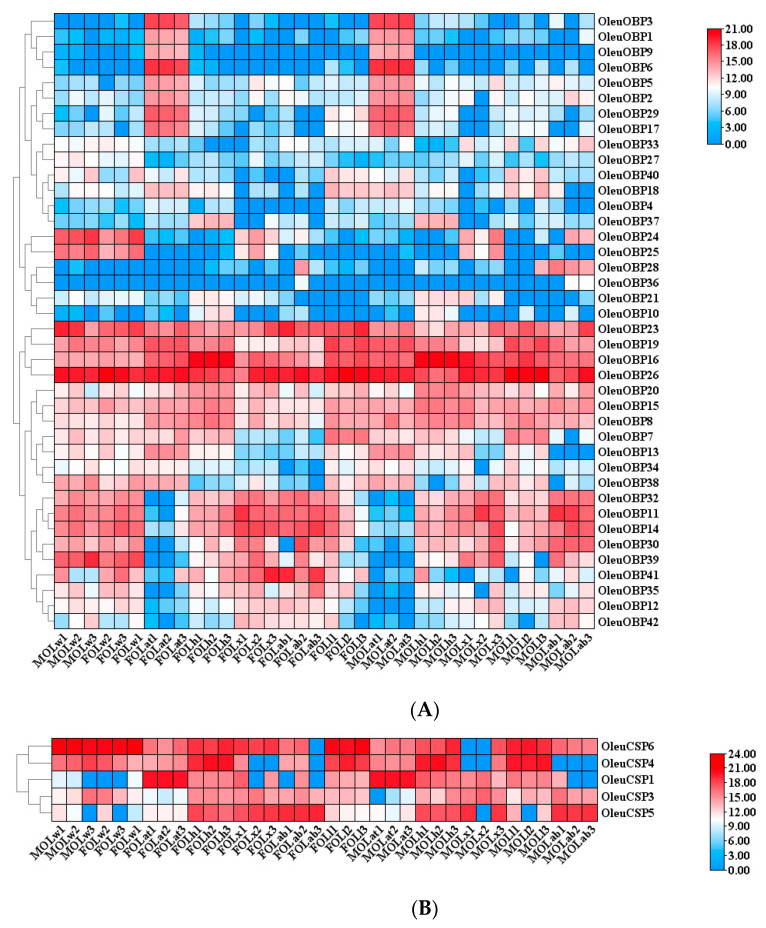 Figure 2
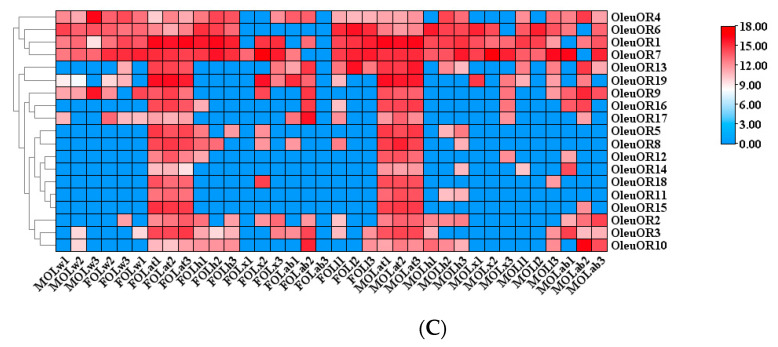 Figure 3
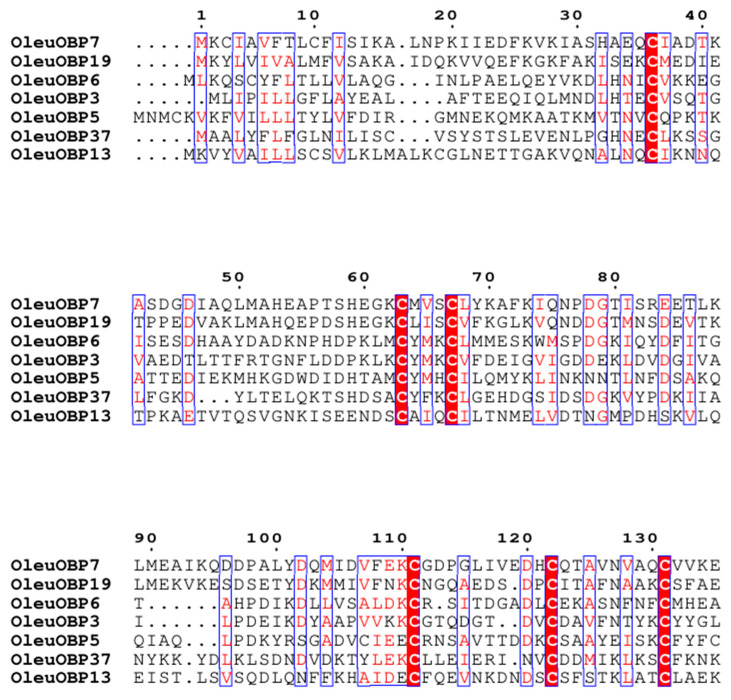 Figure 4
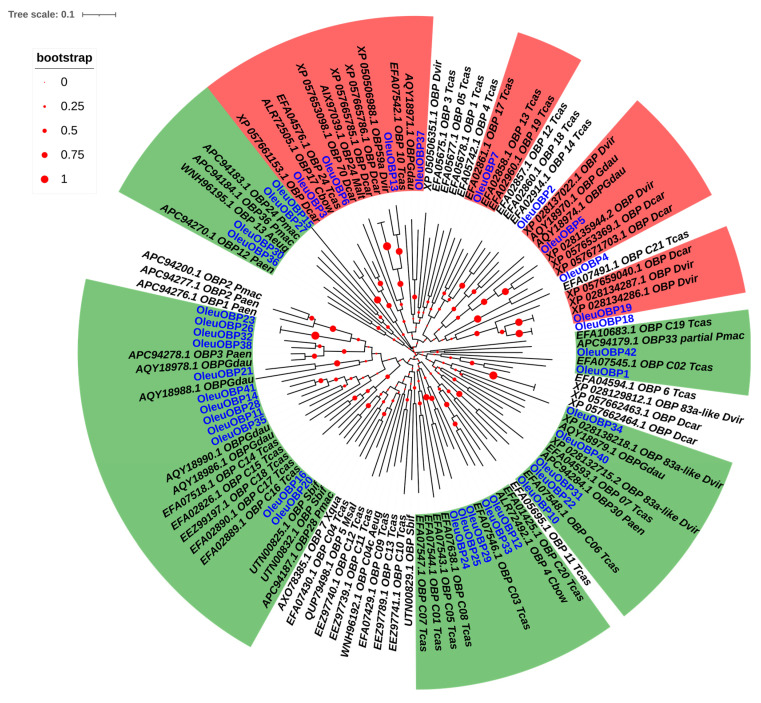 Figure 5
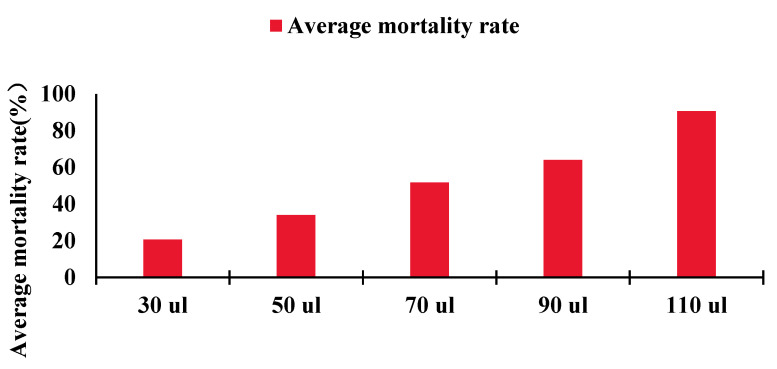 Figure 6
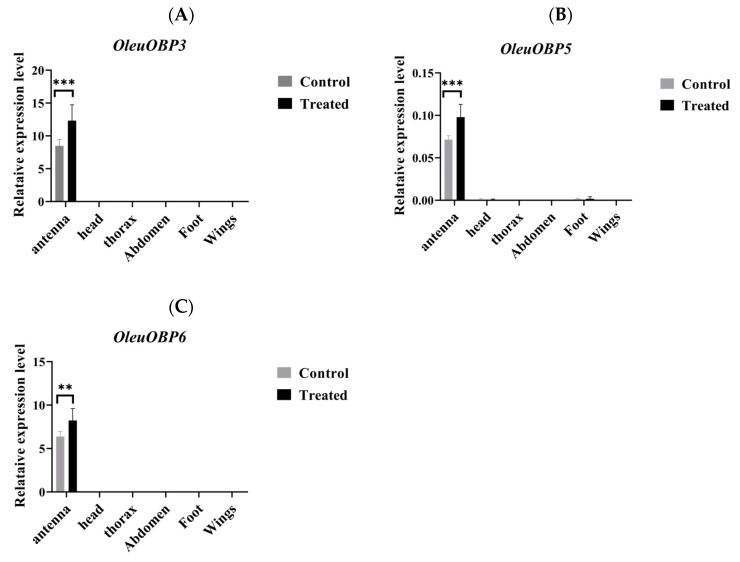 Figure 7
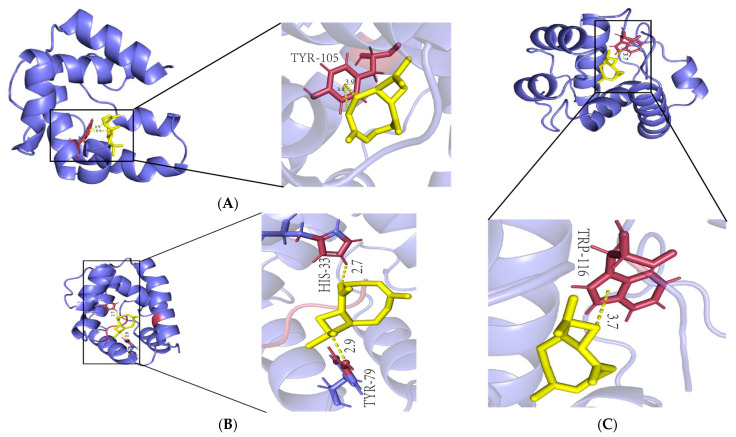 Figure 8
Peer Reviews
No public reviews on file for this paper yet. If you reviewed it on a platform where reviews are public (OpenReview, ICLR, NeurIPS, ICML), you can paste yours below so the community can read it here.
Videos
No videos yet. Explain this paper in a talk, walkthrough, or lecture? Add one.
Taxonomy
TopicsBusiness Process Modeling and Analysis · Scheduling and Optimization Algorithms