Sociodemographic Variables in Offender and Non-Offender Patients Diagnosed with Schizophrenia Spectrum Disorders—An Explorative Analysis Using Machine Learning
Andreas B. Hofmann, Marc Dörner, Lena Machetanz, Johannes Kirchebner

TL;DR
This study uses machine learning to explore sociodemographic differences between patients with schizophrenia who have committed offenses and those who have not.
Contribution
The novel aspect is applying machine learning to identify sociodemographic patterns in schizophrenia patients with and without criminal behavior.
Findings
Gradient boosting was the most effective machine learning algorithm for the dataset.
Three sociodemographic variables (country of birth, residence status, and educational status) were most relevant for discrimination.
The model had a moderate AUC of 0.65, indicating limited ability to distinguish offender and non-offender patients based on sociodemographics.
Abstract
With the growing availability of medical data and the enhanced performance of computers, new opportunities for data analysis in research are emerging. One of these modern approaches is machine learning (ML), an advanced form of statistics broadly defined as the application of complex algorithms. ML provides innovative methods for detecting patterns in complex datasets. This enables the identification of correlations or the prediction of specific events. These capabilities are especially valuable for multifactorial phenomena, such as those found in mental health and forensic psychiatry. ML also allows for the quantification of the quality of the emerging statistical model. The present study aims to examine various sociodemographic variables in order to detect differences in a sample of 370 offender patients and 370 non-offender patients, all with schizophrenia spectrum disorders, through…
Genes, proteins, chemicals, diseases, species, mutations and cell lines named across the full text — each resolved to its canonical identifier and authoritative record.
Click any figure to enlarge with its caption.
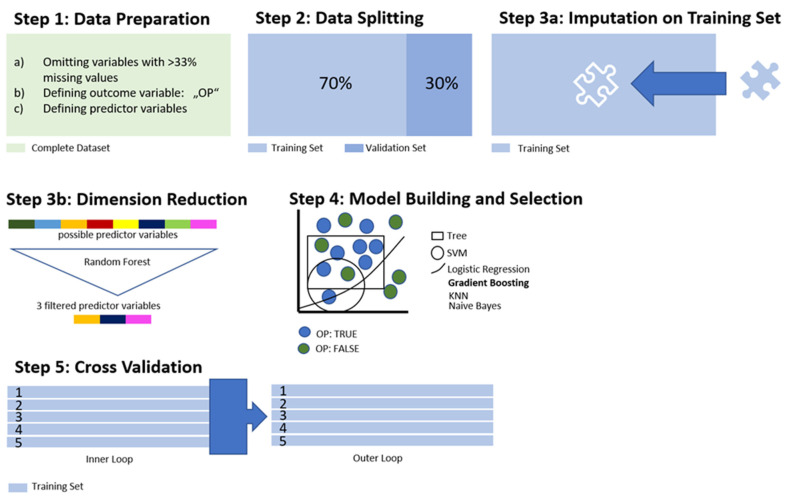 Figure 1
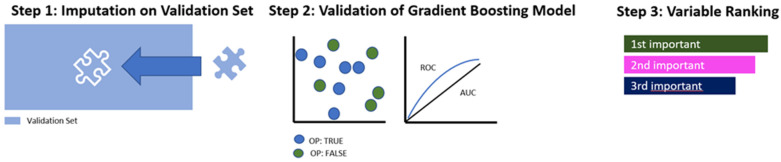 Figure 2
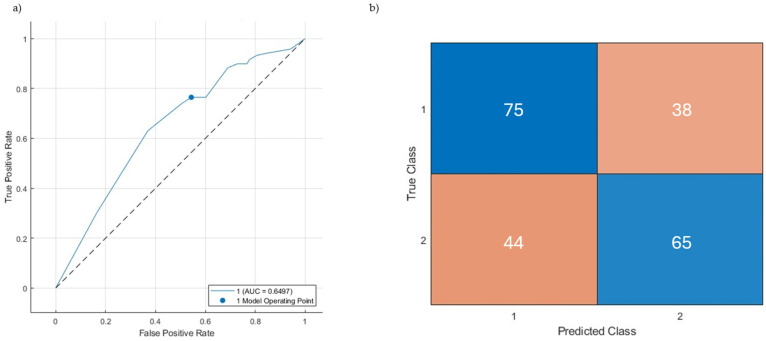 Figure 3
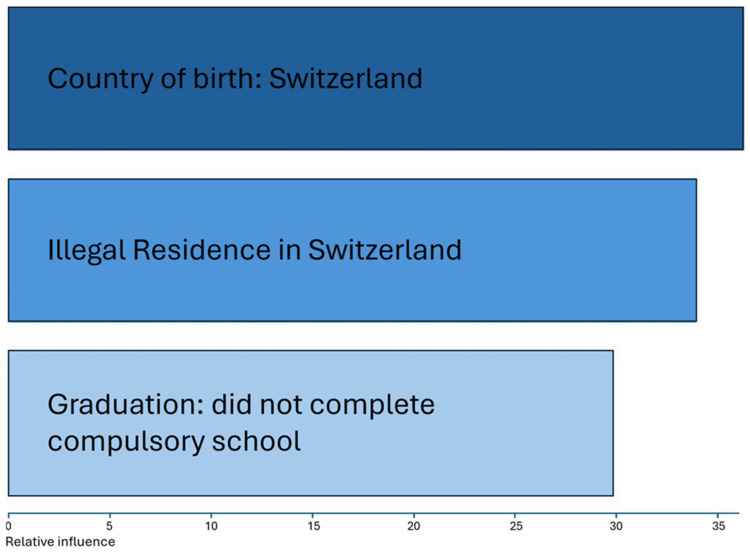 Figure 4
Peer Reviews
No public reviews on file for this paper yet. If you reviewed it on a platform where reviews are public (OpenReview, ICLR, NeurIPS, ICML), you can paste yours below so the community can read it here.
Videos
No videos yet. Explain this paper in a talk, walkthrough, or lecture? Add one.
Taxonomy
TopicsSchizophrenia research and treatment · Psychopathy, Forensic Psychiatry, Sexual Offending · Personality Disorders and Psychopathology