Urine Protein to Creatinine Ratio for the Assessment of Bevacizumab-Associated Proteinuria in Patients with Gynecologic Cancers: A Diagnostic and Quality Improvement Study
Kuan-Ju Huang, Wen-Chun Chang, Chi-Hau Chen, Wei-Chen Lin, William Wei-Lin Pan, Hao-I. Hsieh, Yu-Hsiung Hsieh, Lin-Hung Wei, Bor-Ching Sheu

TL;DR
This study shows that measuring urine protein to creatinine ratio is a cheaper and more accurate way to detect bevacizumab-related proteinuria in gynecologic cancer patients than traditional methods.
Contribution
The study introduces urine protein to creatinine ratio (UPCR) as a cost-effective and accurate alternative to 24-hour urine collection for monitoring proteinuria in cancer patients.
Findings
UPCR has higher sensitivity and specificity compared to urine dipstick for detecting proteinuria.
UPCR strongly correlates with 24-hour urine total protein content.
Using UPCR saves costs and reduces unnecessary diagnostic tests.
Abstract
Proteinuria is a common adverse event arising from treatment with bevacizumab, requiring diagnostic testing via 24-h urine collection. However, this method is cumbersome. We assessed urine screenings in gynecologic cancer patients from February 2021 to May 2022. Along with a simple urine dipstick (UD), the urine microalbumin, total protein, and creatinine were measured and calculated as the urine albumin to creatinine ratio (UACR) and the urine protein to creatinine ratio (UPCR), which were further adjusted through the Modification of Diet in Renal Disease and Chronic Kidney Disease Epidemiology Collaboration equations to be estimated and correlated with 24-h urine total protein content. The incremental cost-effectiveness ratio was used for cost analysis. There were 129 urine samples from 36 patients. The sensitivity and specificity for the UACR were 0.56 and 0.97, and for the UPCR,…
Genes, proteins, chemicals, diseases, species, mutations and cell lines named across the full text — each resolved to its canonical identifier and authoritative record.
Click any figure to enlarge with its caption.
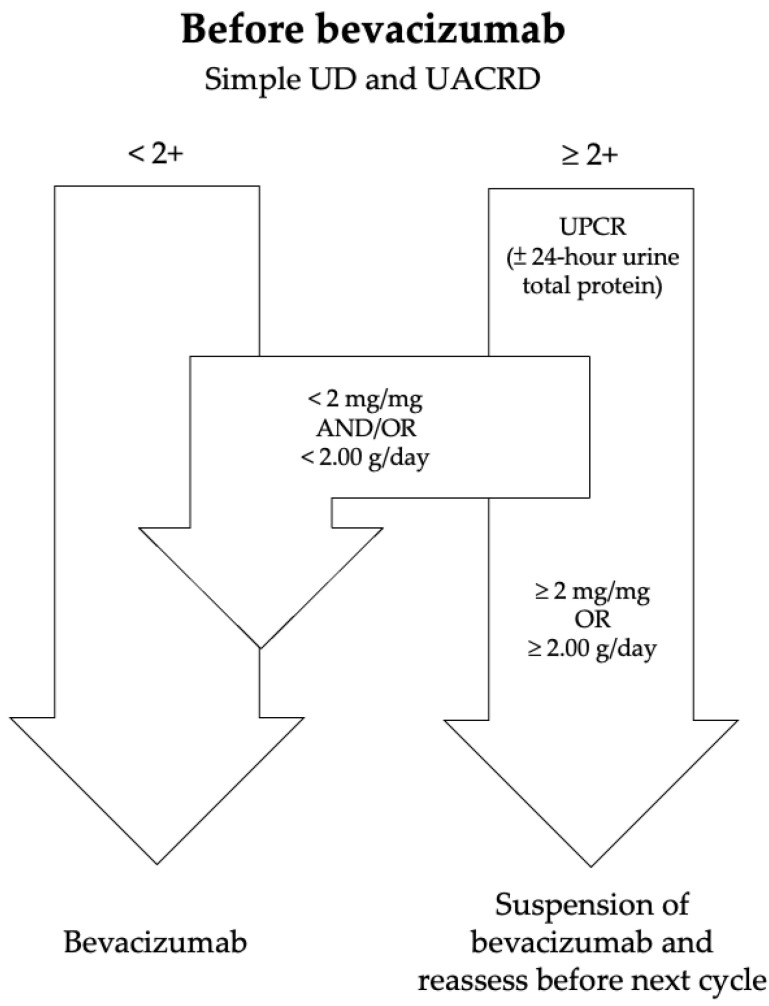 Figure 1
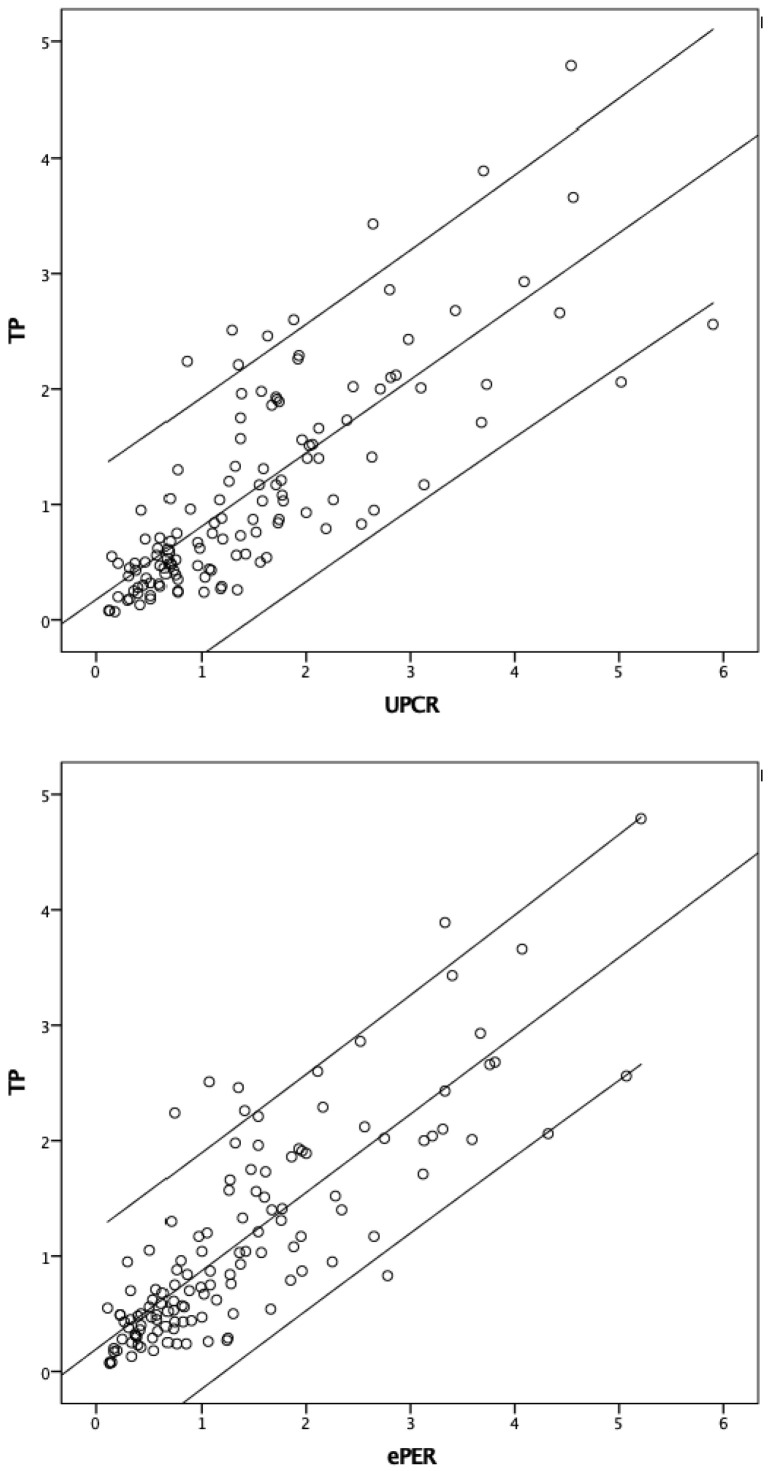 Figure 2
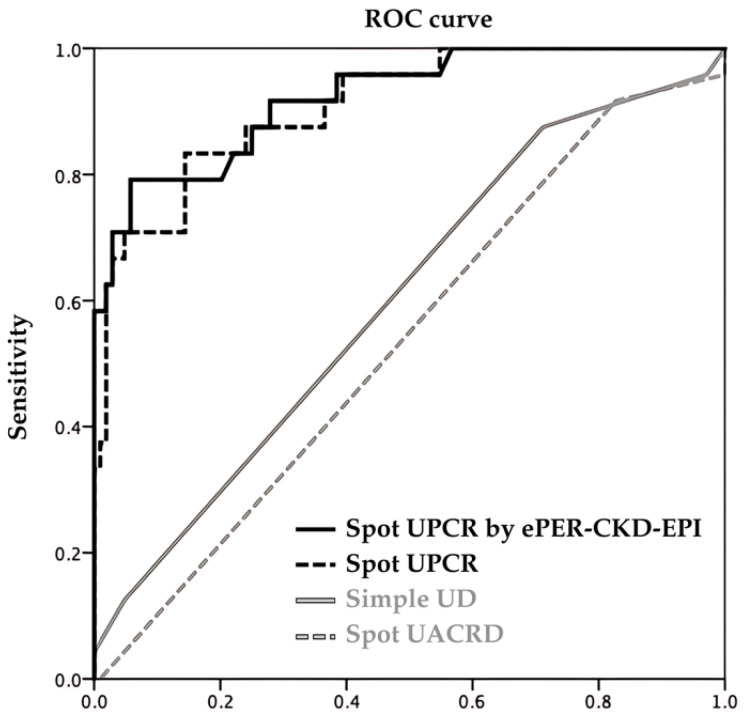 Figure 3
Peer Reviews
No public reviews on file for this paper yet. If you reviewed it on a platform where reviews are public (OpenReview, ICLR, NeurIPS, ICML), you can paste yours below so the community can read it here.
Videos
No videos yet. Explain this paper in a talk, walkthrough, or lecture? Add one.
Taxonomy
TopicsOvarian cancer diagnosis and treatment · Renal Diseases and Glomerulopathies · Renal cell carcinoma treatment