Comparative Morphology of Skeletal Development in Homo sapiens and Raja asterias: Divergent Stiffening Patterns Due to Different Matrix Calcification Processes
Ugo E. Pazzaglia, Piero A. Zecca, Genciana Terova, Fabrizio Serena, Cecilia Mancusi, Giovanni Raimondi, Guido Zarattini, Mario Raspanti, Marcella Reguzzoni

TL;DR
This paper compares how human and shark skeletons develop, focusing on how different calcification processes lead to distinct skeletal structures adapted for land and water movement.
Contribution
The study documents divergent calcification patterns in Homo sapiens and Raja asterias, linking them to locomotion-specific skeletal adaptations.
Findings
Chondrichthyans like Raja asterias retain calcified cartilage as their definitive skeletal structure, forming tesserae for aquatic locomotion.
Mammals use calcified cartilage as a scaffold for bone deposition, which is remodeled for terrestrial locomotion.
Dolphin flippers show endochondral ossification adaptations, including shortened bones and increased autopodial elements for aquatic demands.
Abstract
Before calcification, the early skeletal development of both Homo sapiens and the chondrichthyan fish Raja asterias is exclusively cartilaginous. This cartilage is formed through tissue segmentation and chondrocyte mitoses. Mineral deposition in the cartilage matrix influences the stiffness and shape of the skeletal segments. In mammals, calcified cartilage serves as a scaffold for bone deposition, which is then remodeled. Conversely, chondrichthyans retain calcified cartilage as their skeletal structure, forming calcification nuclei or “tesserae”. These structures adapt to aquatic locomotion. In mammals, endochondral ossification provides limb bones with the necessary stiffness for terrestrial locomotion. X-rays of marine mammals show how endochondral ossification in dolphin flippers adapts to aquatic demands, including shortening of certain bones and an increase in elements in the…
Genes, proteins, chemicals, diseases, species, mutations and cell lines named across the full text — each resolved to its canonical identifier and authoritative record.
Click any figure to enlarge with its caption.
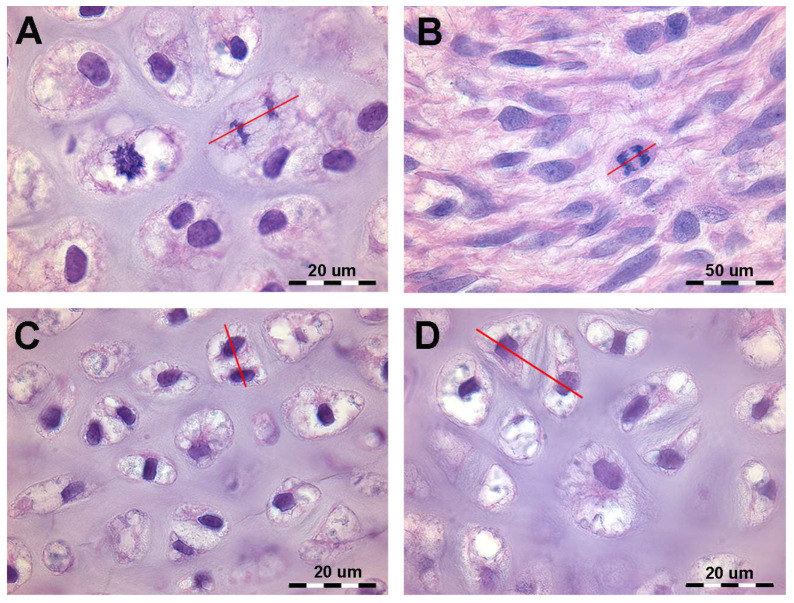 Figure 1
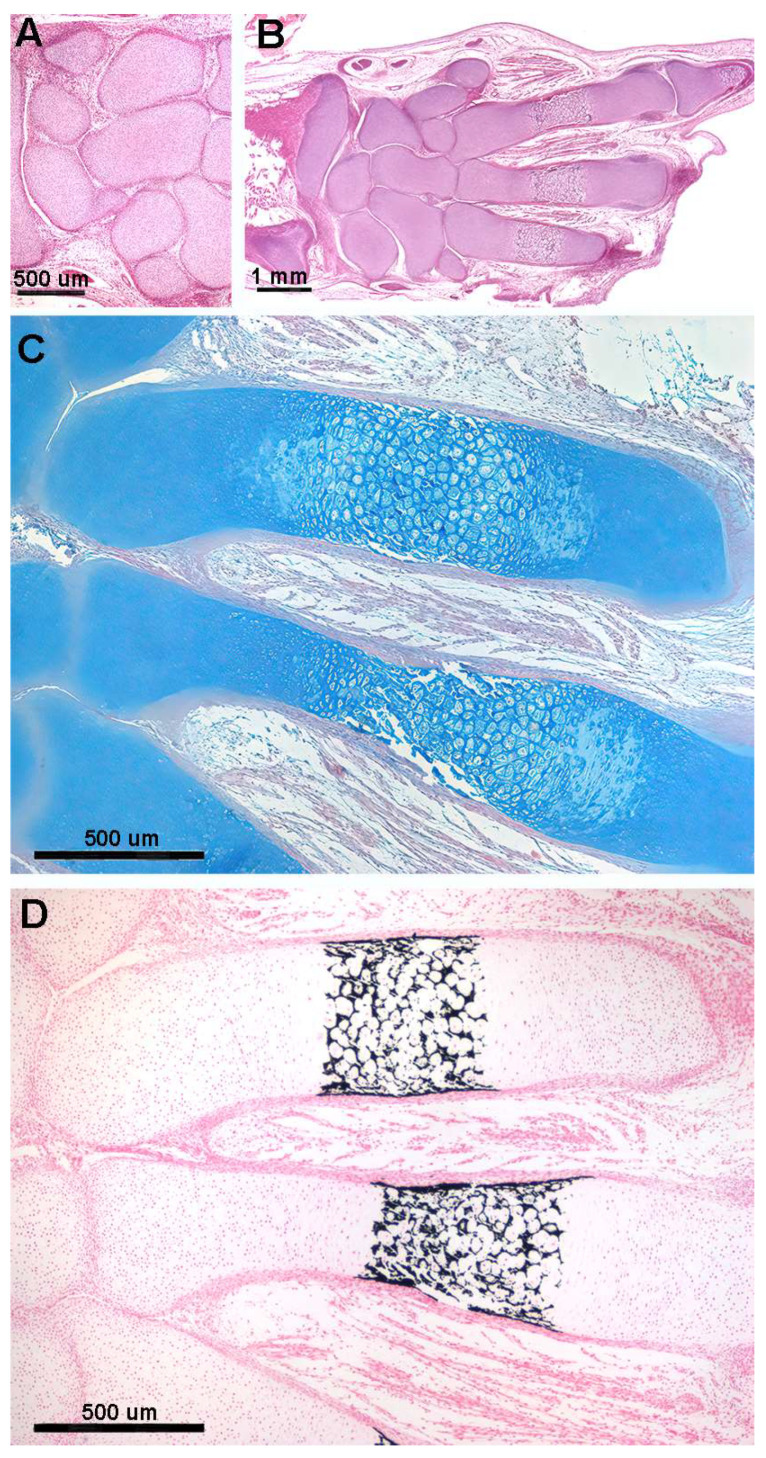 Figure 2
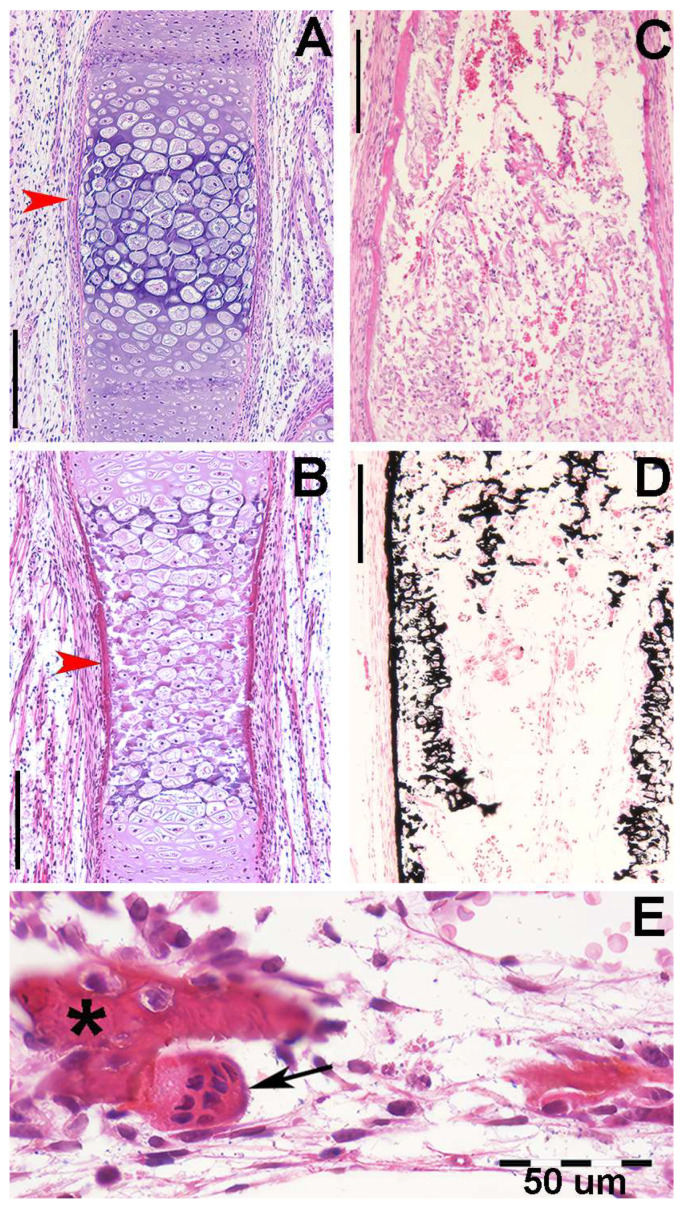 Figure 3
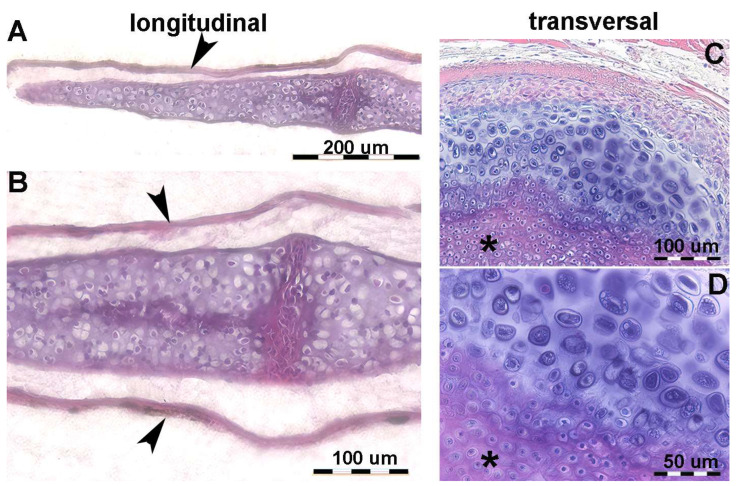 Figure 4
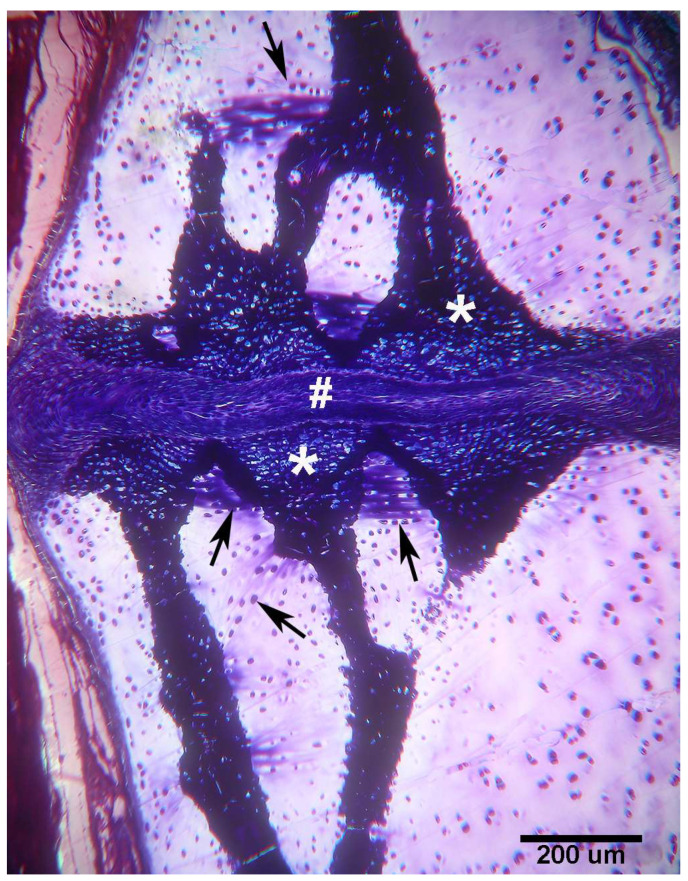 Figure 5
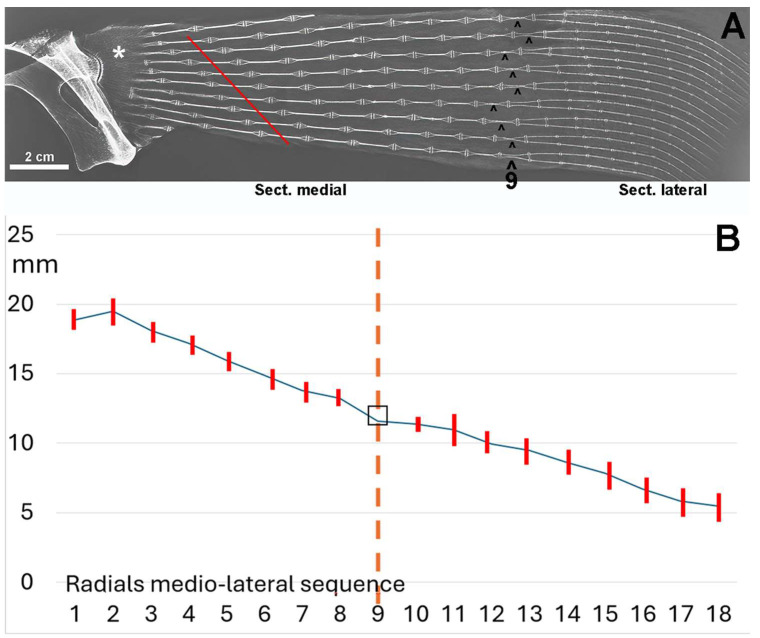 Figure 6
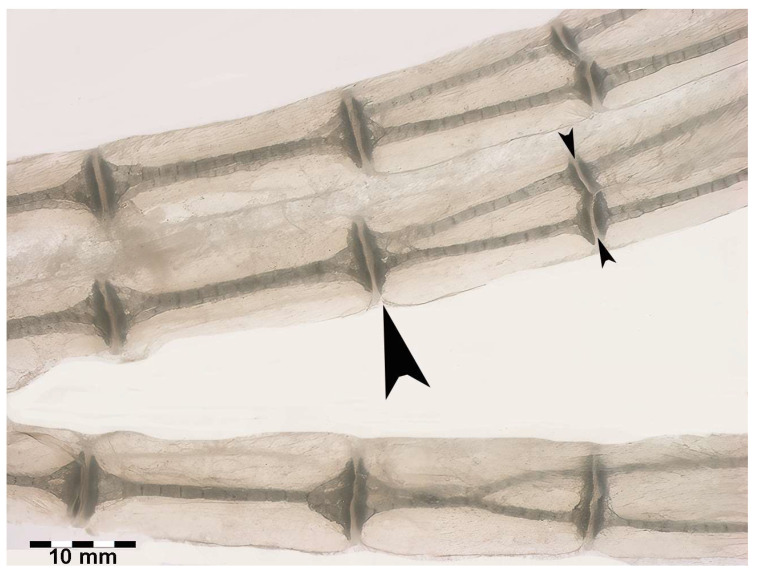 Figure 7
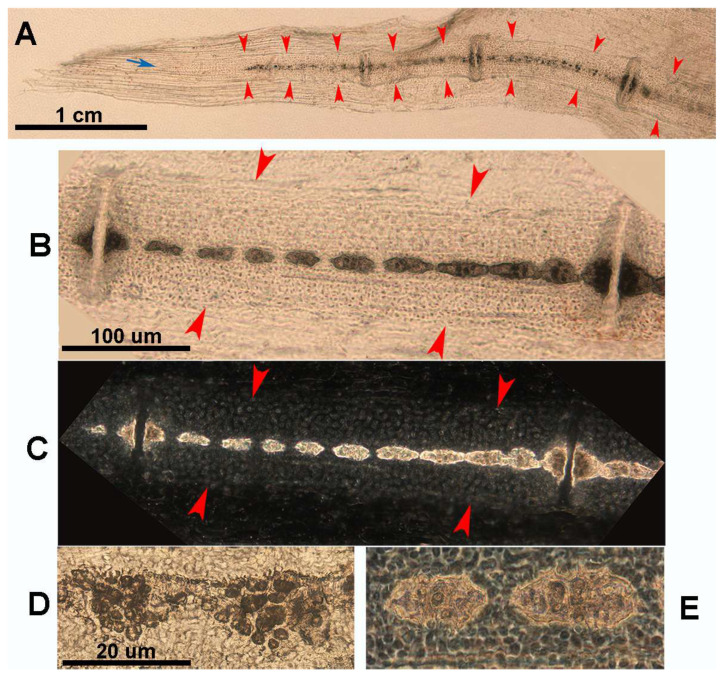 Figure 8
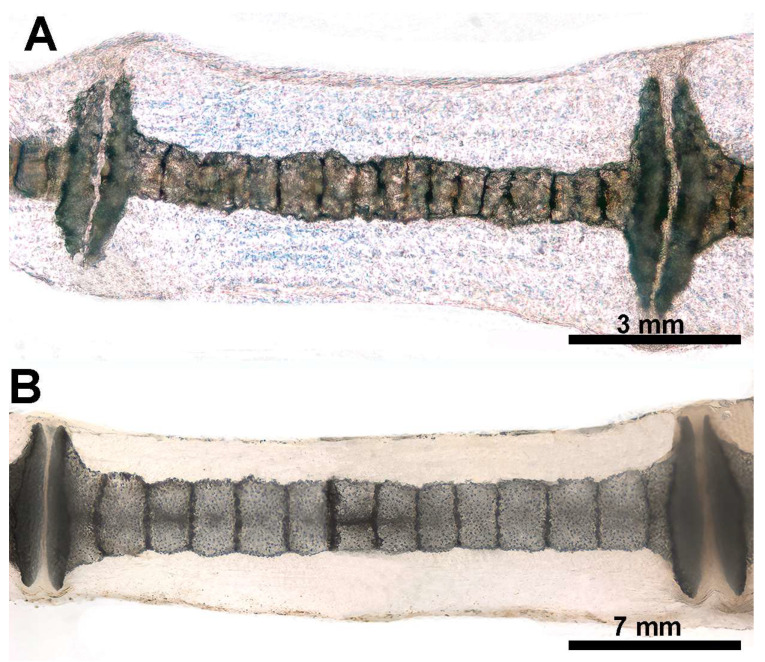 Figure 9
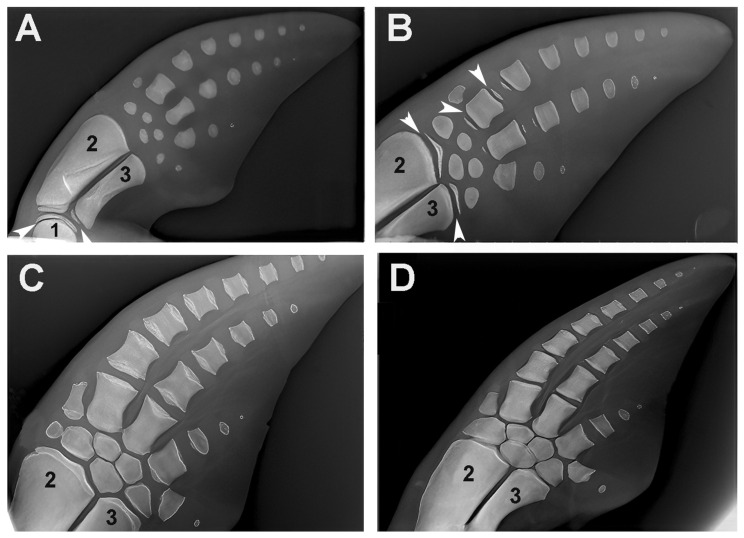 Figure 10
Peer Reviews
No public reviews on file for this paper yet. If you reviewed it on a platform where reviews are public (OpenReview, ICLR, NeurIPS, ICML), you can paste yours below so the community can read it here.
Videos
No videos yet. Explain this paper in a talk, walkthrough, or lecture? Add one.
Taxonomy
TopicsIchthyology and Marine Biology · Paleontology and Evolutionary Biology · Marine animal studies overview