A Whole Range of Cattle—An Isotopic Perspective on Roman Animal Husbandry in Lower Austria and Burgenland (Austria)
Günther Karl Kunst, Micha Horacek

TL;DR
This study uses bone measurements and isotope analysis to investigate whether small and large cattle in Roman Austria were different breeds or raised differently.
Contribution
The study combines archaeozoological biometry with stable isotope analysis to explore Roman cattle husbandry practices in Central Europe.
Findings
Isotope data showed no consistent differences between small and large cattle, suggesting they were raised together.
Isotope signals were site-specific and not related to bone size, indicating similar husbandry practices for both types.
Intra-site variability in isotope signals hints at potential differences that require larger sample sets for confirmation.
Abstract
Cattle remains from the Roman period often indicate both small and large individuals. This can be evidenced through the variability in bone measurements related to the stature of living animals. It is widely believed that these differences are too great to be related to the size pattern of cows and bulls from a single population, instead pointing to the presence of different types. The smaller one is usually conceived as autochthonous, while the larger one is interpreted as—originally—introduced Roman cattle. Apparently, for the first time in Central Europe, people would use two or more breeds of the same domestic species. To determine the background of this new production regime, we analysed four stable isotope ratios of bone collagen from small and large specimens from Roman sites, including urban, rural, civilian, military, and ritual. If the two types were raised differently, this…
Genes, proteins, chemicals, diseases, species, mutations and cell lines named across the full text — each resolved to its canonical identifier and authoritative record.
Click any figure to enlarge with its caption.
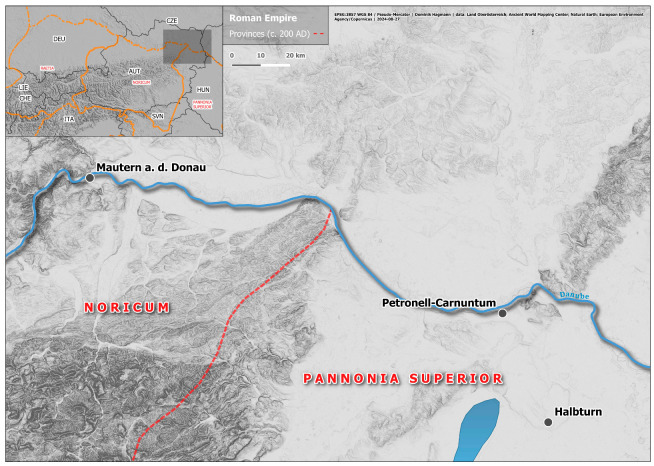 Figure 1
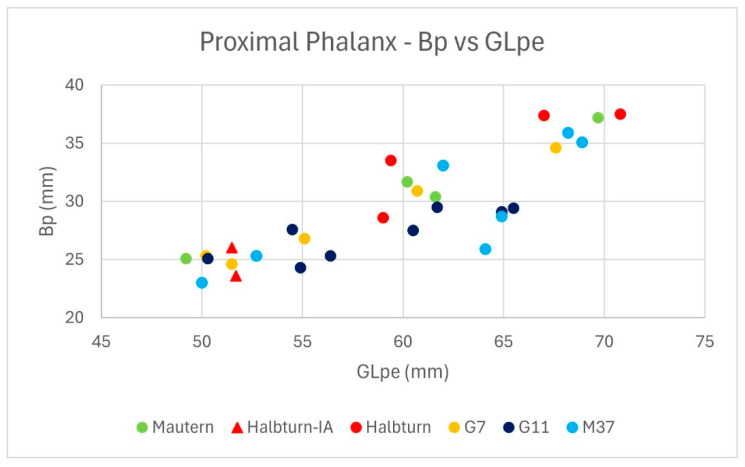 Figure 2
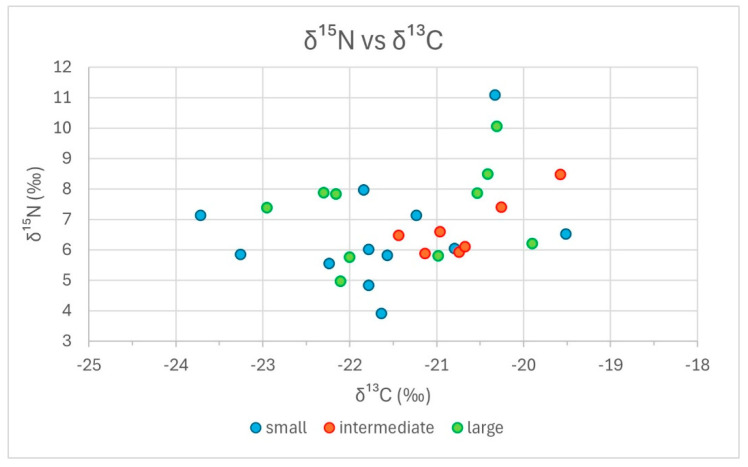 Figure 3
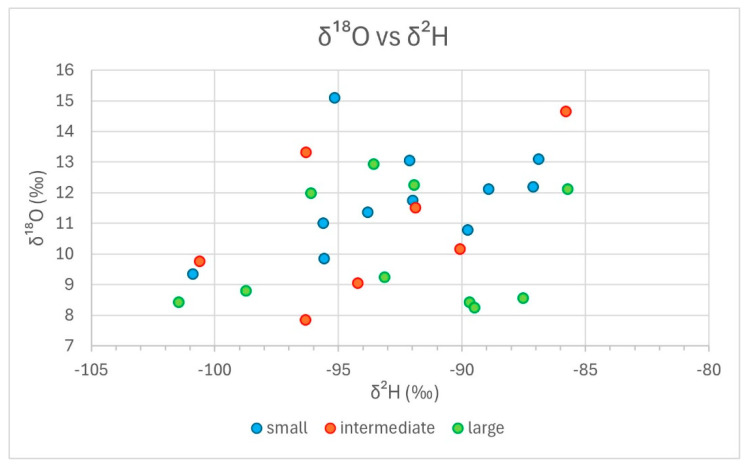 Figure 4
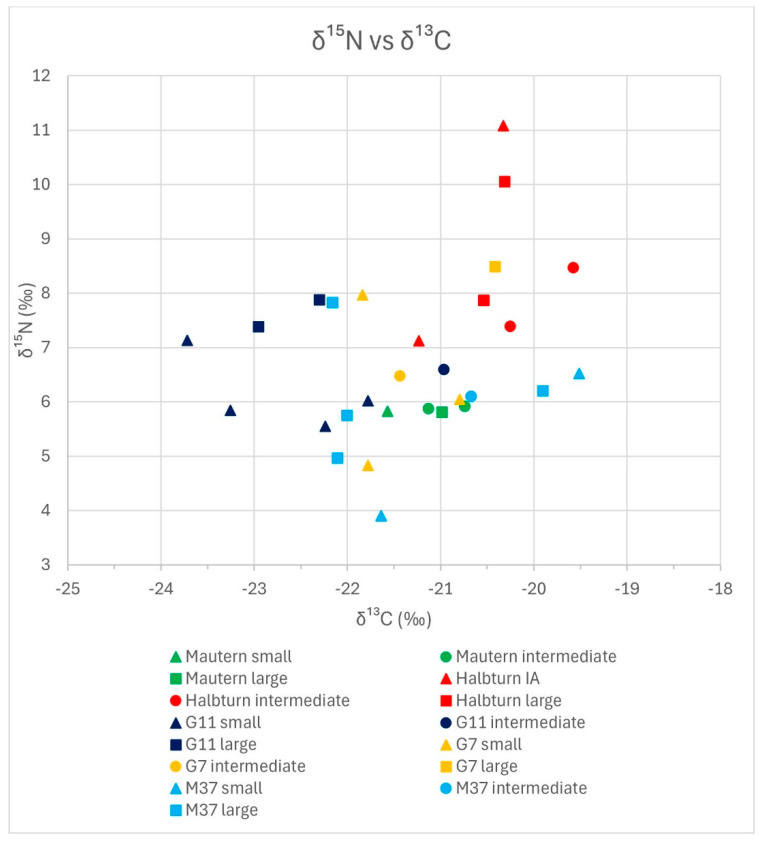 Figure 5
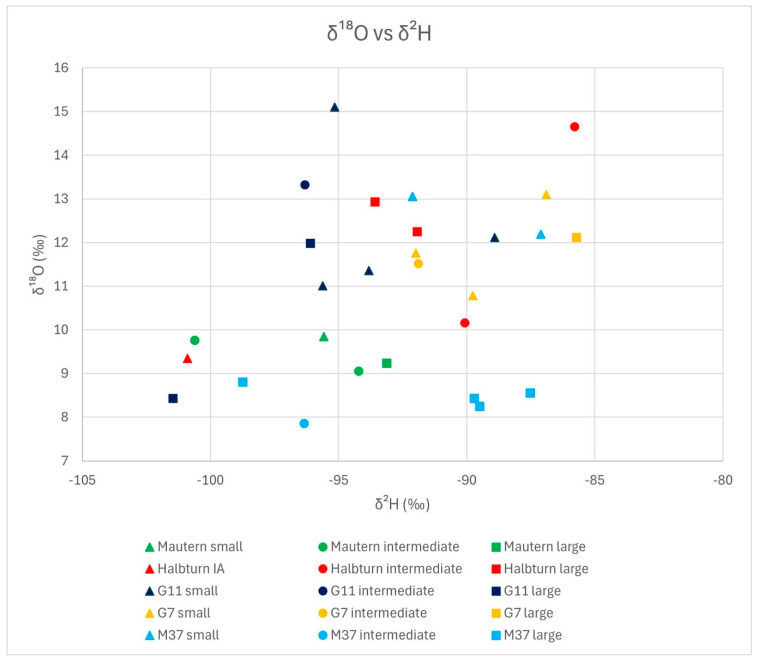 Figure 6
Peer Reviews
No public reviews on file for this paper yet. If you reviewed it on a platform where reviews are public (OpenReview, ICLR, NeurIPS, ICML), you can paste yours below so the community can read it here.
Videos
No videos yet. Explain this paper in a talk, walkthrough, or lecture? Add one.
Taxonomy
TopicsArchaeology and ancient environmental studies · Isotope Analysis in Ecology · Forensic Anthropology and Bioarchaeology Studies