D4Z4 Hypomethylation in Human Germ Cells
Ramya Potabattula, Jana Durackova, Sarah Kießling, Alina Michler, Thomas Hahn, Martin Schorsch, Tom Trapphoff, Stefan Dieterle, Thomas Haaf

TL;DR
This study investigates D4Z4 methylation in human germ cells and finds that most sperm cells are unmethylated, while immature oocytes show higher methylation.
Contribution
The study provides new insights into D4Z4 methylation patterns in human germ cells and their potential impact on assisted reproduction outcomes.
Findings
Sperm samples showed an average D4Z4 methylation of 2.5%, with 78% of sperm cells completely unmethylated.
Only 17.5% of immature oocytes had D4Z4 methylation below 2.5%, while many showed hypermethylation.
Lower D4Z4 methylation in sperm and oocytes was associated with higher pregnancy rates in assisted reproduction.
Abstract
Expression of the double homeobox 4 (DUX4) transcription factor is highly regulated in early embryogenesis and is subsequently epigenetically silenced. Ectopic expression of DUX4 due to hypomethylation of the D4Z4 repeat array on permissive chromosome 4q35 alleles is associated with facioscapulohumeral muscular dystrophy (FSHD). In peripheral blood samples from 188 healthy individuals, D4Z4 methylation was highly variable, ranging from 19% to 76%, and was not affected by age. In 48 FSHD2 patients, D4Z4 methylation varied from 3% to 30%. Given that DUX4 is one of the earliest transcribed genes after fertilization, the D4Z4 array is expected to be unmethylated in mature germ cells. Deep bisulfite sequencing of 188 mainly normozoospermic sperm samples revealed an average methylation of 2.5% (range 0.3–22%). Overall, the vast majority (78%) of individual sperm cells displayed no methylation…
Genes, proteins, chemicals, diseases, species, mutations and cell lines named across the full text — each resolved to its canonical identifier and authoritative record.
Click any figure to enlarge with its caption.
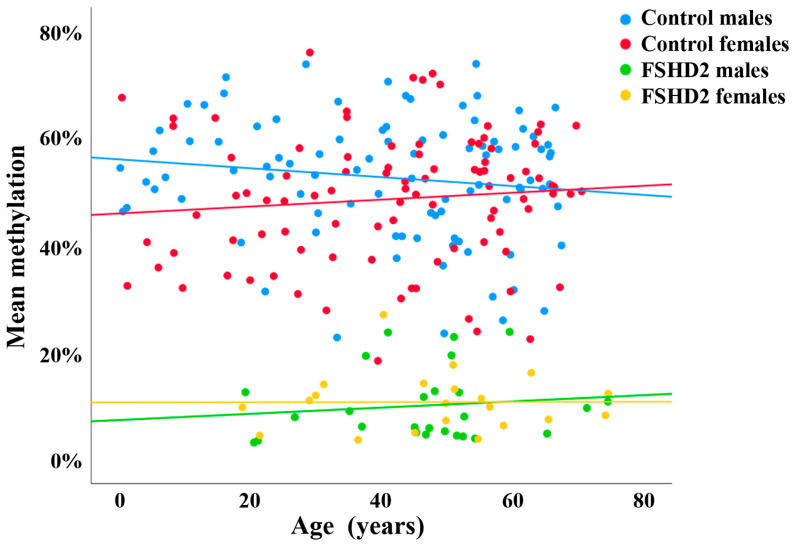 Figure 1
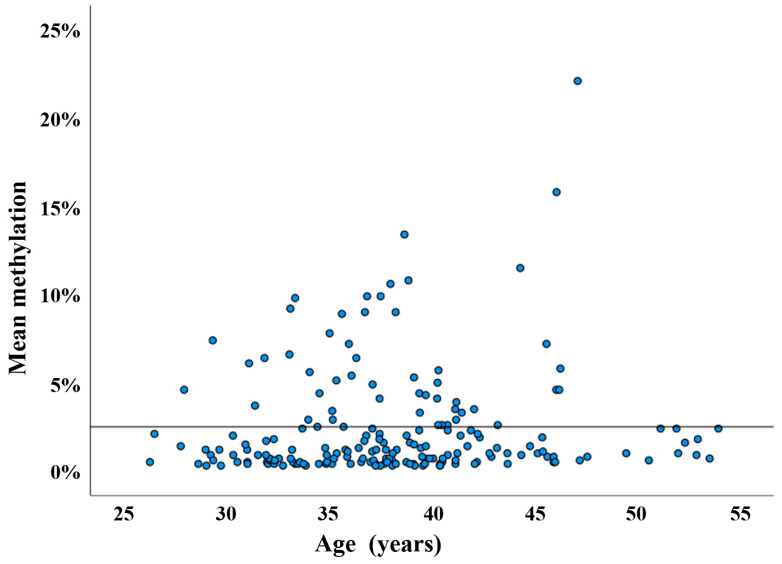 Figure 2
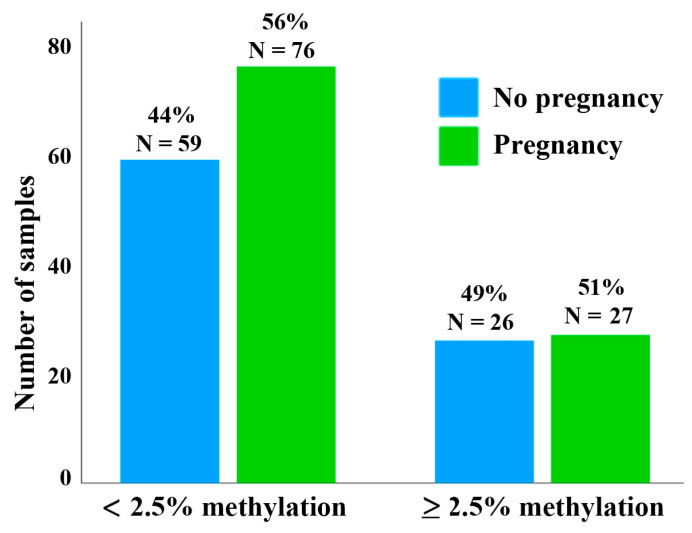 Figure 3
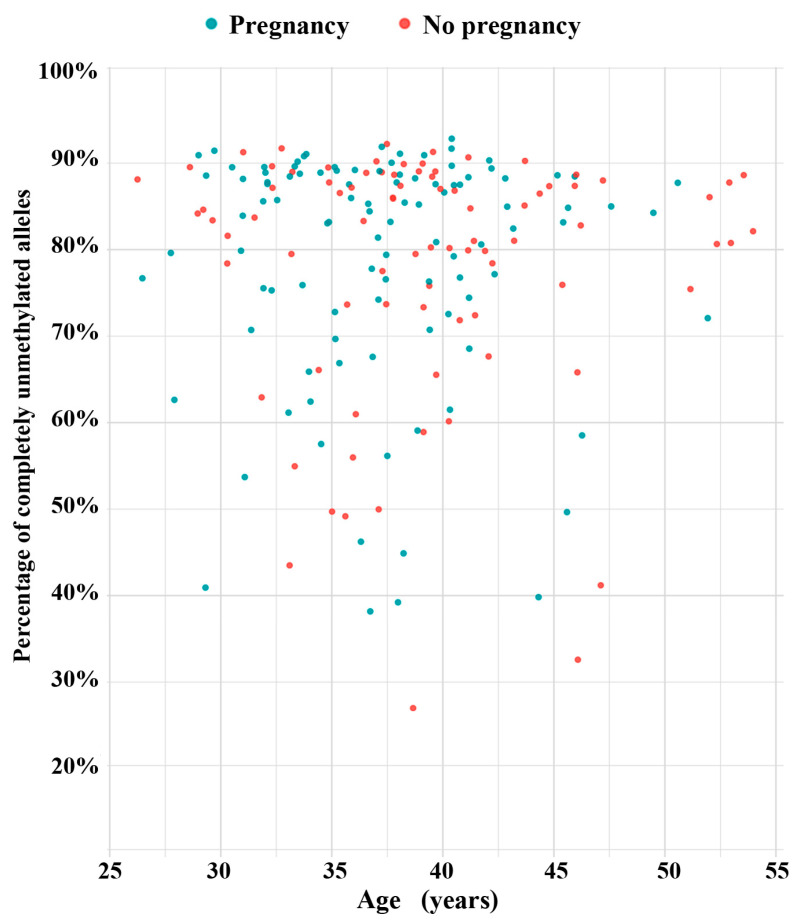 Figure 4
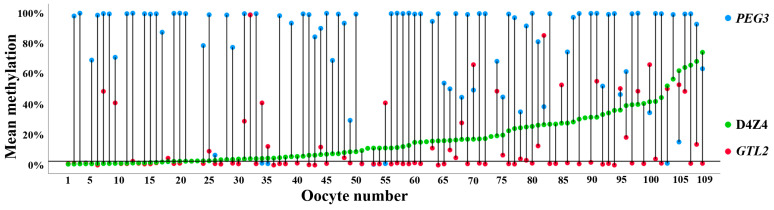 Figure 5
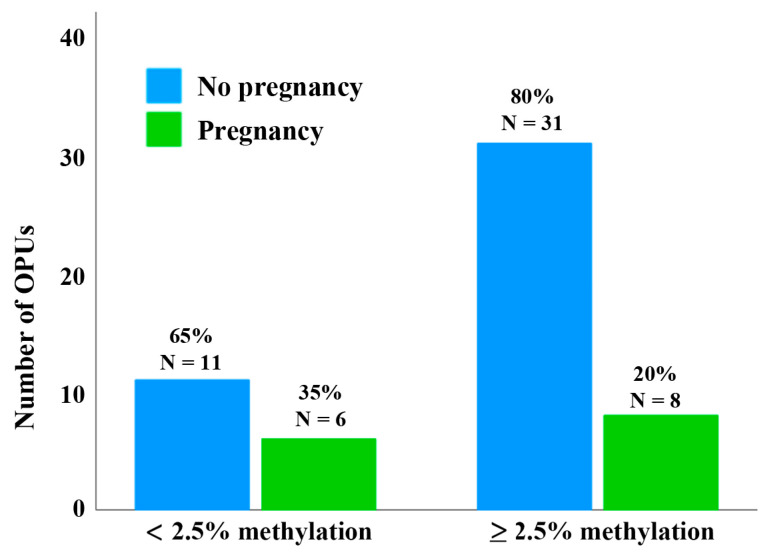 Figure 6
Peer Reviews
No public reviews on file for this paper yet. If you reviewed it on a platform where reviews are public (OpenReview, ICLR, NeurIPS, ICML), you can paste yours below so the community can read it here.
Videos
No videos yet. Explain this paper in a talk, walkthrough, or lecture? Add one.
Taxonomy
TopicsMuscle Physiology and Disorders · Neurogenetic and Muscular Disorders Research · Epigenetics and DNA Methylation