Assays for Monitoring Apixaban and Rivaroxaban in Emergency Settings, State-of-the-Art Routine Analysis, and Volumetric Absorptive Microsamples Deliver Discordant Results
Adrienne Fehér, István Vincze, James Rudge, Gyula Domján, Barna Vásárhelyi, Gellért Balázs Karvaly

TL;DR
This study compares different methods for measuring anticoagulant drug levels in blood, finding significant differences in results between techniques.
Contribution
The study highlights critical discrepancies between anti-Xa assays and LC-MS/MS for DOAC monitoring in clinical and home-collected samples.
Findings
Anti-Xa chromogenic assays and LC-MS/MS methods produced discordant plasma concentrations for apixaban and rivaroxaban.
VAMS samples showed lack of agreement with plasma concentrations, emphasizing the need for careful method selection.
Hematocrit measurement is essential when using VAMS to ensure accurate drug concentration results.
Abstract
Our aim was to compare the performance of complementary clinical laboratory approaches to monitoring exposure to apixaban and rivaroxaban, the most prescribed direct-acting oral anticoagulants (DOAC’s): an automated commercial anti-Xa chromogenic assay suitable for emergency and pre-surgery testing and a laboratory-developed liquid chromatography-tandem mass spectrometry (LC-MS/MS) method employed for non-emergency analysis in plasma and in dried blood volumetric absorptive microsamples (VAMS) collectible by the patients in their homes. The full validation of the LC-MS/MS method was performed. Cross-validation of the methodologies was accomplished by processing 60 specimens collected for whole blood count and DOAC monitoring in a central clinical laboratory. For VAMS samples, dried plasma and whole blood calibrators were found to be suitable, and a cycle run for seven days could be…
Genes, proteins, chemicals, diseases, species, mutations and cell lines named across the full text — each resolved to its canonical identifier and authoritative record.
Click any figure to enlarge with its caption.
 Figure 1
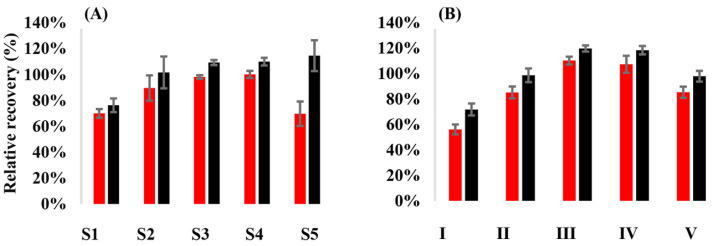 Figure 2
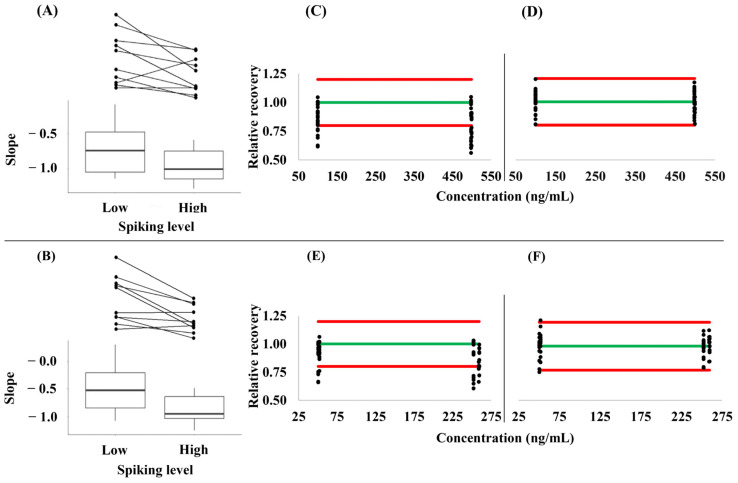 Figure 3
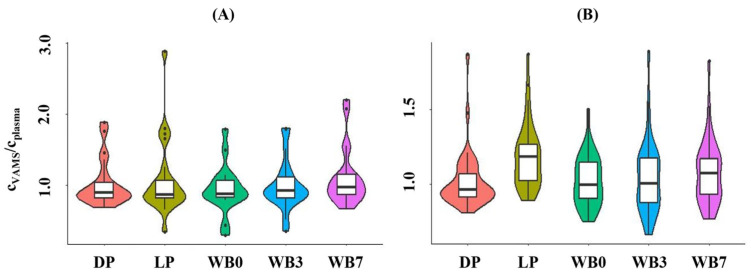 Figure 4
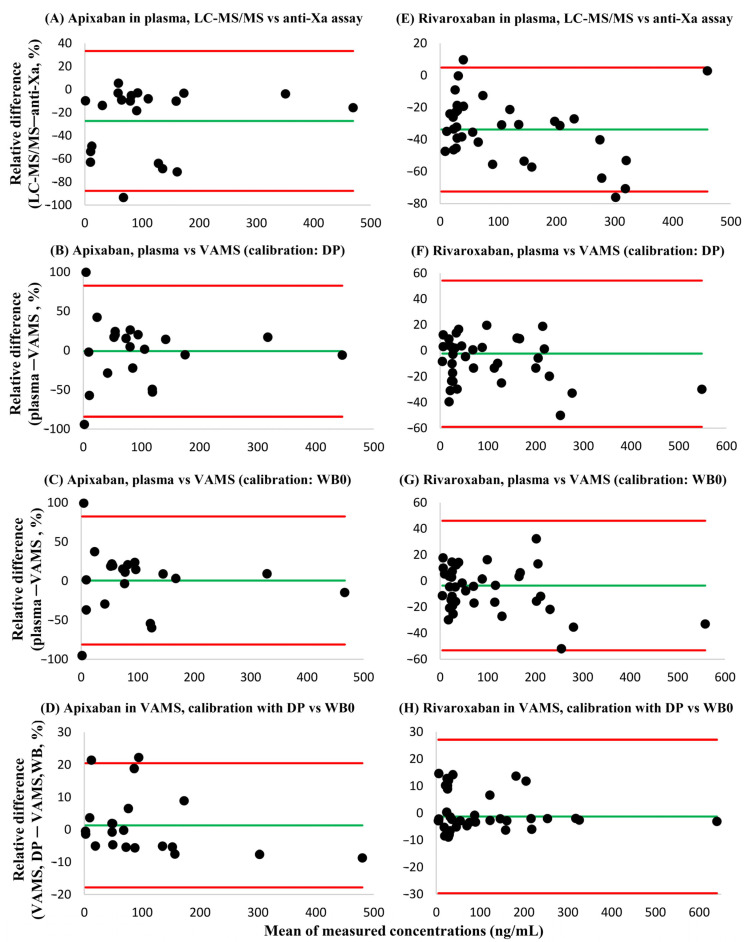 Figure 5
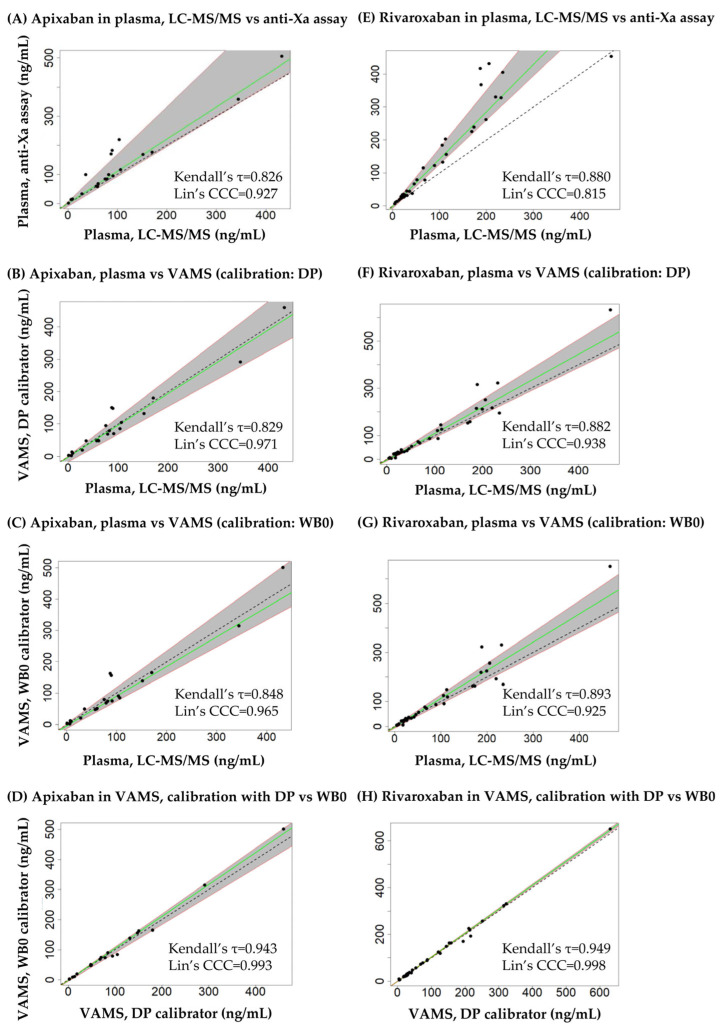 Figure 6
 Figure 7
Peer Reviews
No public reviews on file for this paper yet. If you reviewed it on a platform where reviews are public (OpenReview, ICLR, NeurIPS, ICML), you can paste yours below so the community can read it here.
Videos
No videos yet. Explain this paper in a talk, walkthrough, or lecture? Add one.
Taxonomy
TopicsAtrial Fibrillation Management and Outcomes · Cardiac electrophysiology and arrhythmias · Heart Failure Treatment and Management