Diagnostic and Therapeutic Indications of Different Types of Mandibular Advancement Design for Patients with Obstructive Sleep Apnea Syndrome: Indications from Literature Review and Case Descriptions
Antonino Lo Giudice, Salvatore La Rosa, Giuseppe Palazzo, Carmelo Federico

TL;DR
This paper reviews different mandibular advancement devices for treating obstructive sleep apnea and provides guidance on selecting the most suitable design based on patient characteristics.
Contribution
The paper introduces a framework for clinicians to evaluate MAD designs based on multidisciplinary patient assessments.
Findings
Bibloc appliances are preferred over mono-bloc devices due to customizable mandibular advancement.
Provisional devices can serve as screening tools to assess patient adherence to therapy.
Orthodontists should collaborate with sleep specialists during diagnosis and treatment planning.
Abstract
Background: Mandibular advancement devices (MADs) are considered a primary alternative treatment for adults with moderate to severe obstructive sleep apnea (OSA) who are unable to tolerate or do not respond to continuous positive airway pressure (CPAP) therapy, supported by substantial scientific evidence. While a range of designs and materials for MADs are commercially available, there is a lack of clear diagnostic guidelines to assist clinicians in selecting the most appropriate device based on a multidisciplinary evaluation of OSA patients. This narrative review seeks to outline the key characteristics of MADs that clinicians should evaluate during both the diagnostic and treatment phases for patients with OSA. Methods: An extensive search of academic databases was conducted to gather relevant studies that address therapeutic and diagnostic recommendations for the design and…
Genes, proteins, chemicals, diseases, species, mutations and cell lines named across the full text — each resolved to its canonical identifier and authoritative record.
Click any figure to enlarge with its caption.
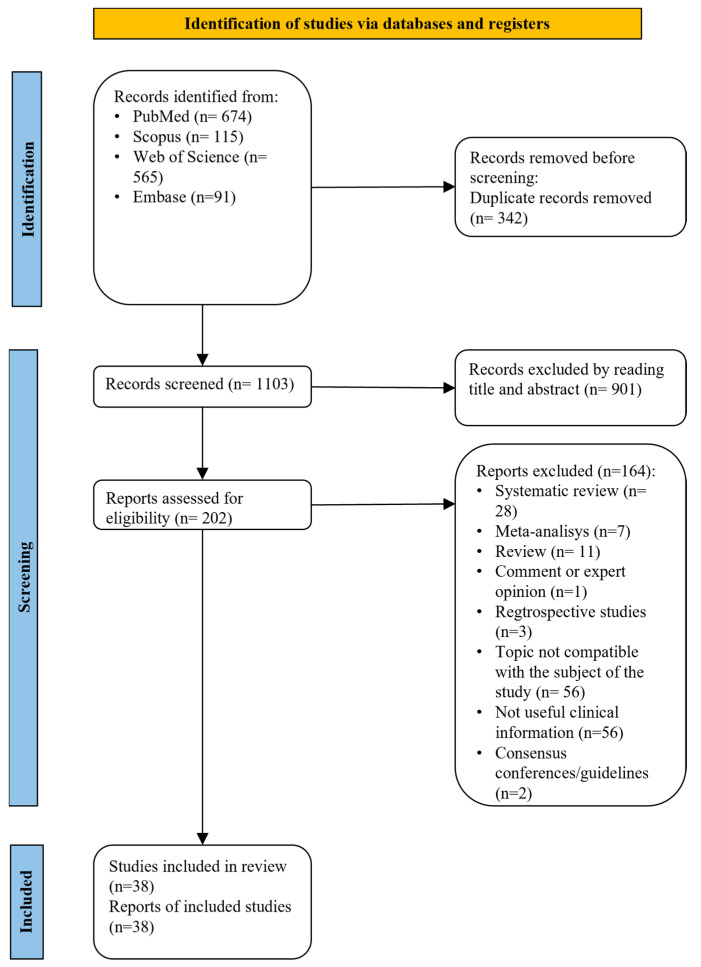 Figure 1
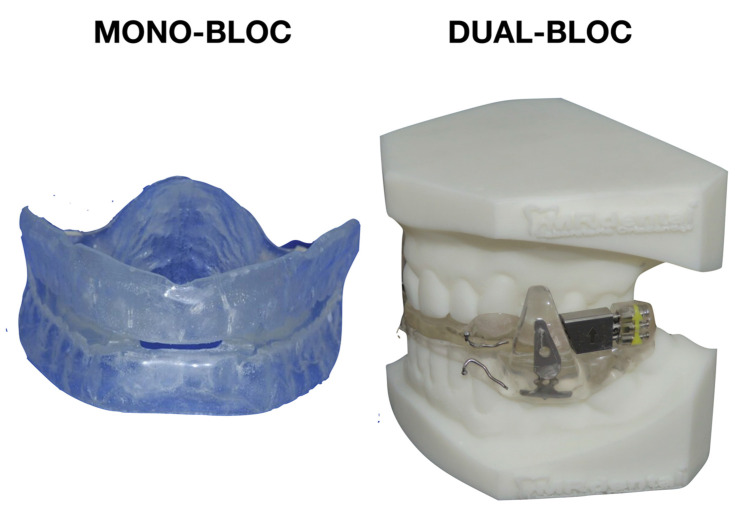 Figure 2
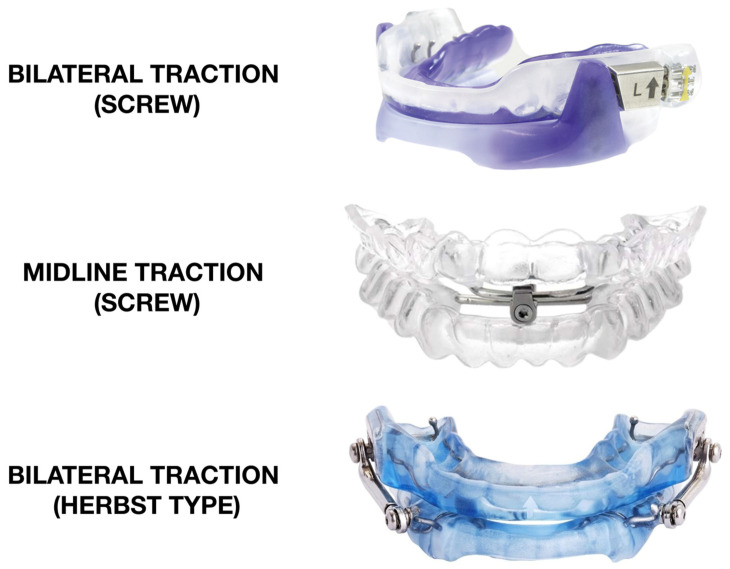 Figure 3
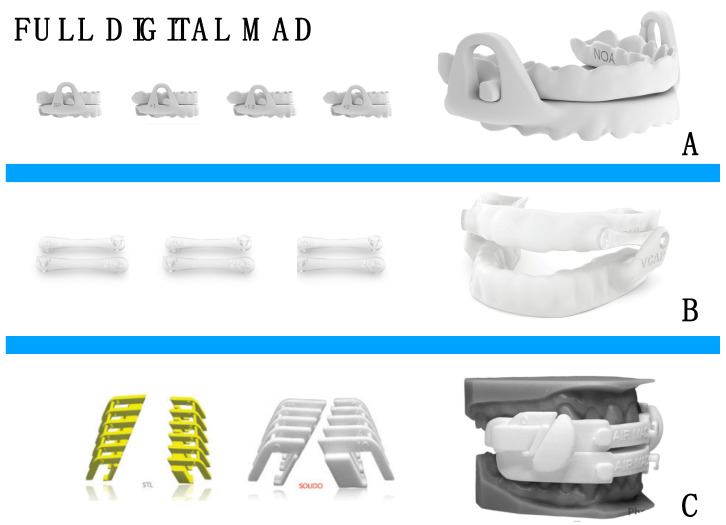 Figure 4
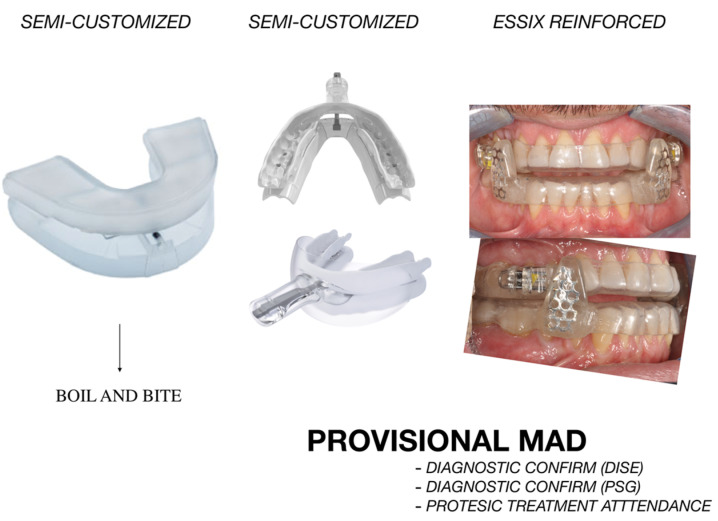 Figure 5
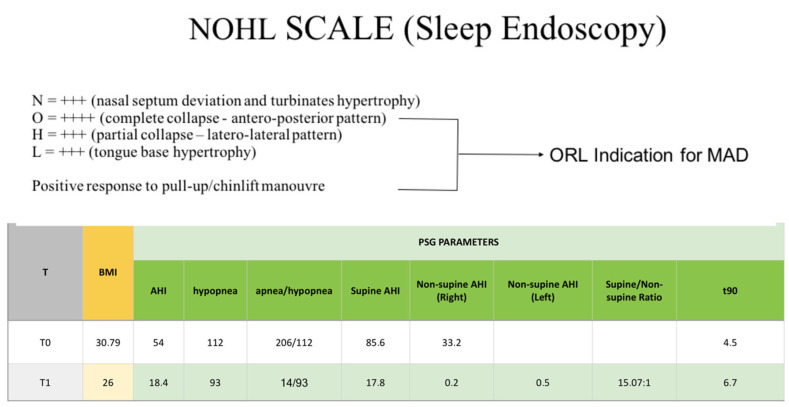 Figure 6
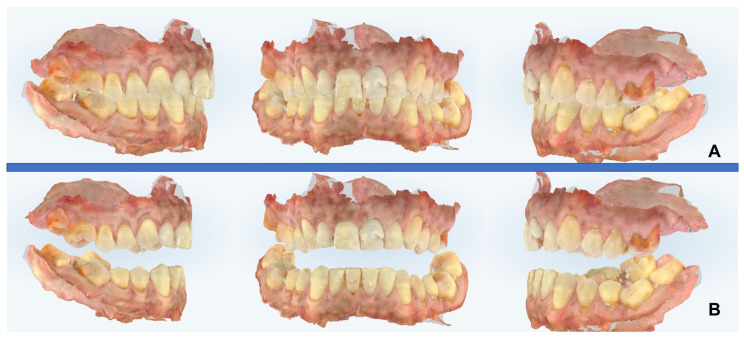 Figure 7
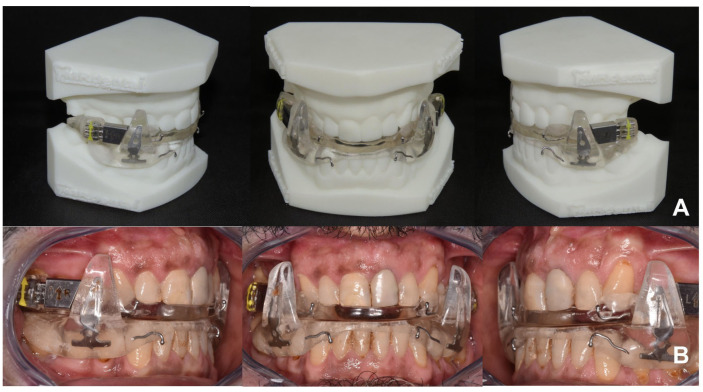 Figure 8
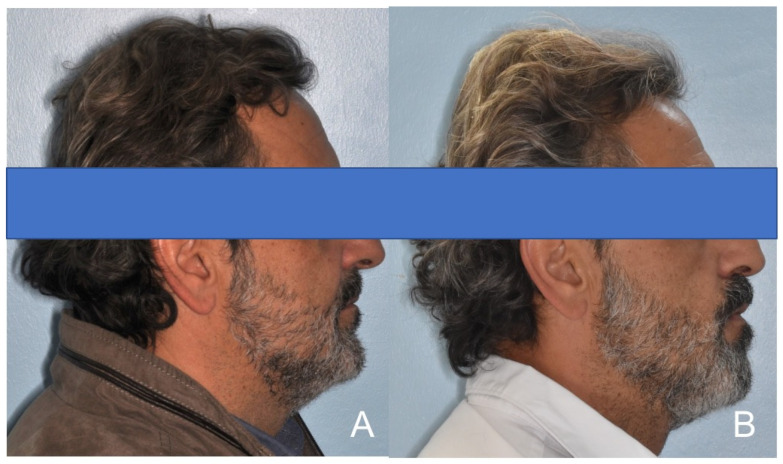 Figure 9
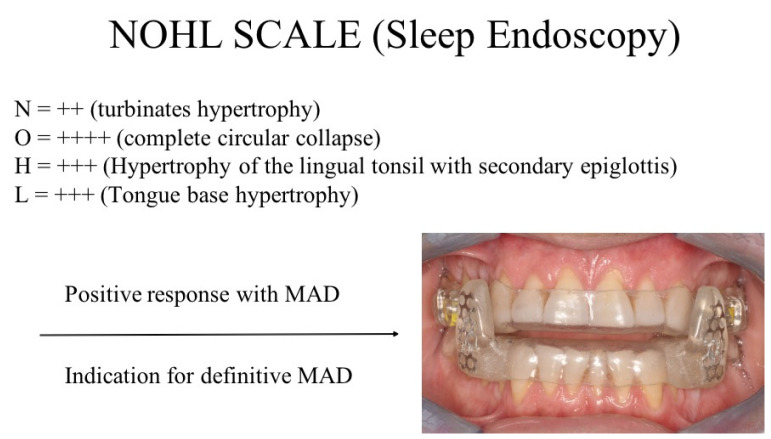 Figure 10
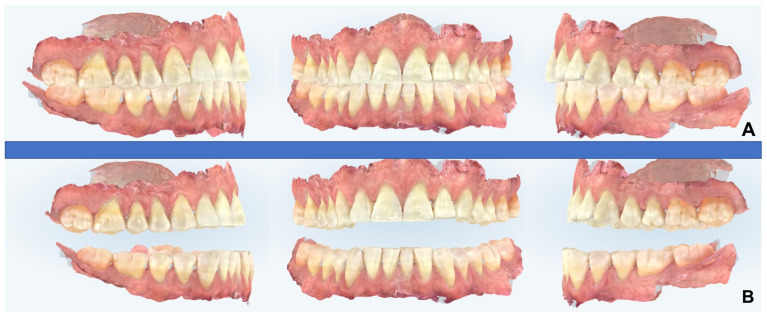 Figure 11
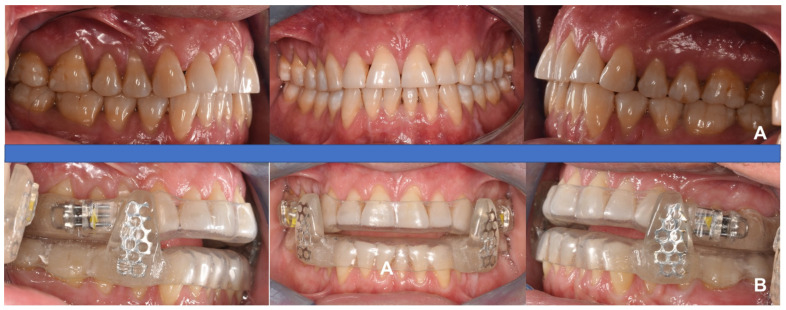 Figure 12
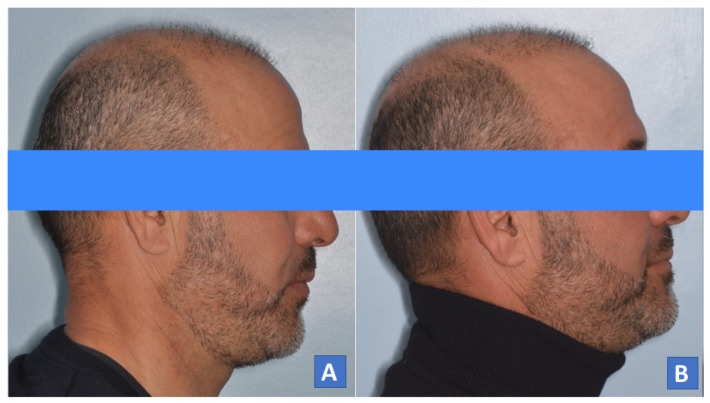 Figure 13
Peer Reviews
No public reviews on file for this paper yet. If you reviewed it on a platform where reviews are public (OpenReview, ICLR, NeurIPS, ICML), you can paste yours below so the community can read it here.
Videos
No videos yet. Explain this paper in a talk, walkthrough, or lecture? Add one.
Taxonomy
TopicsEuropean and International Law Studies · Human Rights and Immigration · Discrimination and Equality Law