Transcriptomic Characterization of Male Formosan Pangolin (Manis pentadactyla pentadactyla) Reproductive Tract and Evaluation of Domestic Cat (Felis catus) as a Potential Model Species
Laura Orama Méar, IShin Tseng, Kuei-Shien Lin, Chia-Lin Hsu, Szu-Hua Chen, Pei-Shiue Tsai

TL;DR
This study analyzed the male Formosan pangolin's reproductive tract and found that domestic cats are not a good model for studying pangolin reproduction.
Contribution
The study provides a genomic database of the male Formosan pangolin reproductive tract and evaluates the suitability of the domestic cat as a model species.
Findings
Key genes and pathways in the testis and epididymis of the Formosan pangolin were identified.
Domestic cats showed significant differences in testicular gene expression compared to pangolins, making them unsuitable as a model.
Unique biological signatures and pathways were revealed in different reproductive tissues of the pangolin.
Abstract
The Formosan pangolin (Manis pentadactyla pentadactyla) is a rare and enigmatic species endemic to Taiwan. Due to its declining population and elusive behavior, little is known about its reproduction. This study created a genomic database of the male pangolin’s reproductive tract, identifying key genes and pathways in the testis and epididymis. Comparing testicular genes expression between pangolins and domestic cats, we suggested that the cat is not a suitable model for studying pangolin reproduction due to significant differences. These insights advance our understanding of male pangolin reproduction and may help in the development of future artificial reproductive techniques for pangolins. The Formosan pangolin (Manis pentadactyla pentadactyla) is an endemic animal of Taiwan. Due to their reduced population and behavior, very little is known about this enigmatic species. To unravel…
Genes, proteins, chemicals, diseases, species, mutations and cell lines named across the full text — each resolved to its canonical identifier and authoritative record.
Click any figure to enlarge with its caption.
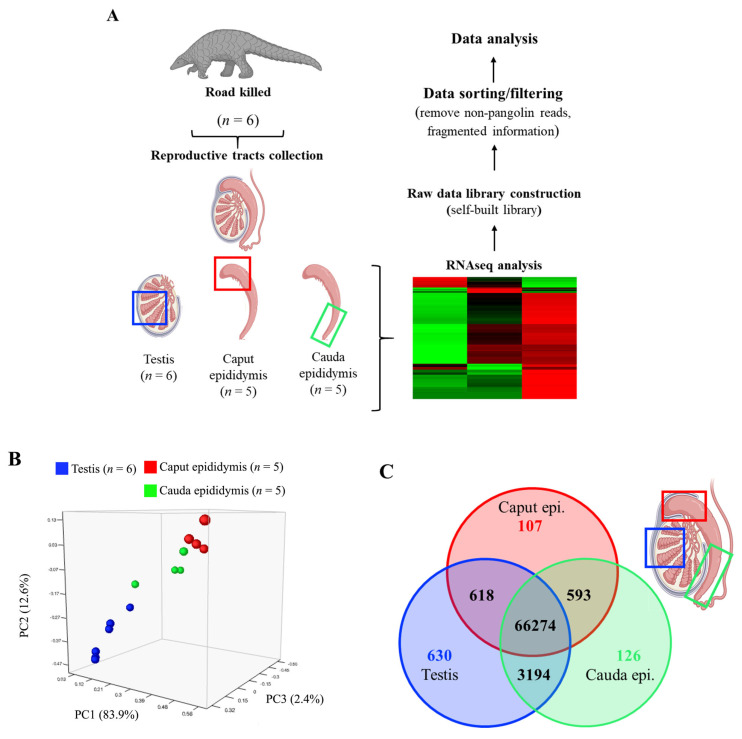 Figure 1
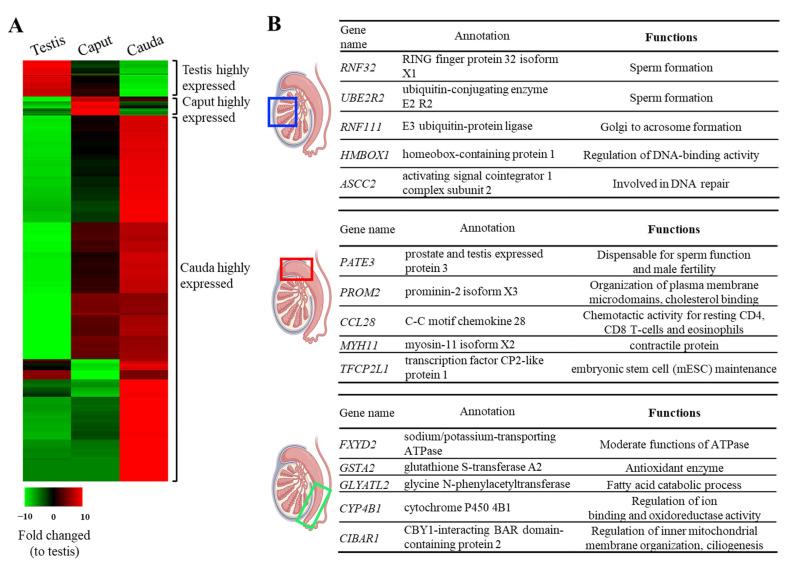 Figure 2
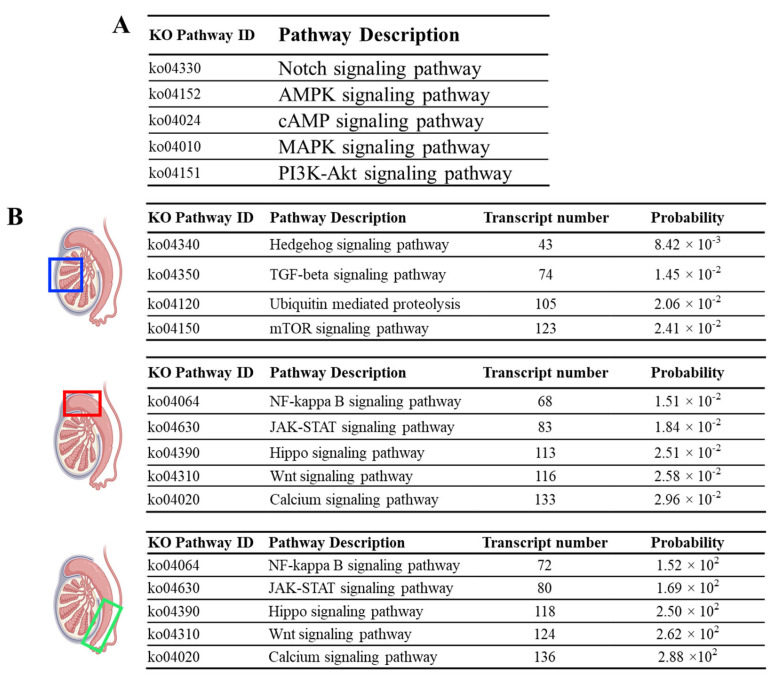 Figure 3
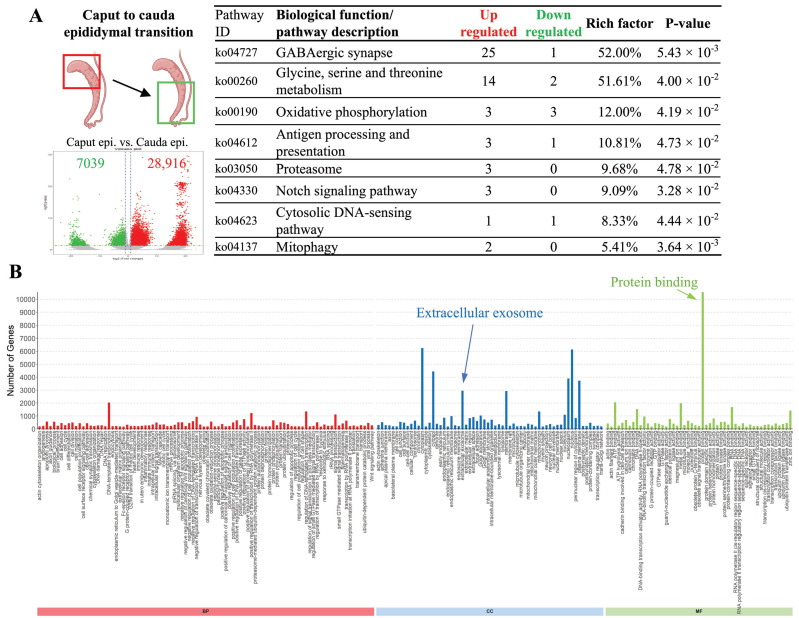 Figure 4
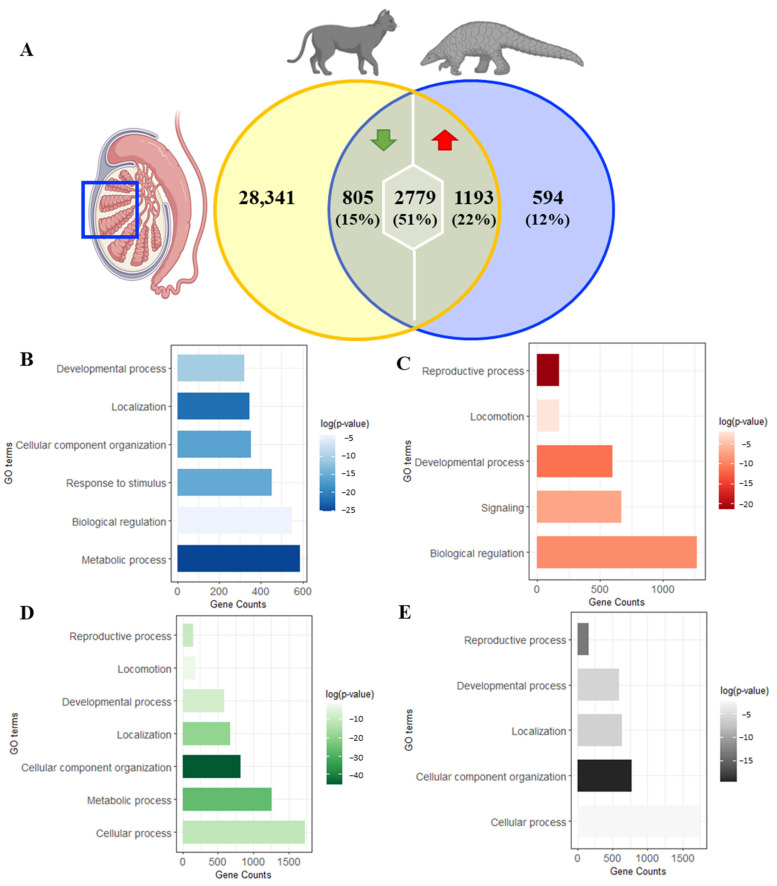 Figure 5
Peer Reviews
No public reviews on file for this paper yet. If you reviewed it on a platform where reviews are public (OpenReview, ICLR, NeurIPS, ICML), you can paste yours below so the community can read it here.
Videos
No videos yet. Explain this paper in a talk, walkthrough, or lecture? Add one.
Taxonomy
TopicsLatin American Cultural Politics