Baby Foods: 9 Out of 62 Exceed the Reference Limits for Acrylamide
Arianna Bonucci, Stefania Urbani, Maurizio Servili, Roberto Selvaggini, Luigi Daidone, Ilenia Dottori, Beatrice Sordini, Gianluca Veneziani, Agnese Taticchi, Sonia Esposto

TL;DR
A study found that 14.5% of baby foods tested exceeded acrylamide reference levels, raising concerns about potential carcinogenic risks.
Contribution
The study provides new data on acrylamide levels in baby foods and evaluates health risks based on consumption patterns.
Findings
14.5% of 62 baby food samples exceeded EU reference acrylamide levels.
Homogenized chicken products and biscuits had the highest acrylamide concentrations.
Margins of exposure suggest potential carcinogenic risks but not neurotoxic concerns.
Abstract
Acrylamide (AA) is a contaminant resulting from the Maillard reaction and classified by the International Agency for Research on Cancer (IARC) as a probable carcinogen in Group 2A, with proven neurotoxic effects on humans. European Union (EU) Regulation No. 2017/2158 is currently in force, which establishes measures meant to reduce AA levels in food and sets reference values, but not legal limits, equal to 40 and 150 μg/kg AA in processed cereal-based foods intended for infants and young children and in biscuits and rusks, respectively. For this reason, sixty-two baby foods were analyzed using ultra-high performance liquid chromatography with diode array detector and quadrupole time-of-flight mass spectrometry (UHPLC-DAD-Q-TOF/MS) to check whether industries were complying with these values, even though AA control is not legally mandatory. In total, 14.5% of the samples exceeded the…
Genes, proteins, chemicals, diseases, species, mutations and cell lines named across the full text — each resolved to its canonical identifier and authoritative record.
Click any figure to enlarge with its caption.
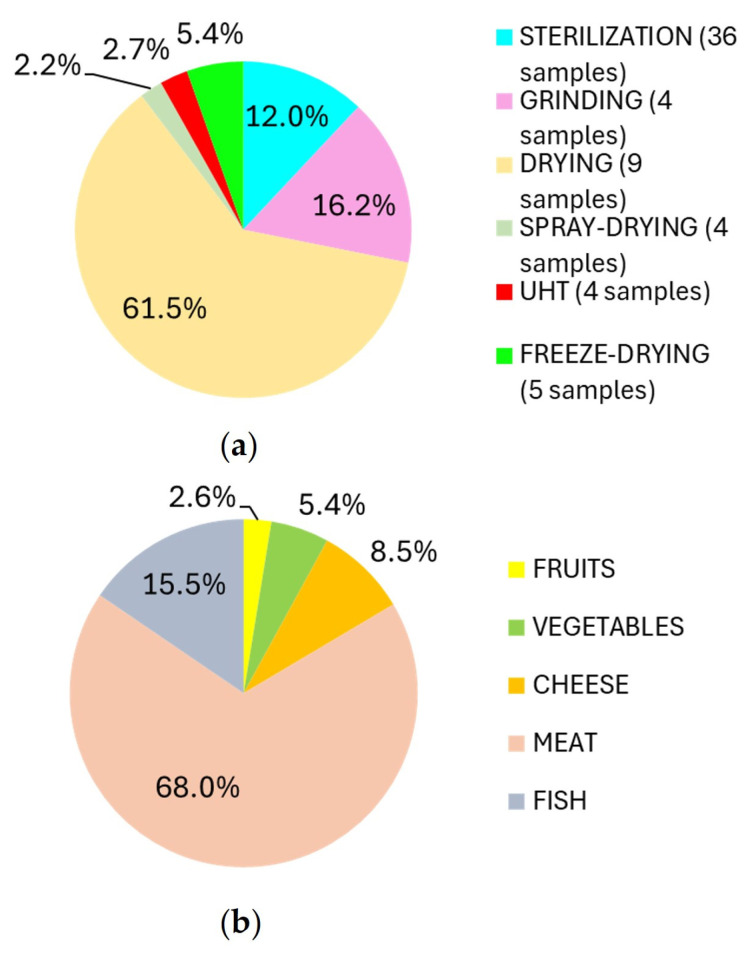 Figure 1
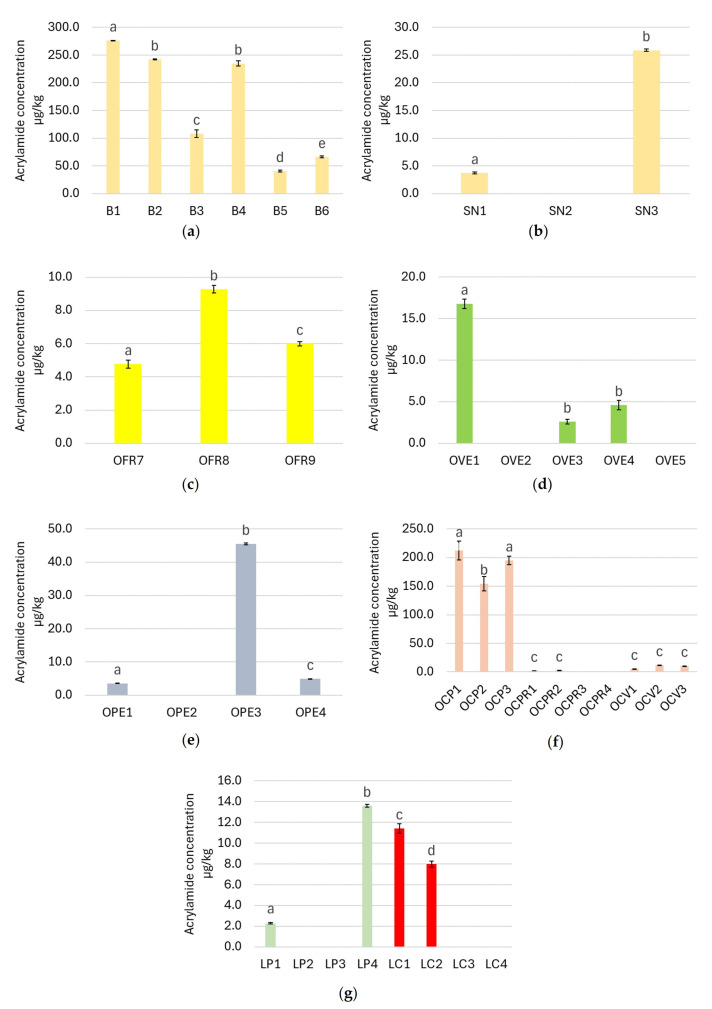 Figure 2
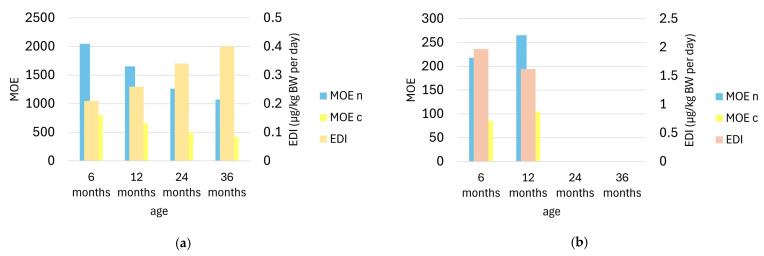 Figure 3
Peer Reviews
No public reviews on file for this paper yet. If you reviewed it on a platform where reviews are public (OpenReview, ICLR, NeurIPS, ICML), you can paste yours below so the community can read it here.
Videos
No videos yet. Explain this paper in a talk, walkthrough, or lecture? Add one.
Taxonomy
TopicsPotato Plant Research · Bladder and Urothelial Cancer Treatments