Modulation of Spontaneous Action Potential Rate by Inositol Trisphosphate in Myocytes from the Rabbit Atrioventricular Node
Hongwei Cheng, Cherrie H. T. Kong, Andrew F. James, Mark B. Cannell, Jules C. Hancox

TL;DR
This study shows that inositol trisphosphate (IP3) can influence the pacemaking rate of cells in the rabbit atrioventricular node, a key part of the heart's conduction system.
Contribution
The study is the first to demonstrate that IP3 modulates pacemaking in AVN cells, revealing a novel regulatory mechanism in cardiac conduction.
Findings
IP3-R2 is present in AVN cells and overlaps partially with RyR2 receptors.
Activation of IP3 receptors increases spontaneous action potential rate and diastolic depolarization rate.
Inhibition of IP3 receptors slows pacemaking, confirming their role in AVN cell function.
Abstract
The atrioventricular node (AVN) is a key component of the cardiac conduction system and takes over pacemaking of the ventricles if the sinoatrial node fails. IP3 (inositol 1,4,5 trisphosphate) can modulate excitability of myocytes from other regions of the heart, but it is not known whether IP3 receptor (IP3-R) activation modulates AVN cell pacemaking. Consequently, this study investigated effects of IP3 on spontaneous action potentials (APs) from AVN cells isolated from rabbit hearts. Immunohistochemistry and confocal imaging demonstrated the presence of IP3-R2 in isolated AVN cells, with partial overlap with RyR2 ryanodine receptors seen in co-labelling experiments. In whole-cell recordings at physiological temperature, application of 10 µM membrane-permeant Bt3-(1,4,5)IP3-AM accelerated spontaneous AP rate and increased diastolic depolarization rate, without direct effects on ICa,L,…
Genes, proteins, chemicals, diseases, species, mutations and cell lines named across the full text — each resolved to its canonical identifier and authoritative record.
Click any figure to enlarge with its caption.
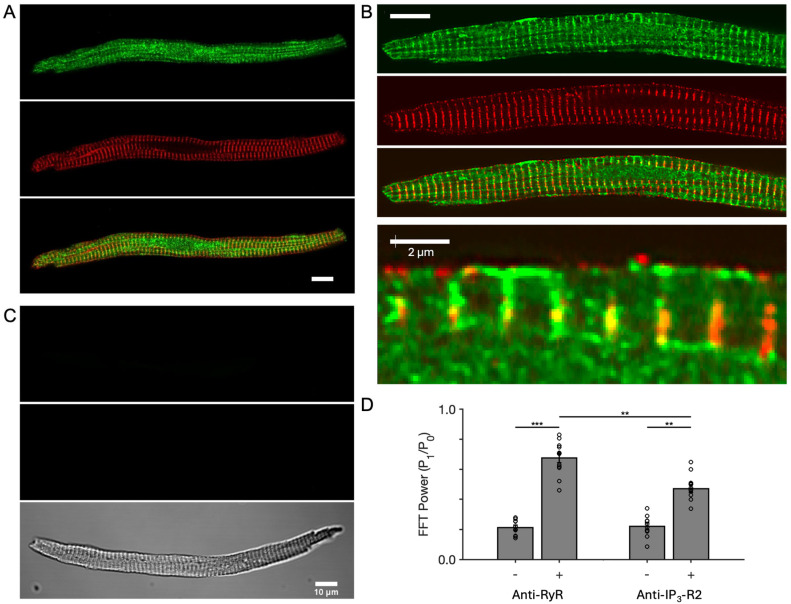 Figure 1
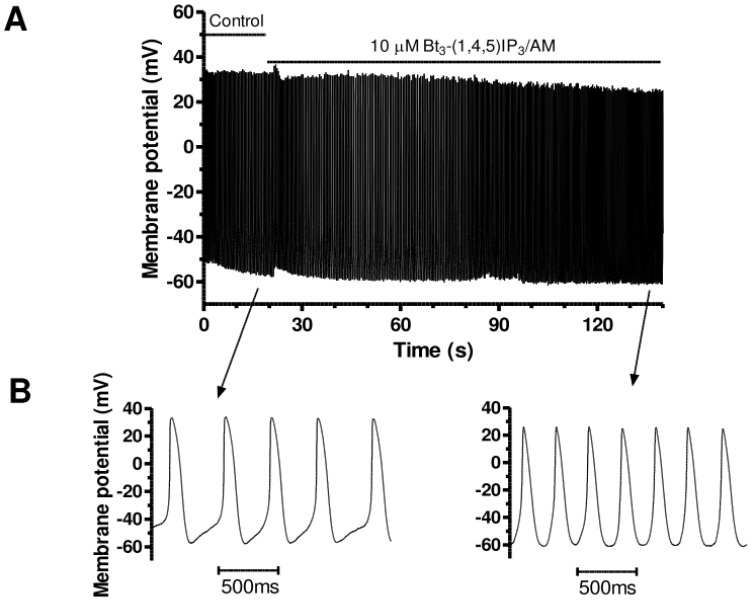 Figure 2
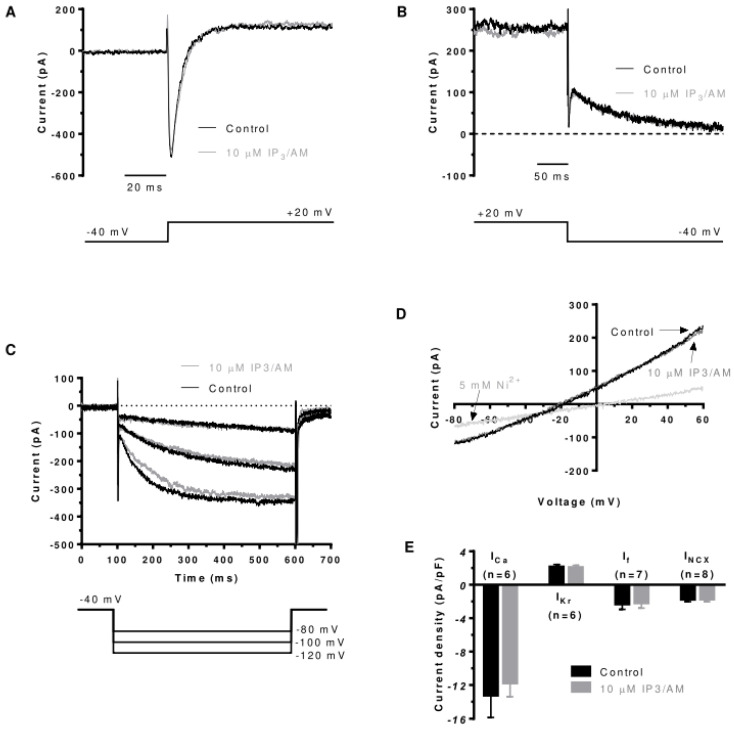 Figure 3
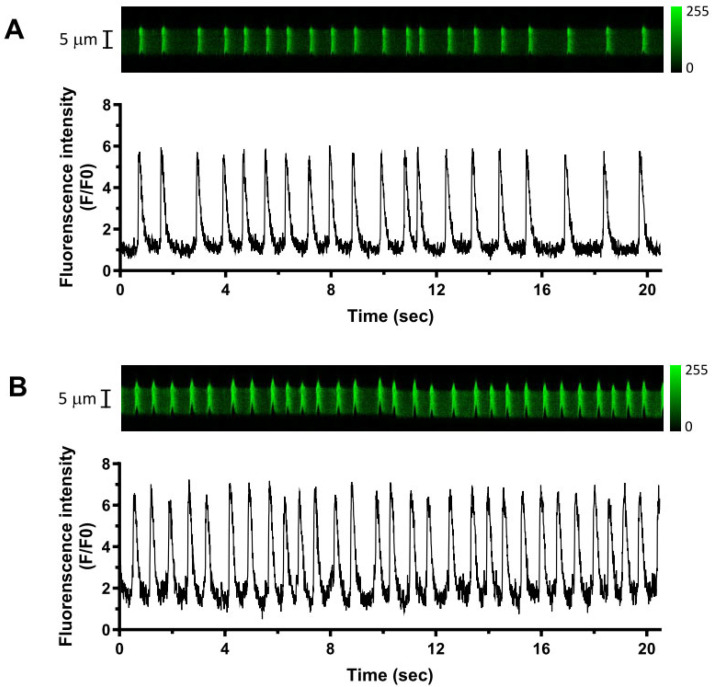 Figure 4
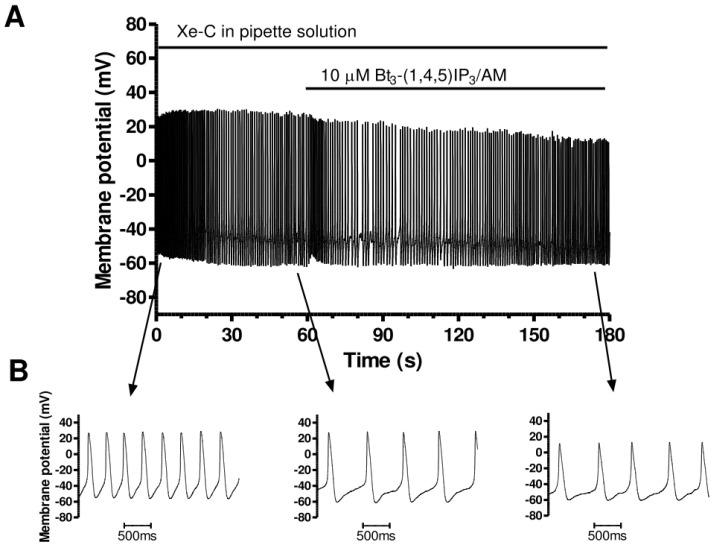 Figure 5
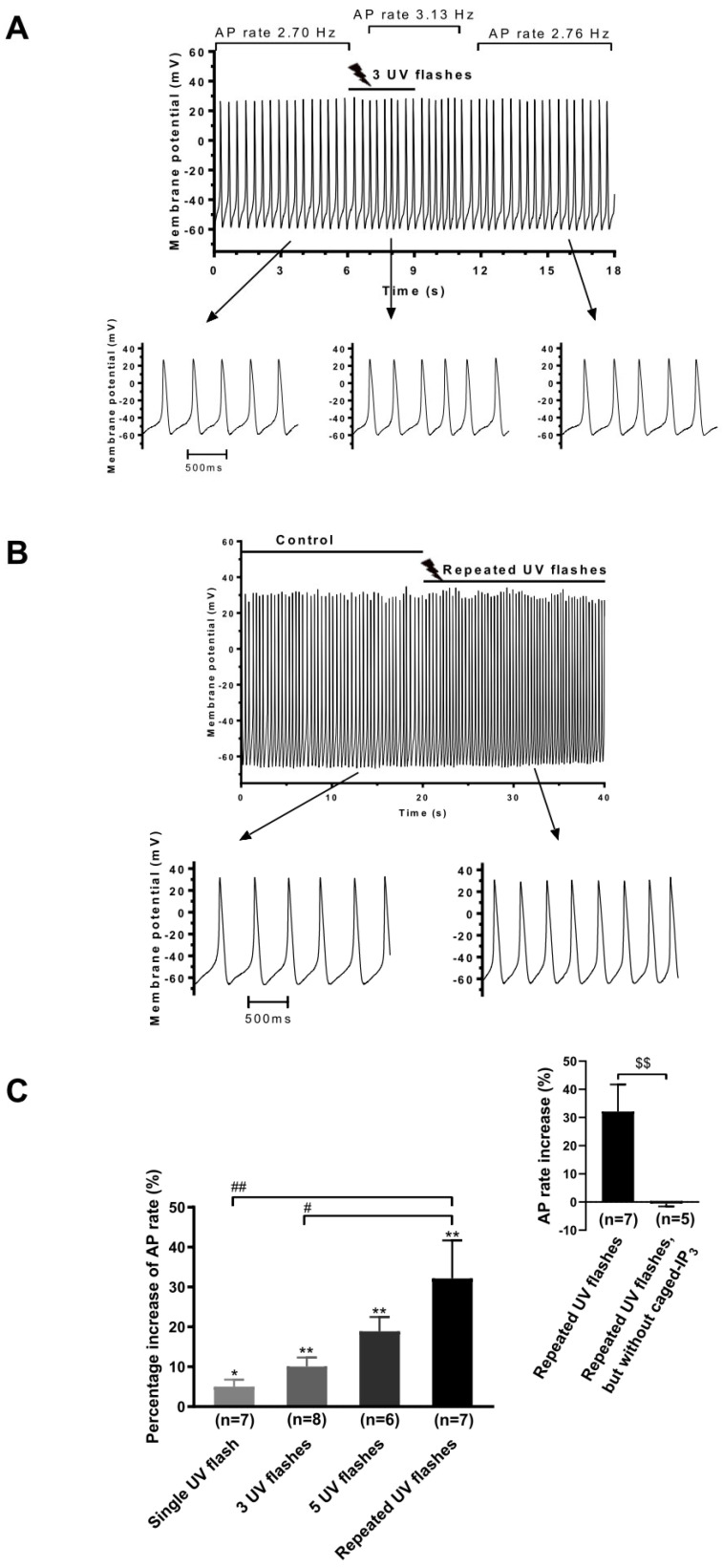 Figure 6
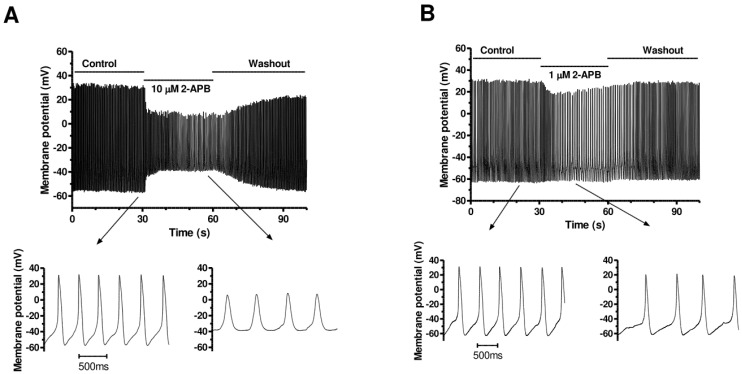 Figure 7
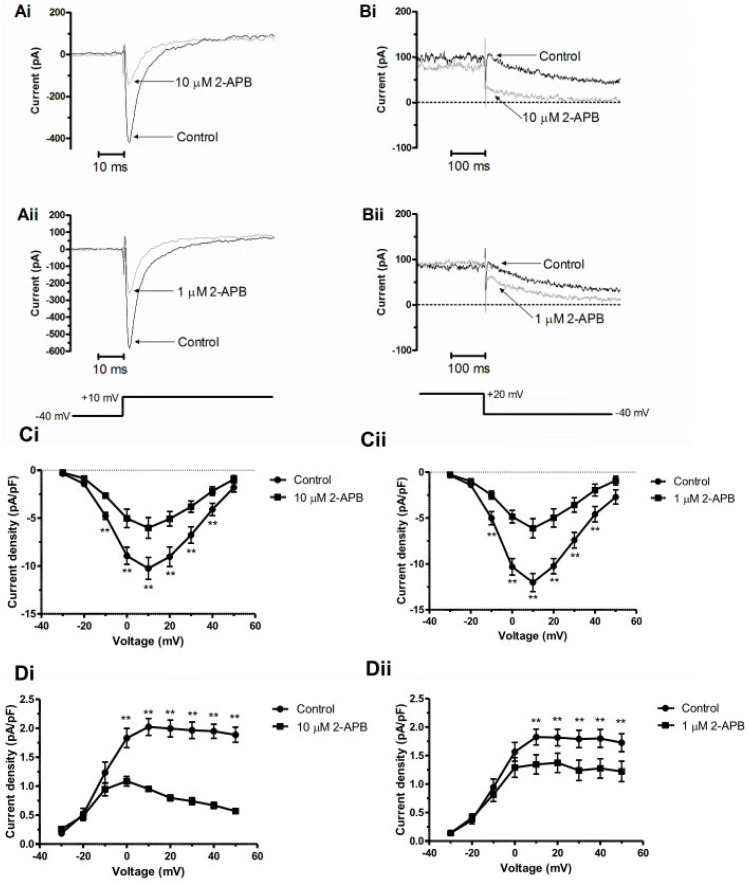 Figure 8
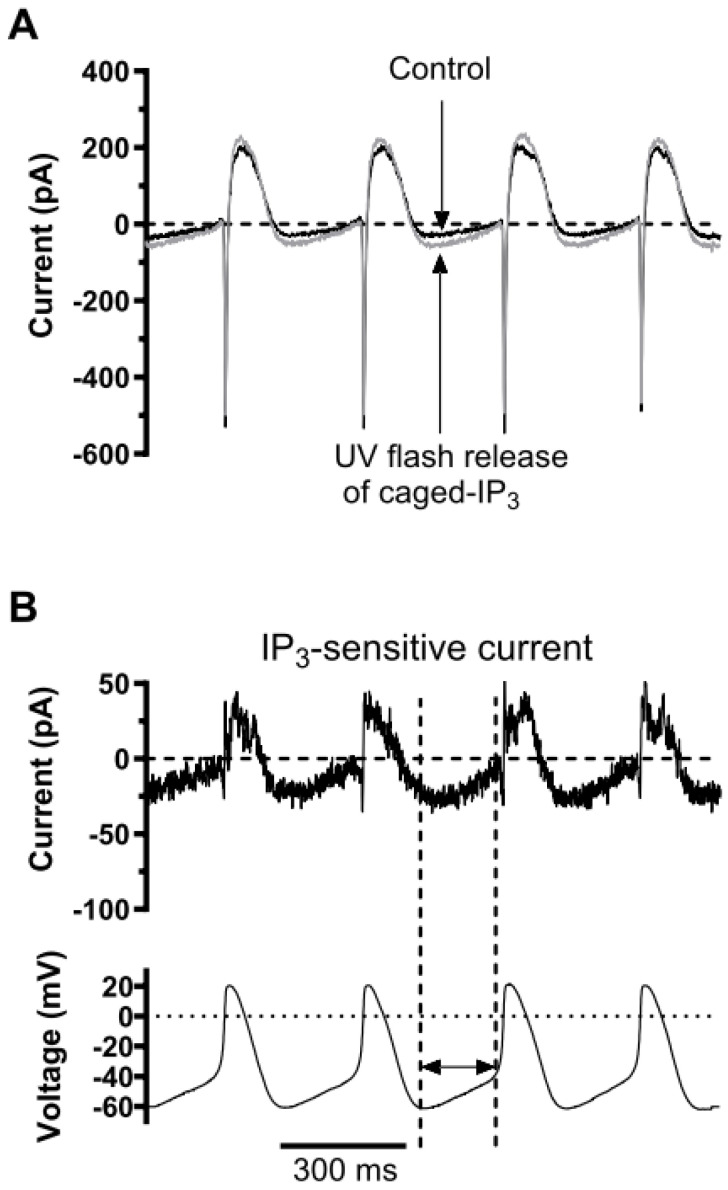 Figure 9
Peer Reviews
No public reviews on file for this paper yet. If you reviewed it on a platform where reviews are public (OpenReview, ICLR, NeurIPS, ICML), you can paste yours below so the community can read it here.
Videos
No videos yet. Explain this paper in a talk, walkthrough, or lecture? Add one.
Taxonomy
TopicsCardiac electrophysiology and arrhythmias · Ion channel regulation and function · Neuroscience and Neural Engineering