Unlocking the Secrets of Adipose Tissue: How an Obesity-Associated Secretome Promotes Osteoblast Dedifferentiation via TGF-β1 Signaling, Paving the Path to an Adipogenic Phenotype
Yasmin Silva Forte, Vany Nascimento-Silva, Caio Andrade-Santos, Isadora Ramos-Andrade, Georgia Correa Atella, Luiz Guilherme Kraemer-Aguiar, Paulo Roberto Falcão Leal, Mariana Renovato-Martins, Christina Barja-Fidalgo

TL;DR
Obesity-related fat tissue releases signals that cause bone-building cells to lose their identity and become more fat-like, with TGF-β1 playing a key role.
Contribution
This study reveals how obesity-associated fat secretions directly cause osteoblast dedifferentiation and promote an adipogenic shift via TGF-β1 signaling.
Findings
Obese adipose secretomes induce osteoblast dedifferentiation and mesenchymal-like changes.
Exposure to obese secretomes increases adipogenic markers and lipid droplet formation in osteoblasts.
TGF-β1 is a key mediator in the observed dedifferentiation and adipogenic effects.
Abstract
Background: Obesity poses a significant global health challenge, given its association with the excessive accumulation of adipose tissue (AT) and various systemic disruptions. Within the adipose microenvironment, expansion and enrichment with immune cells trigger the release of inflammatory mediators and growth factors, which can disrupt tissues, including bones. While obesity’s contribution to bone loss is well established, the direct impact of obese AT on osteoblast maturation remains uncertain. This study aimed to explore the influence of the secretomes from obese and lean AT on osteoblast differentiation and activity. Methods: SAOS-2 cells were exposed to the secretomes obtained by culturing human subcutaneous AT from individuals with obesity (OATS) or lean patients, and their effects on osteoblasts were evaluated. Results: In the presence of the OATS, mature osteoblasts underwent…
Genes, proteins, chemicals, diseases, species, mutations and cell lines named across the full text — each resolved to its canonical identifier and authoritative record.
Click any figure to enlarge with its caption.
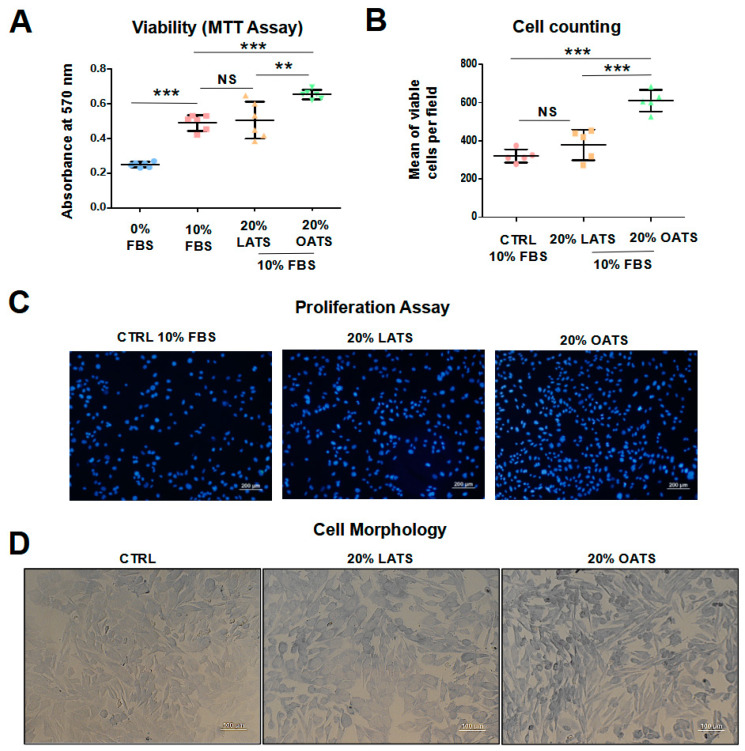 Figure 1
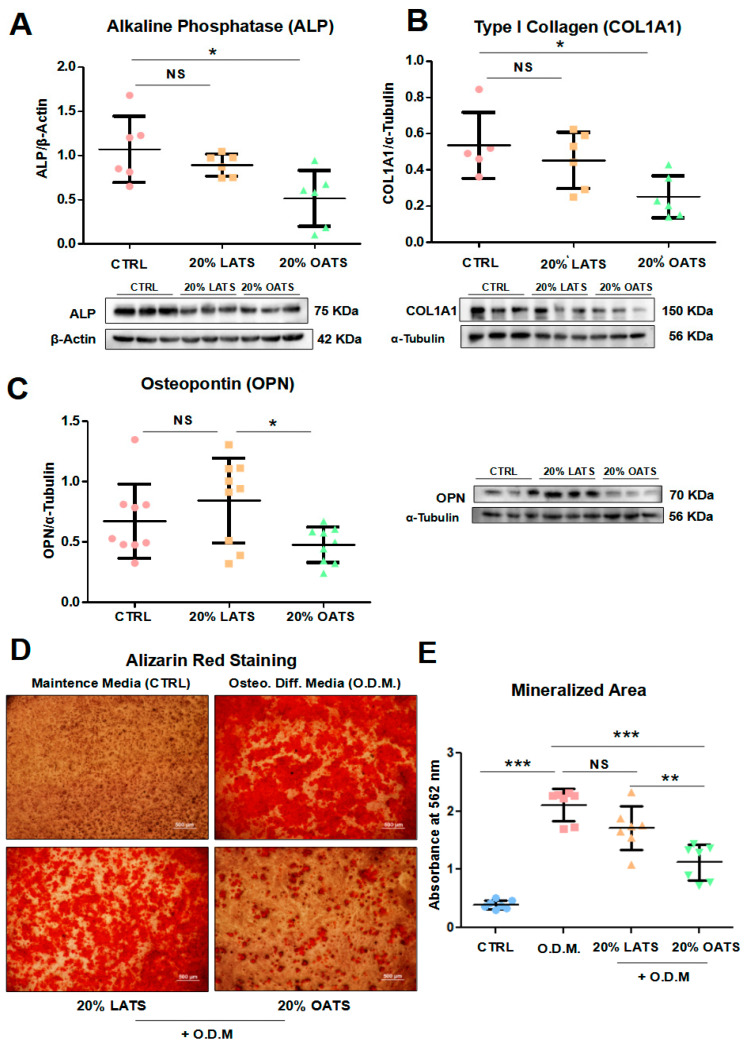 Figure 2
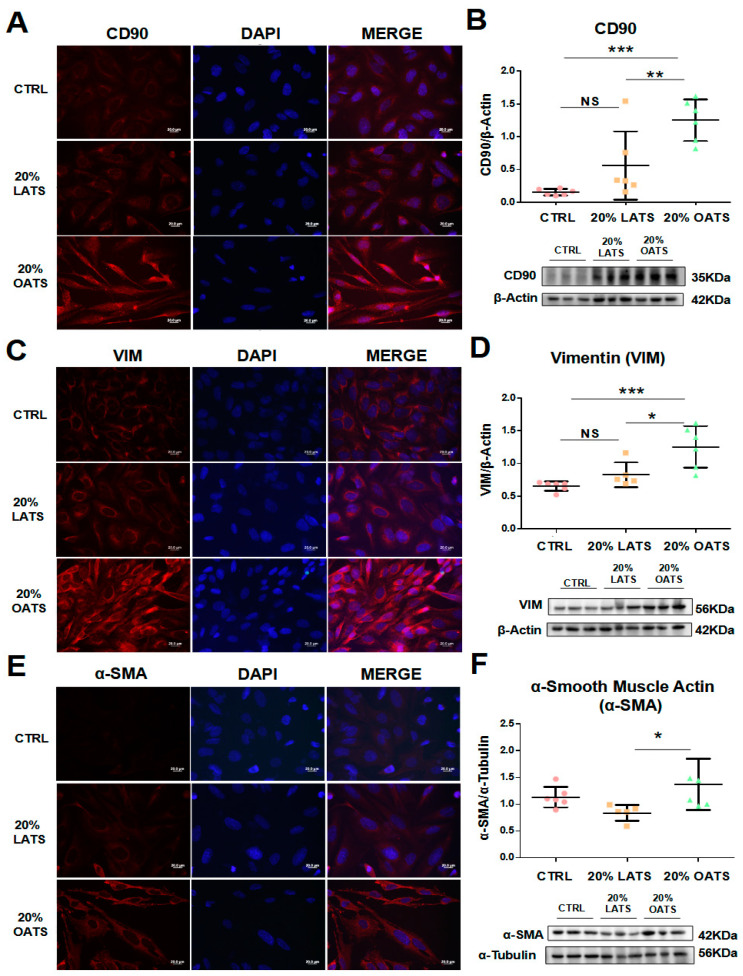 Figure 3
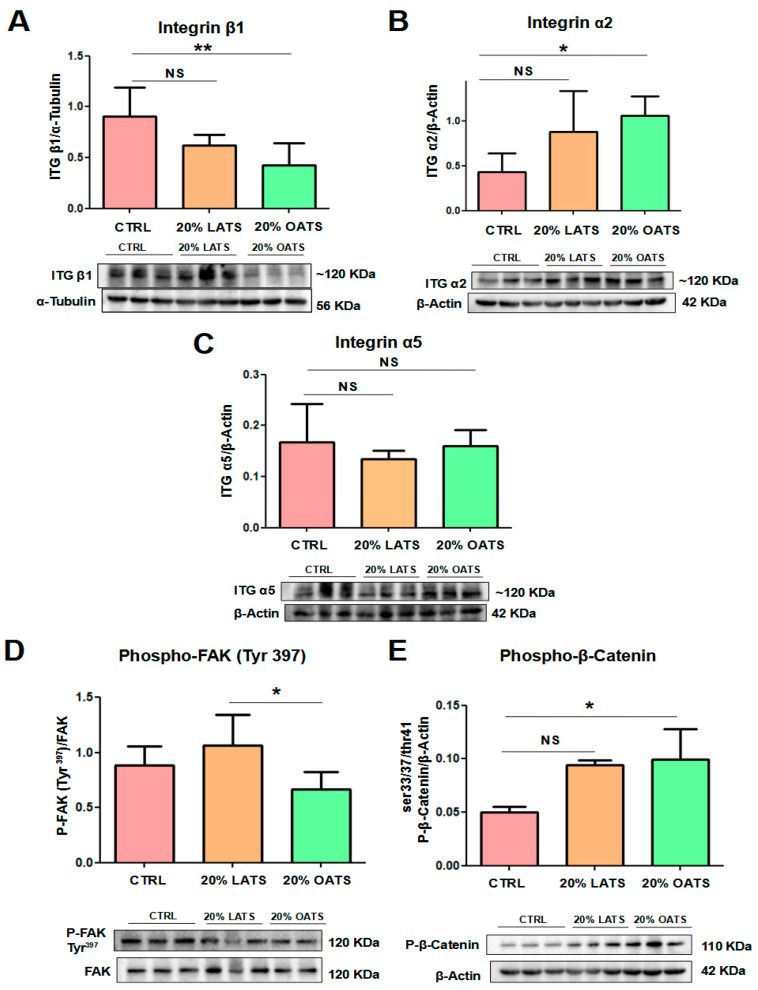 Figure 4
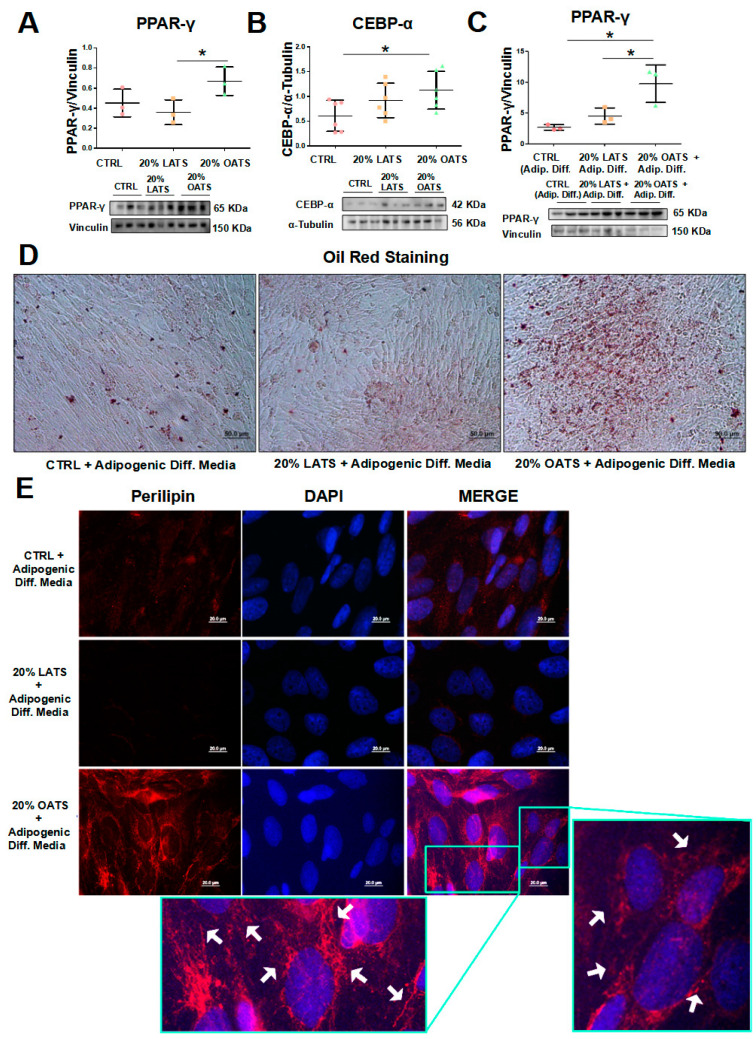 Figure 5
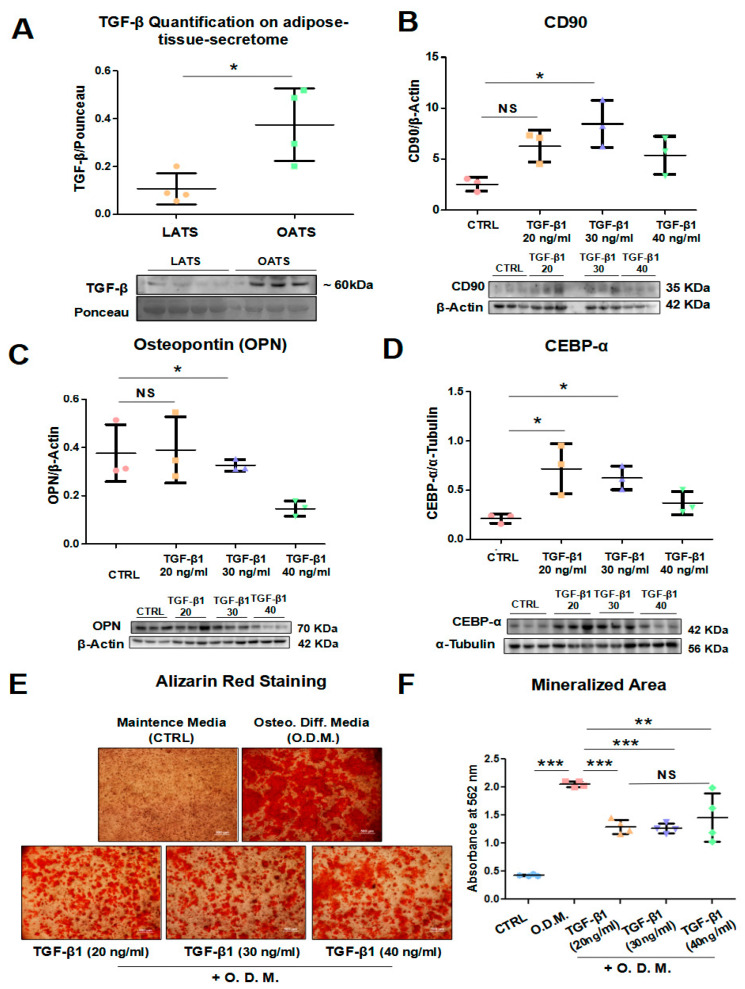 Figure 6
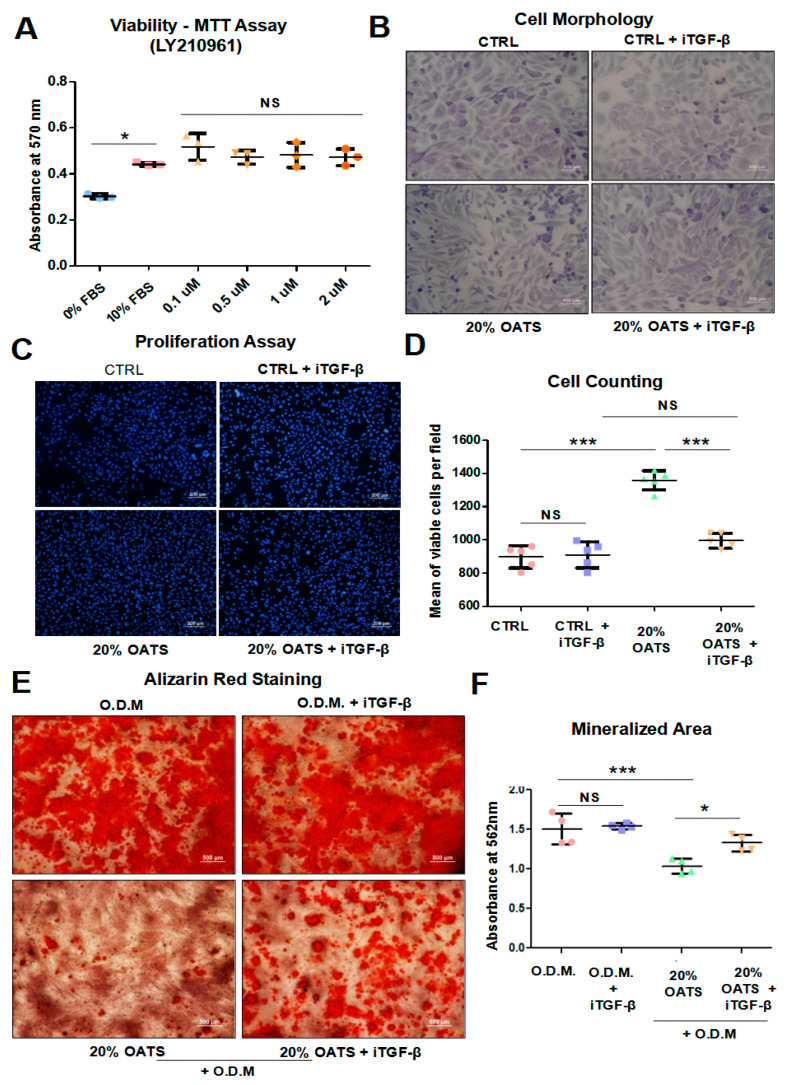 Figure 7
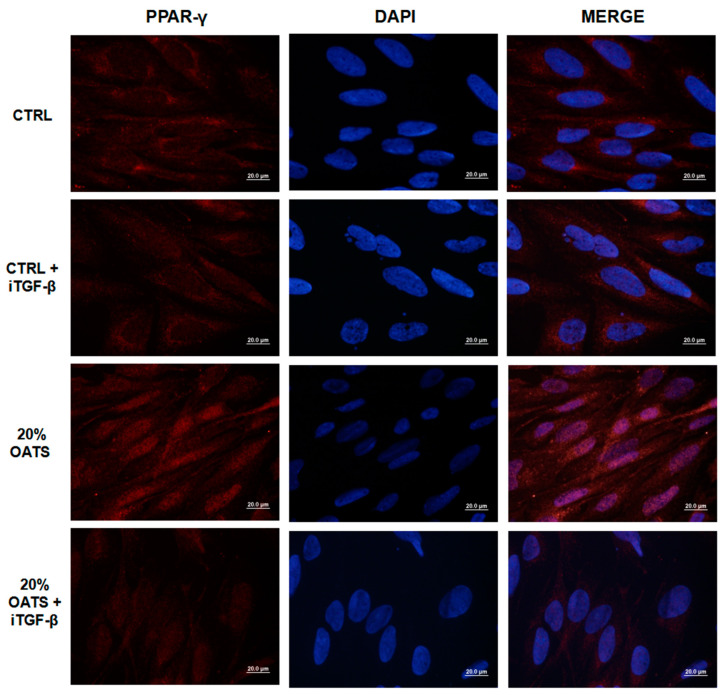 Figure 8
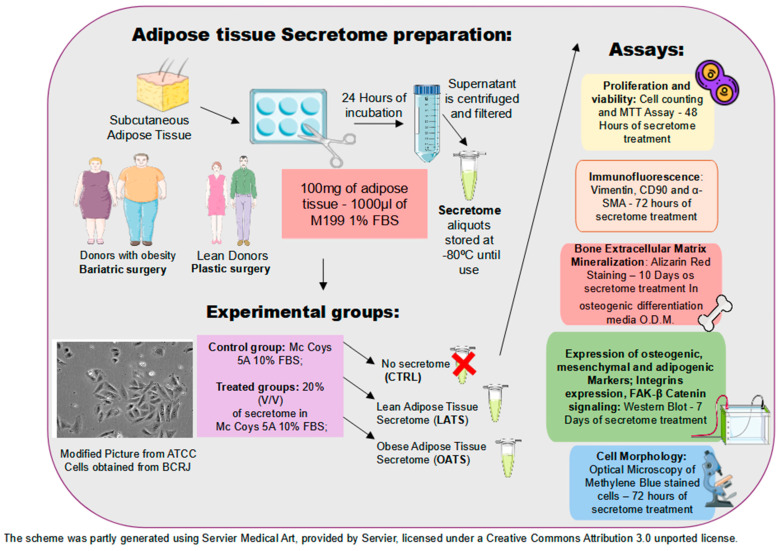 Figure 9
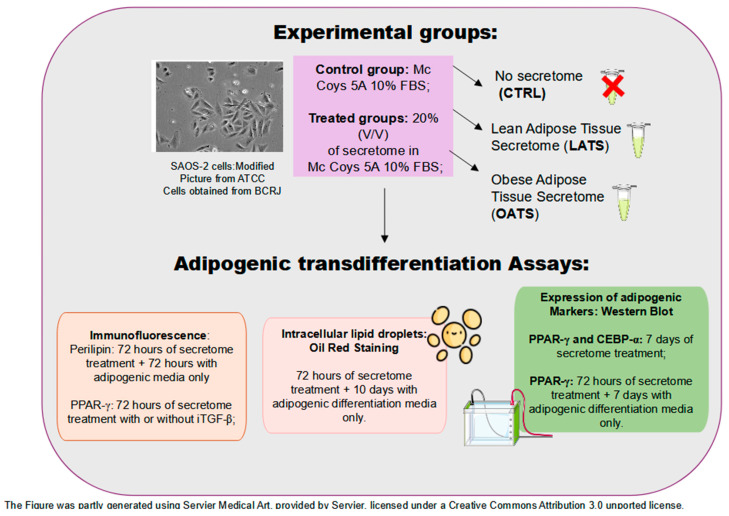 Figure 10
Peer Reviews
No public reviews on file for this paper yet. If you reviewed it on a platform where reviews are public (OpenReview, ICLR, NeurIPS, ICML), you can paste yours below so the community can read it here.
Videos
No videos yet. Explain this paper in a talk, walkthrough, or lecture? Add one.
Taxonomy
TopicsBone and Dental Protein Studies · Bone Metabolism and Diseases · Mesenchymal stem cell research