Macrophage-mediated mechanisms of lung injury in the sensitization reaction to Echinococcus granulosus
Yu-qian Li, Chun-sheng Wang, Jing-ru Zhou, Jia-ling Wang, Subi Tailaiti, Jia-ying Lin, Batesurong Bayina, Li-wei Cao, Jian-rong Ye

TL;DR
This study shows how a specific pathway in mice contributes to lung damage from a parasite, and how blocking it reduces inflammation.
Contribution
The study identifies the PI3K/AKT/NF-κB pathway's role in macrophage-driven lung injury during Echinococcus granulosus sensitization.
Findings
Inhibiting the PI3K/AKT/NF-κB pathway reduced M1 macrophages and inflammation in lung tissues.
Mice with pathway inhibition had lower levels of IL-6, TNF-α, and oxidative markers.
The pathway's activation is linked to increased lung damage during Echinococcus granulosus sensitization.
Abstract
In this study, the impact of inhibiting the PI3K/AKT/NF-κB pathway on lung oxidative damage induced by Echinococcus granulosus cyst fluid was investigated. Twenty-four mice were randomly assigned to four groups. Three months after inoculation with hydatid cyst segments, mice in group A were treated with intraperitoneal and intratracheal saline injections; mice in group B were administered a caudal vein injection of a PI3K inhibitor, followed by cyst fluid sensitization; mice in group C received an AKT inhibitor via caudal vein, followed by cyst fluid sensitization; and mice in group D were subjected to cyst fluid sensitization without any inhibitor treatment. Cellular changes in lung tissues across all groups were evaluated, including pathological section analysis. Analysis of pulmonary tissue and serum from these mice included the assessment of PI3K/AKT/NF-κB pathway proteins,…
Genes, proteins, chemicals, diseases, species, mutations and cell lines named across the full text — each resolved to its canonical identifier and authoritative record.
Click any figure to enlarge with its caption.
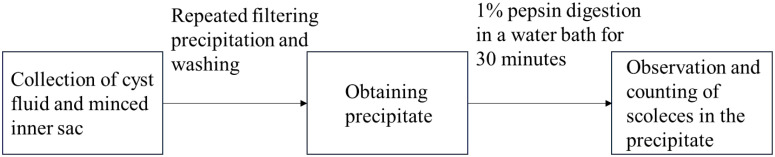 Figure 1
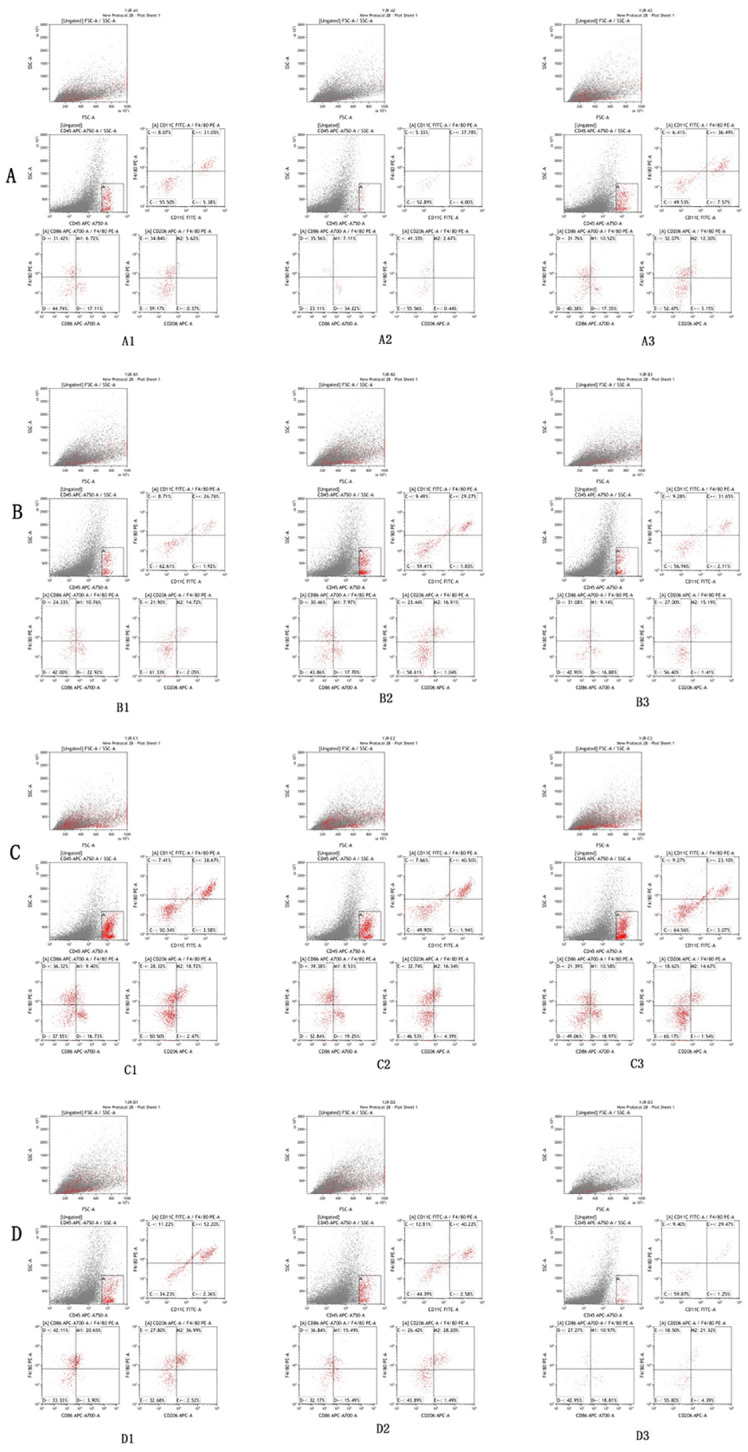 Figure 2
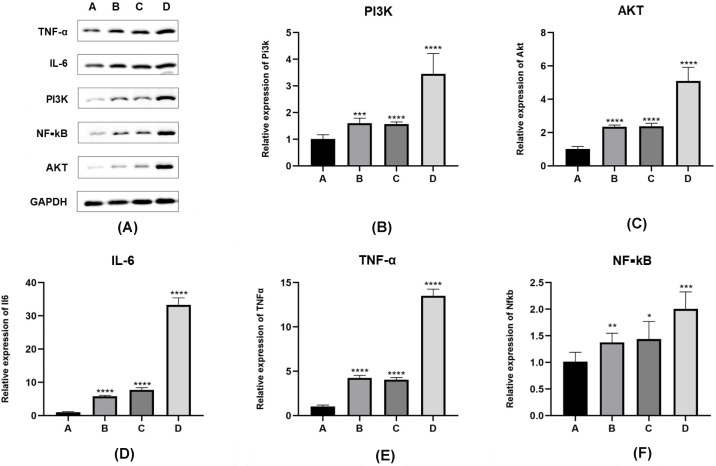 Figure 3
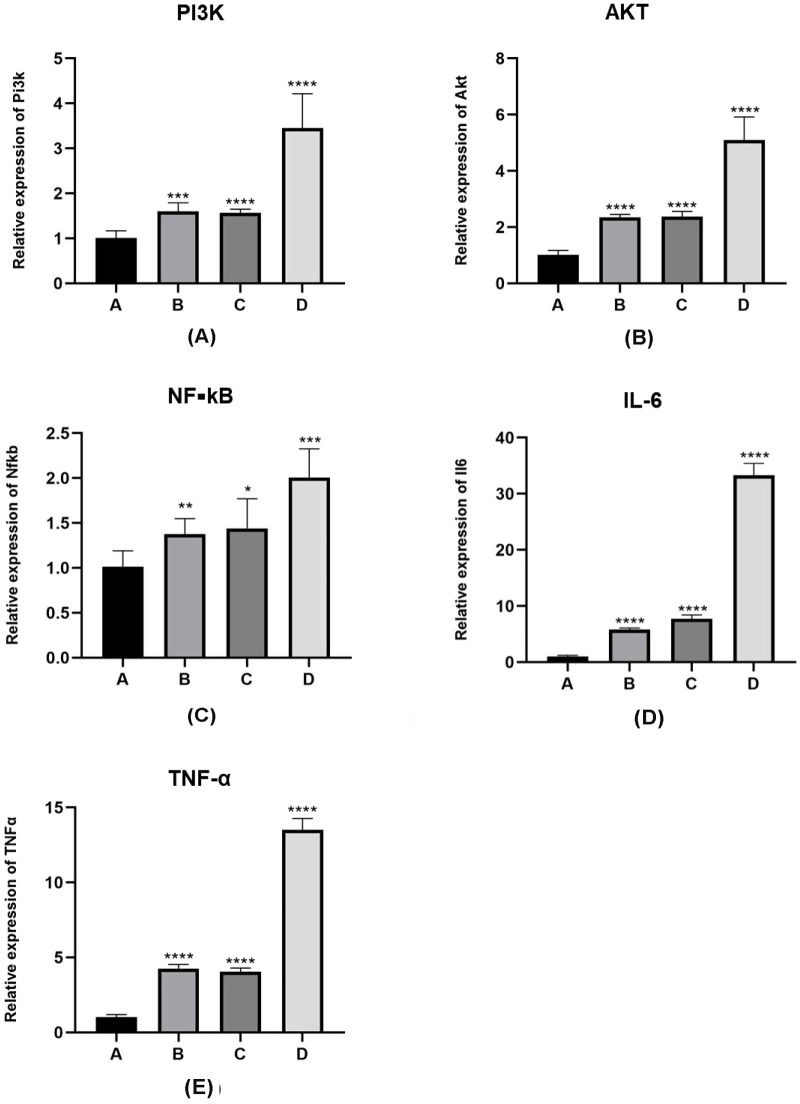 Figure 4
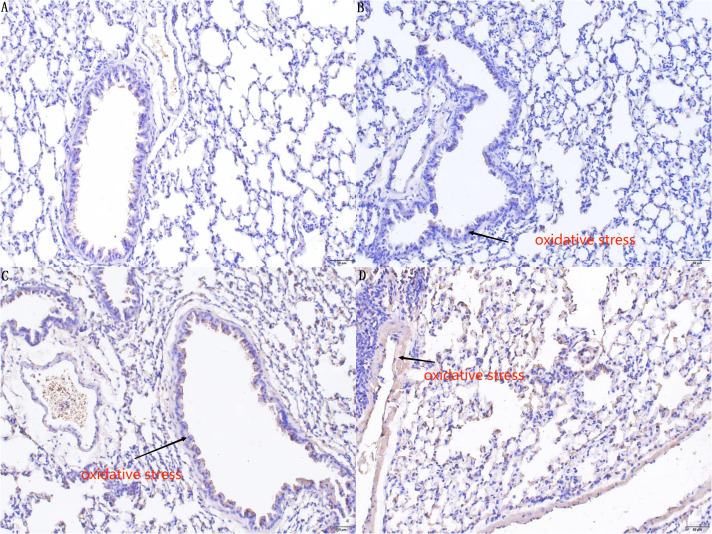 Figure 5
Peer Reviews
No public reviews on file for this paper yet. If you reviewed it on a platform where reviews are public (OpenReview, ICLR, NeurIPS, ICML), you can paste yours below so the community can read it here.
Videos
No videos yet. Explain this paper in a talk, walkthrough, or lecture? Add one.
Taxonomy
TopicsParasitic infections in humans and animals · Congenital Anomalies and Fetal Surgery