The Importance of Suppressing Pathological Periostin Splicing Variants with Exon 17 in Both Stroma and Cancer
Kana Shibata, Nobutaka Koibuchi, Fumihiro Sanada, Naruto Katsuragi, Yuko Kanemoto, Yasuo Tsunetoshi, Shoji Ikebe, Koichi Yamamoto, Ryuichi Morishita, Kenzo Shimazu, Yoshiaki Taniyama

TL;DR
Suppressing a specific form of the POSTN protein in both cancer cells and surrounding tissue may help reduce tumor growth and spread in breast cancer.
Contribution
The study demonstrates that targeting POSTN exon 17 in both stroma and cancer cells can inhibit tumor progression and metastasis.
Findings
Suppressing stromal POSTN exon 17 in mice led to smaller tumors and fewer metastases.
Skipping POSTN exon 17 in cancer cells significantly reduced lung metastasis.
Targeting POSTN exon 17 may be a promising therapeutic strategy for breast cancer.
Abstract
Background: Periostin (POSTN) is a type of matrix protein that functions by binding to other matrix proteins, cell surface receptors, or other molecules, such as cytokines and proteases. POSTN has four major splicing variants (PN1–4), which are primarily expressed in fibroblasts and cancer. We have reported that we should inhibit pathological POSTN (PN1–3), but not physiological POSTN (PN4). In particular, pathological POSTN with exon 17 is present in both stroma and cancer, but it is unclear whether the stroma or cancer pathological POSTN should be suppressed. Methods and Results: We transplanted 4T1 cells (breast cancer) secreting POSTN with exon 17 into 17KO mice lacking POSTN exon 17 to suppress stromal POSTN with exon 17. The results show that 17KO mice had smaller primary tumors and fewer metastases. Furthermore, to suppress cancer POSTN with exon 17, 4T1 cells transfected with…
Genes, proteins, chemicals, diseases, species, mutations and cell lines named across the full text — each resolved to its canonical identifier and authoritative record.
Click any figure to enlarge with its caption.
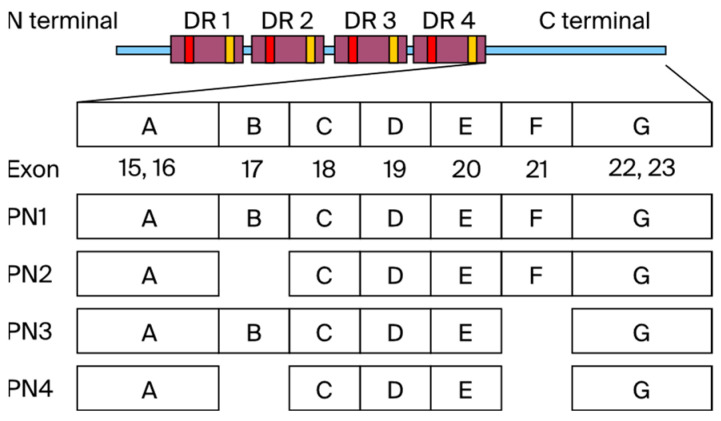 Figure 1
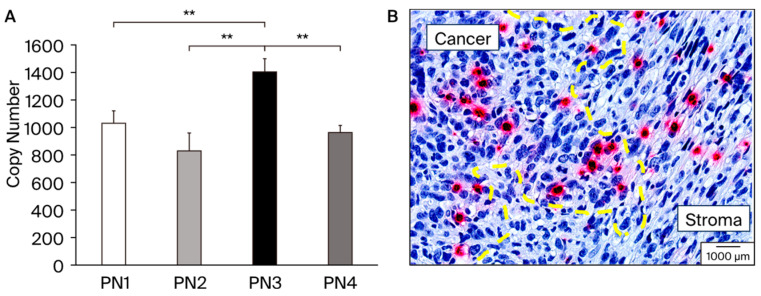 Figure 2
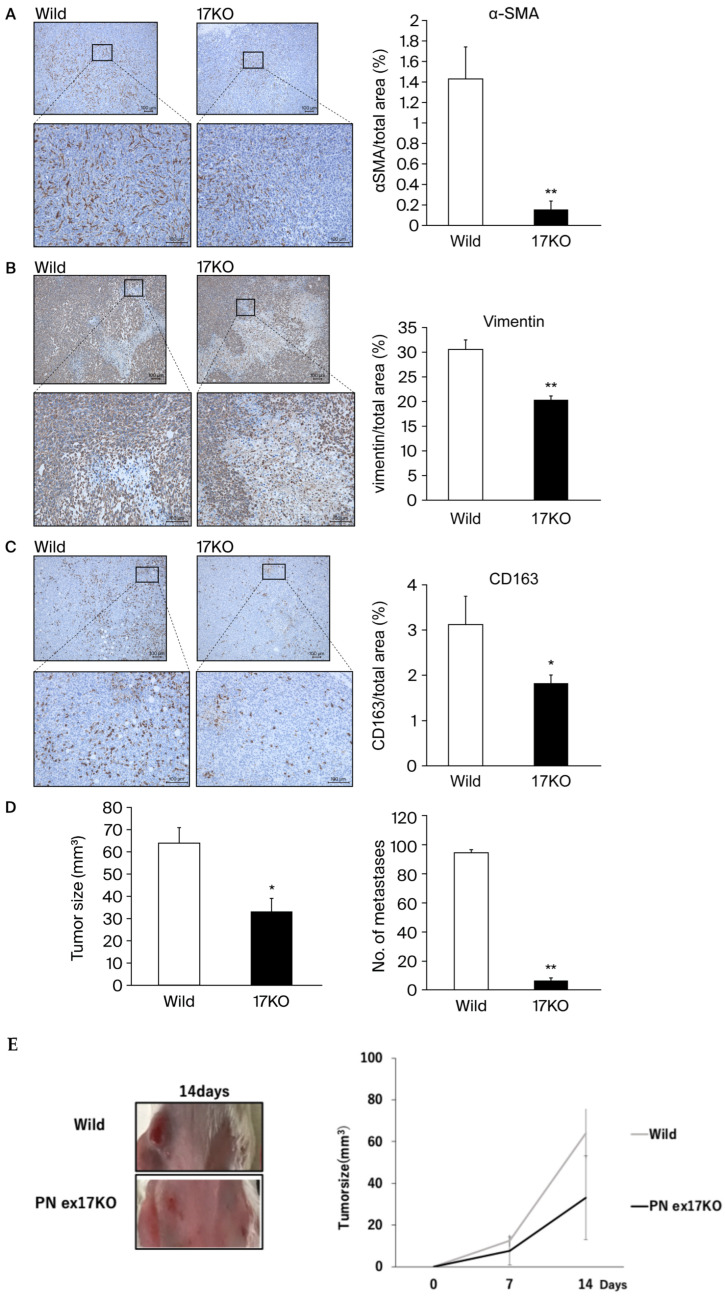 Figure 3
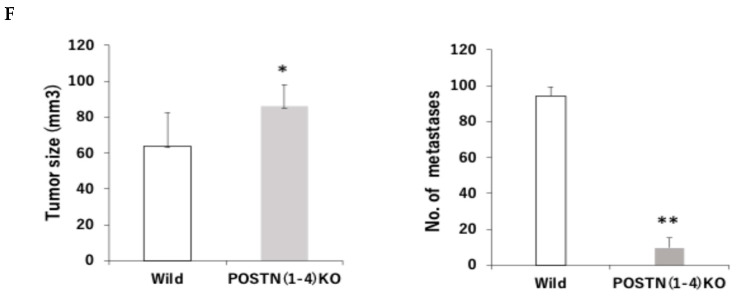 Figure 4
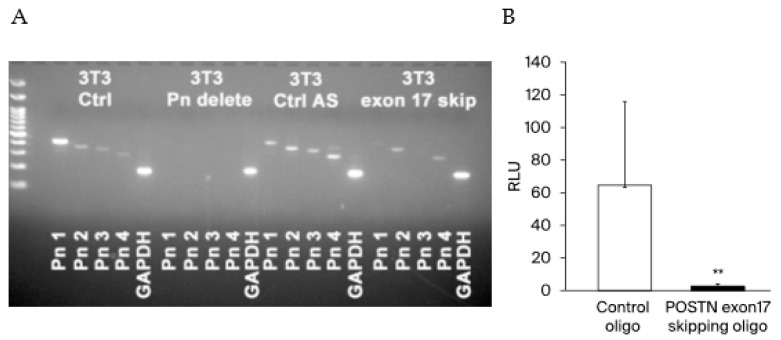 Figure 5
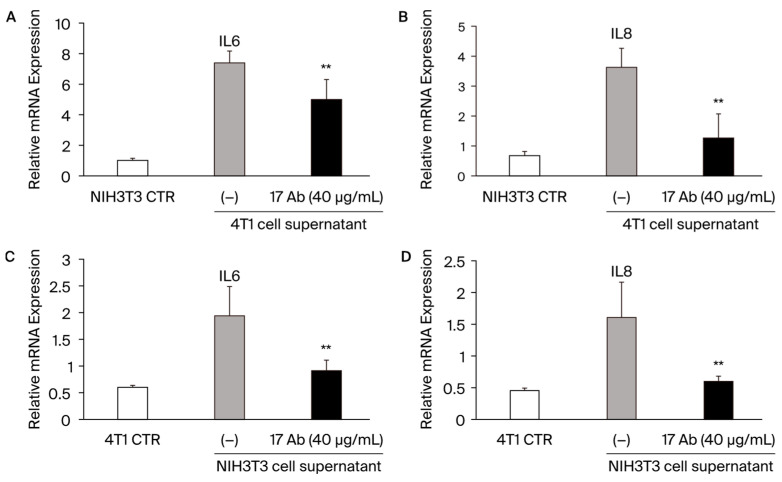 Figure 6
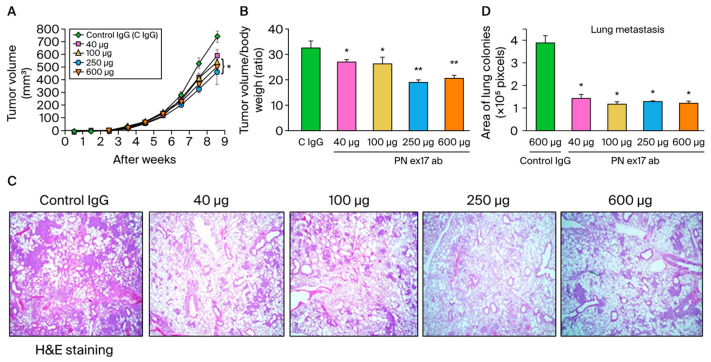 Figure 7
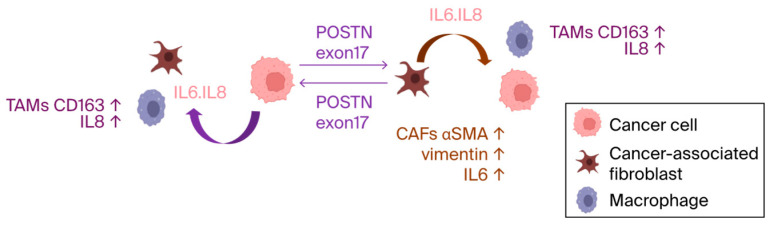 Figure 8
Peer Reviews
No public reviews on file for this paper yet. If you reviewed it on a platform where reviews are public (OpenReview, ICLR, NeurIPS, ICML), you can paste yours below so the community can read it here.
Videos
No videos yet. Explain this paper in a talk, walkthrough, or lecture? Add one.
Taxonomy
TopicsCardiac Fibrosis and Remodeling · Peptidase Inhibition and Analysis · Signaling Pathways in Disease