Anatomy of the Right and Left Ventricular Subvalvular Apparatus of the Horse (Equus caballus)
Karolina Bielińska, Aleksander F. Butkiewicz, Hanna Ziemak, Maciej Zdun

TL;DR
This study examines the anatomy of the heart's subvalvular structures in horses to improve veterinary cardiology and surgery.
Contribution
The study provides new comparative anatomical insights into equine ventricular subvalvular apparatuses.
Findings
The study identifies morphological features of papillary muscles and chordae tendineae in equine hearts.
Comparisons with other species reveal interspecies similarities and differences linked to evolution and adaptation.
Findings contribute to understanding equine heart pathologies and surgical treatment possibilities.
Abstract
Understanding the precise anatomy of the left and right subvalvular apparatus in the domestic horse can contribute to the development of normal and comparative animal anatomy, as well as surgery, internal medicine, and biology. This study conducts such an analysis, taking into account the thickness of the left ventricular wall, the right ventricular wall, the interventricular septum, the ventricle’s length, and the entire heart’s width. Additionally, it examines the number of muscle bellies of the papillary muscles, the type of connection between the muscle and the heart wall, the height of muscle origin, and the length of the papillary muscle. This study calculates various proportions and compares them with descriptions of subvalvular apparatuses in other animal species, including humans, available in the literature. Due to the growing interest among veterinarians and the increasing…
Genes, proteins, chemicals, diseases, species, mutations and cell lines named across the full text — each resolved to its canonical identifier and authoritative record.
Click any figure to enlarge with its caption.
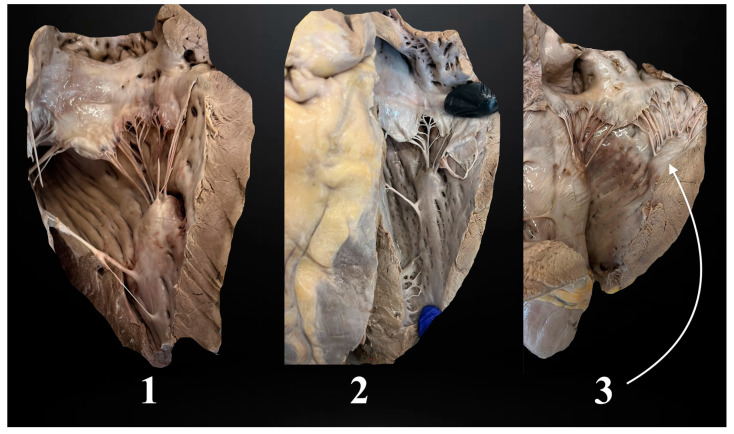 Figure 1
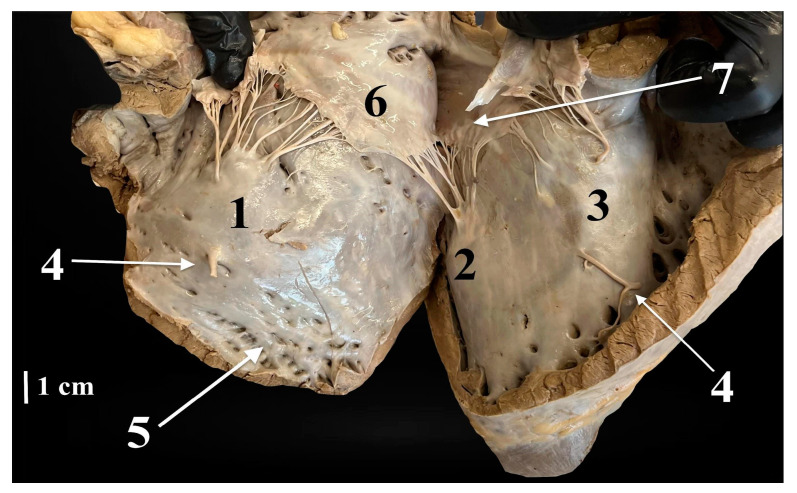 Figure 2
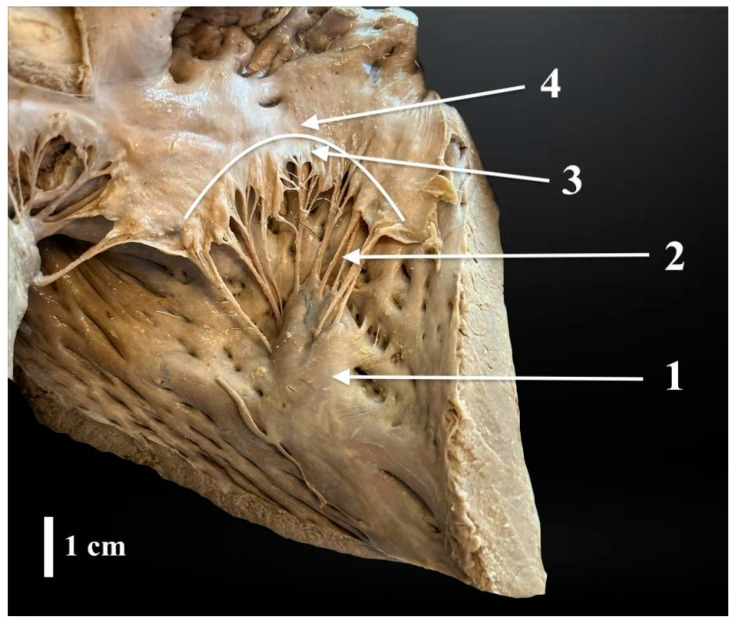 Figure 3
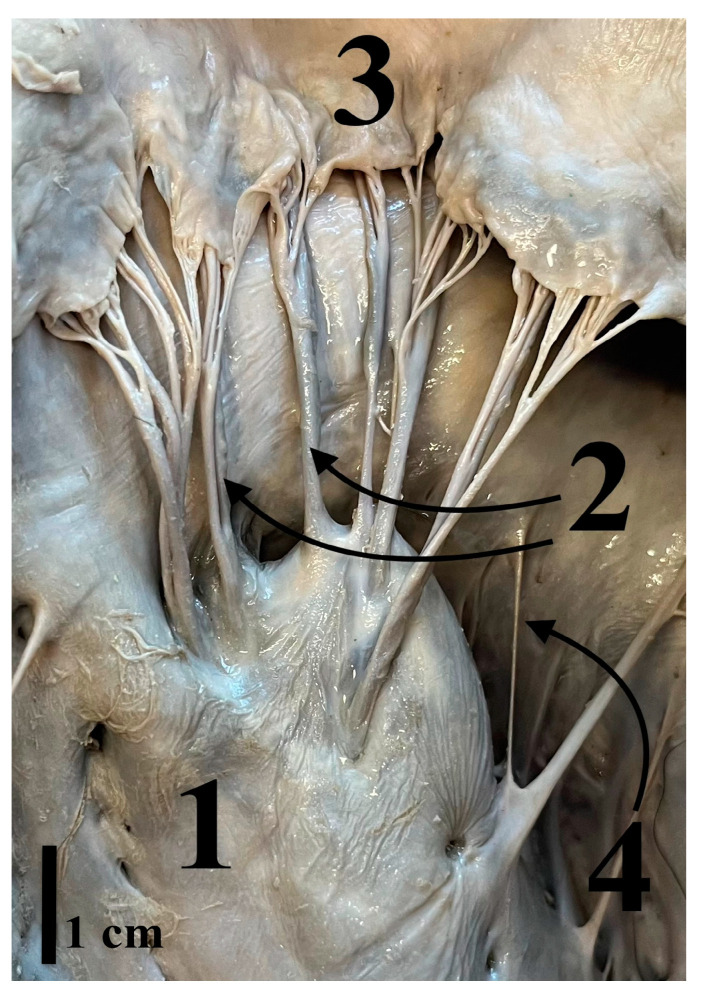 Figure 4
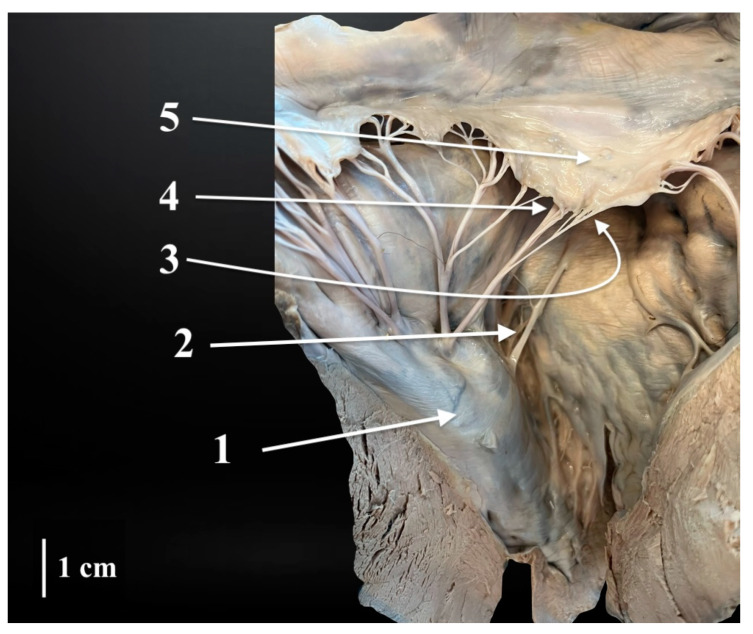 Figure 5
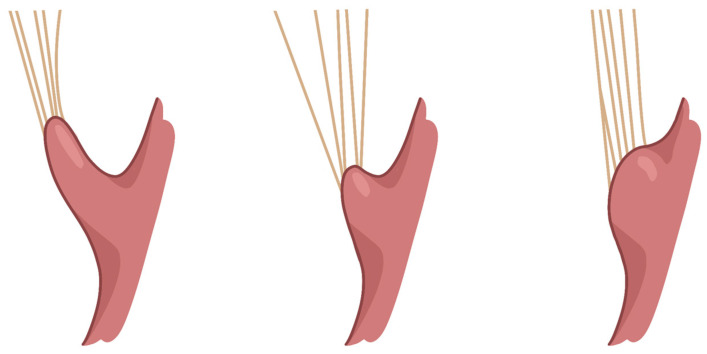 Figure 6
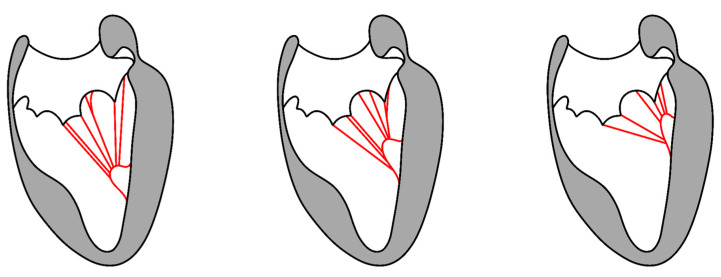 Figure 7
Peer Reviews
No public reviews on file for this paper yet. If you reviewed it on a platform where reviews are public (OpenReview, ICLR, NeurIPS, ICML), you can paste yours below so the community can read it here.
Videos
No videos yet. Explain this paper in a talk, walkthrough, or lecture? Add one.
Taxonomy
TopicsVeterinary Equine Medical Research · Cardiac Valve Diseases and Treatments · Tribology and Lubrication Engineering