Significance of P53-Binding Protein 1 as a Novel Molecular Histological Marker for Hypopharyngeal Squamous Neoplasms
Hiroko Kawasaki-Inomata, Maiko Tabuchi, Kiyuu Norimatsu, Tetsuro Honda, Katsuya Matsuda, Keiichi Hashiguchi, Naoyuki Yamaguchi, Hideaki Nishi, Yoshihiko Kumai, Masahiro Nakashima, Hisamitsu Miyaaki, Kazuhiko Nakao, Yuko Akazawa

TL;DR
This study shows that 53BP1, a DNA repair protein, can help diagnose and predict outcomes in hypopharyngeal cancer by tracking its expression patterns in tumor cells.
Contribution
The study identifies 53BP1 as a novel molecular marker for hypopharyngeal squamous cell carcinoma progression and prognosis.
Findings
53BP1 nuclear foci increase with the progression from non-tumorous to cancerous hypopharyngeal lesions.
Aberrant 53BP1 expression correlates with tumor thickness and risk of metastasis in hypopharyngeal cancer.
53BP1 co-expression with Ki67 is significantly higher in tumors exceeding 1000 µm in depth.
Abstract
The DNA damage response protein p53-binding protein 1 (53BP1) exhibits abnormal foci in the nucleus during carcinogenesis in various organs. However, the pathophysiological changes that occur during the carcinogenic process of hypopharyngeal squamous cell carcinoma remain unclear. This study revealed a stepwise increase in aberrant 53BP1 expression on the tumor surface during carcinogenesis. In addition, a significant difference in the co-expression of 53BP1 and Ki67 was observed on the tumor surface when the tumor thickness exceeded 1000 µm, which is considered the threshold at which the risk of lymph node metastasis and vascular invasion increases in hypopharyngeal cancer. These findings suggest that 53BP1 could be useful for the pathological diagnosis of hypopharyngeal cancer and for predicting the prognosis of patients with this disease. The DNA damage response protein p53-binding…
Genes, proteins, chemicals, diseases, species, mutations and cell lines named across the full text — each resolved to its canonical identifier and authoritative record.
Click any figure to enlarge with its caption.
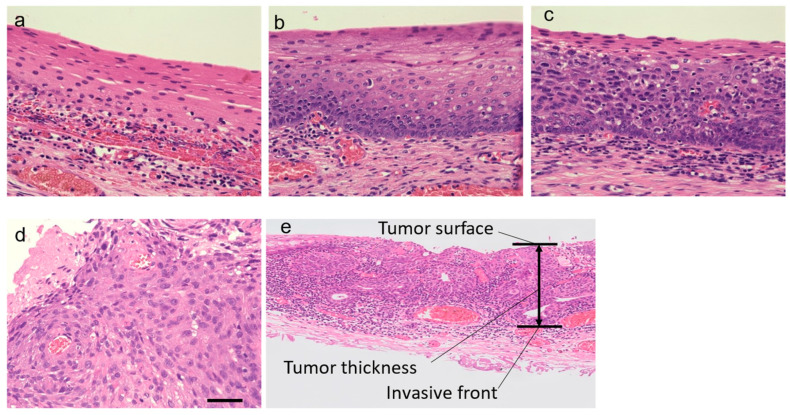 Figure 1
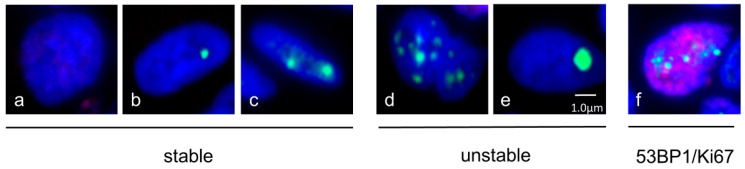 Figure 2
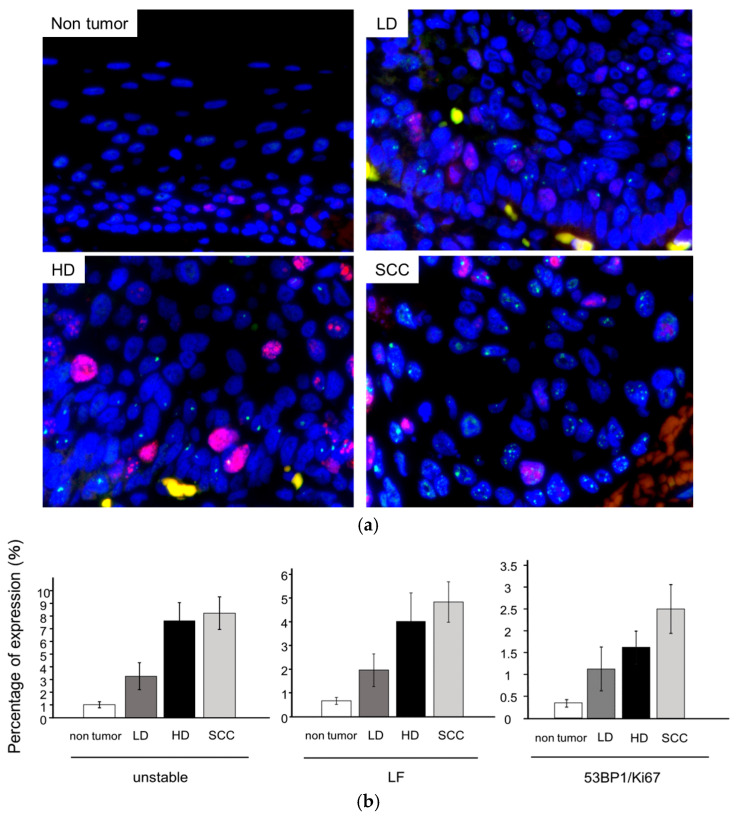 Figure 3
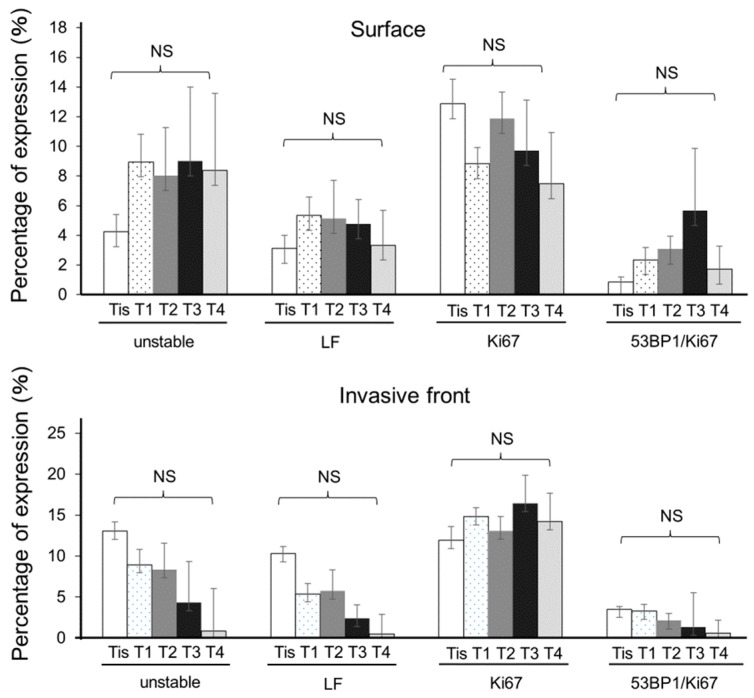 Figure 4
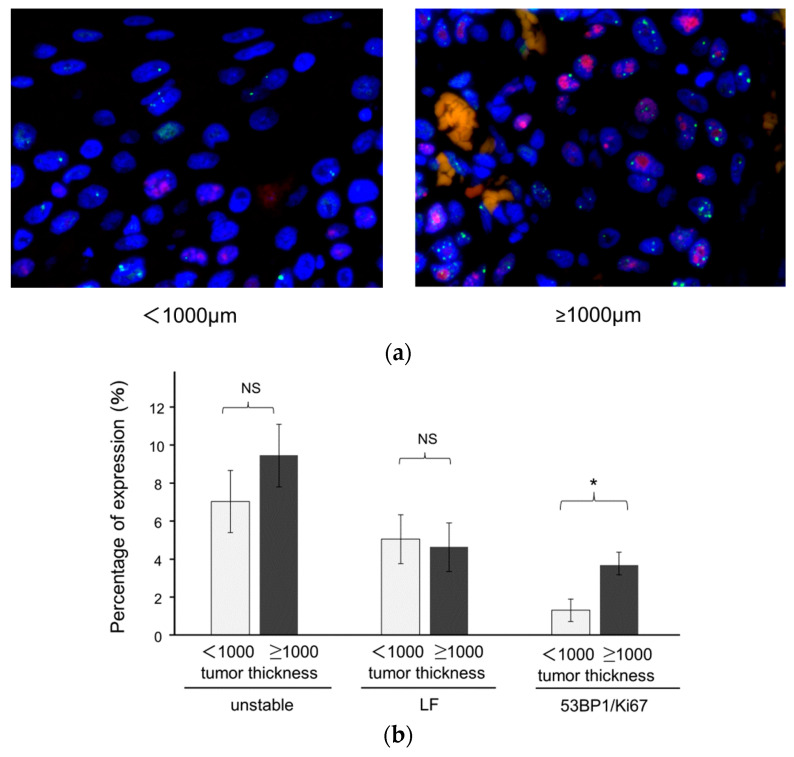 Figure 5
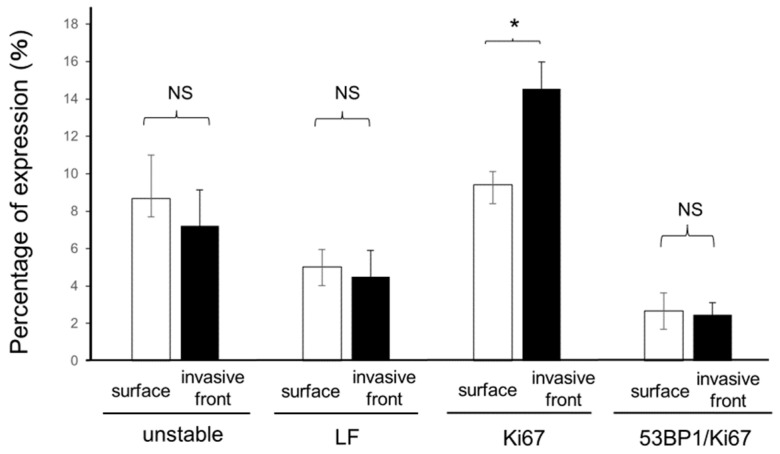 Figure 6
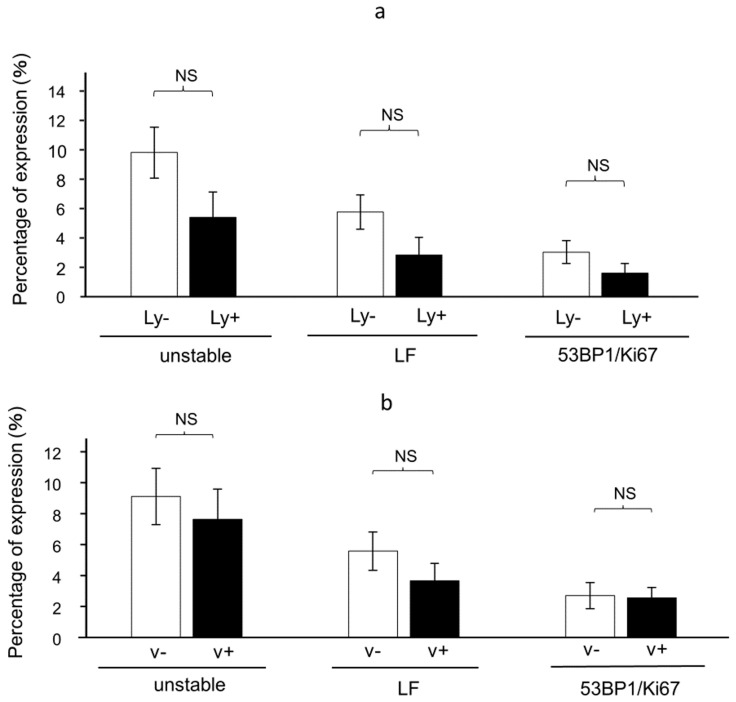 Figure 7
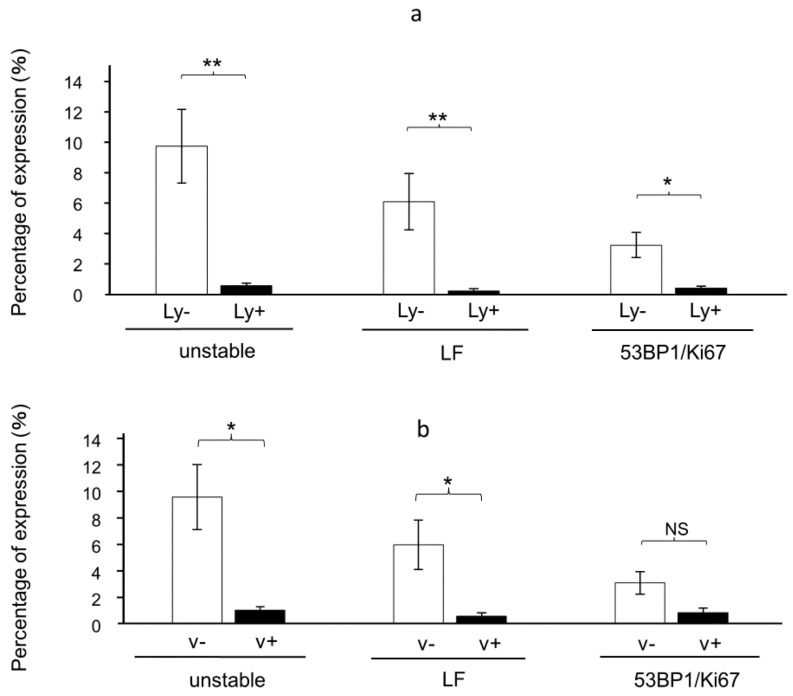 Figure 8
Peer Reviews
No public reviews on file for this paper yet. If you reviewed it on a platform where reviews are public (OpenReview, ICLR, NeurIPS, ICML), you can paste yours below so the community can read it here.
Videos
No videos yet. Explain this paper in a talk, walkthrough, or lecture? Add one.
Taxonomy
TopicsCancer-related Molecular Pathways · Head and Neck Cancer Studies · Cancer-related molecular mechanisms research