Pre-Reconstruction Processing with the Cycle-Consist Generative Adversarial Network Combined with Attention Gate to Improve Image Quality in Digital Breast Tomosynthesis
Tsutomu Gomi, Kotomi Ishihara, Satoko Yamada, Yukio Koibuchi

TL;DR
This study introduces a new network to enhance image quality in breast tomosynthesis by reducing artifacts using a modified GAN and attention mechanisms.
Contribution
The novel 'residual squeeze and excitation attention gate' (rSEAG) is introduced to improve image quality in digital breast tomosynthesis.
Findings
rSEAG reduced high-frequency ripple artifacts in dense breasts.
rSEAG improved distortion and texture contrast compared to conventional networks.
PIQE analysis showed lower distortion with rSEAG.
Abstract
The current study proposed and evaluated “residual squeeze and excitation attention gate” (rSEAG), a novel network that can improve image quality by reducing distortion attributed to artifacts. This method was established by modifying the Cycle Generative Adversarial Network (cycleGAN)-based generator network using projection data for pre-reconstruction processing in digital breast tomosynthesis. Residual squeeze and excitation were installed in the bridge of the generator network, and the attention gate was installed in the skip connection between the encoder and decoder. Based on the radiation dose index (exposure index and division index) incident on the detector, the cases approved by the ethics committee and used for the study were classified as reference (675 projection images) and object (675 projection images). For the cases, unsupervised data containing a mixture of cases with…
Genes, proteins, chemicals, diseases, species, mutations and cell lines named across the full text — each resolved to its canonical identifier and authoritative record.
Click any figure to enlarge with its caption.
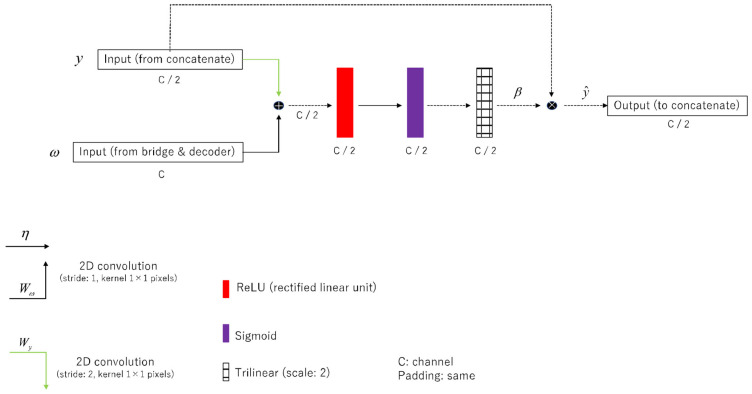 Figure 1
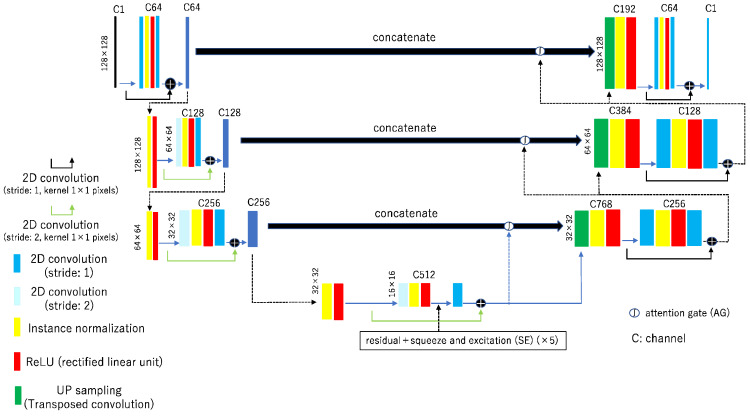 Figure 2
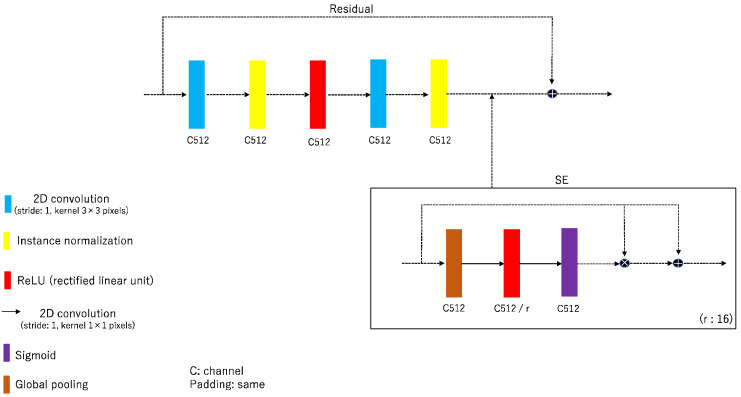 Figure 3
 Figure 4
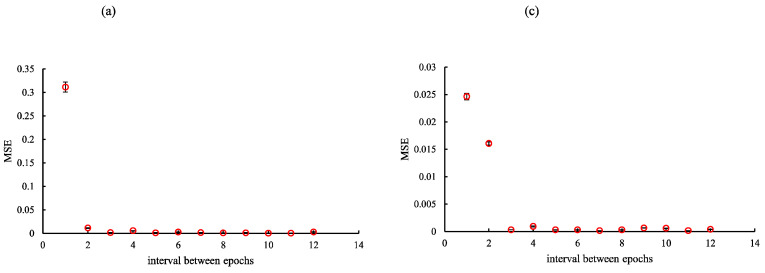 Figure 5
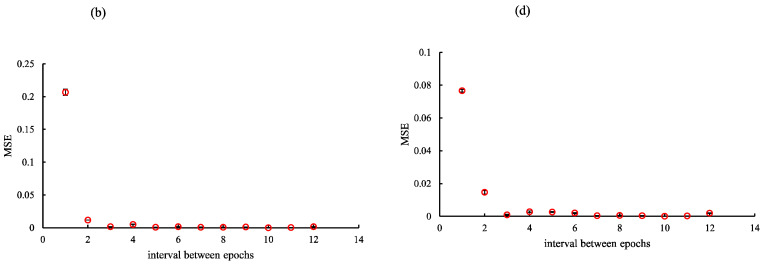 Figure 6
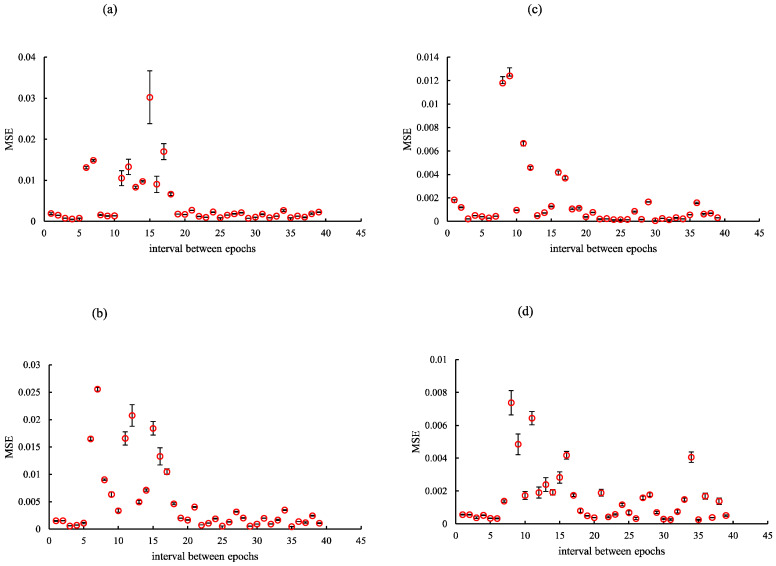 Figure 7
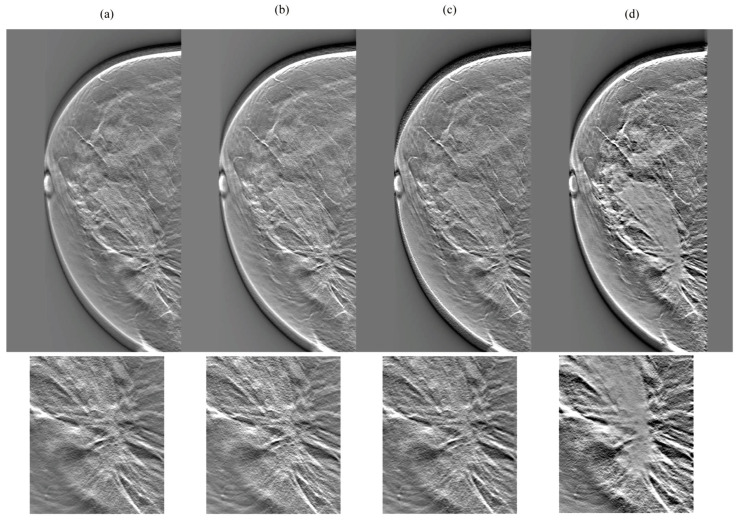 Figure 8
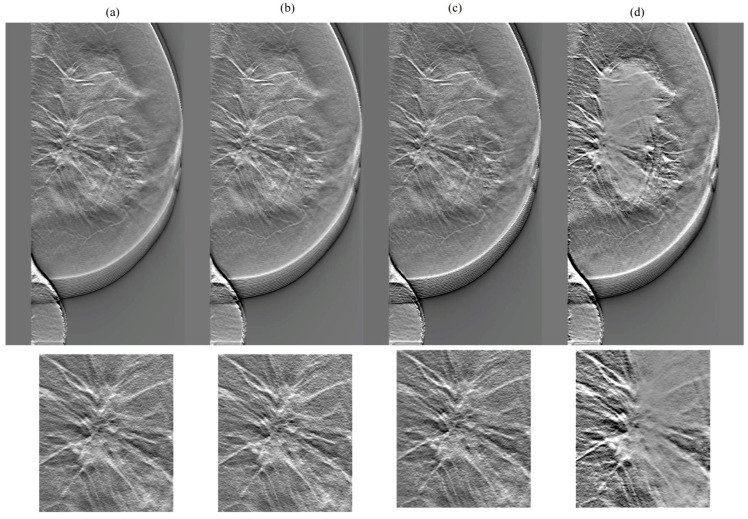 Figure 9
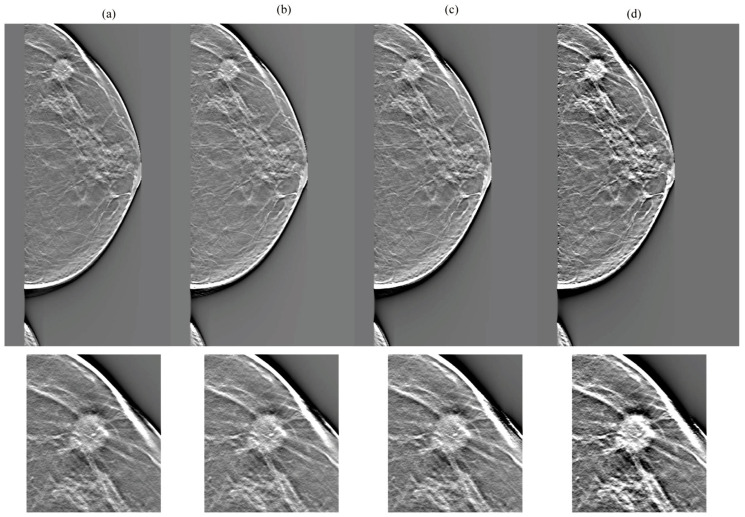 Figure 10
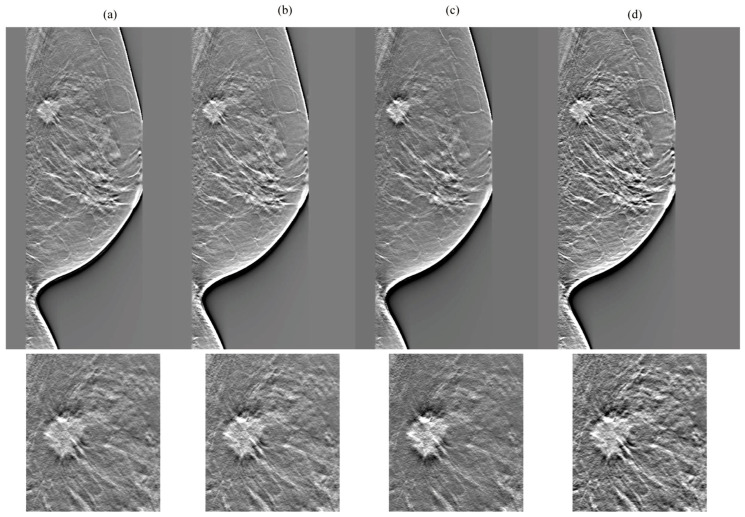 Figure 11
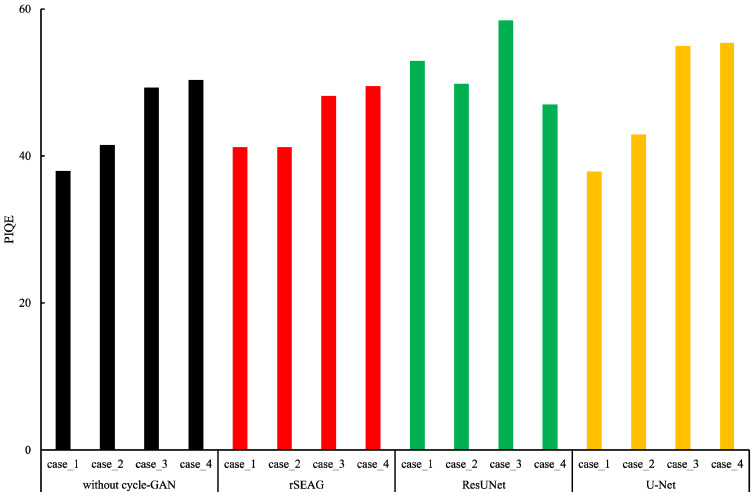 Figure 12
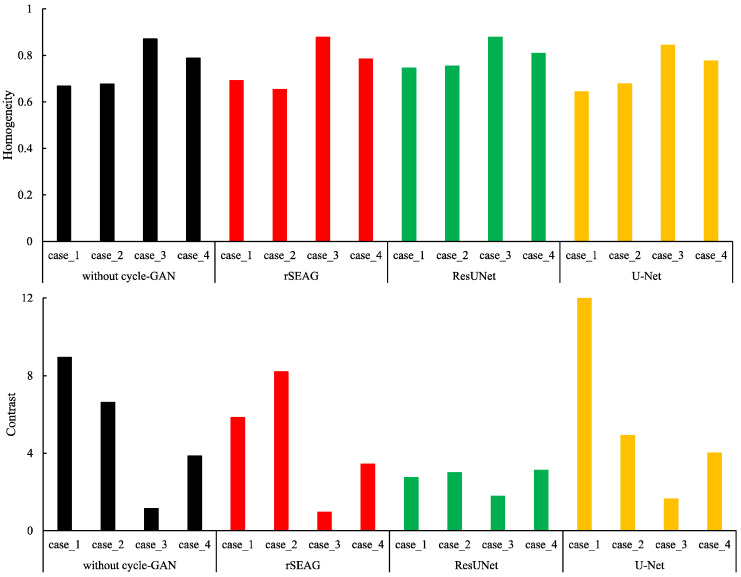 Figure 13
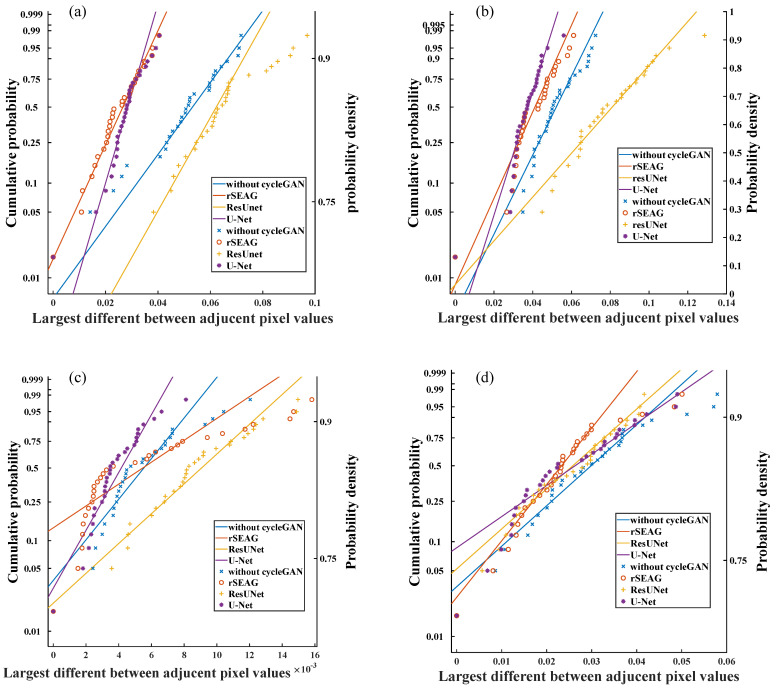 Figure 14
Peer Reviews
No public reviews on file for this paper yet. If you reviewed it on a platform where reviews are public (OpenReview, ICLR, NeurIPS, ICML), you can paste yours below so the community can read it here.
Videos
No videos yet. Explain this paper in a talk, walkthrough, or lecture? Add one.
Taxonomy
TopicsDigital Radiography and Breast Imaging · AI in cancer detection · Medical Imaging Techniques and Applications