[131I]6ß-Iodomethyl-19-norcholesterol SPECT/CT for the Lateralization of Mineralocorticoid Overproduction in Primary Aldosteronism
Sandor Barna, Livia Sira, Harjit Pal Bhattoa, Laszlo Toth, Zsigmond Czine, Lilla Szoboszlay, Edit B. Nagy, Zita Kepes, Ildiko Garai, Miklos Bodor, Jozsef Varga, Endre V. Nagy

TL;DR
A new non-invasive imaging technique using [131I]6ß-iodomethyl-19-norcholesterol SPECT/CT can accurately identify which adrenal gland is overproducing aldosterone in patients with primary aldosteronism.
Contribution
The study introduces a non-invasive imaging method as a potential alternative to adrenal venous sampling for determining unilateral aldosteronism.
Findings
24 out of 42 patients with one-sided aldosterone overproduction were correctly identified by SPECT/CT and achieved biochemical cure after surgery.
The lateralization index, based on mean counts of 3 cm spherical VOIs, reliably distinguished unilateral from bilateral disease with a ratio of ≥1.29.
The proposed imaging method may replace adrenal venous sampling for lateralization in primary aldosteronism.
Abstract
Primary: aldosteronism is a frequent cause of secondary hypertension. With access to specialized care, an increasing number of patients with aldosteronism are being identified. Primary aldosteronism is treatable by adrenal surgery if aldosterone excess originates from one of the two, and not from both, adrenals. Bilateral hyperplasia requires lifelong mineralocorticoid receptor antagonist treatment. Up till now, adrenal venous sampling (AVS) has been widely used to distinguish between one-sided and two-sided aldosterone overproduction and patient selection for surgery. AVS is an invasive technique, and the unsuccessful sampling of the right adrenal vein during AVS often prevents side comparison, making the AVS procedure useless. Molecular imaging using [131I]6ß-iodomethyl-19-norcholesterol with SPECT CT imaging (SPECT/CT) may be a potential alternative. Methods: In 42 consecutive…
Genes, proteins, chemicals, diseases, species, mutations and cell lines named across the full text — each resolved to its canonical identifier and authoritative record.
Click any figure to enlarge with its caption.
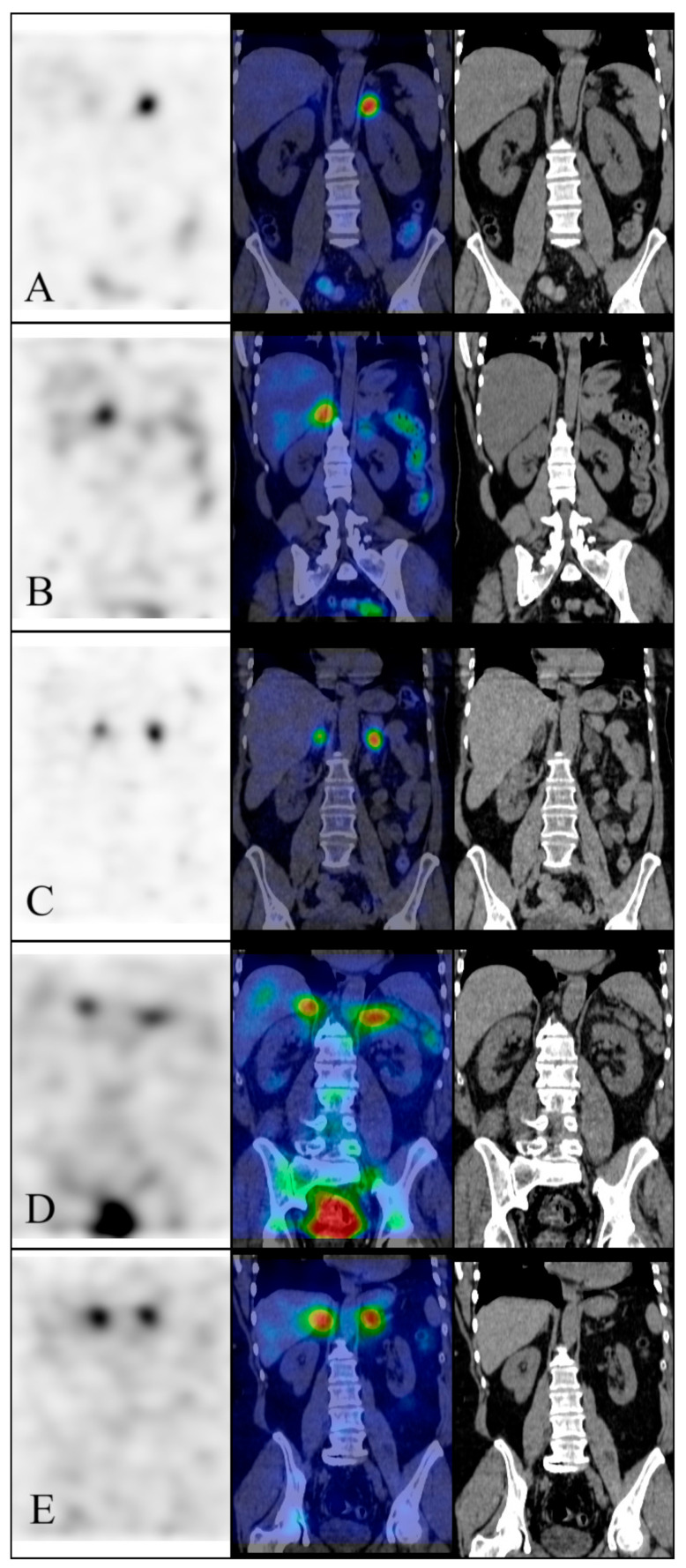 Figure 1
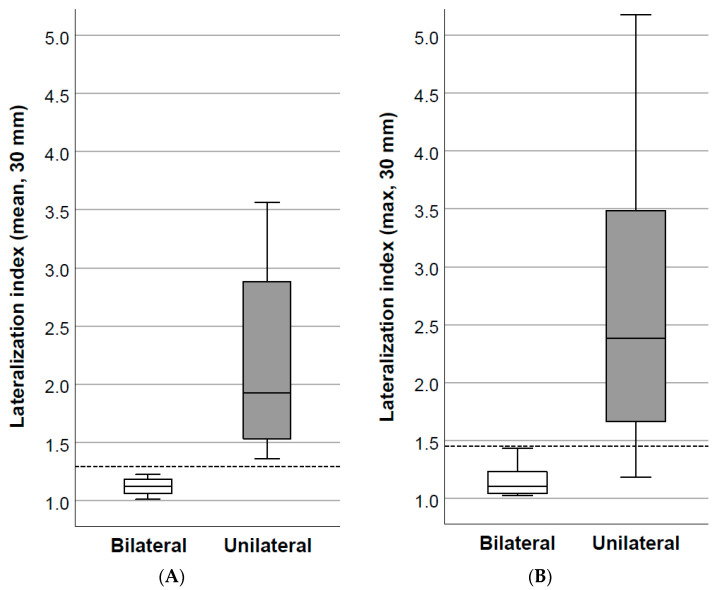 Figure 2
Peer Reviews
No public reviews on file for this paper yet. If you reviewed it on a platform where reviews are public (OpenReview, ICLR, NeurIPS, ICML), you can paste yours below so the community can read it here.
Videos
No videos yet. Explain this paper in a talk, walkthrough, or lecture? Add one.
Taxonomy
TopicsHormonal Regulation and Hypertension · Adrenal and Paraganglionic Tumors · Adrenal Hormones and Disorders