Why do understorey Licuala palm fruits turn from red to white and then black when ripe?
Kenneth B. H. Er, Derrick H. D. Nguyen, Yi Shuen Yeoh, Max D. Y. Khoo, Ruisheng Choo, Li Si Tay, Sun Yi Soh, Zaki Jamil, Wee Foong Ang, Adrian H. B. Loo

TL;DR
This study explores how the changing colors of Licuala palm fruits influence animal interactions and seed dispersal in tropical forests.
Contribution
The study provides new insights into the dispersal syndrome hypothesis through color and sugar changes in Licuala palm fruits.
Findings
Birds like forest bulbuls are likely effective dispersers of Licuala palm fruits.
Mammals consume the fruits but do not disperse them effectively.
Color changes in fruits may signal ripeness and attract specific frugivores.
Abstract
Licuala ferruginea Becc., a tropical forest understorey palm, is observed to have fruits that appear red in colour when unripe, turning pink, then white, purple and finally black in colour as they ripen. We monitored 13 fruiting palms in rainforest fragments and recorded the consumption of fruits by animals via camera traps. We also documented the fruiting phenology of two palms in the nursery. In the rainforest fragments, a Cream‐vented Bulbul (Pycnonotus simplex) was observed plucking a mature purple fruit from a L. ferruginea palm, before flying away with the fruit in its beak. This was the only bird that was observed feeding on the mature fruit. A range of mammals, dominated by edge species such as the Long‐tailed Macaque and Wild Boar, were observed to consume L. ferruginea fruits indiscriminately across all five colour stages, thereby limiting the dispersal of the fruits. Forest…
Genes, proteins, chemicals, diseases, species, mutations and cell lines named across the full text — each resolved to its canonical identifier and authoritative record.
Click any figure to enlarge with its caption.
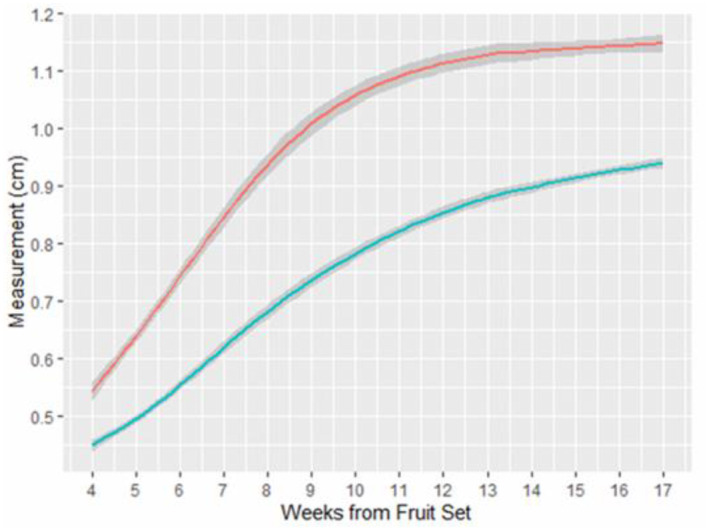 Figure 1
 Figure 2
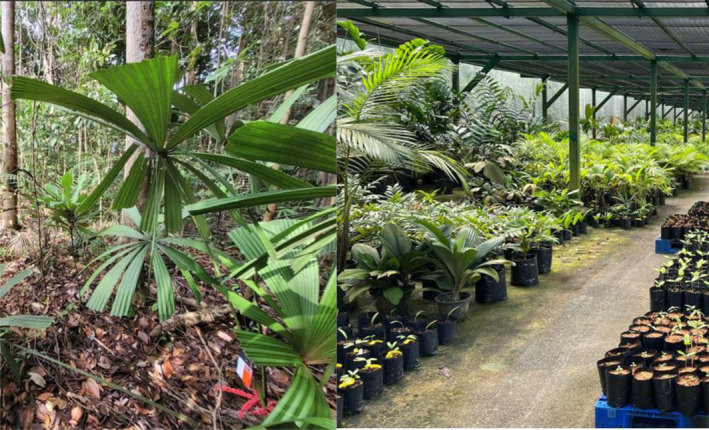 Figure 3
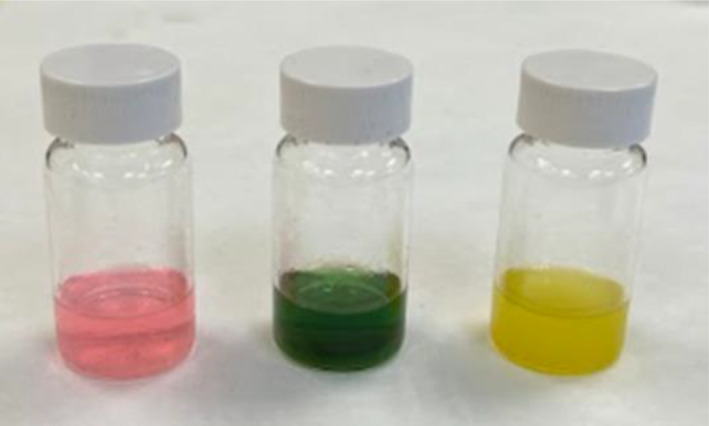 Figure 4
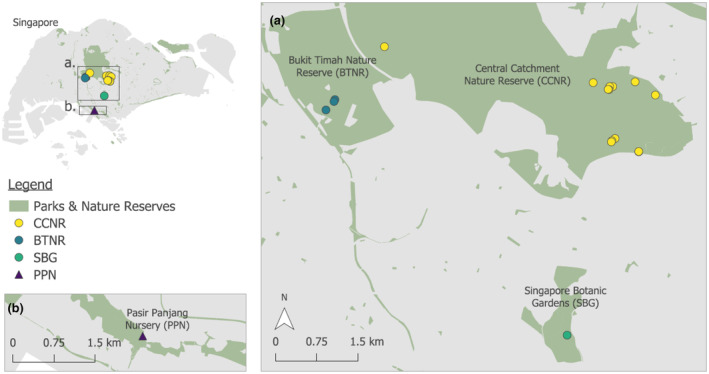 Figure 5
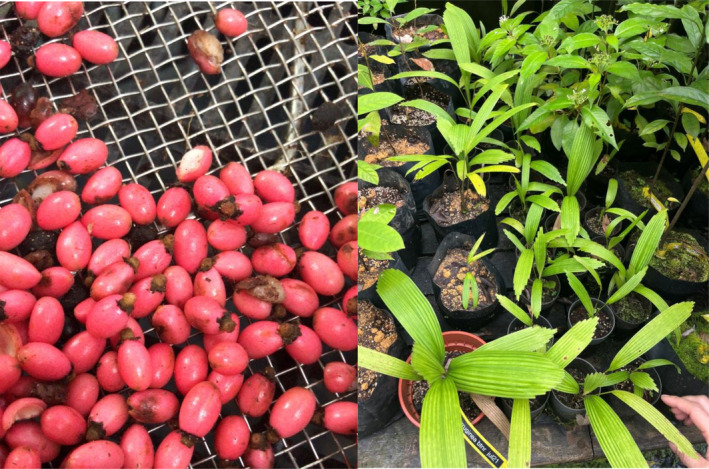 Figure 6
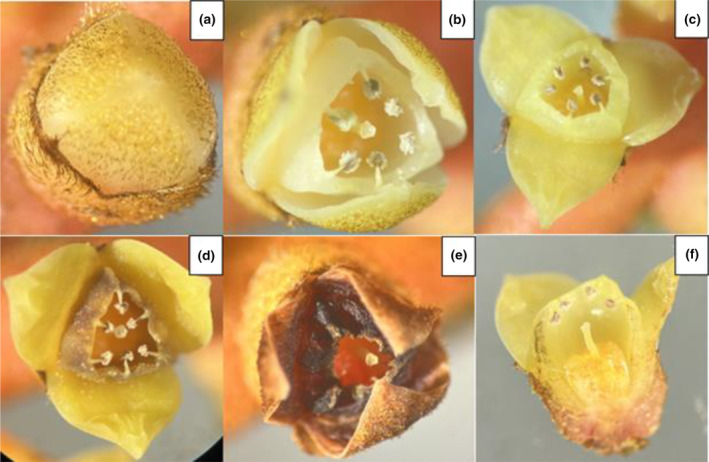 Figure 7
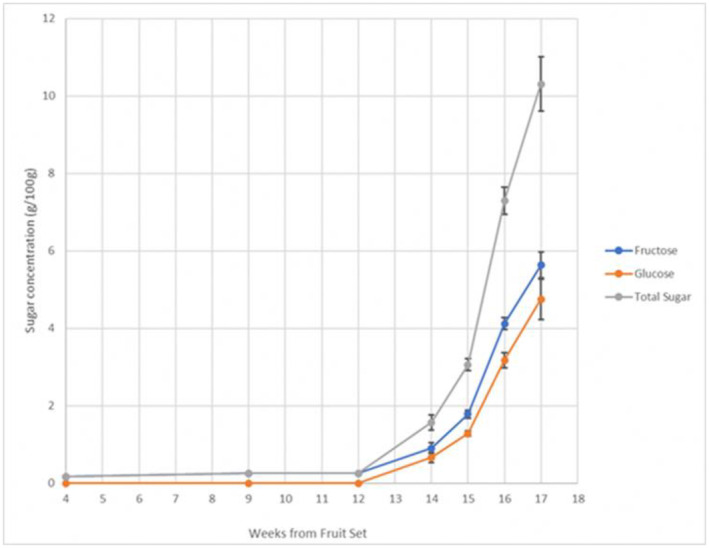 Figure 8
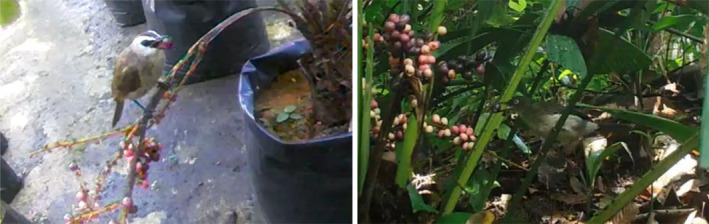 Figure 9
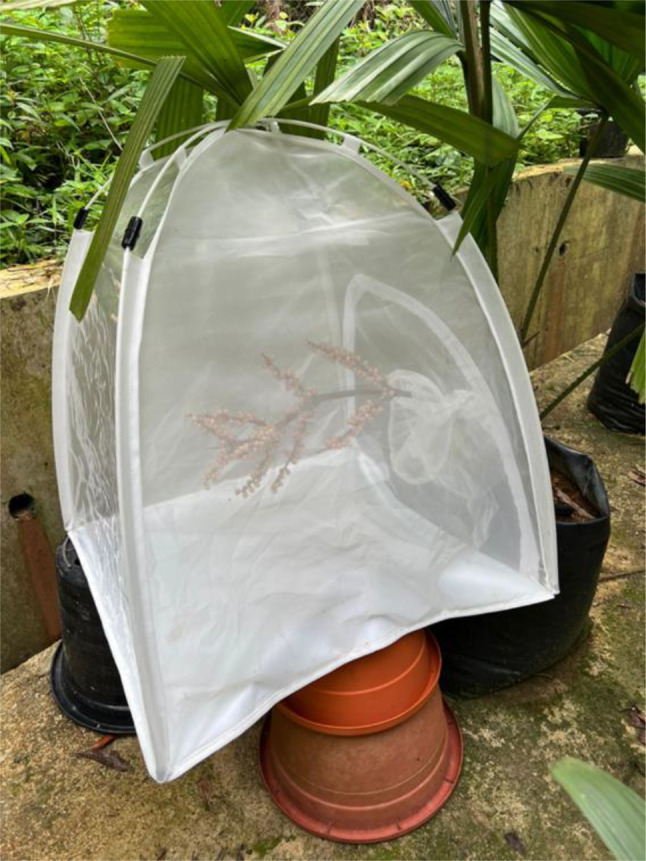 Figure 10
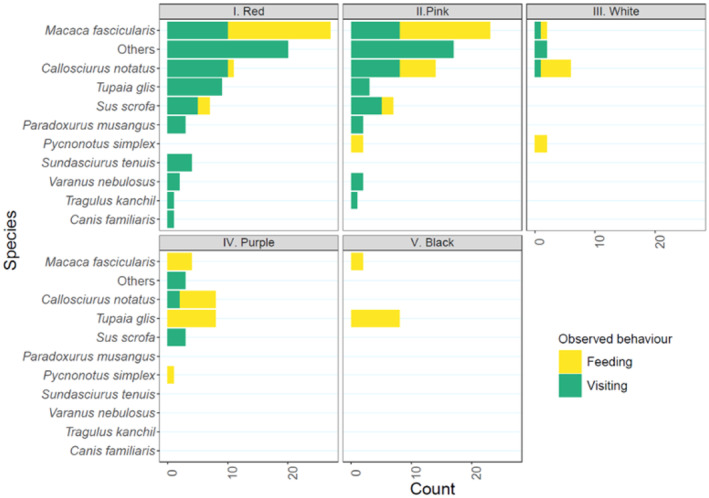 Figure 11
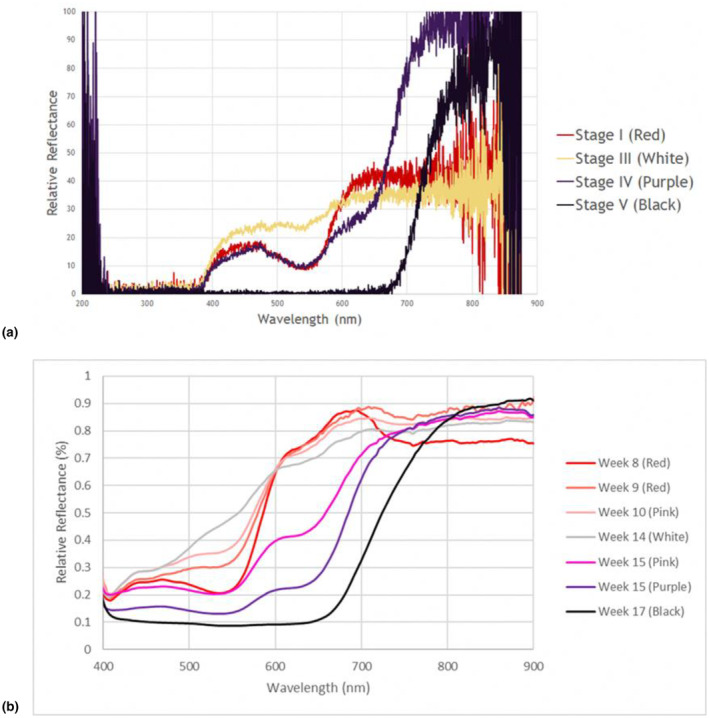 Figure 12
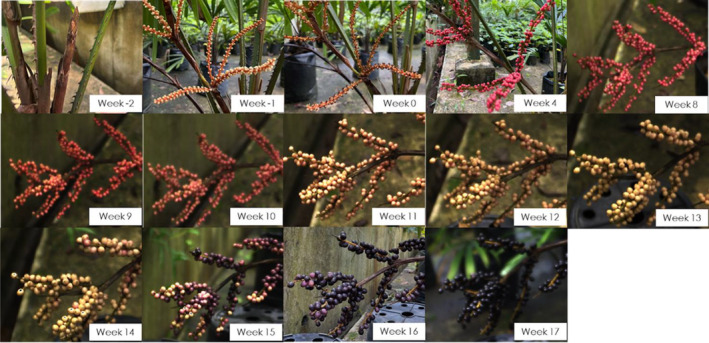 Figure 13
Peer Reviews
No public reviews on file for this paper yet. If you reviewed it on a platform where reviews are public (OpenReview, ICLR, NeurIPS, ICML), you can paste yours below so the community can read it here.
Videos
No videos yet. Explain this paper in a talk, walkthrough, or lecture? Add one.
Taxonomy
TopicsBotanical Research and Applications · Plant Physiology and Cultivation Studies · Plant Diversity and Evolution