Comparative Analysis of Digestion Methods for Bile Proteomics: The Key to Unlocking Biliary Biomarker Potential
Adam M. Thorne, Martijn Hoekzema, Robert J. Porte, Folkert Kuipers, Vincent E. de Meijer, Justina C. Wolters

TL;DR
This study compares different digestion methods for bile proteomics to find the best approach for identifying biliary biomarkers.
Contribution
The study provides a systematic comparison of trypsin digestion methods for bile proteomics, highlighting optimal approaches for protein identification.
Findings
Methods involving precipitation identified more proteins than crude methods, except for in-gel digestion.
In-gel, in-solution, and EasyPep methods showed the least intermethod variability.
Age-related differences in protein expression were observed, with younger donors showing metabolic processes and older donors showing immune and cell cycle processes.
Abstract
Background: Bile’s potential to reflect the health of the biliary system has led to increased attention, with proteomic analysis offering deeper understanding of biliary diseases and potential biomarkers. With the emergence of normothermic machine perfusion (NMP), bile can be easily collected and analyzed. However, the composition of bile can make the application of proteomics challenging. This study systematically evaluated various trypsin digestion methods to optimize proteomics of bile from human NMP livers. Methods: Bile was collected from 12 human donor livers that were accepted for transplantation after the NMP viability assessment. We performed tryptic digestion using six different methods: in-gel, in-solution, S-Trap, SMART, EasyPep, and filter-aided sample purification, with or without additional precipitation before digestion. Proteins were analyzed using untargeted…
Genes, proteins, chemicals, diseases, species, mutations and cell lines named across the full text — each resolved to its canonical identifier and authoritative record.
Click any figure to enlarge with its caption.
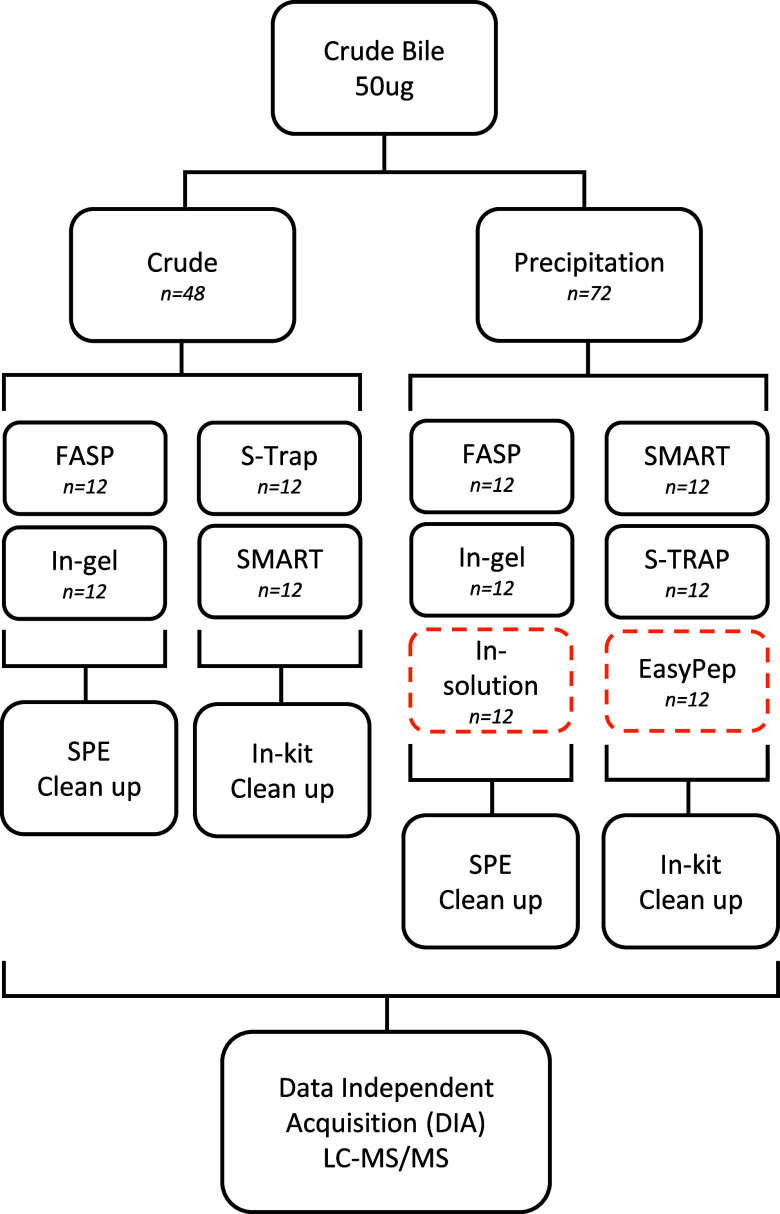 Figure 1
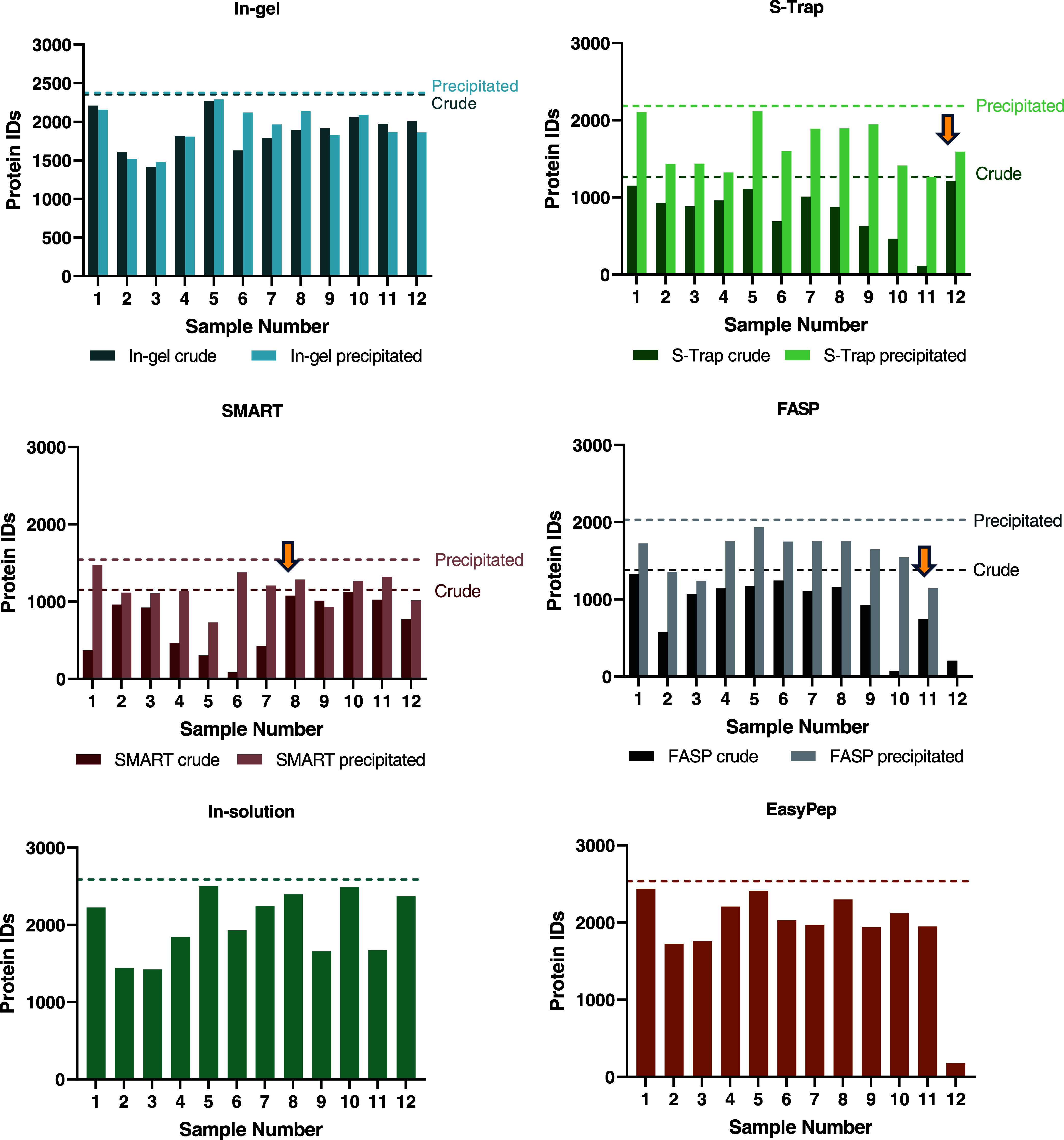 Figure 2
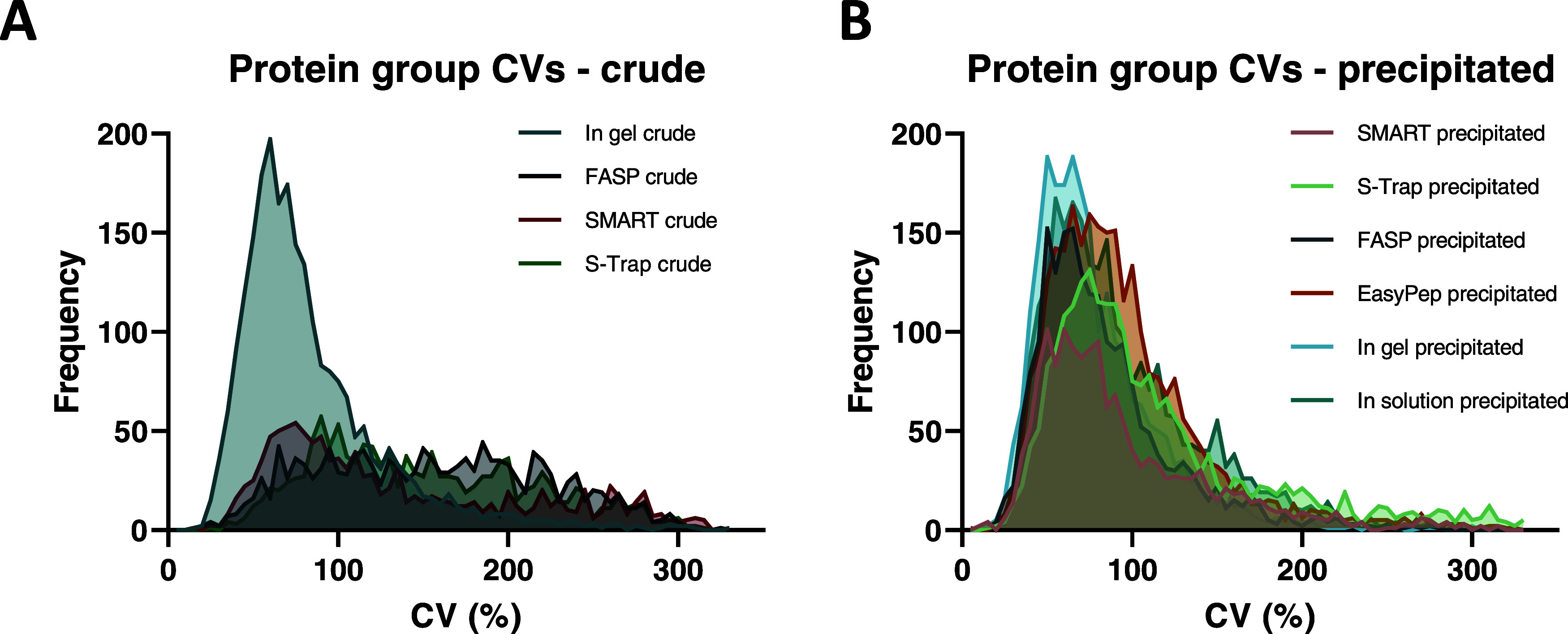 Figure 3
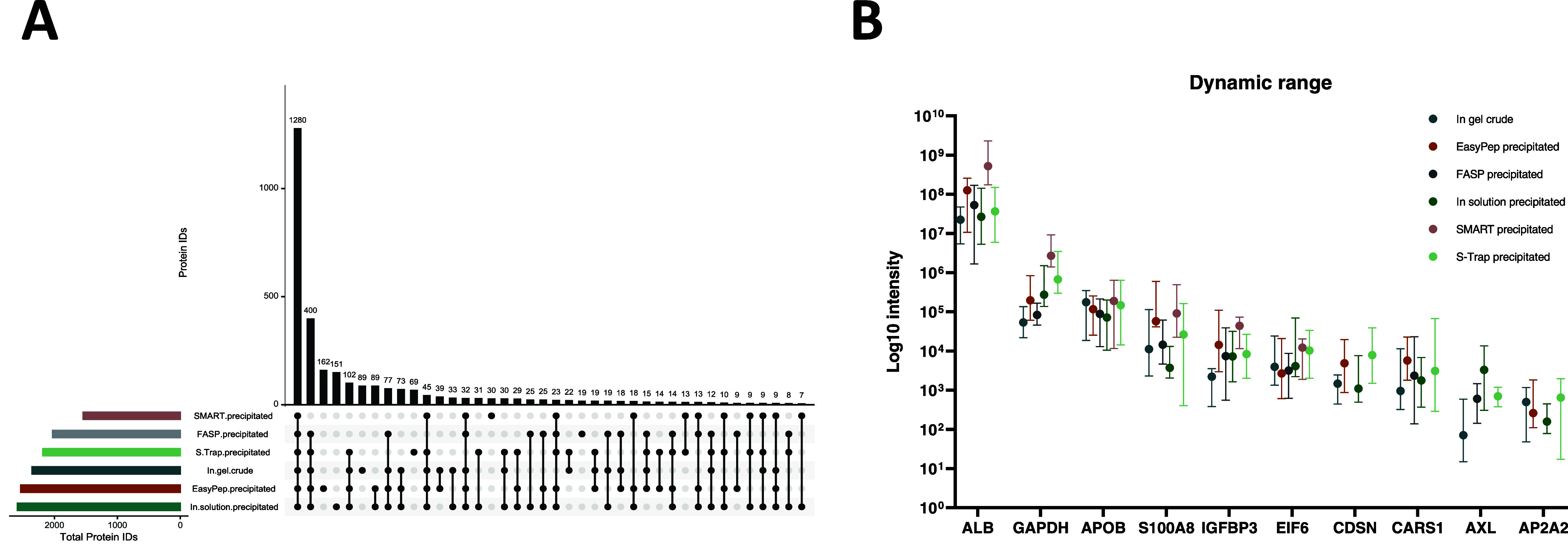 Figure 4
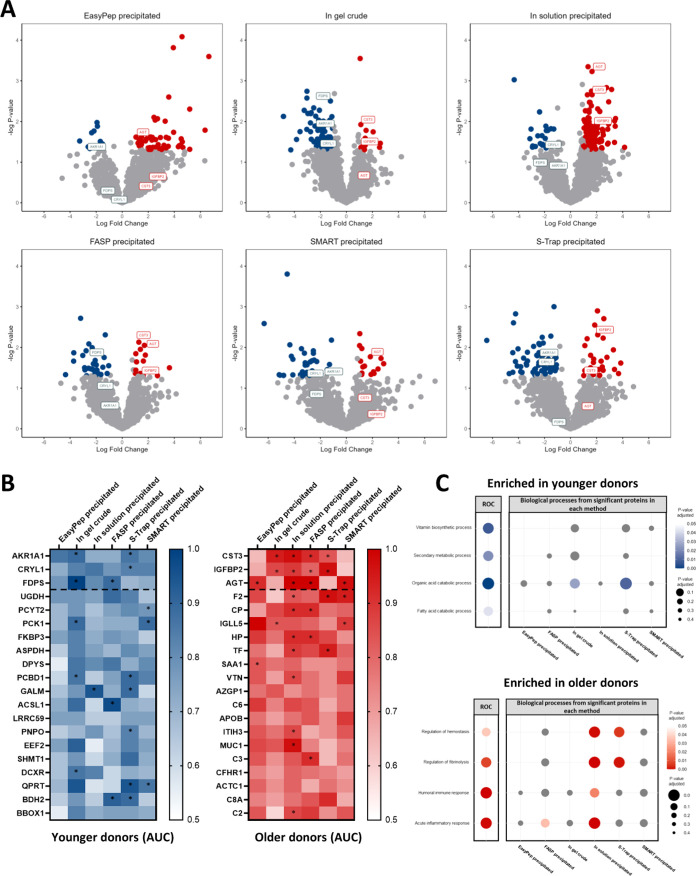 Figure 5
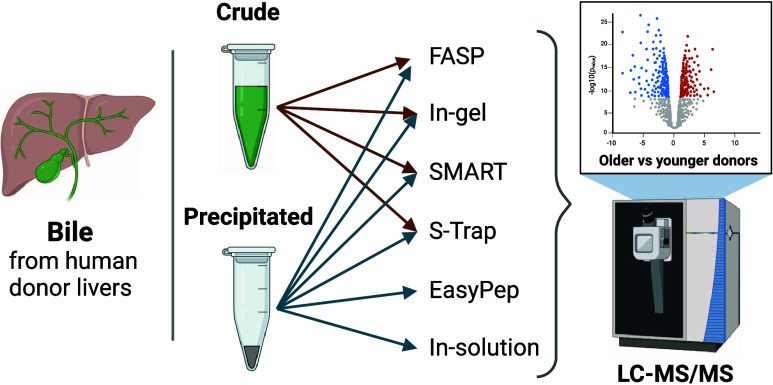 Figure 6
Peer Reviews
No public reviews on file for this paper yet. If you reviewed it on a platform where reviews are public (OpenReview, ICLR, NeurIPS, ICML), you can paste yours below so the community can read it here.
Videos
No videos yet. Explain this paper in a talk, walkthrough, or lecture? Add one.
Taxonomy
TopicsOrgan Transplantation Techniques and Outcomes · Liver Disease and Transplantation · Renal Transplantation Outcomes and Treatments