LncRNA ILF3AS1, MMP3, and MMP9 as well as miRNA-212 as emerging novel biomarkers for childhood epilepsy
Amena Rezk Mohammed, Wafaa Abdelaziz Emam, Shaymaa A. Mohammed, Alshaymaa A. Abd Elalim, Eatemad Nabil Abdelhalim Mansour, Haidy Mahmoud Nasr, Aya A. Ghamry, Sabah M. Alkhawagah, Doaa Sadek Ahmed Fathy, Rasha Sobhy Elattar, Yasser Gaber Ibrahim Abish, Abdullah Hussein

TL;DR
This study identifies lncRNA ILF3AS1, MMP3, MMP9, and miRNA-212 as potential biomarkers for childhood epilepsy, offering new insights for early detection and treatment.
Contribution
The paper introduces ILF3AS1, MMP3, MMP9, and miRNA-212 as novel serum biomarkers for childhood epilepsy, with miRNA-212 showing strong predictive power.
Findings
Children with epilepsy had significantly higher ILF3AS1, MMP3, and MMP9 levels and lower miRNA-212 levels compared to controls.
miRNA-212 fold-change was a strong negative predictor of epilepsy with an AUC of 0.965.
Elevated ILF3AS1 levels correlated with upregulated MMP3 and MMP9 and downregulated miRNA-212 in epilepsy patients.
Abstract
Globally, approximately 70 million people suffer from epilepsy. Infants constitute a significant percentage of these cases. Hence, there is a significant need for better understanding of the pathophysiology of epilepsy through laboratory and radiological methods for early detection and optimized management. Interleukin enhancer binding factor 3 antisense RNA l (ILF3AS1) is a long non-coding RNA (lncRNA) that enhances the expressions of matrix metalloproteinase 3 (MMP3) and matrix metalloproteinase 9 (MMP9), which are considered to be epileptogenic. We aimed to assess the serum expressions of the lncRNAs ILF3AS1, MMP3, and MMP9 along with microRNA-212 (miRNA-212) as predictive biomarkers in children with epilepsy; we also assessed their correlations with magnetic resonance imaging (MRI) findings. Fifty children with epilepsy and fifty healthy controls were considered in this study.…
Genes, proteins, chemicals, diseases, species, mutations and cell lines named across the full text — each resolved to its canonical identifier and authoritative record.
Click any figure to enlarge with its caption.
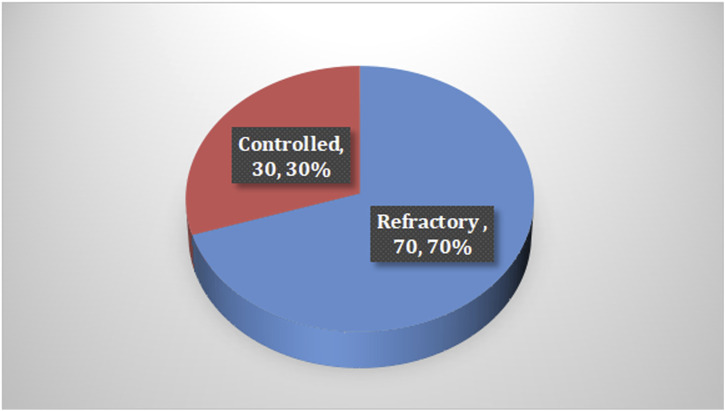 Figure 1
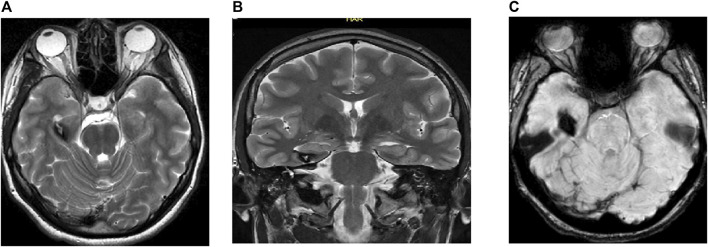 Figure 2
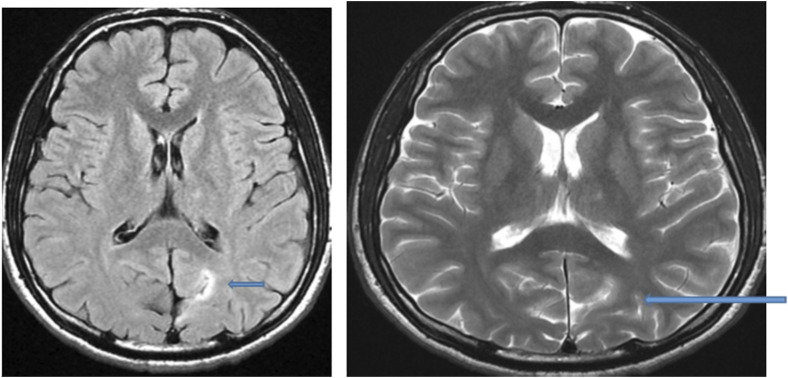 Figure 3
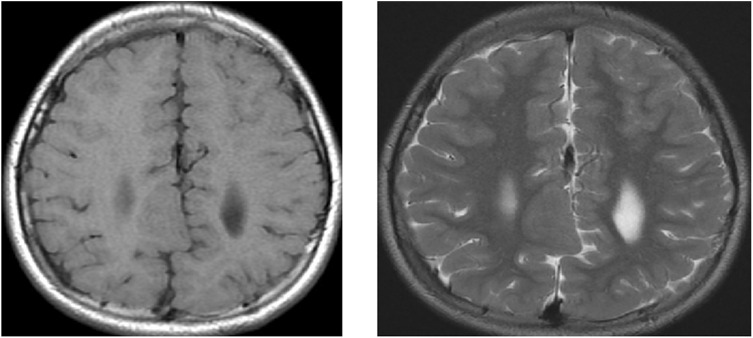 Figure 4
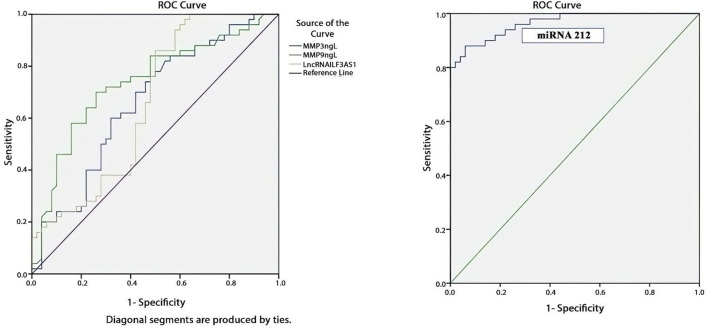 Figure 5
Peer Reviews
No public reviews on file for this paper yet. If you reviewed it on a platform where reviews are public (OpenReview, ICLR, NeurIPS, ICML), you can paste yours below so the community can read it here.
Videos
No videos yet. Explain this paper in a talk, walkthrough, or lecture? Add one.
Taxonomy
TopicsCancer-related molecular mechanisms research · RNA modifications and cancer · MicroRNA in disease regulation