Enteric glial cell diversification is influenced by spatiotemporal factors and source of neural progenitors in mice
Marie A. Lefèvre, Zoé Godefroid, Rodolphe Soret, Nicolas Pilon

TL;DR
This study explores how different types of enteric glial cells develop in mice, showing that their diversity is influenced by timing, location, and the origin of their progenitor cells.
Contribution
The study reveals that Schwann cell-derived progenitors disproportionately contribute to specific subtypes of enteric glial cells during development.
Findings
Enteric glial cell subtypes emerge in a coordinated sequence during early postnatal development.
Schwann cell-derived progenitors show a biased contribution to specific topo-morphological subtypes of enteric glial cells.
The diversification of enteric glial cells is linked to structural changes in the enteric nervous system.
Abstract
Previously focused primarily on enteric neurons, studies of the enteric nervous system (ENS) in both health and disease are now broadening to recognize the equally significant role played by enteric glial cells (EGCs). Commensurate to the vast array of gastrointestinal functions they influence, EGCs exhibit considerable diversity in terms of location, morphology, molecular profiles, and functional attributes. However, the mechanisms underlying this diversification of EGCs remain largely unexplored. To begin unraveling the mechanistic complexities of EGC diversity, the current study aimed to examine its spatiotemporal aspects in greater detail, and to assess whether the various sources of enteric neural progenitors contribute differentially to this diversity. Based on established topo-morphological criteria for categorizing EGCs into four main subtypes, our detailed immunofluorescence…
Genes, proteins, chemicals, diseases, species, mutations and cell lines named across the full text — each resolved to its canonical identifier and authoritative record.
Click any figure to enlarge with its caption.
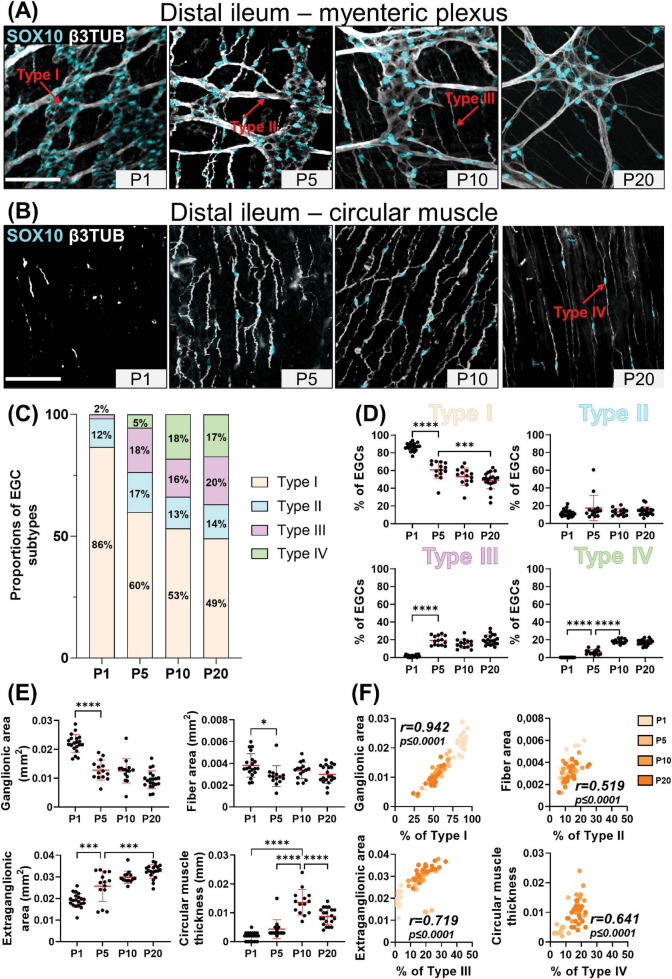 Figure 1
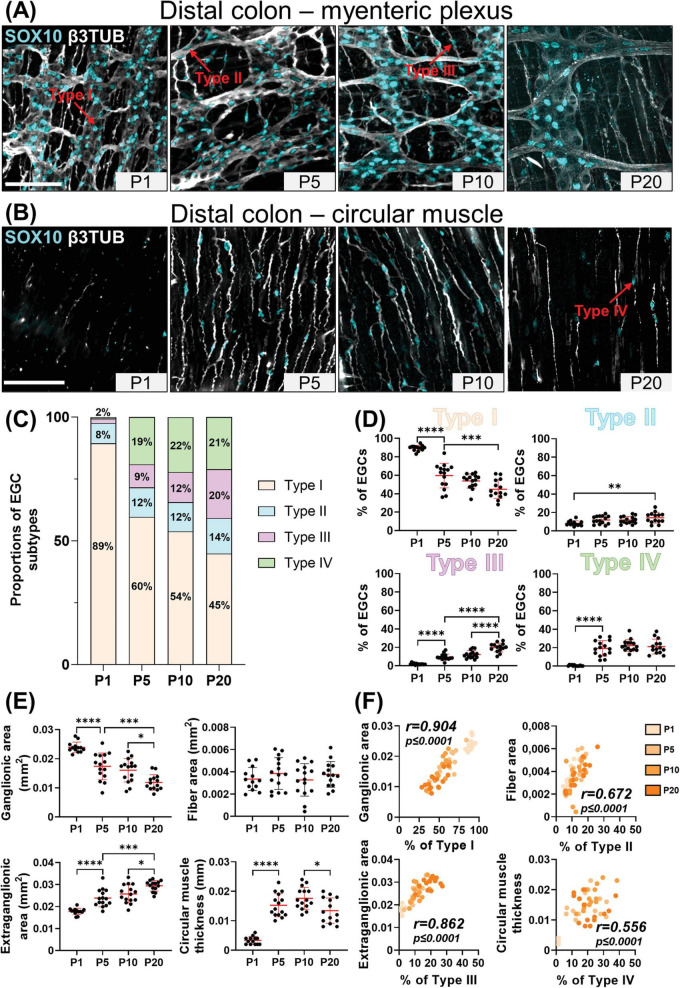 Figure 2
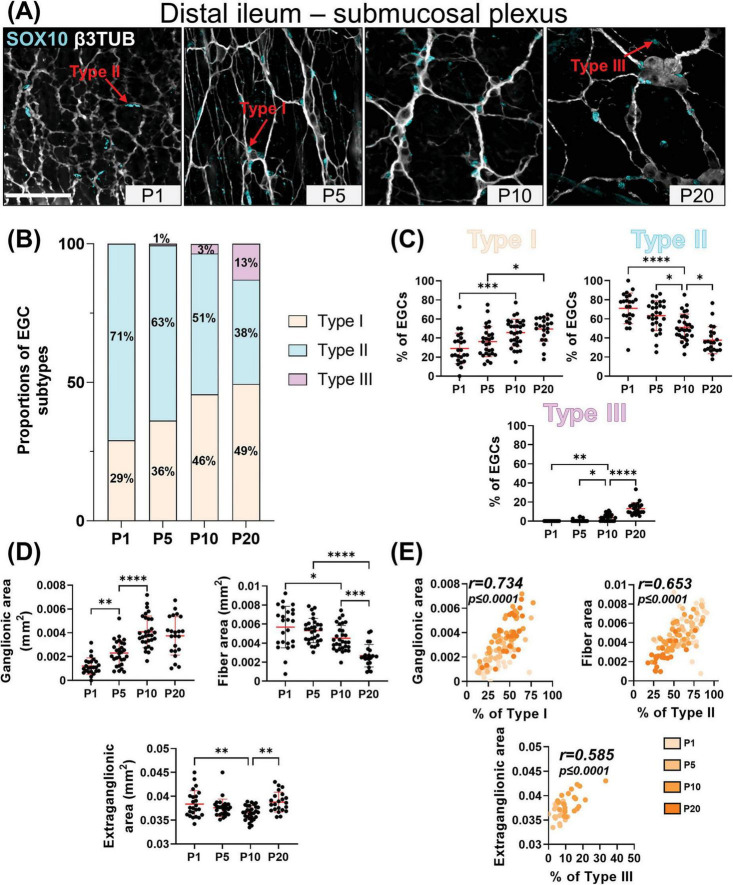 Figure 3
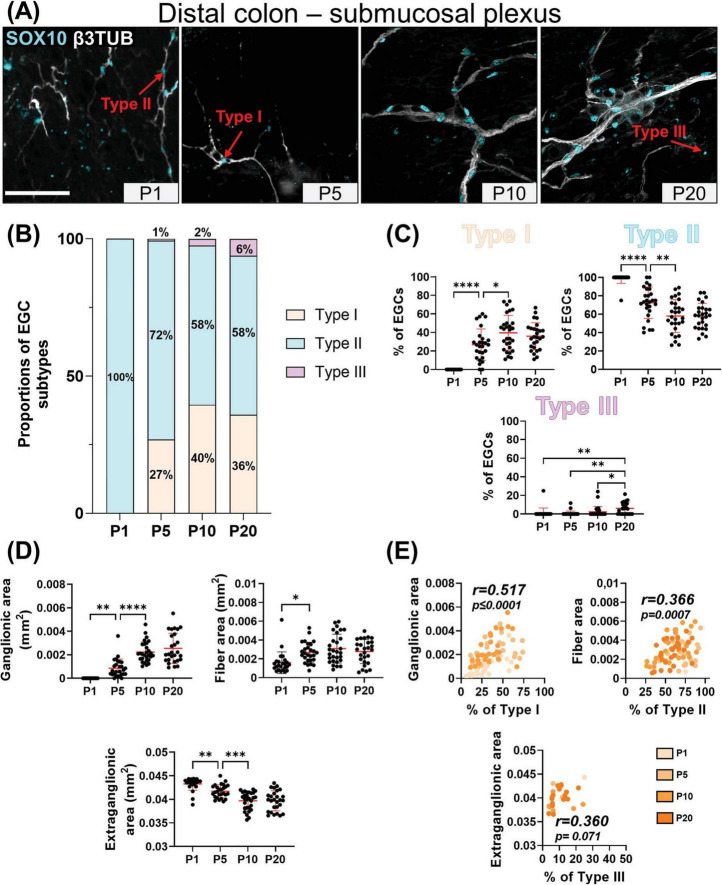 Figure 4
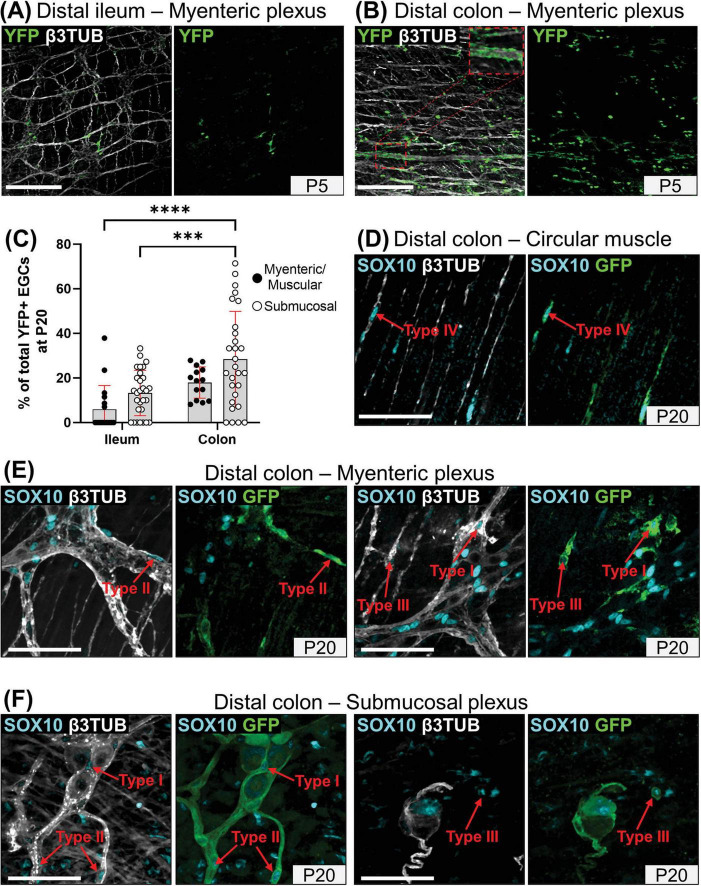 Figure 5
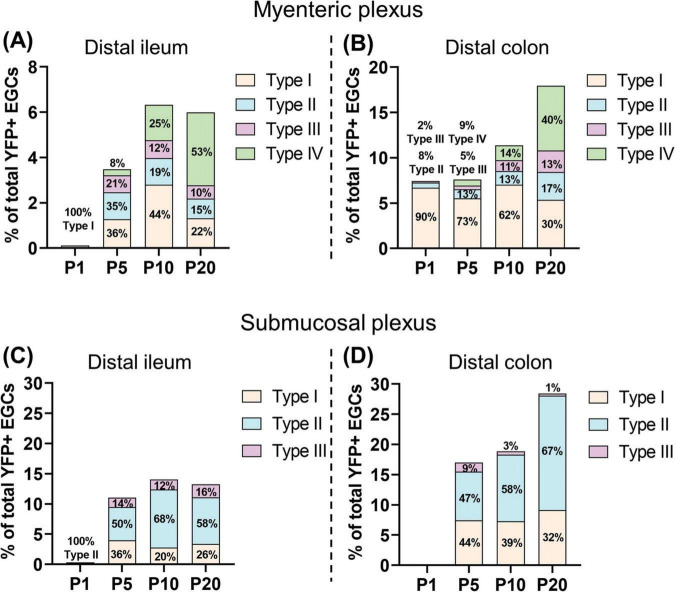 Figure 6
Peer Reviews
No public reviews on file for this paper yet. If you reviewed it on a platform where reviews are public (OpenReview, ICLR, NeurIPS, ICML), you can paste yours below so the community can read it here.
Videos
No videos yet. Explain this paper in a talk, walkthrough, or lecture? Add one.
Taxonomy
TopicsSocial Sciences and Policies · Medicine and Dermatology Studies History