Intellectual Disability and Blended Phenotypes: Insights from a Centre in North India
Inusha Panigrahi, Sudha Rao, Shalu Verma Kumar, Divya Kumari, Parminder Kaur

TL;DR
This paper discusses how genetic testing helps identify causes of intellectual disability in children and adolescents in North India, revealing new mutations and blended symptoms.
Contribution
The study presents a cohort of 15 patients with ID and blended phenotypes identified through sequencing and segregation analysis in North India.
Findings
Most identified variants in the cohort were de novo, indicating sporadic occurrence.
Blended phenotypes were observed in patients with intellectual disability and dysmorphism.
Genetic counseling and prenatal diagnosis options were provided based on sequencing results.
Abstract
Intellectual disability (ID) is seen in around 2.5% of global population and can vary from mild to severe and profound ID. There can be multiple affected family members if it is inherited, though many autosomal dominant ID cases would be due to de novo mutations are very less likely to recur in families. A confirmatory diagnosis is facilitated by genetic testing like chromosomal microarray and next generation sequencing. We describe here our cohort of 15 patients: children and adolescents with ID diagnosed by using sequencing technologies and parental segregation studies. Most of the variants identified were de novo variants and consistent with sporadic occurrence, and blended phenotypes were identified. Appropriate genetic counseling was performed and options for prenatal diagnosis were discussed. Thus, advanced sequencing technologies enable identification of likely causative de novo…
Genes, proteins, chemicals, diseases, species, mutations and cell lines named across the full text — each resolved to its canonical identifier and authoritative record.
Click any figure to enlarge with its caption.
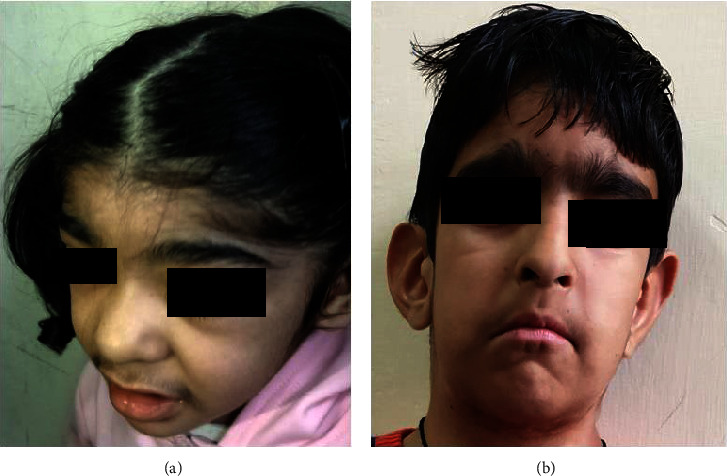 Figure 1
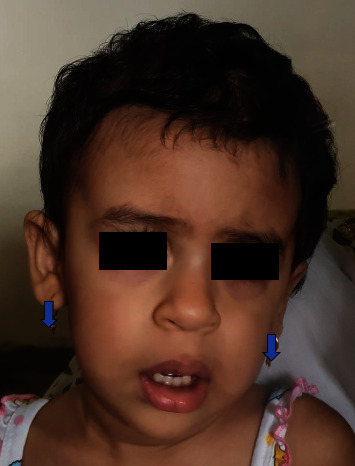 Figure 2
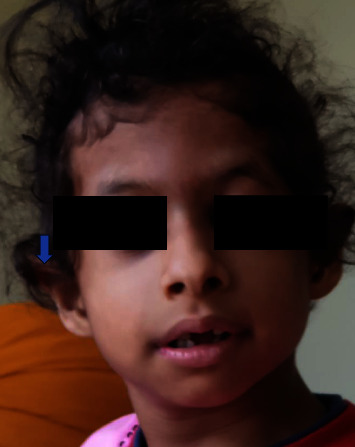 Figure 3
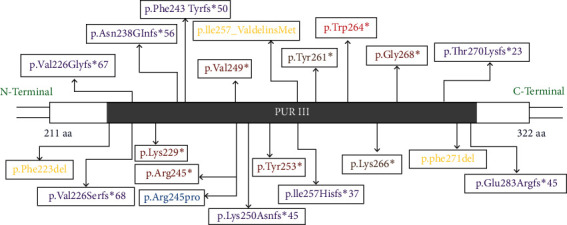 Figure 4
Peer Reviews
No public reviews on file for this paper yet. If you reviewed it on a platform where reviews are public (OpenReview, ICLR, NeurIPS, ICML), you can paste yours below so the community can read it here.
Videos
No videos yet. Explain this paper in a talk, walkthrough, or lecture? Add one.
Taxonomy
TopicsGenomics and Rare Diseases · Genomic variations and chromosomal abnormalities · Genetics and Neurodevelopmental Disorders