Peer review of the pesticide risk assessment of the active substance Bacillus subtilis strain RTI477
Fernando Álvarez, Maria Arena, Domenica Auteri, Sofia Batista Leite, Marco Binaglia, Anna Federica Castoldi, Arianna Chiusolo, Angelo Colagiorgi, Mathilde Colas, Federica Crivellente, Chloe De Lentdecker, Isabella De Magistris, Mark Egsmose, Gabriella Fait, Franco Ferilli

TL;DR
This paper summarizes the peer review of a risk assessment for the pesticide Bacillus subtilis strain RTI477, used to control soil-borne diseases in various crops.
Contribution
The paper provides a detailed evaluation of the regulatory risk assessment and identifies missing information and concerns.
Findings
The peer review evaluated the representative uses of Bacillus subtilis strain RTI477 as a fungicide.
Reliable endpoints for regulatory risk assessment were identified, along with missing information and concerns.
Abstract
The conclusions of the European Food Safety Authority (EFSA) following the peer review of the initial risk assessments carried out by the competent authority of the rapporteur Member State the Netherlands for the pesticide active substance Bacillus subtilis strain RTI477 are reported. The context of the peer review was that required by Regulation (EC) No 1107/2009 of the European Parliament and of the Council. The conclusions were reached on the basis of the evaluation of the representative uses of B. subtilis strain RTI477 as a fungicide for the control of soil‐borne diseases in greenhouses (permanent) and walk‐in tunnels and field crops; by drip and drench irrigation on lettuce, cucurbit and solanaceous vegetables; field application by treating tubers whilst laying in furrow on potato; seed treatment application on maize, sunflower, sugar beet and winter oilseed rape. The reliable…
Genes, proteins, chemicals, diseases, species, mutations and cell lines named across the full text — each resolved to its canonical identifier and authoritative record.
Click any figure to enlarge with its caption.
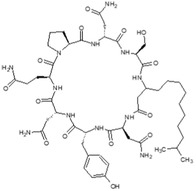 Figure 1
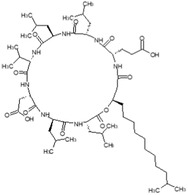 Figure 2
| Compound (name and/or code) | Ecotoxicology |
|---|---|
|
| Open regarding strain specific information on potential infectivity and pathogenicity to non‐target soil dwelling organisms, earthworms and other soil macro‐organisms and potential adverse effects to soil micro‐organisms |
| Toxins/secondary metabolites such as subtilisin, surfactin C and iturin A | Open as satisfactory information was not available for the identification, hazard characterisation and levels of secondary metabolites/toxins produced by |
| Compound (name and/or code) | > 0.1 μg/L at 1 m depth for the representative uses | Biological (pesticidal) activity/relevance Step 3a. | Hazard identified Steps 3b. and 3c. | Consumer RA triggered Steps 4 and 5 | Human health relevance |
|---|---|---|---|---|---|
| Toxins/secondary metabolites such as subtilisin, surfactin C and iturin A | Open | Yes |
Subtilisin is a respiratory sensitiser (cat. 1) Subtilisin is classified Skin Irrit. 2, Eye Dam. 1, STOT SE 3 (may cause respiratory irritation) Surfactin C: 28‐day NOAEL = 500 mg/kg bw per day Iturin A: 28‐day LOAEL: 2000 mg/kg bw per day | Open | Open |
| Compound (name and/or code) | Ecotoxicology |
|---|---|
|
| Open for infectivity and pathogenicity to freshwater invertebrates and potential adverse effects to algae and plants other than algae for the representative seed treatment uses and application on tuber whilst laying in furrow and greenhouse (permanent) uses |
| Toxins/secondary metabolites such as subtilisin and surfactin C | Open as satisfactory information was not available for the identification, hazard characterisation and levels of secondary metabolites/toxins produced by |
| Compound (name and/or code) | Toxicology |
|---|---|
|
| No evidence of toxicity, infectivity or pathogenicity following a single intratracheal dose of 3.08 × 10⁸ CFU/animal. |
| Toxins/secondary metabolites such as subtilisin and surfactin C | Subtilisin is classified as respiratory sensitiser and as STOT SE 3 (may cause respiratory irritation) |
| Surfactin C: no data on toxicity by inhalation |
| Representative use | Greenhouse (permanent and non‐permanent structures) and field crops by drip and drench irrigation on lettuce, cucurbit and solanaceous vegetables; field application by treating tubers whilst laying in furrow on potato; seed treatment application on maize, sunflower, sugar beet and winter oilseed rape |
|---|---|
|
| In the absence of a quantitative risk assessment, the use of personal and respiratory protective equipment (PPE/RPE) for the operators and workers might be considered to reduce the exposure (and the risk of adverse effects due to the sensitisation potential of micro‐organisms) |
|
|
| Representative use | Potato | Lettuce, cucurbit and solanaceous vegetables | Lettuce, cucurbit and solanaceous vegetables | Maize, sunflower, sugar beet and winter oilseed rape | |
|---|---|---|---|---|---|
| Application on tuber whilst laying in furrow (field) | Drip and drench irrigation (greenhouse (permanent)) | Drip and drench irrigation (walk‐in tunnels and field) | Seed treatment | ||
|
| Risk identified | ||||
| Assessment not finalised | X1 | X1 | X1 | X1 | |
|
| Risk identified | ||||
| Assessment not finalised | X1 | X1 | X1 | X1 | |
|
| Risk identified | ||||
| Assessment not finalised | X1 | X1 | X1 | ||
|
| Risk identified | ||||
| Assessment not finalised | X2 | X2 | X2 | X2 | |
|
| Risk identified | ||||
| Assessment not finalised | X3 | X3 | X3 | ||
|
| Risk identified | ||||
| Assessment not finalised | X3,4 | X3,4 | X3,4 | X3,4 | |
|
| Risk identified | ||||
| Assessment not finalised | X3,4 | X3,4 | X3 | X3,4 | |
|
| Legal parametric value breached | ||||
| Parametric value of 10 μg/L | |||||
| Assessment not finalised | X3 | X3 | X3 | X3 | |
Peer Reviews
No public reviews on file for this paper yet. If you reviewed it on a platform where reviews are public (OpenReview, ICLR, NeurIPS, ICML), you can paste yours below so the community can read it here.
Videos
No videos yet. Explain this paper in a talk, walkthrough, or lecture? Add one.
Taxonomy
TopicsAgricultural safety and regulations · Pesticide Residue Analysis and Safety · Genetically Modified Organisms Research
SUMMARY
Bacillus subtilis strain RTI477 is a new active substance for which, in accordance with Article 7 of Regulation (EC) No 1107/2009 of the European Parliament and of the Council, the rapporteur Member State (RMS), the Netherlands, received an application from FMC Agricultural Solutions A/S on 1 April 2019 for approval. Complying with Article 9 of the Regulation, the completeness of the dossier was checked by the RMS and the date of admissibility of the application was recognised as being 17 May 2019.
An initial evaluation of the dossier on B. subtilis strain RTI477 was provided by the RMS in the draft assessment report (DAR) and subsequently, a peer review of the pesticide risk assessment on the RMS evaluation was conducted by EFSA in accordance with Article 12 of Regulation (EC) No 1107/2009. The following conclusions are derived.
The uses of B. subtilis strain RTI477 according to the representative uses as a fungicide for the control of soil‐borne diseases such as Rhizoctonia solani, Pythium spp., Phytophthora capsici, Sclerotinia sclerotiorum, Phoma lingam, Plasmodiophora brassicae and Fusarium spp. in field and greenhouse (permanent) and walk‐in tunnels crops like potatoes, Solanaceae and Cucurbitaceae vegetables, lettuce and seed treatment application on maize, sunflower, sugar beet and winter oilseed rape, as proposed at EU level result in a sufficient fungicidal efficacy against the target organisms.
The assessment of the data package revealed no issues that could not be finalised or that need to be included as critical areas of concern with respect to identity, biological properties of the microbial active substance, physical–chemical and technical properties of the formulation for representative uses and analytical methods.
Regarding the toxicological assessment of the secondary metabolites produced by B. subtilis RTI477, since low levels in the technical material and low exposure after application are not sufficiently demonstrated (data gap identified for subtilisin and surfactin C), the absence of a potential concern for human health cannot be demonstrated. In consequence, the non‐dietary risk assessment could not be finalised.
Bacillus subtilis strain RTI477 does not meet any of the five criteria laid down in the Guidance document on criteria for the inclusion of active substances into Annex IV Regulation (EC) No 396/2005. Particularly, criterion III is not considered to be met for non‐viable residues (metabolite surfactin C) in the absence of the whole genome sequence which did not allow to independently verify the conclusions derived and in view of an inconclusive residue behaviour of viable residues which may form metabolites of potential concern in situ in and/or on edible plant parts. In consequence, the consumer risk assessment cannot be finalised.
Satisfactory information was not provided for the potential drift and exposure to off‐crop areas of B. subtilis strain RTI477 from the representative formulation when applied as seed treatment and application on tuber whilst laying in furrow treatment. Consequently, this resulted in risk assessments that could not be finalised.
Satisfactory information was not available for the identification, hazard characterisation and levels of secondary metabolites/toxins produced by B. subtilis strain RTI477 potentially present after the application of the product, and an assessment of their risk to non‐target organisms (birds, wild mammals, aquatic organisms, bees, non‐target arthropods, earthworms, other soil macroorganisms and soil microorganisms) and leaching to groundwater. Consequently, this resulted in risk assessment that could not be finalised.
Satisfactory information was not available for the infectivity and pathogenicity from B. subtilis strain RTI477 to freshwater invertebrates, potential adverse effects to algae, plants other than algae and infectivity and pathogenicity to bees, non‐target, arthropods, earthworms, other soil macroorganism and potential adverse effects to soil microorganisms. Consequently, this resulted in risk assessments that could not be finalised.
BACKGROUND
Regulation (EC) No 1107/2009 of the European Parliament and of the Council1 (hereinafter referred to as ‘the Regulation’) lays down, inter alia, the detailed rules as regards the procedure and conditions for approval of active substances. This regulates for the European Food Safety Authority (EFSA) the procedure for organising the consultation of Member States and the applicant(s) for comments on the initial evaluation in the draft assessment report (DAR), provided by the rapporteur Member State (RMS), and the organisation of an expert consultation, where appropriate.
In accordance with Article 12 of the Regulation, EFSA is required to adopt a conclusion on whether an active substance can be expected to meet the approval criteria provided for in Article 4 of the Regulation (also taking into consideration recital (10) of the Regulation) within 120 days from the end of the period provided for the submission of written comments, subject to an extension of 30 days where an expert consultation is necessary, and a further extension of up to 150 days where additional information is required to be submitted by the applicant(s) in accordance with Article 12(3).
Bacillus subtilis strain RTI477 is a new active substance for which, in accordance with Article 7 of the Regulation, the RMS, the Netherlands (hereinafter referred to as the ‘RMS’), received an application from FMC Agricultural Solutions A/S on 1 April 2019 for approval of the active substance Bacillus subtilis strain RTI477. Complying with Article 9 of the Regulation, the completeness of the dossier was checked by the RMS and the date of admissibility of the application was recognised as being 17 May 2019.
The RMS provided its initial evaluation of the dossier on Bacillus subtilis strain RTI477 in the DAR, which was received by EFSA on 3 August 2022 (the Netherlands, 2022). The peer review was initiated on 18 October 2022 by dispatching the DAR to the Member States and the applicant, FMC Agricultural Solutions A/S, for consultation and comments. EFSA also provided comments. In addition, EFSA conducted a public consultation on the DAR. The comments received were collated by EFSA and forwarded to the RMS for compilation and evaluation in the format of a reporting table. The applicant was invited to respond to the comments in column 3 of the reporting table. The comments and the applicant's response were evaluated by the RMS in column 3.
The need for expert consultation and the necessity for additional information to be submitted by the applicant in accordance with Article 12(3) of the Regulation were considered in a tele‐conference between EFSA and the RMS on 17 March 2023. On the basis of the comments received, the applicant's response to the comments and the RMS's evaluation thereof, it was concluded that additional information should be requested from the applicant, and that EFSA should conduct an expert consultation in the areas of potential effects on human/mammalian health, and potential effects on non‐target organisms.
The outcome of the tele‐conference, together with EFSA's further consideration of the comments, is reflected in the conclusions set out in column 4 of the reporting table. All points that were identified as unresolved at the end of the comment evaluation phase and which required further consideration, including those issues to be considered in an expert consultation, were compiled by EFSA in the format of an evaluation table.
The conclusions arising from the consideration by EFSA, and as appropriate by the RMS, of the points identified in the evaluation table, together with the outcome of the expert consultation and the written consultation on the assessment of additional information, where these took place, were reported in the final column of the evaluation table.
In accordance with Article 12 of the Regulation, EFSA should adopt a conclusion on Bacillus subtilis strain RTI477 can be expected to meet the approval criteria provided for in Article 4 of the Regulation, taking into consideration recital (10) of the Regulation.
A final consultation on the conclusions arising from the peer review of the risk assessment took place with Member States via a written procedure in June–July 2024.
This conclusion report summarises the outcome of the peer review of the risk assessment on the active substance and the formulation for representative uses evaluated on the basis of the representative uses of Bacillus subtilis strain RTI477 as a fungicide for the control of soilborne diseases in greenhouse (permanent) and walk‐in tunnels and field crops by drip and drench irrigation on lettuce, cucurbit and solanaceous vegetables; field application by treating tubers whilst laying in furrow on potato; seed treatment application on maize, sunflower, sugar beet and winter oilseed rape as proposed by the applicant. In accordance with Article 12(2) of Regulation (EC) No 1107/2009, risk mitigation options identified in the DAR and considered during the peer review, if any, are presented in the conclusion.
Furthermore, this conclusion also addresses the requirement for an assessment by EFSA under Article 12 of Regulation (EC) No 396/2005, provided that the active substance will be approved under Regulation (EC) No 1107/2009 without restrictions affecting the residue assessment. In the event of a non‐approval of the active substance or an approval with restrictions that have an impact on the residue assessment, the Annex IV considerations from this conclusion might no longer be relevant and a new assessment under Article 12 of Regulation (EC) No 396/2005 will be required.
A list of the relevant end points for the active substance and the formulation is provided in Appendix A.
A key supporting document to this conclusion is the peer review report (EFSA, 2024), which is a compilation of the documentation developed to evaluate and address all issues raised in the peer review, from the initial commenting phase to the conclusion. The peer review report comprises the following documents, in which all views expressed during the course of the peer review, including minority views, where applicable, can be found:
- the comments received on the DAR;
- the reporting table (27 March 2023);
- the evaluation table (24 July 2024);
- the report(s) of the scientific consultation with Member State experts (where relevant);
- the comments received on the assessment of the additional information (where relevant);
- the comments received on the draft EFSA conclusion.
Given the importance of the DAR, including its revisions (the Netherlands, 2024), and the peer review report, both documents are considered as background documents to this conclusion and thus are made publicly available.
It is recommended that this conclusion and its background documents would not be accepted to support any registration outside the EU for which the applicant has not demonstrated that it has regulatory access to the information on which this conclusion report is based.
THE MICROBIAL ACTIVE SUBSTANCE AND THE FORMULATION FOR REPRESENTATIVE USES
Bacillus subtilis strain RTI477 is a bacterium deposited at the Leibniz Institute DSMZ German Collection of Microorganisms and Cell Cultures GmbH, under the deposit number DSM 32474 and at the ATCC (American Type Culture Collection) collection under the deposit number PTA‐121167.
The formulated product for the representative uses for the evaluation was ‘F4034‐5’,2 a soluble concentrate (SC) containing 3.0 × 10^9^–3.0 × 10^10^ CFU/mL (30 g/L) of B. subtilis strain RTI477 and 9.0 × 10^9^–9.0 × 10^10^ CFU/mL of B. velezensis strain RTI301 (90 g/L).
The information on the active substance and the formulation for representative uses, including the co‐formulants in these formulations, was considered in the overall assessment during the peer review. None of the co‐formulants, for which sufficient identification information was provided, is an unacceptable co‐formulant listed in Annex III of Regulation (EC) No 1107/2009,3 however one co‐formulant is a currently approved basic active substance, one co‐formulant is a non‐approved basic active substance and one co‐formulant is a non‐approved active substance under Regulation (EC) 1107/2009.4 Details on the composition of the formulations cannot be reported in conclusions because of the provisions in Article 63(2)(d) of Regulation (EC) No 1107/2009, however this information was fully available and evaluated during the peer review. A proposal for classification of the formulation(s) according to Regulation (EC) 1272/2008 was provided by the applicant and assessed by the RMS (please see Volumes 3 CP of the RAR).
The representative EU uses evaluated were professional uses in greenhouses (permanent) and walk‐in tunnels and field crops by drip and drench irrigation on lettuce, cucurbit and solanaceous vegetables for the control of soil‐borne fungal and fungus‐like diseases caused by R. solani, P. ultimum, P. capsici, S. sclerotiorum, Fusarium sp.; field application by treating tubers whilst laying in furrow on potato for the control of diseases caused by R. solani; seed treatment application on maize, sunflower, sugar beet for the control of diseases caused by R. solani and on winter oilseed rape for the control of diseases caused by R. solani, Phoma lingam, Plasmodiophora brassiceae, Pythium sp. Full details of the GAP can be found in the list of end points in Appendix A.
Data were submitted to conclude that the use of B. subtilis strain RTI477 according to the representative uses proposed at EU level results in a sufficient efficacy to control soil‐borne fungal and fungus‐like diseases, following the guidance document SANCO/10054/2013 – rev. 3 (European Commission, 2013).
CONCLUSIONS OF THE EVALUATION
GENERAL ASPECTS
Identification information in line with Regulation (EU) 284/2013 for one co‐formulant was missing (data gap, see Section 10).
With regard to the mammalian toxicity information available for the formulations for representative uses ‘F4034‐5’, no toxicological studies were provided. With regard to the co‐formulants contained in ‘F4034‐5’, sufficient toxicological data were available for all components but one (present well below 10% in the final formulation). For this co‐formulant, insufficient information about its specification/composition was available and the experts considered that the available toxicological information did not sufficiently address the repeated‐dose toxicity potential of ‘F4034‐5’ over long‐term toxicity, therefore this might be considered for further assessment (see Section 10).5 The collected information (not covering all endpoints), including the existing uses other than plant protection products, under regulated EU frameworks, did not highlight any additional concern.
Available ecotoxicological data on the composition of the formulation were discussed at an experts' meeting.6 The experts agreed that the formulated product was sufficiently characterised, and no ecotoxicological concern was identified.
SPECIFICATION OF THE MICROORGANISM, PHYSICAL AND TECHNICAL PROPERTIES AND METHODS OF ANALYSIS
1
The following guidance documents were followed in the production of this conclusion: European Commission (2012) and EFSA FEEDAP Panel (2018).
The minimum and maximum content of B. subtilis strain RTI477 in the microbial pest control agent (MPCA) as manufactured was 1.0 × 10^11^–1.0 × 10^12^ CFU/g. The specification was based on batch data from industrial plant production. It is noted that data on the identity of chemical impurity/impurities in the MCPA as manufactured and its/their relevance for human health and/or the environment were not provided (data gap, see Section 10). Available data demonstrated that the micro‐organisms could produce secondary metabolites (see Section 2). Although none of the metabolites was concluded as metabolite of concern, in relation with the human exposure to the product (see Section 3.2), it should be analytically demonstrated that surfactin C and subtilisin are not present in the MPCA as manufactured (or it is below the threshold for classification as sensitiser for subtilisin) (data gap, see Sections 3 and 10). It is noted that the RMS supports that surfactin C should be concluded of no toxicological concern (see Section 3), thus RMS does not agree with this data gap. The content of microbial contaminants in the MPCA as manufactured and the MPCP were below the limits defined in the Working Document on Microbial Contaminant Limits (European Commission, 2012).
Morphological and multilocus sequence analysis were used to identify the microorganism as belonging to B. subtilis species. Strain specific primers for PCR amplification and restriction enzyme analysis allow to distinguish B. subtilis strain RTI477 from other species and from other closely related strains of the same species. The identification method was developed using the whole genome sequence for strain B. subtilis strain RTI477.
It was demonstrated that the formulation for representative uses is stable when it is stored for 24 months at room temperature (25°C) in its commercial packaging.
Acceptable methods were available for the determination of the microorganism in the MPCA and MPCP and for determination of the content of contaminating microorganisms in MPCA as manufactured and MPCP. Residue definitions were not set for B. subtilis strain RTI477 (see Sections 4 and 6), therefore, monitoring methods are not required.
BIOLOGICAL PROPERTIES OF THE MICROORGANISM
2
Bacillus subtilis strain RTI477 is a naturally occurring, non‐modified bacterium originally isolated from the root of the plant species Moringa oleifera growing in North Carolina, USA, in 2013. B. subtilis in common with other B. subtilis species is a ubiquitous micro‐organism with a world‐wide distribution that is most commonly found in soil environments and in plant undergrowth, but is also found naturally occurring in aquatic environments, plants, animals and their faeces.
The target organisms for the representative uses are a broad range of fungal pathogens such as: R. solani, Pythium spp., P. capsici, S. sclerotiorum, P. lingam, P. brassicae and Fusarium spp..
Multiple modes of action can be proposed for B. subtilis strain RTI477. The strain possesses a suite of gene clusters for biosynthesis of secondary metabolite which are proposed to have antagonistic effects against fungal pathogens; help the strain to compete in the rhizosphere with the target organisms and protect its plant host either directly (outcompeting phytopathogenic organisms) or indirectly via induction of the plant's induced systemic resistance and systemic acquired resistance responses. However, it is acknowledged that the mode of action is not fully elucidated.
Bacillus subtilis strain RTI477 is not host specific, its growth is not dependent upon a host but upon the supply of decomposable organic matter. The endospore is prevalent in all environmental compartments, and B. subtilis as a species is not geographically restricted.
All spore‐formers, including members of the Genus Bacillus, undergo a cycle consisting of several discernible phases: germination, outgrowth, multiplication and sporulation. The germination is the conversion of the quiescent and dormant spore to a metabolising cell capable of outgrowth. The primary cell formed at the end of outgrowth can, under some conditions (such as insufficient supply of nutrients) divide asymmetrically and proceed directly to sporulation. Under favourable conditions the primary cell can divide symmetrically and proceed through many divisions before sporulating.
As regards genetic stability, as B. subtilis strain RTI477 is a ‘wild type’, there are no marker genes in the strain which would permit analysis of a frequency of genetic exchange. As the genetic diversity and drift in the wild‐type population have not been ascertained, it would not be possible to distinguish any genetic drift from that in the wild population. Although it is acknowledged that the possibility and effects of transfer of genetic material are no different for B. subtilis strain RTI477 than for other naturally occurring B. subtilis strains and that this has generally only been observed to occur in high density cell cultures, transfer of genetic material by B. subtilis strain RTI477 after application is possible and could not be excluded based on the information in the dossier.
Information on the minimum, maximum and optimal growth temperature of B. subtilis strain RTI477 was not available (data gap, see Section 10).
The whole genome of B. subtilis strain RTI477 was searched for presence of antibiotic resistance genes. A set of genes likely associated with resistance to streptomycin, tetracycline, broad resistance to 50S ribosome acting antibiotics and macrolide resistance were found, none of them allocated in mobile genetic elements. It is noted that whole genome sequencing (WGS) raw data were not provided to the RMS (e.g. FASTA files) and data demonstrating compliance with GLP or GLP derogation according to point 3.2.1 of the introduction of the Annex to Commission Regulation (EU) No 283/2013 for WGS and analysis for presence of transferable antimicrobial resistance genes is missing thus EFSA set a data gap (see Section 10), although the RMS proposed not to set it.7
In a phenotypic study B. subtilis strain RTI477 showed resistance to streptomycin and sensitivity to all other antibiotics tested (chloramphenicol, clindamycin, erythromycin, gentamycin, kanamycin, tetracycline and vancomycin).
The strain is not closely related to known pathogens.
Strains deriving from the ‘B. subtilis species complex’ are known to produce a diverse array of secondary metabolites. Considering that the qualified presumption of safety (QPS) qualification for absence of toxigenic potential has been fulfilled (see Section 3.2) and based on literature and supporting information from WGS results showing lack of genes for known toxins and many metabolites, the assessment focussed on a limited number of metabolites potentially produced by B. subtilis strain RTI477 and of potential concern.
Based on literature data, the metabolites subtilisin and surfactin C were concluded of potential concern for human/mammalian health (see Section 3.2) and therefore should be further analysed in the MPCA. As concerns iturin A, it is unlikely that it is produced by B. subtilis strain RTI477 (based on WGS information). It is noted that the RMS maintained his view that surfactin C should be concluded of no toxicological concern.8
As above‐mentioned, WGS raw data were not provided and only partial information on the query strategy was available. Data addressing the production of secondary metabolites of (potential) concern in accordance with the requirement set in point 3.2.1 of the introduction of the Annex to Commission Regulation (EU) No 283/2013 are missing (see Section 10).
For the fate and behaviour, insufficient information was available on secondary metabolites of potential concern and their effects (see Sections 5.2 and 6). For residues and the dietary consumer exposure, insufficient information on potential in‐situ formation of metabolites of potential concern was available for conditions of the representative use (see Section 4).
POTENTIAL EFFECTS ON HUMAN/MAMMALIAN HEALTH
3
Bacillus subtilis strain RTI477 was discussed at the Pesticides Peer Review Experts' TC 126 (31 January – 1 February 2024). Effects of potential concern for human/mammalian health have not been identified from the available data on B. subtilis strain RTI477, including medical data and acute toxicity studies. Metabolites of potential concern are discussed in Section 3.2.
With regard to the specification of the microbial pest control agent (MPCA) as manufactured, pending on further identification of chemical impurity/impurities, its/their toxicological relevance will need to be assessed (see Sections 1 and 10).
Mammalian infectivity and pathogenicity of the micro‐organism and sensitisation effects
3.1
In the rare cases of clinical infections where B. subtilis has been identified as a human pathogen, there were invariably predisposing factors, such as severe immunosuppression or atypical physical trauma. There is no indication of the microorganism possessing intrinsic invasive properties, and it has a long history of safe use as feed additive, probiotic and in fermented foods. However, it is noted that an updated occupational health statement has not been submitted in the dossier (see Section 10).
Bacillus subtilis strain RTI477 has the QPS status with qualifications. The qualification for absence of toxigenic potential was considered fulfilled on the basis of a negative Vero cell assay confirming the lack of cytotoxicity (in line with the EFSA FEEDAP guidance, 2018), in combination with an analysis of the WGS data (as performed by the applicant).9
As the currently available methods for testing dermal sensitisation are not suitable for testing microorganisms, and suitable methods for testing respiratory sensitisation are also not available, all micro‐organisms are regarded as potential sensitisers. Therefore, labelling with the warning phrase ‘Contains B. subtilis strain RTI477. Microorganisms may have the potential to provoke sensitising reactions’ is recommended.
Acute studies on toxicity, pathogenicity and infectivity in rats (oral, inhalation and intravenous) were performed with B. subtilis strain RTI477. Although the clearance was not or not sufficiently investigated in the different studies, it can be concluded on the basis of the available information (i.e. history of use, no reports on adverse findings in the literature, QPS status) that this microorganism is not infectious or pathogenic, and no further investigations of infectivity or pathogenicity are required.
The Ames test performed with B. subtilis RTI477 is considered supportive (as this is not a validated test for microorganisms). As there is no indication from public literature that B. subtilis strains can produce genotoxic metabolites, no further data are required. B. subtilis RTI477 is concluded unlikely to be genotoxic.
Mammalian toxicity of the metabolites of (potential) concern
3.2
Due to its known sensitising properties and harmonised classification10 as respiratory sensitiser, the metabolite subtilisin should not be present in the technical material (or below the threshold for classification as sensitiser) (data gap, see Sections 1 and 10).
The metabolite surfactin C showed no genotoxic potential in an Ames test and low toxicity potential after repeated exposure. At the experts' meeting, it was discussed that the ECHA notification for surfactin sodium indicates possible reproductive toxicity category 2 and recent research demonstrated a limited cytotoxic effect of surfactin in non‐cancer cell lines.11 Further information may be helpful to corroborate on surfactins toxicity. Surfactins are involved in the mechanism of action of the microorganism and therefore produced locally in contact with the target organism and probably at limited levels. Based on genome analysis (WGS), the potential to produce surfactin C was identified (i.e. presence of coding Genes) and it should be demonstrated that the substance is not present (or it is present at levels below the limit for classification for reproductive toxicity category 2) (after manufacture and after application on the crop, considering the representative use) (data gap, see Sections 1, 4 and 10). It is noted that the RMS maintained its view that surfactin C should be concluded of no toxicological concern based on expected low exposure and expected low toxicity.
For the metabolite iturin A, involved in biocontrol activities, the available acute and short‐term toxicity data do not suggest a toxicological concern. Additionally, supportive WGS results did not reveal the potential to produce iturin A.
Finally, the available WGS results did not indicate the production of other metabolites of (potential) concern by B. subtilis strain RTI477 (e.g. amylosin, a potentially toxic peptide and cereus toxins and virulence factors), and no relevant data were identified from the literature for other secondary metabolites.
It is noted that the report of WGS provided a thorough analysis and reasoning but the detailed WGS data (e.g. FASTA files) were not submitted and only partial information on the query strategy was available. Therefore, the conclusions could not be fully validated by the RMS or the peer review12 (see data gap in Section 2).
On the basis of the available information, the absence of a potential risk for human health due to the secondary metabolites produced after application (considering the representative use) by B. subtilis strain RTI477 is not demonstrated (see Section 9.1) since low levels and low exposure are not sufficiently demonstrated for metabolites of potential concern (subtilisin and surfactin C). Consequently, the risk assessment from non‐dietary exposure cannot be finalised.
RESIDUES
4
The assessment in the residue section is based on the following guidance document: European Commission (2015).
The representative uses of B. subtilis strain RTI477 include initial drip or drench irrigation at BBCH 12 followed by further applications by drip irrigation up to BBCH 89 for the last treatment which represents the growth stage of ripe Solanaceous vegetables (tomatoes, aubergines and peppers) outdoor before harvest, or on Cucurbits with and without edible peel and lettuce outdoor and in greenhouses (maximally four applications up to 4.5 × 10^13^ CFU/ha).
Furthermore, representative uses as seed treatments on maize (maximally one application up to 2.4 × 10^11^ CFU/ha), sunflower seeds (maximally one application up to 3.6 × 10^11^ CFU/ha), sugar beet (one application up to 1.3 × 10^11^ CFU/ha) and on winter oil seed rape (maximally one application up to 9.0 × 10^10^ CFU/ha) at BBCH 00 indoor are included. A representative use as an in‐furrow outdoor treatment at BBCH 00 on potatoes (one application up to 2.11 × 10^13^ CFU/ha) is also foreseen.
A preharvest interval (PHI) is not reported for any of the representative uses (see GAP table in Appendix A). Studies on B. subtilis in the scientific literature demonstrate that a different strain than the one under assessment colonises the rhizosphere of tomato plants and that representatives of the species B. subtilis colonise endophytically crops. Following application, spores of another strain of B. subtilis NCIB3610 are reported to rapidly germinate and colonise the rhizoplane of ornamental plants, maintaining a relatively low proportion of spores in the population over time, whereby the bacterial population on leaves declined rapidly.
In the latter study the inoculum of B. subtilis NCIB3610 was expressed as 25 mL spore suspension with a concentration of 1.5 × 10^7^ CFU/mL. This suspension was resuspended in water and applied by spraying on mature ornamental plants which are different conditions of treatment than the representative uses included in this assessment. The study further concluded that only cells found at the rhizosphere remain metabolically active with potentially beneficial effects for the plants.
Since information on viable counts on the crops concerned for the representative uses and on their residue behaviour following the treatment in accordance with the representative uses was not provided, it is considered necessary to provide this information and to establish the number of viable spores and viable cells of B. subtilis strain RTI477 at the time of harvest for information and characterisation of the treated plant produce intended for human consumption. The residue behaviour of viable cells is linked to potential in‐situ formation of the relevant metabolite surfactin C (see data gap on non‐viable residues below).
Therefore, a data gap has been set for adequate experimental evidence on the presence, persistence and multiplication of B. subtilis strain RTI477 on edible commodities after treatment according to the representative uses (see Section 9.1).
With regards to non‐viable residues, B. subtilis strain RTI477 has a known potential to form several secondary metabolites (see Section 2). Furthermore, absence of surfactin C and subtilisin from the MPCA as manufactured shall be analytically demonstrated and information in the technical material is missing (data gaps, see Sections 1 and 3.2).
Information on a potential formation of surfactin C and on expected quantities on edible commodities under GAP directed conditions of the representative uses and particularly at harvest is not provided (data gap, see Section 9.1). It is noted that the report of WGS for B. subtilis RTI477 was provided a thorough analysis and reasoning but the detailed WGS data (e.g. FASTA files) were not submitted and therefore the conclusions cannot be fully validated (see Section 3.2). Subsequently, an absence and/or presence of genes encoding for metabolites of potential concern as reported and concluded by the applicant could not be validated.
A consumer exposure to viable residues of B. subtilis strain RTI477 and to its metabolites which may be formed following application under conditions of the representative uses cannot be excluded. Considering the uncertainties related to non‐viable residues (metabolites) of B. subtilis strain RTI477 and particularly regarding their amounts (quantitative information) on edible commodities at harvest, the consumer risk assessment cannot be finalised (see Section 9.1). It is noted that the RMS maintained its view that surfactin C should be concluded of no toxicological concern based on expected low exposure and expected low toxicity. The position of the RMS is supported by one Member State.
With regard to the five assessment criteria according to the Commission guidance SANCO/11188/2013 Rev. 2 (European Commission, 2015) for potential inclusion in Annex IV of Regulation (EC) No 396/2005, i.e. approval as basic substance (criterion I), listed in Annex I of Regulation (EC) No 396/2005 (criterion II), having no identified hazardous properties (criterion III), natural exposure is higher than the one linked to the use as a plant protection product (criterion IV) and consumer exposure is not expected considering the representative uses (criterion V); criteria I, II and V are not met. In addition, it was not demonstrated that the natural exposure is higher than the exposure linked to the representatives uses (criterion IV). Finally, considering the available information on the residue behaviour (data gap, see Section 9.1), and on the potentially formed metabolite of potential concern on edible plant part following treatments (data gap, see Section 9.1), criterion III could not be considered met and the consumer risk assessment not finalised.
ENVIRONMENTAL FATE AND BEHAVIOUR
5
Satisfactory information has been provided in relation to potential interference of B. subtilis strain RTI477 with the analytical systems for the control of the quality of drinking water provided for in Directive 98/83/EC13 (see specific Annex VI decision making criteria in Part II Commission Regulation (EU) No 546/201114). The provided information supports that these methods utilise chromogenic agents to which B. subtilis strain RTI477 does not give a response. Therefore, it was considered unlikely that B. subtilis strain RTI477 would interfere with the methodologies used for such determinations.
Fate and behaviour in the environment of the micro‐organism and any other forms
5.1
Information was not provided on the potential persistence and multiplication of B. subtilis strain RTI477 in soil. Some information was provided from published literature on the species of B. subtilis in relation to its persistence and multiplication in soil. B. subtilis can persist in soils over long period of time predominantly in the form of spores. The information and evidence provided were considered sufficient to conclude on the likely competitiveness, persistence and multiplication of B. subtilis strain RTI477 in field soil by considering this more general species information. This conclusion is also applicable regarding soil and other growing media used in permanent greenhouses and walk‐in tunnels. Consequently, it is concluded in respect to the uniform principles' criterion that B. subtilis strain RTI477 is expected to persist and multiply in soil at levels considerably higher than the natural background levels, taking into account repeated applications over the years for the representative uses. Predicted environmental densities (PED) in soil have been calculated (see Appendix A).
A GLP study available on the potential persistence and multiplication of B. subtilis strain RTI477 in surface water under different dark/light and nutrition conditions showed a decline of the strain during the 10‐day testing period. In addition, in respect to the persistence and multiplication in water, published peer‐reviewed literature was available for B. subtilis. The information on the persistence/multiplication/germination of B. subtilis strain RTI477 and on the species B. subtilis in natural surface water was considered sufficient to demonstrate that B. subtilis strain RTI477 is likely to decline in surface water. For the representative uses as drip/drench applications exposure to surface water is expected to be marginal. Predicted environmental densities (PED) for surface water for the representative use in permanent greenhouses has been calculated (see Appendix A). For the representative use as seed treatment and application on tuber whilst laying in furrow treatment, dust drift and exposure to off‐crop terrestrial and aquatic habitats cannot be excluded resulting in the exposure characterisation and consequent risk assessments being not finalised. Further information of the potential drift and exposure to off‐crop from the representative formulation when applied as seed treatment and application on tuber whilst laying in furrow treatment was not available (data gap, see Section 9.1). The RMS disagrees with the data gap.
Under conditions of use, transport of B. subtilis strain RTI477 in air may occur for the representative use as seed treatment and application on tuber whilst laying in furrow treatment. However, germination and multiplication of B. subtilis strain RTI477 in the air is not expected due to the lack of substrate and mineral matrix to adhere to. Limited transport of B. subtilis strain RTI477 through air is expected for the representative uses as drip/drench applications and uses in permanent greenhouses and walk‐in tunnels.
For B. subtilis strain RTI477 limited mobility in soil is expected based on general information from the published scientific papers.
Fate and behaviour in the environment of secondary metabolite(s) of (potential) concern produced by the micro‐organism under relevant conditions
5.2
According to scientific papers from the literature search, the species B. subtilis is able to produce secondary metabolites (see Section 2).
It is not known to what extent B. subtilis strain RTI477 will produce any metabolites following its application should they grow. Adequate information to address the potential concentrations of secondary metabolites/toxins to be produced by B. subtilis strain RTI477 after application for the environmental compartments soil, surface water and groundwater was not available. Therefore, a data gap was identified (see Section 9.1). Consequently, it is not clear if such metabolites might fulfil the criteria according to Part B section 7 (iv) of Commission Regulation (EU) 283/201315 namely:
- the relevant metabolite is stable outside the microorganism;
- a toxic effect of the relevant metabolite is independent of the presence of the microorganism;
- the relevant metabolite is expected to occur in the environment in concentrations considerably higher than under natural conditions.
Therefore, data on the potential for B. subtilis strain RTI477 to produce metabolites in relation to these criteria are necessary to assess if the further data requirements and the corresponding risk assessment according to Commission Regulation (EU) No 283/2013, part A, section 7 (standard data requirements and assessment mandatory for chemical plant protections active substances) are triggered. Consequently, this resulted in a data gap leading to an assessment not finalised for the environmental compartments soil, surface water and groundwater (see Sections 6 and 9.1).
POTENTIAL EFFECTS ON NON‐TARGET ORGANISMS
6
Birds and mammals
6.1
Sufficient information is available to finalise the assessment of infectivity and pathogenicity of B. subtilis strain RTI477 to birds. As concluded in Section 3, sufficient information was available to finalise the assessment of infectivity and pathogenicity of B. subtilis strain RTI477 in wild mammals. Consequently, low risk is concluded for infectivity and pathogenicity of B. subtilis strain RTI477 in birds and wild mammals.
As discussed in Section 5.2, the identification and exposure assessment of secondary metabolites/toxins produced by B. subtilis strain RTI477 in the environment from the representative field uses and walk‐in tunnels could not be finalised. Consequently, the risk to birds and wild mammals from such metabolites cannot be assessed and a data gap is identified resulting in an issue not finalised. The RMS has a diverging view. Although insufficient hazard information was available for the assessment of secondary metabolites/toxins to birds and wild mammals low risk is concluded for the representative uses in permanent greenhouses as the exposure is considered marginal (see Sections 2 and 9.1).
Aquatic organisms
6.2
Sufficient information was available to finalise the assessment of infectivity and pathogenicity of B. subtilis strain RTI477 in fish. For the assessment of aquatic freshwater invertebrates two reproductive studies with the representative formulation containing B. subtilis strain RTI477 were available. One study was terminated after 6 days due to high mortality in the control. The reason for the high mortality in the control was attributed to the mortality to components of the fermentation broth. The other study was terminated after 21 days and a NOEC could be derived. However, information on infectivity and pathogenicity was not investigated in the two studies. Insufficient information was provided for the potential adverse effects to algae and plants other than algae exposed to B. subtilis strain RTI477. Insufficient information was available for the risk assessment for freshwater invertebrates, algae and plants other than algae potentially exposed from drift deposition from the representative seed treatment uses and application on tuber whilst laying in furrow use. Consequently, infectivity and pathogenicity of B. subtilis strain RTI477 to freshwater invertebrates and potential adverse effects to algae and plants other than algae cannot be assessed and a data gap is identified resulting in an issue not finalised for the representative seed treatment uses, application on tuber whilst laying in furrow use and use in permanent greenhouses (see Sections 5.1 and 9.1). The RMS has a diverging view. Although insufficient hazard information was available for the assessment of infectivity and pathogenicity for B. subtilis strain RTI477 to freshwater invertebrates, and potential adverse effects to algae and plants other than algae a low risk for infectivity, pathogenicity and potential adverse effects was concluded for the representative drip or drench irrigation in field and walk‐in tunnel uses as the exposure is considered marginal.
As discussed in Section 5.2, the identification, hazard characterisation and exposure assessment of secondary metabolites/toxins produced by B. subtilis strain RTI477 in the environment from the representative uses could not be finalised. Consequently, the risk to aquatic organisms from such metabolites cannot be assessed and a data gap is identified resulting in an issue not finalised (see Section 9.1). The RMS has a diverging view.
Bees
6.3
Insufficient information was provided for the potential infectivity and pathogenicity of bees exposed to B. subtilis strain RTI477. Consequently, infectivity and pathogenicity of B. subtilis strain RTI477 to bees could not be assessed and a data gap is identified resulting in an issue not finalised for the uses as seed treatment and application on tuber whilst laying in furrow in open field and walk‐in tunnel uses as exposure from dust drift cannot be excluded (see Sections 5.1 and 9.1). The RMS has a diverging view. Although insufficient hazard information was available to finalise the assessment of infectivity and pathogenicity for B. subtilis strain RTI477 to bees for the representative drip or drench irrigation and permanent greenhouse uses a low risk for infectivity and pathogenicity was concluded as the exposure is considered marginal for bees nesting above the soil surface.
As discussed in Section 5.2, the identification, hazard characterisation and exposure assessment of secondary metabolites/toxins produced by B. subtilis strain RTI477 in the environment from the representative uses could not be finalised. Consequently, the risk to bees from such metabolites cannot be assessed and a data gap is identified resulting in an issue not finalised for the representative seed treatment uses and application on tuber whilst laying in furrow in open field and walk‐in tunnel uses as exposure from dust drift cannot be excluded (see Sections 2, 5.1 and 9.1). The RMS has a diverging view. Although insufficient hazard information was available for the assessment of secondary metabolites/toxins to bees and other bees nesting above the soil surface for the representative drip or drench irrigation and permanent greenhouse uses low risk was concluded as the exposure is considered marginal.
Non‐target arthropods other than bees
6.4
Two studies were available on two soil dwelling non‐target arthropods Folsomia candida and Hypoaspis (Geolaelaps) aculeifer exposed to the fermentation containing B. subtilis strain RTI477. Significant effects were observed on the reproduction of both species when exposed to B. subtilis strain RTI477, however effects were also observed in the attenuated group, which indicates that components of the fermentation broth might be toxic. Two additional studies were available on F. candida and H. (Geolaelaps) aculeifer exposed to the representative formulation containing B. subtilis strain RTI477. In these reproduction studies no statistical differences were observed between the control and the treated groups. In all four studies on non‐target arthropods infectivity and pathogenicity was not investigated. Consequently, infectivity and pathogenicity of B. subtilis strain RTI477 to non‐target soil dwelling arthropods cannot be assessed and a data gap is identified resulting in an issue not finalised for all representative uses (see Section 9.1). The RMS has a diverging view. Infectivity and pathogenicity of B. subtilis strain RTI477 to non‐target foliar dwelling arthropods cannot be assessed and a data gap is identified resulting in an issue not finalised for the representative seed treatment uses and application on tuber whilst laying in furrow in open field and walk‐in tunnel uses. The RMS has a diverging view. Although insufficient hazard information was available for the assessment on infectivity and pathogenicity of B. subtilis strain RTI477 to non‐target foliar dwelling arthropods for the representative drip or drench irrigation and permanent greenhouse uses a low risk for infectivity and pathogenicity was concluded as the exposure is considered marginal
As discussed in Section 5.2, the identification, hazard characterisation and exposure assessment of secondary metabolites/toxins produced by B. subtilis strain RTI477 in the environment from the representative uses are missing. Consequently, the risk to non‐target soil dwelling arthropods from such metabolites cannot be assessed and a data gap is identified resulting in an issue not finalised for all representative uses (see Sections 2 and 9.1). The RMS has a diverging view. The risk to non‐target foliar dwelling arthropods from such metabolites cannot be assessed and a data gap is identified resulting in an issue not finalised for the representative seed treatment uses and application on tuber whilst laying in furrow in open field and walk‐in tunnel uses as exposure from dust drift cannot be excluded (see Sections 2, 5.1 and 9.1). The RMS has a diverging view. Although insufficient hazard information was available to finalise the assessment of secondary metabolites/toxins to non‐target foliar dwelling arthropods for the representative drip or drench irrigation and permanent greenhouse uses low risk was concluded as the exposure is considered marginal.
Soil organisms
6.5
The four studies on non‐target soil dwelling organisms on B. subtilis strain RTI477 are presented in Section 6.4.
Insufficient information was provided for the potential infectivity and pathogenicity of earthworms and other soil macroorganisms exposed to B. subtilis strain RTI477. Insufficient information was provided for the potential adverse effects to soil microorganisms exposed to B. subtilis strain RTI477. Consequently, infectivity and pathogenicity of B. subtilis strain RTI477 to earthworms, soil macroorganisms and potential adverse effects to soil microorganisms cannot be assessed and a data gap is identified resulting in an issue not finalised for all representative uses (see Section 9.1). The RMS has a diverging view.
As discussed in Section 5.2, the identification, hazard characterisation and exposure assessment of secondary metabolites/toxins produced by B. subtilis strain RTI477 in the environment from the representative uses could not be finalised. Consequently, the risk to earthworms, soil macroorganisms and microorganisms from such metabolites cannot be assessed and a data gap is identified resulting in an issue not finalised for all representative uses (see Sections 2, 5.1 and 9.1). The RMS has a diverging view.
OVERVIEW OF THE RISK ASSESSMENT OF THE ORGANISM OR METABOLITES OF (POTENTIAL) CONCERN LISTED IN RESIDUE DEFINITIONS TRIGGERING ASSESSMENT OF EFFECTS DATA FOR THE ENVIRONMENTAL COMPARTMENTS (TABLES 1, 2, 3, 4–4)
7
TABLE 2: Groundwater. a
PARTICULAR CONDITIONS PROPOSED TO BE TAKEN INTO ACCOUNT BY RISK MANAGERS
8
Risk mitigation measures (RMMs) identified following consideration of Member State (MS) and/or applicant's proposal(s) during the peer review, if any, are presented in this section. These measures applicable for human health and/or the environment leading to a reduction of exposure levels of operators, workers, bystanders/residents, environmental compartments and/or non‐target organisms for the representative uses are listed below. The list may also cover any RMMs as appropriate, leading to an acceptable level of risks for the respective non‐target organisms.
It is noted that final decisions on the need of RMMs to ensure the safe use of the plant protection product containing the concerned active substance will be taken by risk managers during the decision‐making phase. Consideration of the validity and appropriateness of the RMMs remains the responsibility of MSs at product authorisation, taking into account their specific agricultural, plant health and environmental conditions at national level (Table 5).
CONCERNS AND RELATED DATA GAPS
9
Issues that could not be finalised
9.1
An issue is listed as ‘could not be finalised’ if there is not enough information available to perform an assessment, even at the lowest tier level, for one or more of the representative uses in line with the uniform principles in accordance with Article 29(6) of Regulation (EC) No 1107/2009 and as set out in Commission Regulation (EU) No 546/201116 and if the issue is of such importance that it could, when finalised, become a concern (which would also be listed as a critical area of concern if it is of relevance to all representative uses).
An issue is also listed as ‘could not be finalised’ if the available information is considered insufficient to conclude on whether the active substance can be expected to meet the approval criteria provided for in Article 4 of Regulation (EC) No 1107/2009.
The following issues or assessments that could not be finalised have been identified, together with the reasons including the associated data gaps where relevant, which are reported directly under the specific issue to which they are related:
- The non‐dietary risk assessment could not be finalised:
- Low levels and low exposure levels (after manufacture and after application on the crop) have not been sufficiently demonstrated for metabolites of potential concern (subtilisin and surfactin C) (relevant for the representative uses, see Section 3).
- The consumer risk assessment could not be finalised:
- Missing information on the residue behaviour of viable cells of B. subtilis strain RTI477. Adequate experimental evidence on the presence, persistence and multiplication of B. subtilis strain RTI477 on edible commodities considering possible in‐situ production of the metabolite of concern (surfactin C) after treatment according to the representative uses was missing (relevant for the representative uses; see Section 4).
- Missing information on the potentially formed metabolite (surfactin C) on edible plant parts following treatments (relevant for the representative uses, see Section 4).
- The risk assessment for non‐target organisms (birds, wild mammals, aquatic organisms, bees, non‐target arthropods, earthworms and other soil macro‐ and microorganisms) and potential for exposure to groundwater, all related to secondary metabolites and toxins, cannot be finalised:
- Satisfactory information was not available in relation to the identification, hazard characterisation and levels of potential secondary metabolites and toxins potentially present in the environment after application of the product for birds and wild mammals (relevant for field uses and walk‐in tunnels), aquatic organisms (relevant for all the representative uses), bees, non‐target foliar dwelling arthropods (relevant for seed treatment and application on tuber whilst laying in furrow treatment open field and walk‐in tunnel uses), non‐target soil dwelling organisms, earthworms and other soil macro‐ and microorganisms; leaching information to groundwater was also missing (relevant for all the representative uses) (see Sections 5.2 and 6).
- Risk assessment related to infectivity and pathogenicity of B. subtilis strain RTI477 for freshwater invertebrates, bees, non‐target arthropods, earthworms, soil macroorganisms and potential adverse effects to algae, plants other than algae and soil microorganisms, cannot be finalised.
- Further data to address the potential drift of dust and exposure to off‐crop terrestrial and aquatic habitats from the representative formulation when applied as seed treatment and application on tuber whilst laying in furrow treatment was not available (see Section 5.1).
- Satisfactory information was not available on the infectivity and pathogenicity of B. subtilis strain RTI477 to freshwater invertebrates, potential adverse effects to algae, aquatic plants (relevant for seed treatment, application on tuber whilst laying in furrow treatment and permanent greenhouse uses), infectivity and pathogenicity of B. subtilis strain RTI477 to bees, non‐target foliar dwelling arthropods (relevant for seed treatment and application on tuber whilst laying in furrow treatment in open field and walk‐in tunnel uses), non‐target soil dwelling organisms, earthworms, soil macroorganisms and potential adverse effects to soil microorganisms (relevant for all representative uses) (see Sections 5.1 and 6).
Critical areas of concern
9.2
An issue is listed as a critical area of concern if there is enough information available to perform an assessment for the representative uses in line with the uniform principles in accordance with Article 29(6) of Regulation (EC) No 1107/2009 and as set out in Commission Regulation (EU) No 546/2011, and if this assessment does not permit the conclusion that, for at least one of the representative uses, it may be expected that a plant protection product containing the active substance will not have any harmful effect on human or animal health or on groundwater, or any unacceptable influence on the environment.
An issue is also listed as a critical area of concern if the assessment at a higher tier level could not be finalised due to lack of information, and if the assessment performed at the lower tier level does not permit the conclusion that, for at least one of the representative uses, it may be expected that a plant protection product containing the active substance will not have any harmful effect on human or animal health or on groundwater, or any unacceptable influence on the environment.
An issue is also listed as a critical area of concern if, in the light of current scientific and technical knowledge using guidance documents available at the time of application, the active substance is not expected to meet the approval criteria provided for in Article 4 of Regulation (EC) No 1107/2009.
The following critical areas of concern are identified, together with any associated data gaps, where relevant, which are reported directly under the specific critical area of concern to which they are related:
Critical areas of concern have not been identified.
Overview of the concerns identified for each representative use considered (Table 6)
9.3
(If a particular condition proposed to be taken into account to manage an identified risk, as listed in Section 8, has been evaluated as being effective, then ‘risk identified’ is not indicated in Table 6.)
LIST OF OTHER OUTSTANDING ISSUES
10
Remaining data gaps not leading to critical areas of concern or issues not finalised but considered necessary to comply with the data requirements, and which are relevant for some or all of the representative uses assessed at EU level. Although not critical, these data gaps may lead to uncertainties in the assessment and are considered relevant.
These data gaps refer only to the representative uses assessed and are listed in the order of the sections:
- For one component of the formulation for representative uses ‘F4034‐5’, in order to allow a final conclusion on the safety assessment of ‘F4034‐5’, further information on this component in relation to its specification/composition and repeated‐dose toxicity information over the long‐term might be considered for further assessment (to be confirmed by Member States when assessing applications for PPP authorisation; relevant for all representative uses evaluated; see Section ‘General aspects’).
- Identification information in line with Regulation (EU) 284/2013 for one co‐formulant (relevant for all representative uses evaluated; see Section ‘General aspects’).
- Data on the identity of chemical impurity/impurities as manufactured in the MPCA and then its /their relevance for human health and/or the environment (relevant for all representative uses evaluated; see Section 1).
- Analytical demonstration of absence of surfactin C and subtilisin in the MPCA as manufactured (or it is below the threshold for classification as sensitiser for subtilisin) (relevant for all representative uses evaluated; see Section 1).
- Information on the minimum, maximum and optimal growth temperature of B. subtilis strain RTI477 (relevant for all representative uses evaluated; see Section 2). It is noted that a recently performed study is available, but not submitted in due time for the peer review.
- Data demonstrating compliance with GLP or GLP derogation according to point 3.2.1 of the introduction of the Annex to Commission Regulation (EU) No 283/2013 for WGS and analysis based on WGS such as production of metabolites and presence of transferable antimicrobial resistance genes (relevant for all representative uses evaluated; see Section 2).
- An updated occupational health statement has not been submitted in the dossier (relevant for all representative uses evaluated; see Section 6).
Abbreviationsbwbody weightDAAdays after applicationDARdraft assessment reportDATdays after treatmentDDDdaily dietary doseECHAEuropean Chemicals AgencyEECEuropean Economic CommunityEINECSEuropean Inventory of Existing Commercial Chemical SubstancesEMDIestimated maximum daily intakeETOecological threshold optionETRexposure toxicity ratioFAOFood and Agriculture Organization of the United NationsGAPGood Agricultural PracticeISOInternational Organization for StandardizationMPCAactive agent of the microbial pest control productMPCA‐AMMPCA as manufacturedMPCPmicrobial pest control productPIEpotential inhalation exposurePPEpersonal protective equipmentRPErespiratory protective equipmentWHOWorld Health Organization
CONFLICT OF INTEREST
If you wish to access the declaration of interests of any expert contributing to an EFSA scientific assessment, please contact [email protected].
REQUESTOR
European Commission
QUESTION NUMBER
EFSA‐Q‐2019‐00341
COPYRIGHT FOR NON‐EFSA CONTENT
EFSA may include images or other content for which it does not hold copyright. In such cases, EFSA indicates the copyright holder and users should seek permission to reproduce the content from the original source.
Supporting information
List of end points for the active substance and the formulation for representative uses
The reference list from the paper itself. Each links out to its DOI / PubMed record.
- 1EFSA (European Food Safety Authority) . (2024). Peer review report to the conclusion regarding the peer review of the pesticide risk assessment of the active substance Bacillus subtilis strain RTI 477 . www.efsa.europa.eu
- 2EFSA FEEDAP Panel (EFSA Panel on Additives and Products or Substances used in Animal Feed) , Rychen, G. , Aquilina, G. , Azimonti, G. , Bampidis, V. , Bastos, M. L. , Bories, G. , Chesson, A. , Cocconcelli, P. S. , Flachowsky, G. , Gropp, J. , Kolar, B. , Kouba, M. , López‐Alonso, M. , López Puente, S. , Mantovani, A. , Mayo, B. , Ramos, F. , Saarela, M. , … Galobart, J. (2018). Guidance on the characterisation of microorganisms used as feed additives or as production organis · doi ↗ · pubmed ↗
- 3European Commission . (2003). Guidance document on assessment of the relevance of metabolites in groundwater of substances regulated under council directive 91/414/EEC. SANCO/221/2000‐rev. 10 final, 25 February 2003.
- 4European Commission . (2012). Working document on microbial contaminant limits for microbial pest control products. SANCO/12116/2012 –rev. 0, September 2012.
- 5European Commission . (2013). Guidance document on data requirements on efficacy for the dossier to be submitted for the approval of new active substances contained in plant protection products. SANCO/10054/2013 – Rev. 3, 11 July 2013.
- 6European Commission . (2015). Guidance document on criteria for the inclusion of active substances into Annex IV of Regulation (EC) N°396/2005. SANCO/11188/2013 – Rev. 2, 14 September 2015.
- 7Netherlands . (2022). Draft Assessment Report (DAR) on the active substance Bacillus subtilis strain RTI 477 prepared by the rapporteur Member State the Netherlands in the framework of Regulation (EC) No 1107/2009, March 2022 . www.efsa.europa.eu
- 8Netherlands . (2024). Revised Draft Assessment Report (DAR) on Bacillus subtilis strain RTI 477 prepared by the rapporteur Member State the Netherlands in the framework of Regulation (EC) No 1107/2009, March 2024 . www.efsa.europa.eu