Histological observations and transcriptome analyses reveal the dynamic changes in the gonads of the blotched snakehead (Channa maculata) during sex differentiation and gametogenesis
Xiaotian Zhang, Yuxia Wu, Yang Zhang, Jin Zhang, Pengfei Chu, Kunci Chen, Haiyang Liu, Qing Luo, Shuzhan Fei, Jian Zhao, Mi Ou

TL;DR
This study explores how the gonads of blotched snakehead fish develop into either testes or ovaries, identifying key genes and time windows for sex differentiation.
Contribution
The study identifies specific genes and time windows for sex differentiation in blotched snakehead, offering a foundation for sex control in aquaculture.
Findings
Sexual dimorphism in growth becomes apparent at 90 days post-fertilization.
Male-biased genes like Dmrt1 and female-biased genes like Foxl2 are linked to testicular and ovarian development, respectively.
The period before 30 dpf is critical for sex control, with molecular differentiation starting at 40–60 dpf for females and 60–90 dpf for males.
Abstract
Blotched snakehead (Channa maculata) displays significant sexual dimorphism, with males exhibiting faster growth rates and larger body sizes compared to females. The cultivation of the all-male population of snakeheads holds substantial economic and ecological value. Nonetheless, the intricate processes governing the development of bipotential gonads into either testis or ovary in C. maculata remain inadequately elucidated. Therefore, it is necessary to determine the critical time window of sex differentiation in C. maculata, providing a theoretical basis for sex control in production practices. The body length and weight of male and female C. maculata were measured at different developmental stages to reveal when sexual dimorphism in growth initially appears. Histological observations and spatiotemporal comparative transcriptome analyses were performed on ovaries and testes across…
Genes, proteins, chemicals, diseases, species, mutations and cell lines named across the full text — each resolved to its canonical identifier and authoritative record.
Click any figure to enlarge with its caption.
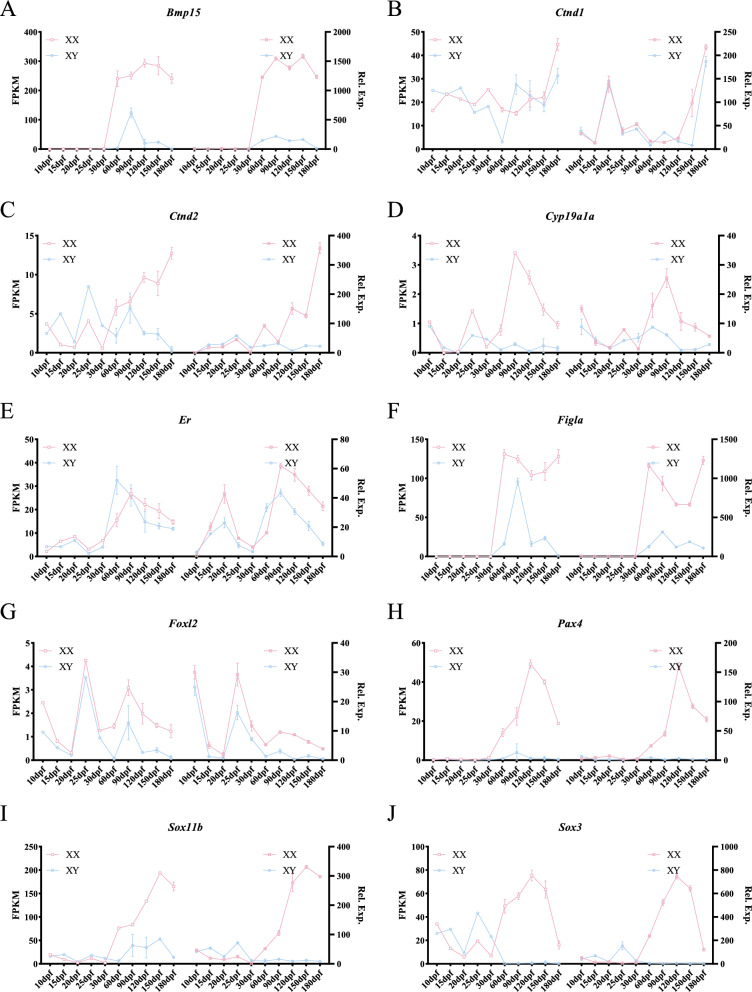 Figure 10
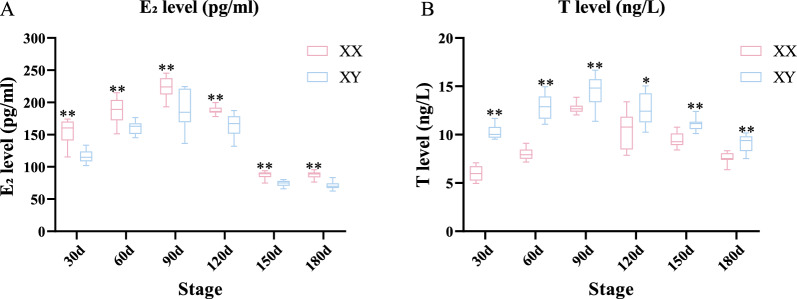 Figure 11
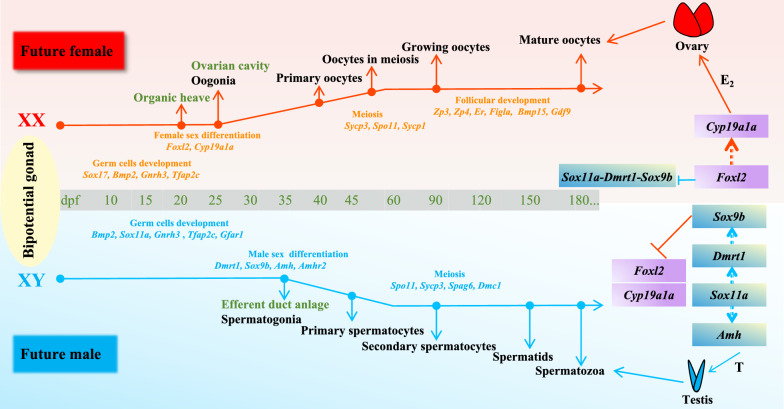 Figure 12
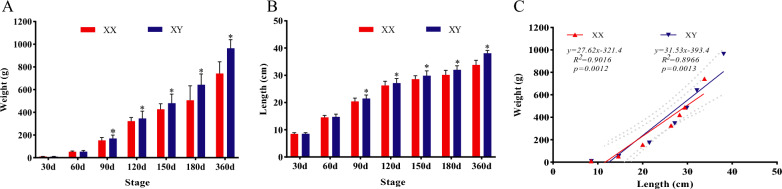 Figure 1
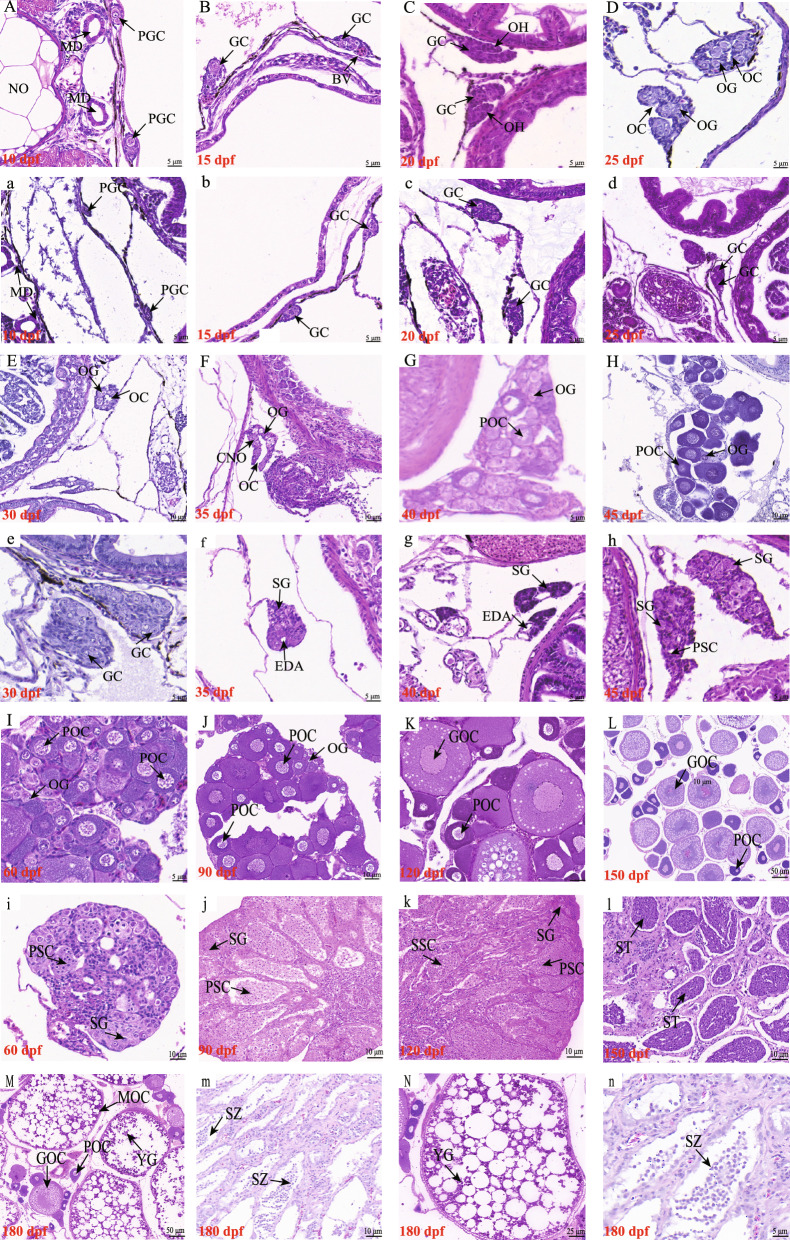 Figure 2
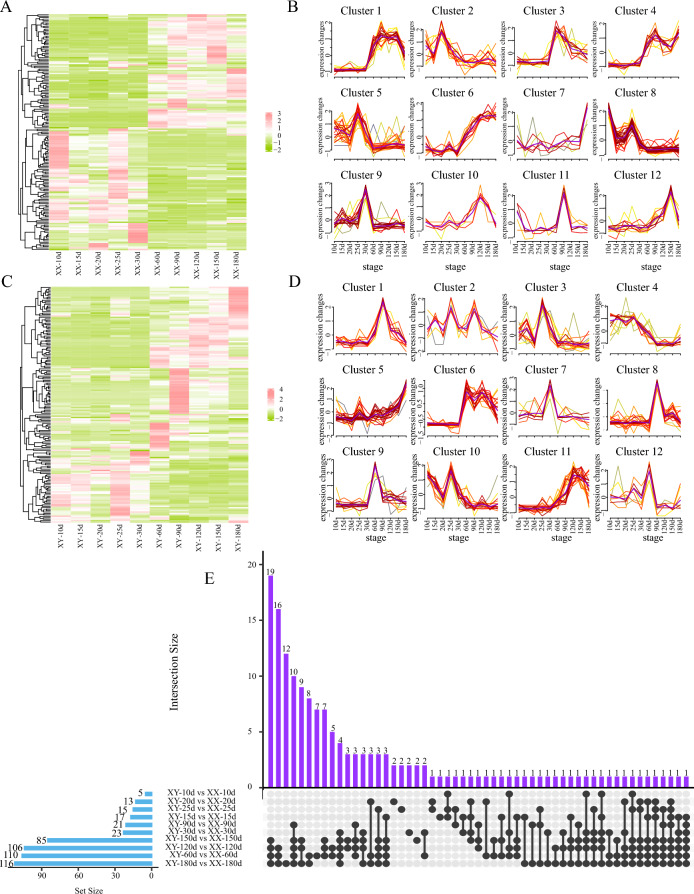 Figure 3
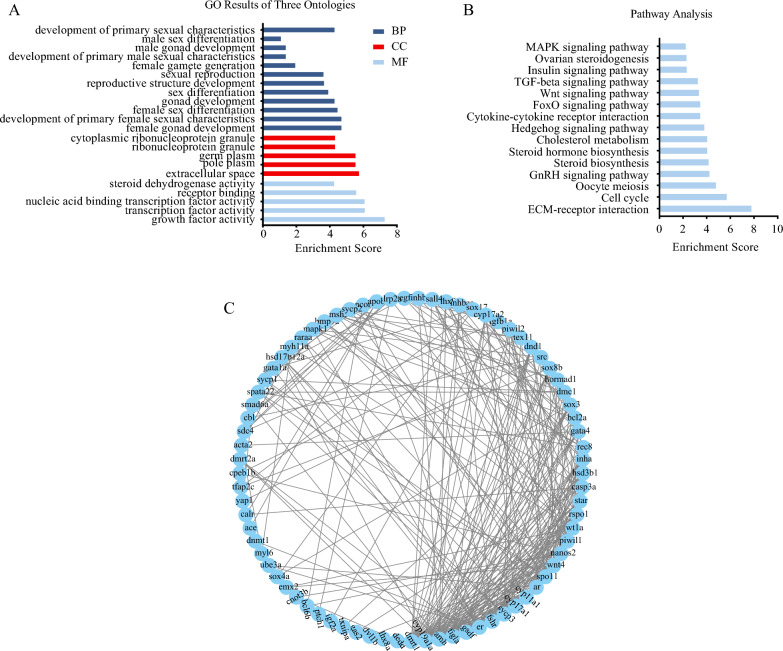 Figure 4
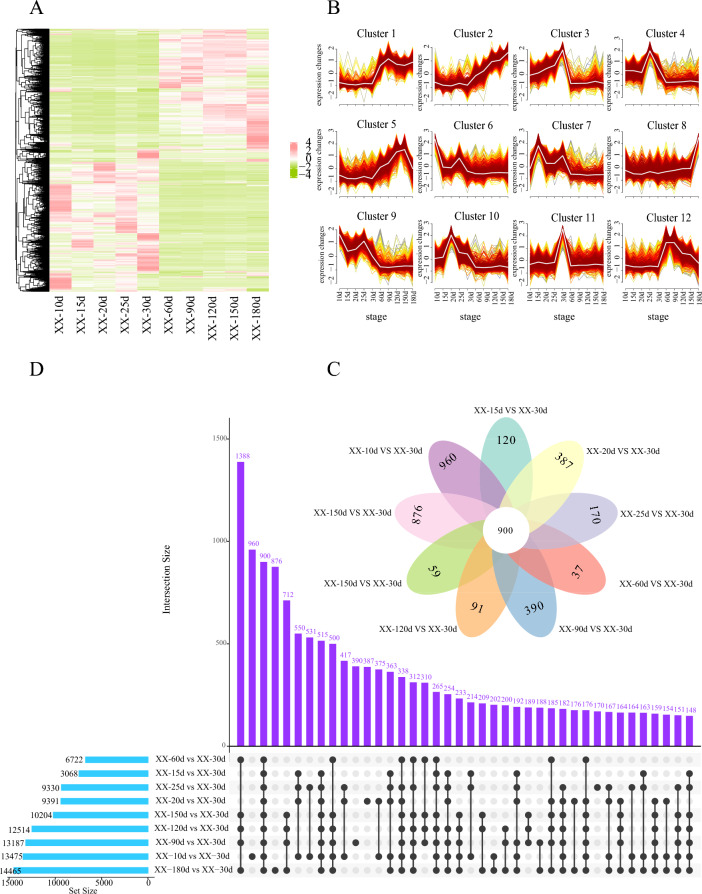 Figure 5
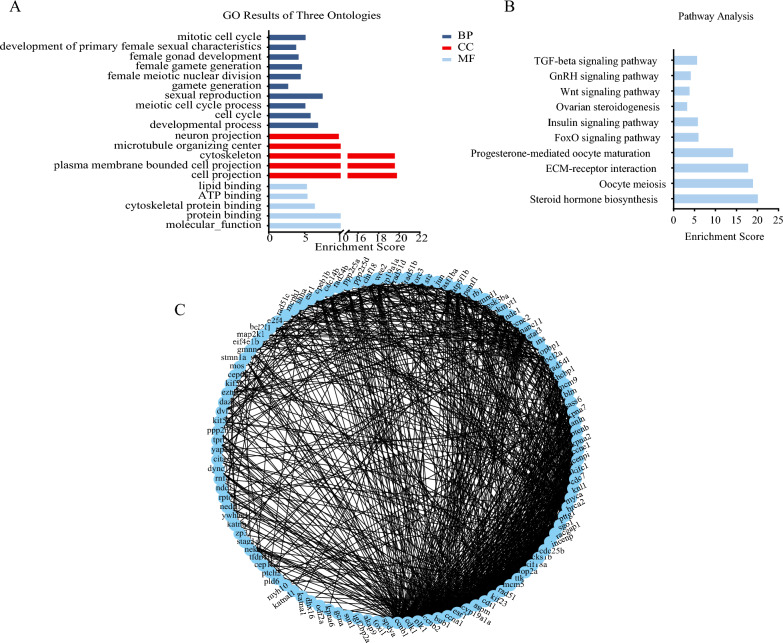 Figure 6
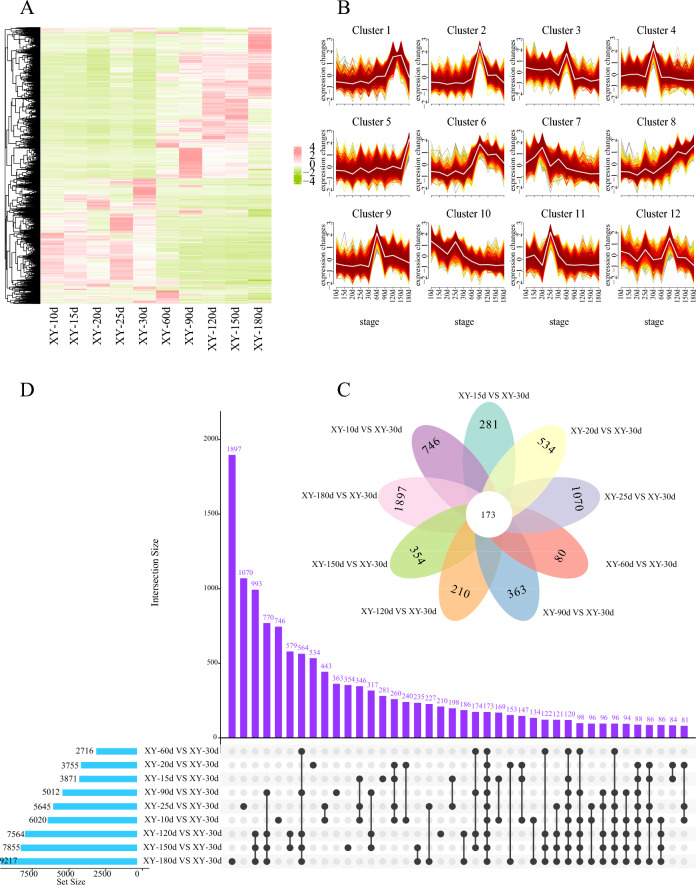 Figure 7
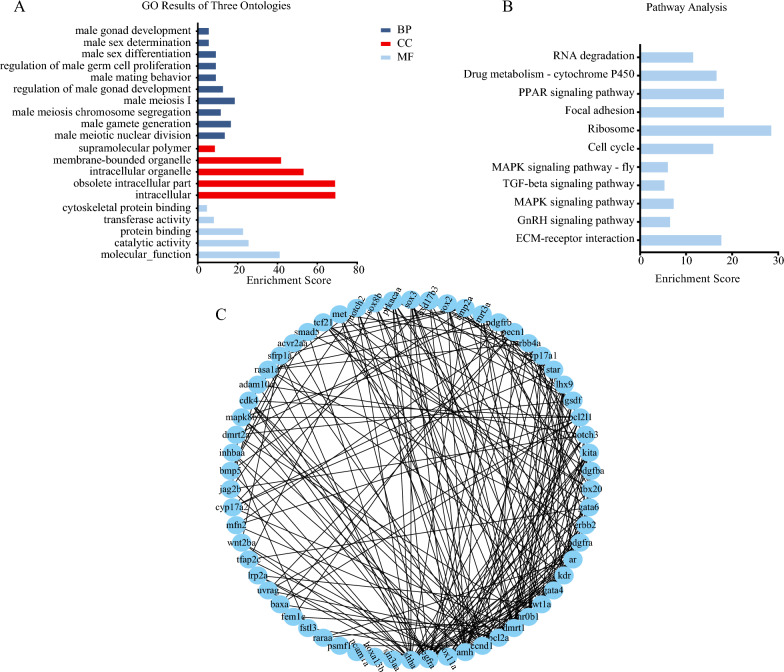 Figure 8
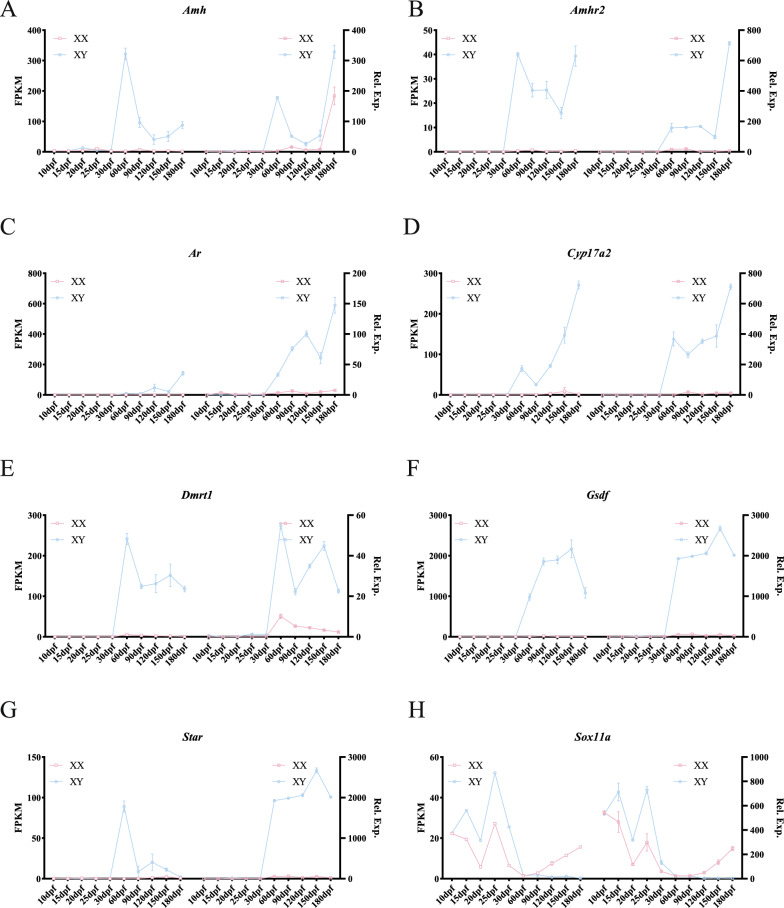 Figure 9
Peer Reviews
No public reviews on file for this paper yet. If you reviewed it on a platform where reviews are public (OpenReview, ICLR, NeurIPS, ICML), you can paste yours below so the community can read it here.
Videos
No videos yet. Explain this paper in a talk, walkthrough, or lecture? Add one.
Taxonomy
TopicsForest Management and Policy · Forest Ecology and Biodiversity Studies