Spastic Muscle Overactivity in a Patient With a Chronic Disorder of Consciousness After Severe Traumatic Brain Injury Successfully Treated with Acupuncture: A Case Report
Jun Matsumoto-Miyazaki, Yumiko Nishibu, Yuka Ikegame, Jun Shinoda, Hirohito Yano

TL;DR
A 70-year-old woman with chronic disorder of consciousness and spastic muscle overactivity after severe brain injury showed improvement with acupuncture treatment.
Contribution
This case report demonstrates acupuncture's potential to reduce spastic muscle overactivity in patients with chronic disorder of consciousness after traumatic brain injury.
Findings
Acupuncture improved passive range of motion in the patient's elbow joints over 20 weeks.
Ultrasound elastography showed reduced muscle stiffness after acupuncture sessions.
The patient's spastic muscle overactivity and hyper stretch reflex showed gradual improvement.
Abstract
Spastic muscle overactivity (SMO) is a frequent retractable complication in patients with prolonged disorder of consciousness (DOC) after severe traumatic brain injury (sTBI). Here, we describe a patient with DOC and SMO after sTBI successfully treated with adjunctive acupuncture. A woman in her 70s with chronic DOC, corresponding to a minimally conscious state (MCS), and limb SMO after severe TBI due to a traffic accident was admitted to our hospital six months after the injury and received multiple care interventions including physiotherapy and nurse care. However, her SMO in the extremities with decorticated posture, in which bilateral elbow joints were flexed and bilateral knee joints were extended, remained. The passive range of motion (ROM) of bilateral elbow joints decreased. Her DOC also remained in MCS. Thus, acupuncture was implemented twice weekly for 20 weeks to improve SMO…
Genes, proteins, chemicals, diseases, species, mutations and cell lines named across the full text — each resolved to its canonical identifier and authoritative record.
Click any figure to enlarge with its caption.
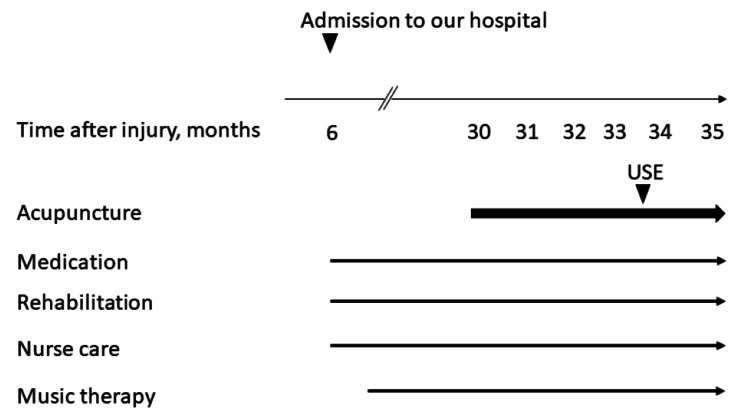 Figure 1
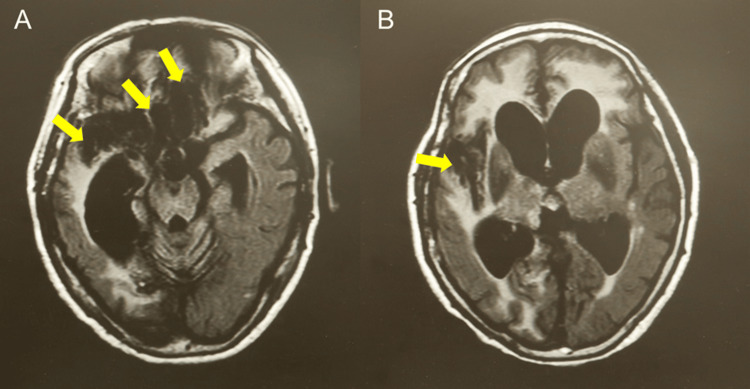 Figure 2
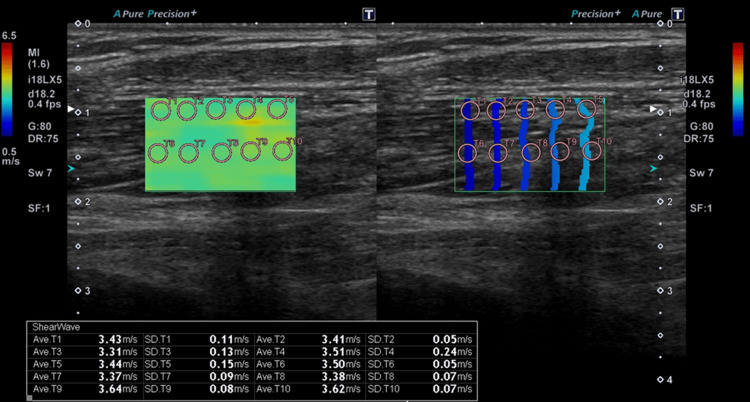 Figure 3
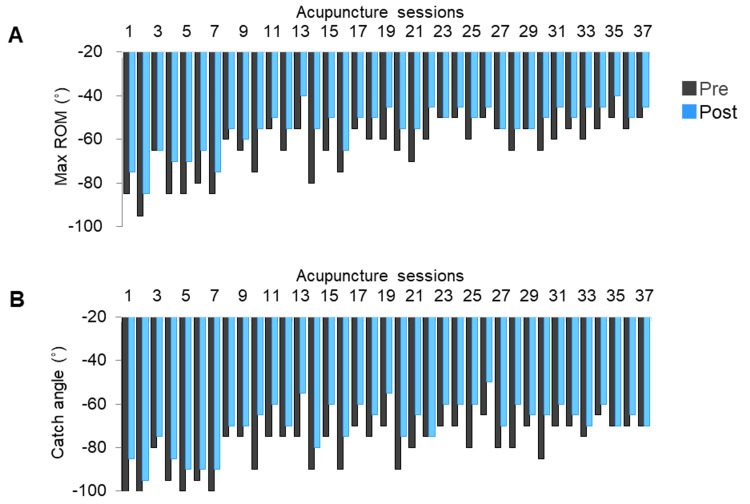 Figure 4
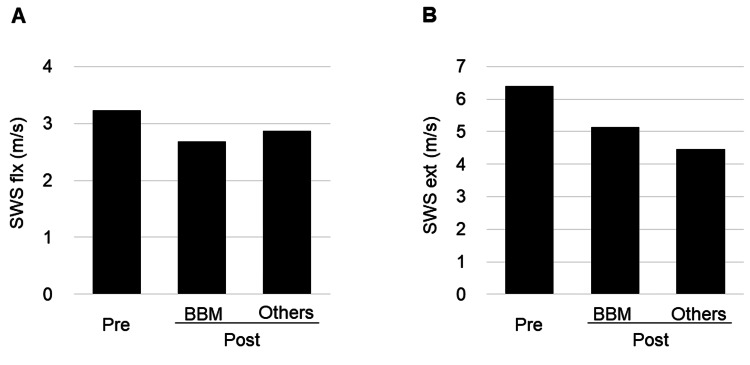 Figure 5
Peer Reviews
No public reviews on file for this paper yet. If you reviewed it on a platform where reviews are public (OpenReview, ICLR, NeurIPS, ICML), you can paste yours below so the community can read it here.
Videos
No videos yet. Explain this paper in a talk, walkthrough, or lecture? Add one.
Taxonomy
TopicsTraumatic Brain Injury Research · Cardiac Arrest and Resuscitation · Traumatic Brain Injury and Neurovascular Disturbances