Comparison of four value sets derived using different TTO and DCE approaches: application to the new region-specific PBM, AP-7D
Takeru Shiroiwa, Tatsunori Murata, Yasuhiro Morii, Eri Hoshino, Takashi Fukuda

TL;DR
This study compares four methods to create value sets for the AP-7D health measure in Japan, finding differences in results and suggesting implications for future preference-based measure development.
Contribution
The study provides the first comparison of four valuation methods for the new AP-7D measure in East and Southeast Asia.
Findings
The DCE with duration model had the lowest minimum value, indicating significant differences in valuation.
The ternary DCE model showed intermediate characteristics between cTTO and DCE with duration models.
AP-7D scores in Japan were generally lower than EQ-5D-5L scores, with 'Burden to others' having the largest impact.
Abstract
AP-7D is a newly developed preference-based measure (PBM) in East and Southeast Asia. However, no value set has been established yet. Comparison of the characteristics of value sets obtained by different methods is necessary to consider the most appropriate methodology for valuation survey of AP-7D. We surveyed the general population’s preference of AP-7D health states by four valuation methods (a) composite time trade-off (cTTO); (b) simple discrete choice experiment (DCE); (c) DCE with duration; and (d) ternary DCE. In Japan, we collected approximately 1,000 samples for cTTO tasks through a face-to-face survey and 2,500 samples for each of the three DCE tasks. Respondents were selected through quota sampling based on the sex and age. The cTTO data were analyzed using a linear mixed and tobit model; the DCE data were analyzed using a simple and panel conditional logit model. Where the…
Genes, proteins, chemicals, diseases, species, mutations and cell lines named across the full text — each resolved to its canonical identifier and authoritative record.
Click any figure to enlarge with its caption.
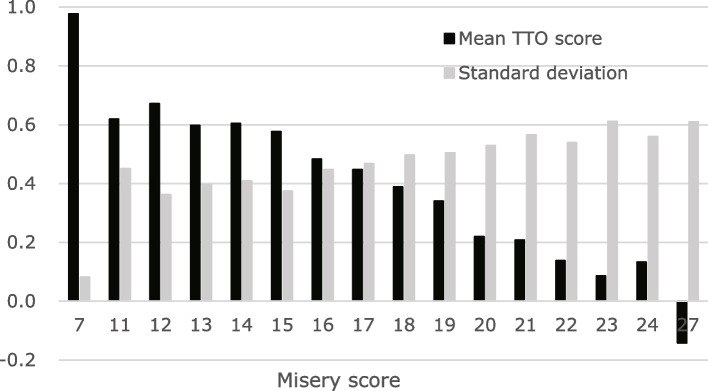 Figure 1
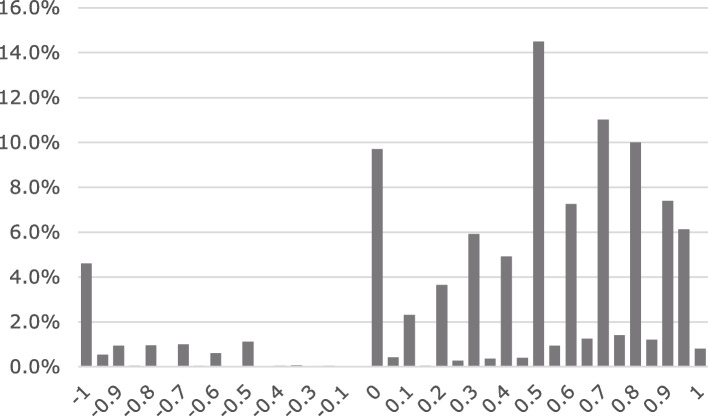 Figure 2
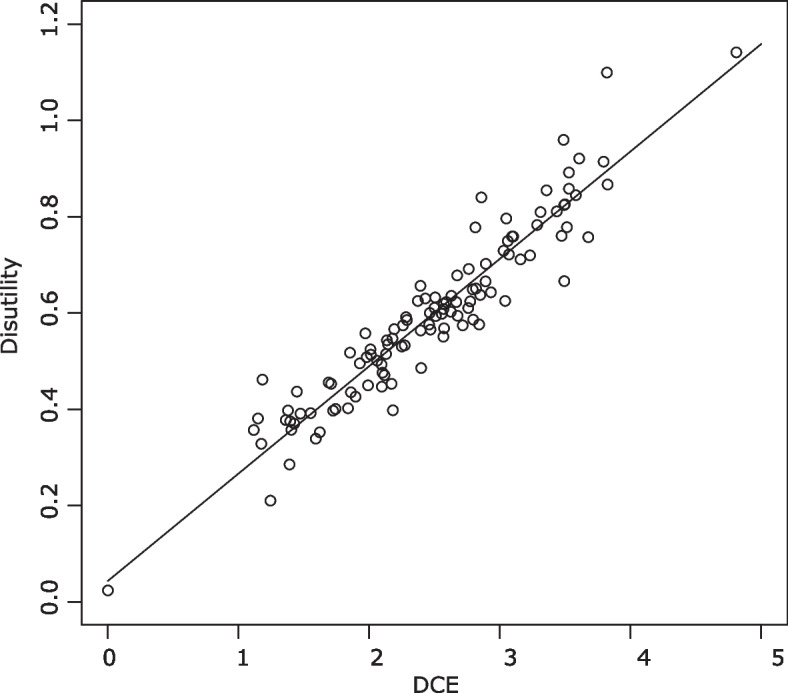 Figure 3
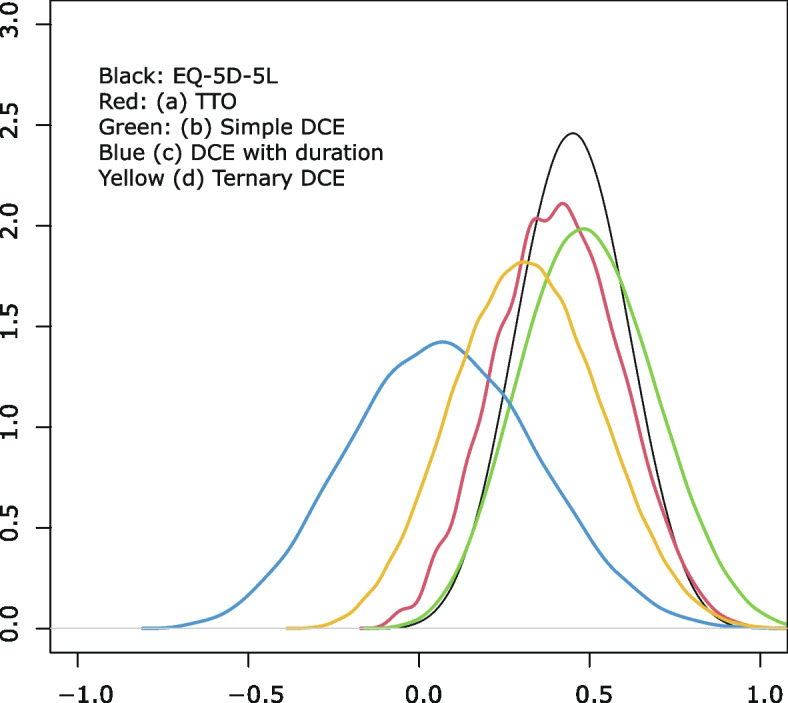 Figure 4
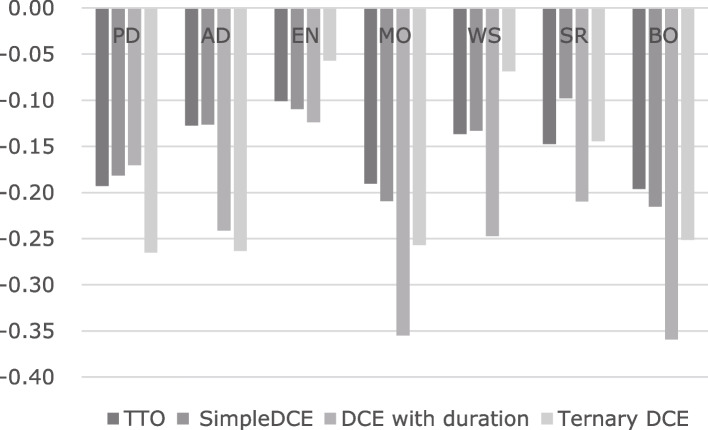 Figure 5
Peer Reviews
No public reviews on file for this paper yet. If you reviewed it on a platform where reviews are public (OpenReview, ICLR, NeurIPS, ICML), you can paste yours below so the community can read it here.
Videos
No videos yet. Explain this paper in a talk, walkthrough, or lecture? Add one.
Taxonomy
TopicsAdvanced Surface Polishing Techniques · Metal Forming Simulation Techniques · Additive Manufacturing and 3D Printing Technologies