A4 Thoracolumbar Fracture Class Is Associated With a Greater Degree of Vertebral Height Loss in Conservatively Managed Patients
Ashwin Ghadiyaram, Asha Krishnakumar, Janan Leppo, Megan M Rajagopal, Nora T Poulos, Charles F Opalak, William C Broaddus, Brian M Cameron

TL;DR
A4 thoracolumbar fractures treated without surgery show more vertebral height loss compared to other types, suggesting the need for careful treatment decisions.
Contribution
Identifies A4 fractures as having greater height loss when managed conservatively, offering insights for clinical decision-making.
Findings
A4 fractures showed significantly greater anterior height loss at initial presentation compared to A1/A2 fractures.
At follow-up, A4 fractures had greater height loss than both A1/A2 and A3 fractures.
Conservative TLSO brace treatment may result in worse structural outcomes for A4 fractures.
Abstract
Introduction: Thoracolumbar (TL) junction fractures are common, often resulting from high-energy trauma or osteoporosis, and may lead to neurological deficits, deformities, or chronic pain. Treatment decisions for neurologically intact patients remain controversial, with nonsurgical management often favored. The AO classification system has been used to characterize thoracolumbar fractures using fracture morphology and clinical factors affecting clinical decision-making for fracture management. This study aims to assess the radiographic outcomes of utilizing a thoracolumbosacral orthosis (TLSO) brace in neurologically intact patients with TL fractures based on the AO classification system. Methods: A retrospective analysis of 43 patients was conducted using data from the VCU Spine Database on patients with TL fractures managed conservatively with a TLSO brace from 2010 to 2019.…
Genes, proteins, chemicals, diseases, species, mutations and cell lines named across the full text — each resolved to its canonical identifier and authoritative record.
Click any figure to enlarge with its caption.
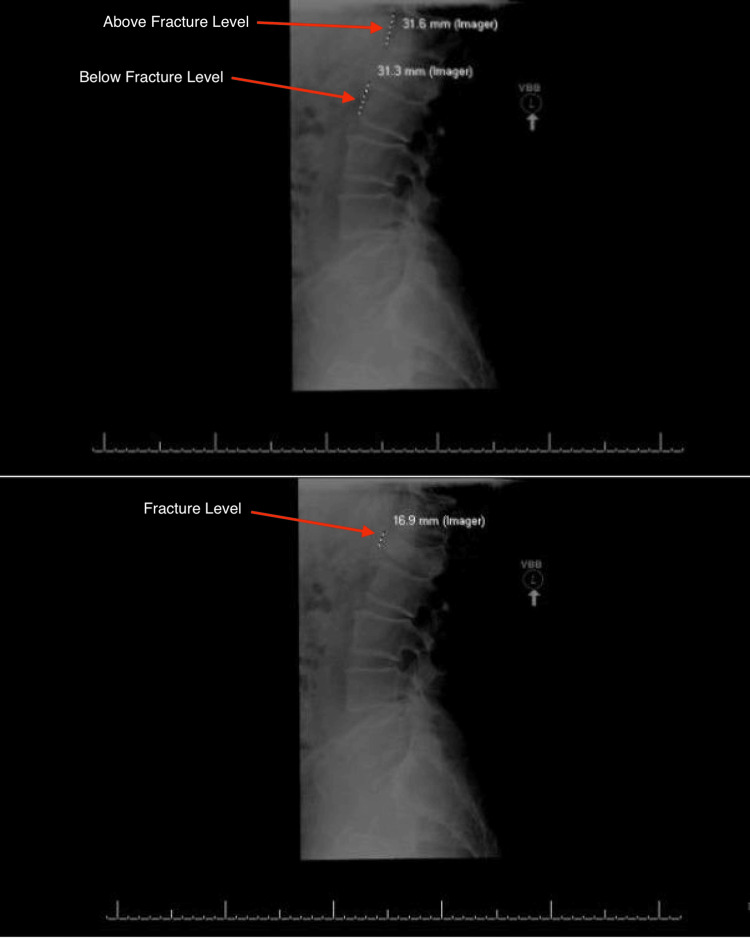 Figure 1
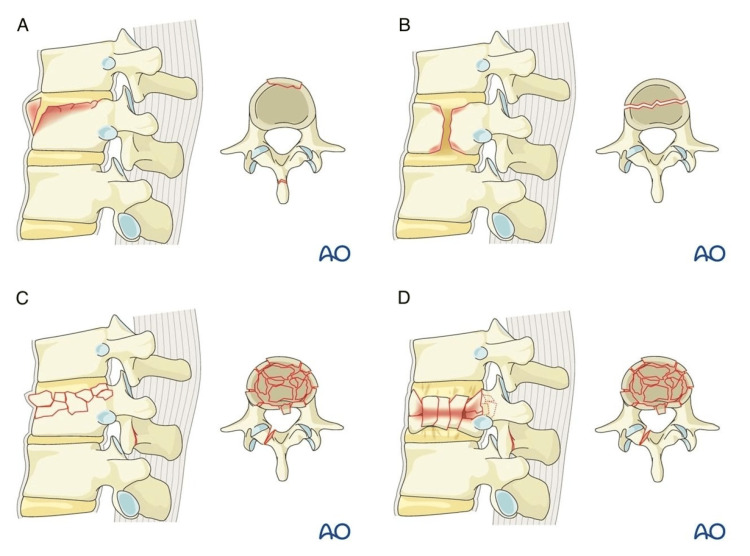 Figure 2
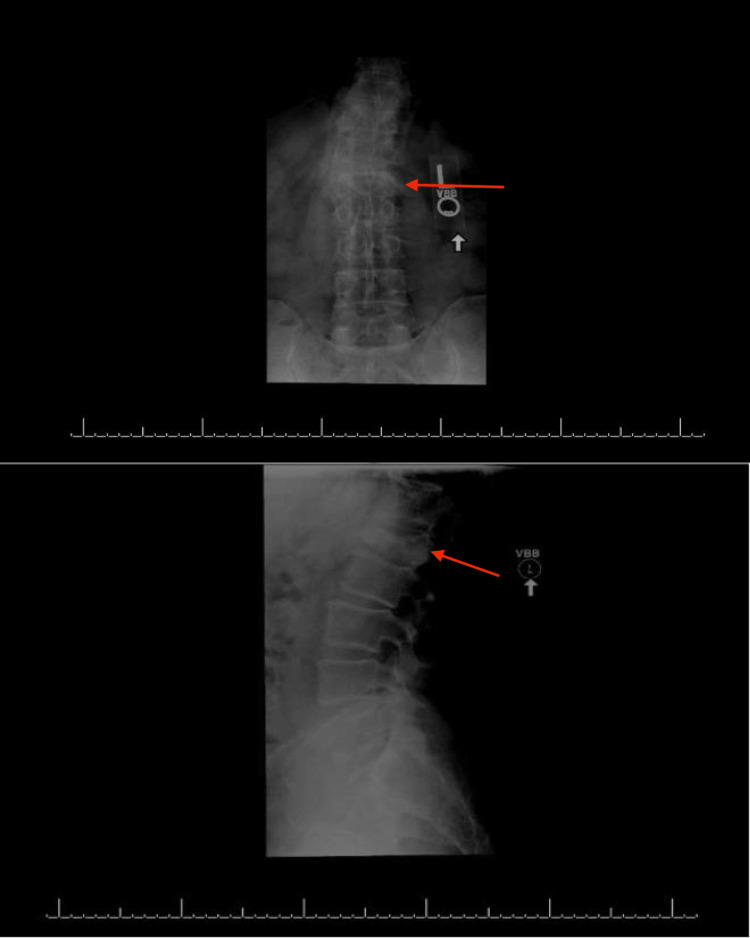 Figure 3
Peer Reviews
No public reviews on file for this paper yet. If you reviewed it on a platform where reviews are public (OpenReview, ICLR, NeurIPS, ICML), you can paste yours below so the community can read it here.
Videos
No videos yet. Explain this paper in a talk, walkthrough, or lecture? Add one.
Taxonomy
TopicsSpinal Fractures and Fixation Techniques · Pelvic and Acetabular Injuries · Spine and Intervertebral Disc Pathology