Exploration of alpha-glucosidase inhibitors: A comprehensive in silico approach targeting a large set of triazole derivatives
Oussama Abchir, Meriem Khedraoui, Imane Yamari, Hassan Nour, Abdelkbir Errougui, Abdelouahid Samadi, Samir Chtita, Mahmood Ahmed, Mahmood Ahmed, Mahmood Ahmed

TL;DR
This study uses computer modeling to find new alpha-glucosidase inhibitors that could help treat diabetes more effectively.
Contribution
A large-scale in silico screening of triazole derivatives to identify novel alpha-glucosidase inhibitors with favorable pharmacokinetic properties.
Findings
Nine compounds were identified as potential alpha-glucosidase inhibitors with stable ligand-target interactions.
Three compounds showed stability in 100 ns molecular dynamics simulations and favorable ADMET profiles.
The findings suggest these compounds are promising candidates for further experimental validation.
Abstract
The increasing prevalence of diabetes and the side effects associated with current medications necessitate the development of novel candidate drugs targeting alpha-glucosidase as a potential treatment option. This study employed computer-aided drug design techniques to identify potential alpha-glucosidase inhibitors from the PubChem database. Molecular docking was used to evaluate 81,197 compounds, narrowing the set for further analysis and providing insights into ligand-target interactions. An ADMET study assessed the pharmacokinetic properties of these compounds, including absorption, distribution, metabolism, excretion, and toxicity. Molecular dynamics simulations validated the docking results. 9 compounds were identified as potential candidate drugs based on their ability to form stable complexes with alpha-glucosidase and their favorable pharmacokinetic profiles, three of these…
Genes, proteins, chemicals, diseases, species, mutations and cell lines named across the full text — each resolved to its canonical identifier and authoritative record.
Click any figure to enlarge with its caption.
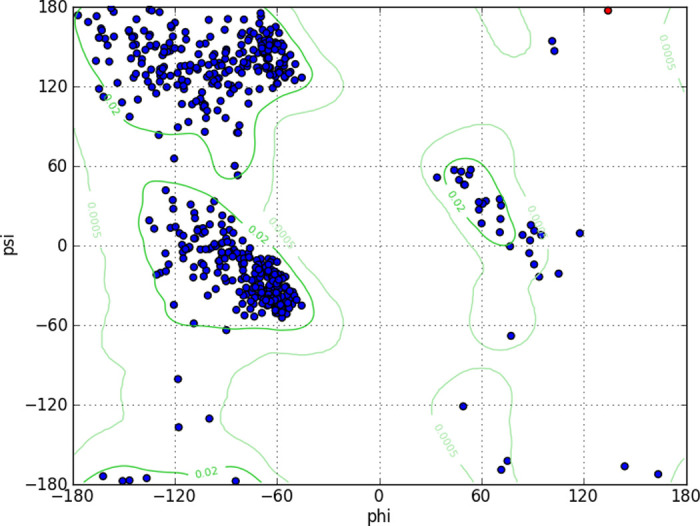 Figure 1
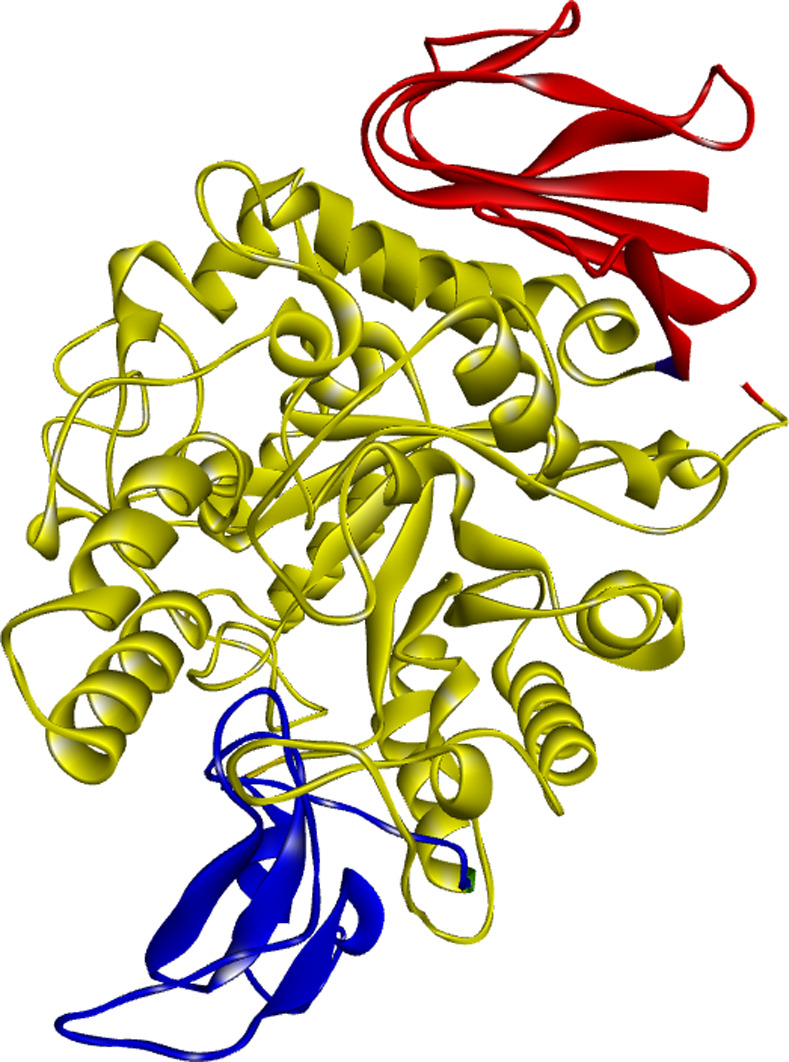 Figure 2
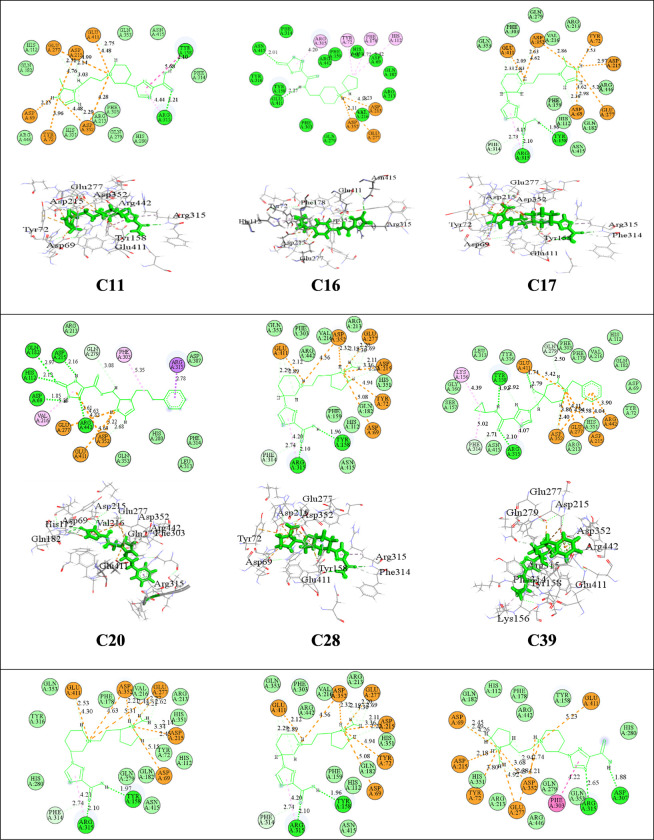 Figure 3
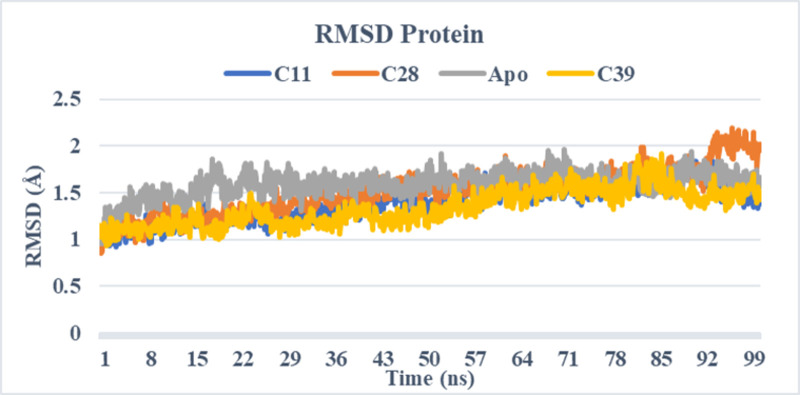 Figure 4
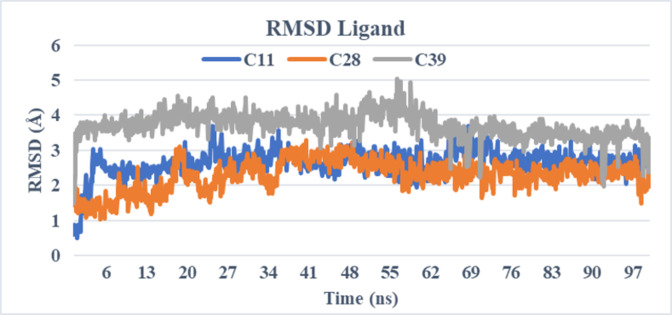 Figure 5
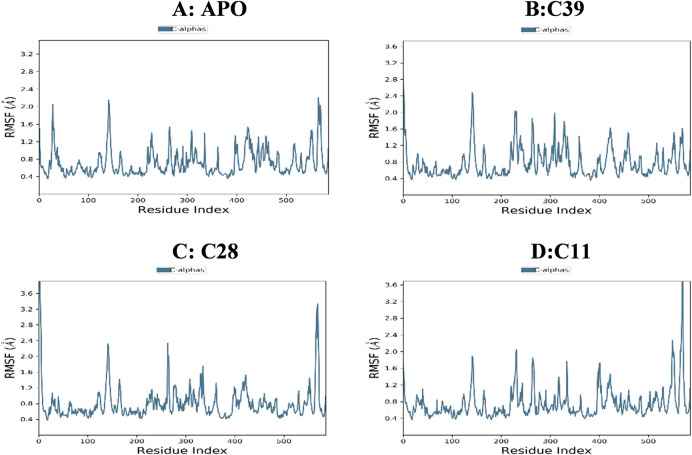 Figure 6
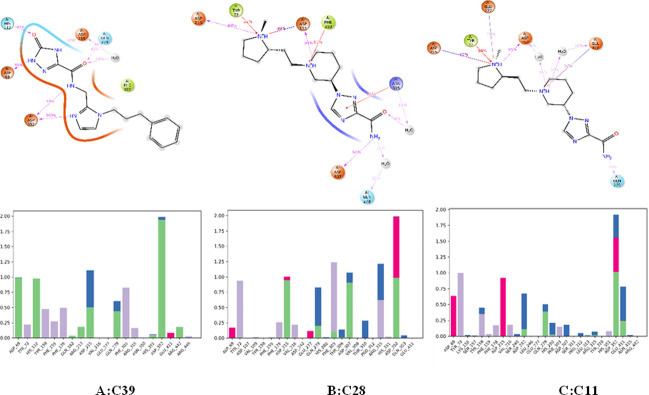 Figure 7
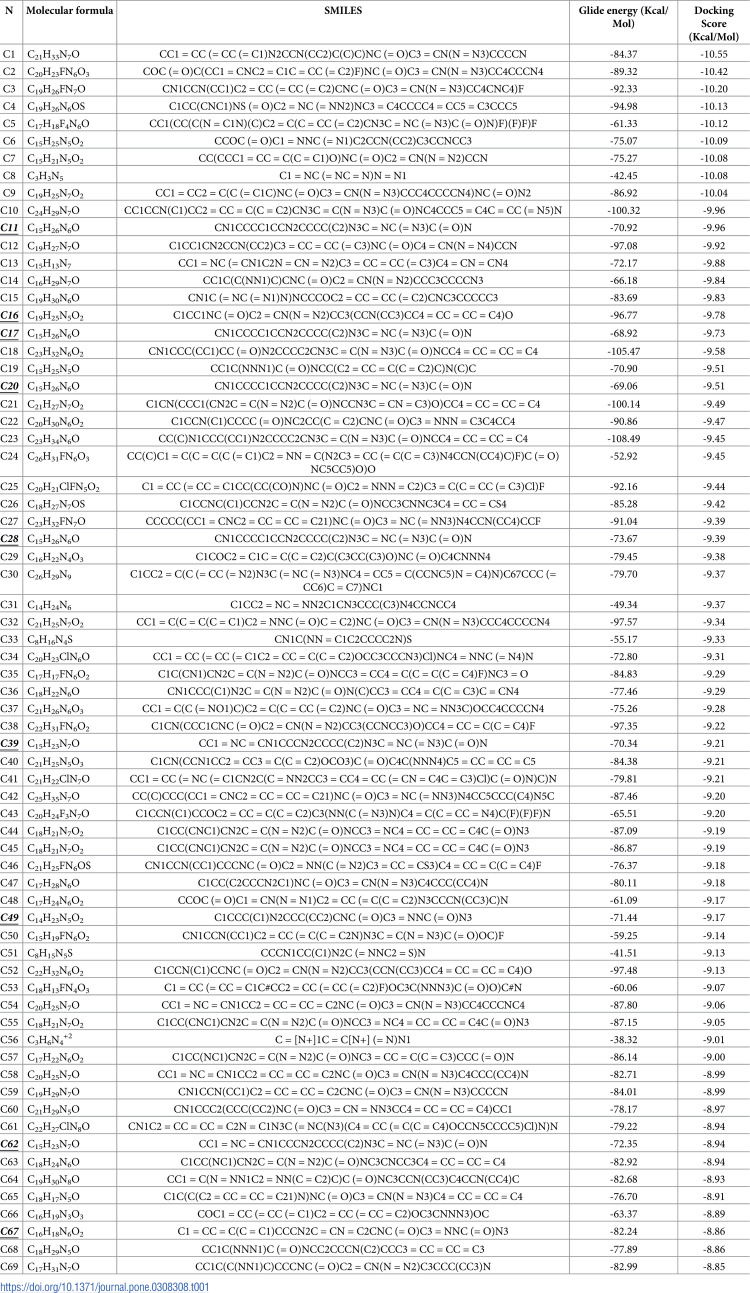 Figure 8
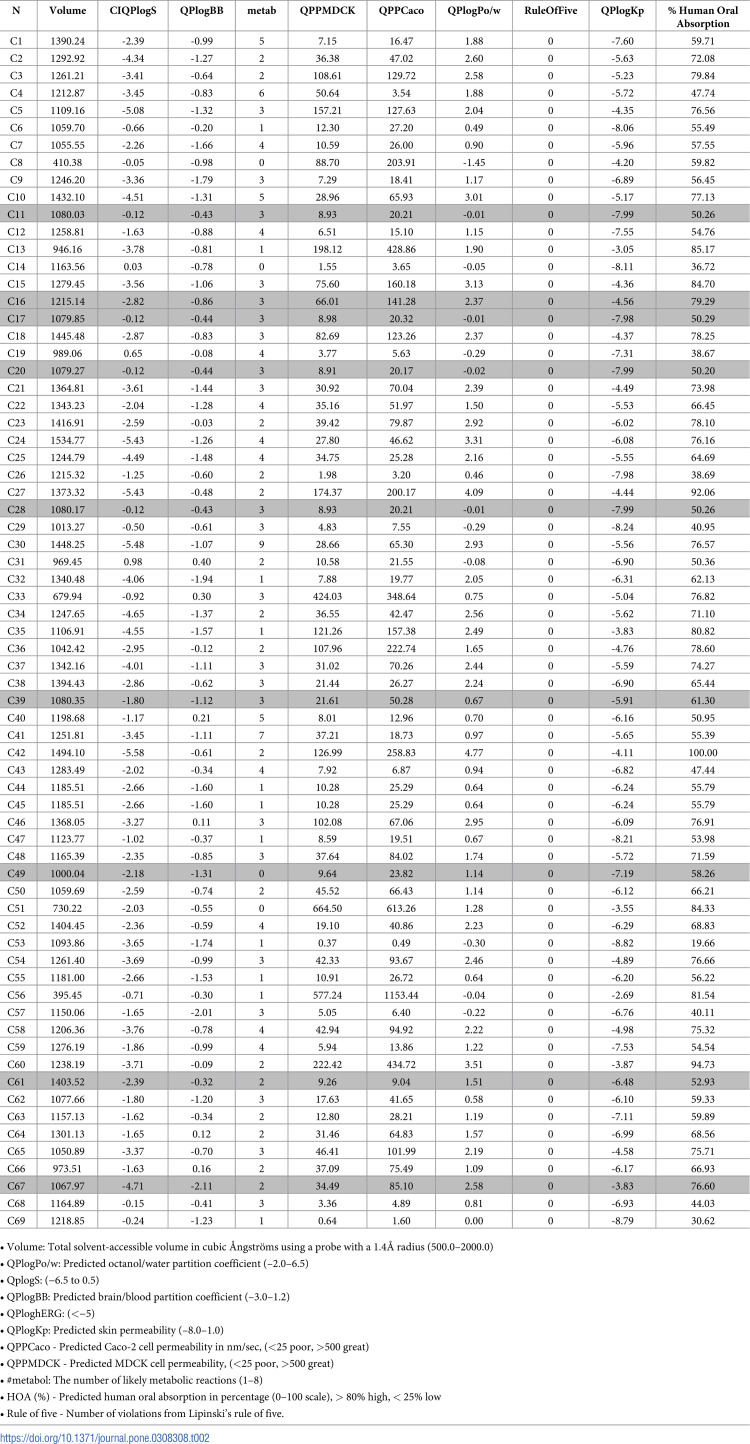 Figure 9
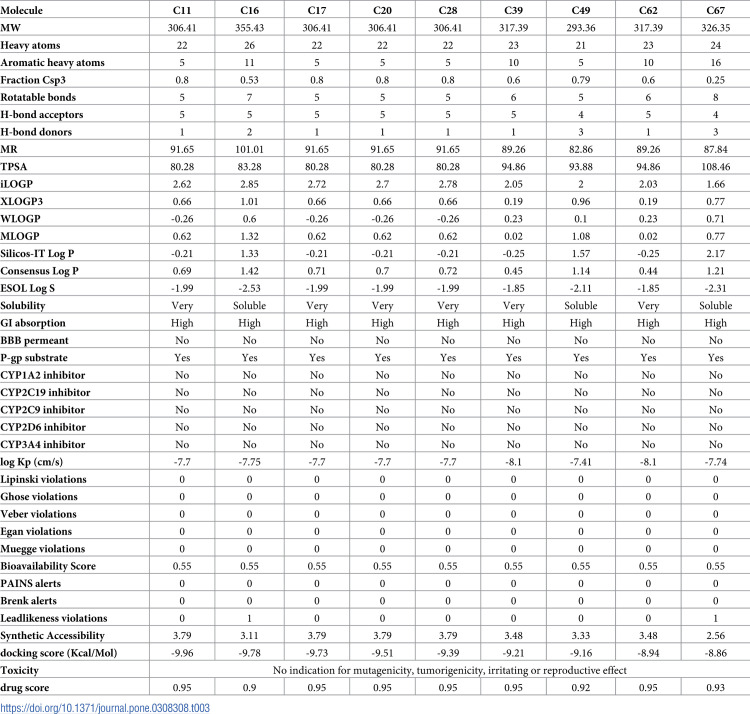 Figure 10
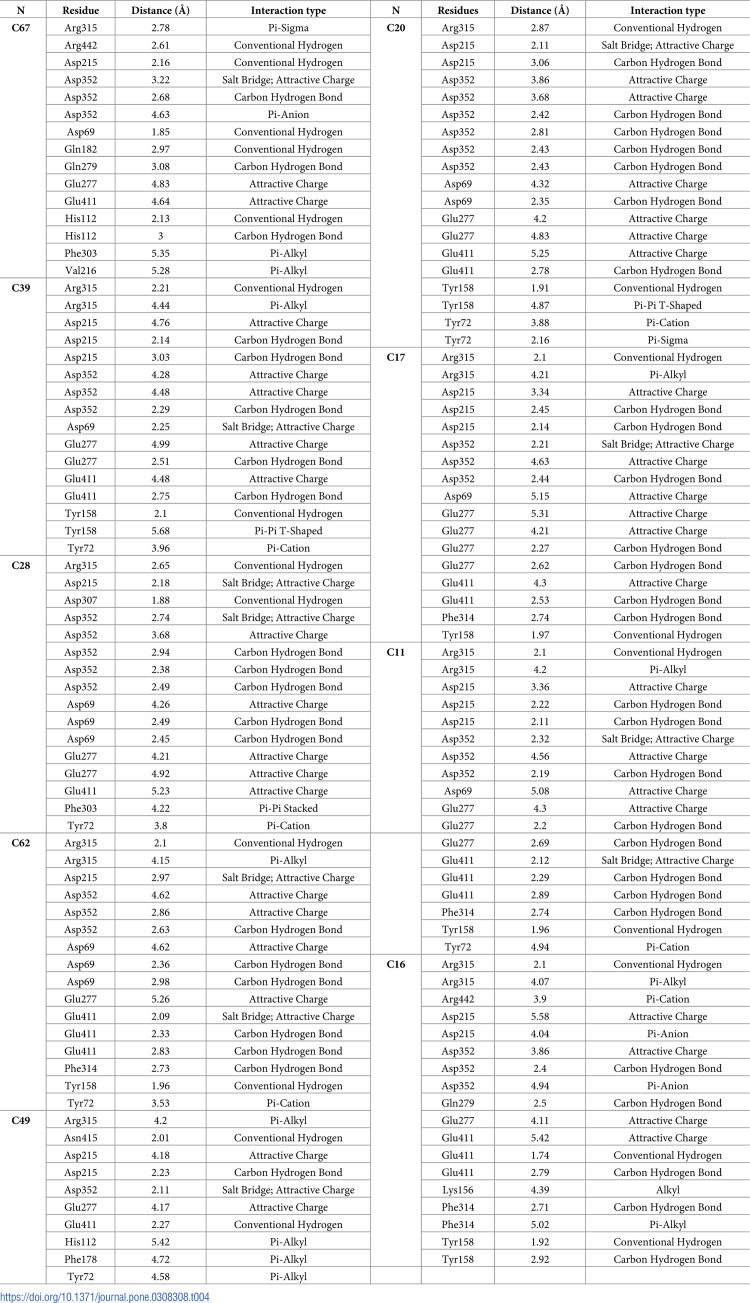 Figure 11
Peer Reviews
No public reviews on file for this paper yet. If you reviewed it on a platform where reviews are public (OpenReview, ICLR, NeurIPS, ICML), you can paste yours below so the community can read it here.
Videos
No videos yet. Explain this paper in a talk, walkthrough, or lecture? Add one.
Taxonomy
TopicsConducting polymers and applications · Analytical Chemistry and Sensors · Electrochemical sensors and biosensors